What Size Amp for 15 Inch Sub for Car: Ultimate Power Guide
If you’re upgrading your car audio system with a 15-inch subwoofer, one question probably keeps popping up: What size amp do you need to get the best performance? Choosing the right amplifier isn’t just about power—it’s about making sure your subwoofer sounds clear, hits hard, and lasts long.
Get it wrong, and you risk weak bass or even damage to your gear. You’ll discover how to match your amp perfectly to your 15-inch sub, so your car sounds amazing every time you hit the road. Ready to unlock booming bass without guesswork?
Keep reading.
Credit: www.ctsounds.com
Amp Power Basics
Choosing the right amplifier power is key for your 15 inch car subwoofer. The amplifier drives the subwoofer, making sound loud and clear. Understanding amp power helps avoid damage and get the best sound. Below are some basic concepts to know before picking an amp.
Watts And Rms Explained
Watts measure the power output of an amplifier. RMS stands for Root Mean Square. It shows the continuous power the amp can deliver without distortion. RMS is the real power value to consider for steady performance. Peak watts represent short bursts of power but are not reliable for daily use. Always match your amp’s RMS power to your subwoofer’s RMS rating for safe operation.
Peak Power Vs Continuous Power
Peak power is the highest power level an amp can reach briefly. Continuous power, or RMS power, is what the amp delivers regularly. Subwoofers need continuous power to avoid damage and keep sound quality steady. An amplifier with too low RMS power may cause distortion. Too much power can blow the subwoofer. Balance is important for clean, strong bass.
Why Power Matters For Subs
Proper amp power ensures your subwoofer performs well. It affects bass volume, clarity, and speaker lifespan. Underpowered amps cause weak bass and distortion. Overpowered amps risk damaging the subwoofer’s voice coil. Matching power levels avoids extra wear and tear. Power also influences how deep and punchy your bass sounds. The right amp size keeps your car audio system balanced and enjoyable.

Credit: gpcaraudio.com
Subwoofer Specifications
Choosing the right amplifier for a 15 inch car subwoofer starts with understanding its specifications. These details help match the amp power and ensure the best sound quality. Knowing the subwoofer’s ratings, voice coil type, and sensitivity guides your amp choice effectively.
Understanding 15 Inch Sub Ratings
Subwoofer ratings include power handling and impedance. Power handling shows how much wattage the sub can manage safely. RMS (Root Mean Square) is the continuous power rating, while peak power is short bursts. Pick an amp with RMS power close to the sub’s rating to avoid damage. Impedance, measured in ohms, affects how the amp and sub work together. Common values are 2 ohms or 4 ohms. The amp must support the subwoofer’s impedance to run efficiently.
Voice Coils And Ohm Load
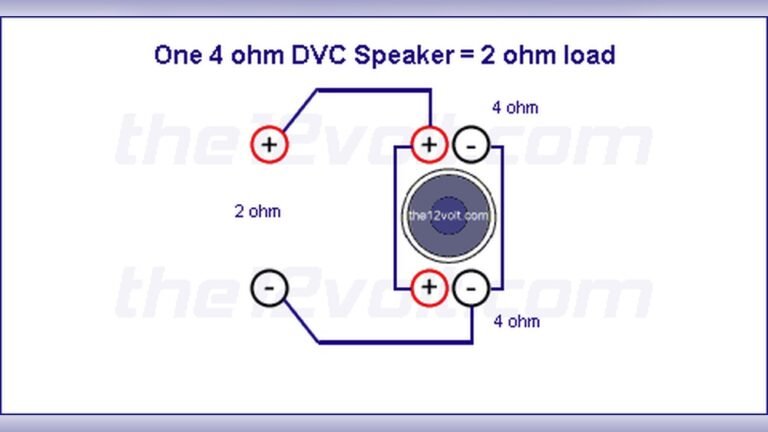
Voice coils affect wiring and load on the amplifier. A single voice coil (SVC) sub has one coil with a fixed ohm load. A dual voice coil (DVC) sub has two coils that can be wired in series or parallel. This changes the total ohm load the amp sees. Lower ohm loads let the amp push more power but require a stable amp. Matching the voice coil configuration and ohm load with the amplifier ensures safe operation and better sound.
Subwoofer Sensitivity
Sensitivity shows how well a sub converts power into sound. It is measured in decibels (dB) with 1 watt at 1 meter distance. A higher sensitivity sub needs less power to produce loud sound. Lower sensitivity subs need more power for the same volume. Knowing sensitivity helps pick an amp that can supply enough power without distortion. This keeps your subwoofer performance clear and strong.
Matching Amp To Subwoofer
An amplifier’s class and efficiency affect how well it powers a 15-inch car subwoofer. Different amp classes offer unique performance and power use. Understanding these differences helps pick the right amp for clear, strong bass. Efficiency matters to avoid wasting energy and overheating. Below, we explore amp classes, power output, heat control, and how to choose based on efficiency.
Class A/b Vs Class D Amps
Class A/B amps combine qualities of Class A and B designs. They deliver good sound quality and moderate efficiency. These amps produce less distortion but generate more heat. Class D amps, or digital amps, use switching technology. They are highly efficient and run cooler. Class D amps are smaller and lighter, ideal for tight car spaces. Both types can power a 15-inch sub well, depending on your needs.
Power Output And Heat Management
Higher power output means louder and deeper bass from your subwoofer. Class A/B amps produce clean power but waste energy as heat. This requires larger heat sinks or fans. Class D amps convert more power into sound, creating less heat. Better heat management extends amp life and prevents shutdowns. Choosing an amp with proper cooling keeps your system stable during long drives.
Choosing Based On Efficiency
Efficiency affects battery life and overall system performance. Class D amps can reach efficiencies over 80%. Class A/B amps usually stay below 50%. A more efficient amp draws less current, reducing strain on your car’s electrical system. For a 15-inch sub, balance power needs with efficiency. If space and heat are concerns, Class D amps are a smart choice. If sound quality is the priority, Class A/B amps remain popular.
Amp Classes And Efficiency
Installing a 15-inch subwoofer in your car needs more than just picking the right amp size. Proper installation helps your system perform well and last longer. Several key factors affect your setup’s success. Understanding these will save time and money.
Power Supply And Battery Needs
A powerful amp requires a stable power source. Your car’s battery and alternator must handle the extra load. A weak power supply can cause dim lights or system failure. Consider upgrading your battery or adding a capacitor. These help maintain steady voltage for clean sound.
Speaker Wire Gauge And Length
Use thick wires to connect your amp and subwoofer. Thin wires cause power loss and reduce sound quality. Choose wire gauge based on the amplifier’s power and distance. Keep wire runs as short as possible. This lowers resistance and improves performance.
Avoiding Distortion And Clipping
Match your amp’s power to the subwoofer’s rating. Too little power causes distortion and damages the sub. Too much power may lead to clipping, which also harms sound and gear. Set your gain and filters carefully. Clean sound means better bass and longer equipment life.
Installation Considerations
Choosing the right amplifier for a 15 inch subwoofer is crucial for great sound. The amp must provide enough power to drive the sub without distortion. Many popular amplifier models fit well with 15 inch subs. These amps vary in price, power, and features.
Below are some popular amp models categorized by budget and performance. This helps you find the best match for your car audio system.
Budget-friendly Options
Budget-friendly amplifiers give good power without high cost. Models like the Rockford Fosgate R500X1D deliver 500 watts RMS at 2 ohms. This power suits many 15 inch subs well. Another option is the Pioneer GM-D8601, which offers clean bass and reliability under $150. These amps balance price and performance for casual listeners.
High-performance Amplifiers
High-performance amps provide more power and cleaner sound. The JL Audio JX1000/1D delivers 1000 watts RMS at 2 ohms, ideal for heavy bass fans. Alpine PDX-M12 is another great choice, offering strong power and compact design. These amplifiers handle big 15 inch subs with ease, producing deep and tight bass.
Brands To Trust
Some brands have built a strong reputation for quality car amplifiers. Rockford Fosgate, JL Audio, and Alpine stand out for durability and sound. American Bass and Kicker also offer reliable amps for 15 inch subs. Choosing a trusted brand ensures you get an amp with good support and long life.
Credit: www.geniusaudiousa.com
Popular Amp Models For 15 Inch Subs
Choosing the right amplifier for a 15 inch subwoofer is crucial. Many car audio enthusiasts make simple mistakes. These errors can damage equipment or reduce sound quality. Avoiding common pitfalls helps get the best performance from your system.
Underpowering Your Subwoofer
Using an amp with too low power weakens bass output. The subwoofer will sound flat or distorted. Subwoofers need enough power to move their cones properly. Always match the amp’s wattage to the sub’s RMS rating. Underpowering causes poor sound and can damage the sub over time.
Ignoring Ohm Compatibility
Subwoofers and amps have specific ohm ratings. Ignoring these can cause problems. Using the wrong ohm load can overheat the amplifier. It may also cause the amp to shut down or fail. Check the sub’s ohm rating and ensure the amp supports it. Proper matching protects both devices and improves sound clarity.
Neglecting Proper Ventilation
Amplifiers generate heat while running. Poor ventilation causes the amp to overheat quickly. Overheating reduces amp performance and shortens its lifespan. Install the amp in a well-ventilated area. Leave space around it for airflow. Cooling keeps the amp running smoothly during long drives.
Common Mistakes To Avoid
Testing and tuning your car audio setup is key to getting the best sound from your 15 inch subwoofer. Proper adjustments help avoid distortion and protect your equipment. It also ensures the bass hits just right for your listening style.
This process takes patience and attention to detail. Small changes can make a big difference in sound quality. Follow these steps to dial in your amp and subwoofer for the perfect balance.
Adjusting Gain And Filters
Start by setting the gain control on your amplifier. Keep it low at first to prevent clipping and distortion. Slowly raise the gain until the sound is loud but clean. Avoid pushing it too high.
Use the built-in filters like low-pass and high-pass to shape the sound. A low-pass filter lets bass frequencies pass to the subwoofer. Set it near your sub’s frequency range, usually around 80-120 Hz. High-pass filters protect your smaller speakers from low bass.
Using Test Tracks For Calibration
Pick test tracks with clear bass and minimal vocals. These tracks help identify how well your sub and amp perform. Listen for clarity, punch, and smoothness in the bass notes. Adjust gain and filters as needed.
Use songs with steady beats to check consistency. Try different genres to see how the setup handles varied bass styles. This helps confirm your settings work for all music types.
Fine-tuning For Best Sound
After initial adjustments, fine-tune by making small tweaks. Move the gain up or down by small steps. Adjust filter points slightly to better match your sub’s response.
Pay attention to how the bass blends with other speakers. It should feel natural, not overpowering or weak. Adjust phase settings if your amp offers this feature to align sound waves.
Test your setup at different volumes. Good tuning holds up at both low and high listening levels. Keep adjusting until the sound feels balanced and enjoyable.
Frequently Asked Questions
How Many Amps Does A 15 Inch Sub Need?
A 15-inch subwoofer typically needs 20 to 50 amps, depending on its power rating and impedance. Check your sub’s specs for exact current requirements.
Can I Use A 1200 Watt Amp For A 500 Watt Subwoofer?
Yes, you can use a 1200 watt amp for a 500 watt subwoofer, but avoid overpowering to prevent damage. Match the amp’s RMS power closely to the subwoofer’s rating for safe, optimal performance. Use a good quality amplifier with proper gain settings to protect your subwoofer.
Is 1/12 Better Than 2 10s?
1/12 offers finer control and smoother transitions, while 2 10s provide deeper bass and louder volume. Choose based on your space and sound preference.
What Hits Harder, 2 Or 4 Ohm?
A 2-ohm load allows an amplifier to deliver more power, making it hit harder than a 4-ohm load. Lower ohms increase current flow, boosting output and impact.
Conclusion
Choosing the right amp size for your 15-inch car sub makes a big difference. A properly matched amp powers your subwoofer well and protects it from damage. Aim for an amplifier that matches your sub’s RMS wattage for clean, strong bass.
Avoid using an amp that’s too weak or too strong. This balance ensures your music sounds clear and deep. Remember, simple wiring and correct ohm load improve performance. With the right amp, your 15-inch sub will deliver powerful, quality sound every time you drive.