Can You Use a Subwoofer Without a Box in a Car? Expert Guide
Many car owners love the deep bass sound that a subwoofer brings to their music. But what if you don’t want to use a box for your subwoofer in your car? Maybe you’re short on space, want a simple setup, or just wonder what happens if you skip the box.
This is a common question, especially for beginners who are just starting to upgrade their car audio. Let’s explore whether you can use a subwoofer without a box in a car, what happens if you try, and what you need to know before making your decision.
Why Subwoofers Usually Need A Box
A subwoofer box (also called an enclosure) is more than just a container. It serves important functions:
- Controls air movement behind the subwoofer cone
- Prevents sound waves from the front and back from mixing, which can cancel out bass
- Protects the subwoofer from damage
When you put a subwoofer in a box, you help it play low sounds more clearly and powerfully. Think of it like a drum: the shell helps produce the sound. A subwoofer box does something similar for bass in your car.
What Happens If You Use A Subwoofer Without A Box?
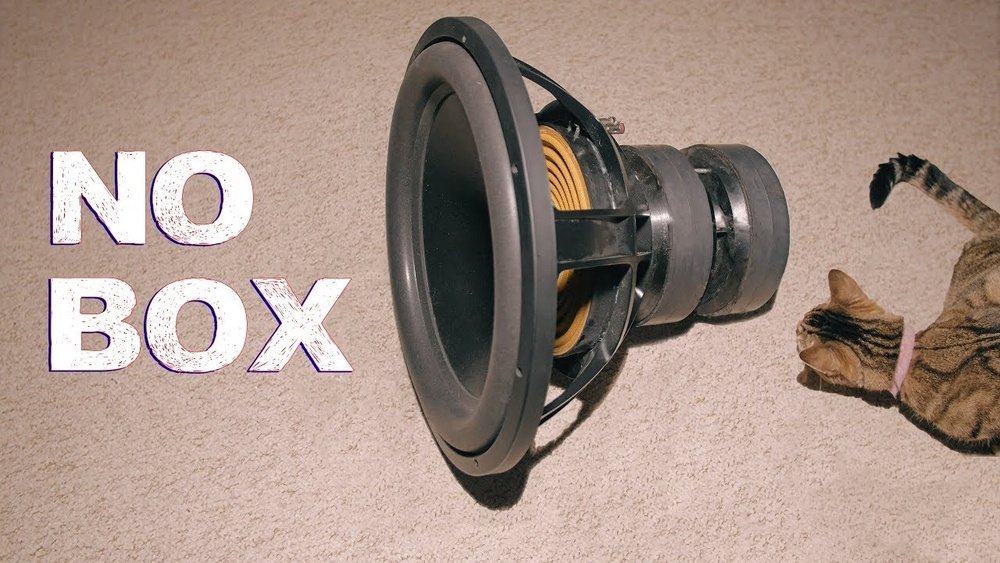
You can connect a subwoofer without a box in your car, but you’ll notice some clear differences:
- Weaker bass: The sound waves from the front and back of the subwoofer mix together. This cancels out much of the deep bass.
- Poorer sound quality: The bass may sound muddy, weak, or “flat.”
- Possible damage: Without a box, the subwoofer cone can move too much, which might damage it over time.
Example: Free-air Subwoofer Install
Suppose you mount a subwoofer directly on your car’s rear deck, with the trunk acting as the “box.” This is called a free-air installation. Some subwoofers are built for this, but most are not. If you use a regular subwoofer this way, you often get thin, disappointing bass.
Subwoofers Designed For Free-air Use
Not all subwoofers are the same. Some are built for “free-air” or infinite baffle use. This means they can work without a box if installed correctly. Here’s what you need to know:
- Free-air subwoofers have a stiffer suspension and are designed to use the whole trunk as their “enclosure.”
- They need a solid mounting surface, often the car’s rear deck, with the trunk sealed off from the cabin.
- Standard subwoofers are not made for this and will not sound good without a box.
How To Identify Free-air Subwoofers
- The product will say “free-air” or “infinite baffle” in the description.
- Suspension and cone are stronger than regular subs.
- Lower sensitivity ratings.
When You Might Want To Skip The Box
Some people ask about using a subwoofer without a box because:
- Space is limited: Small cars or trucks may not have room for a large box.
- Simple setup: Fewer parts to install.
- Budget concerns: Skipping the box saves money.
But it’s important to know the trade-offs. If bass is your priority, you may be disappointed.
Comparing Subwoofer Installations
To help you see the difference, here’s a simple comparison of the main types of subwoofer setups in cars:
| Setup Type | Bass Quality | Space Needed | Best For |
|---|---|---|---|
| Subwoofer in Box | Strong, deep, accurate | Moderate to large | Bass lovers, quality sound |
| Free-Air Subwoofer | Good, less deep | Minimal | Space-saving, casual listeners |
| Subwoofer Without Box (Not Free-Air) | Weak, poor | Minimal | Not recommended |
Real-world Example
Let’s say Alex wants to add a subwoofer to his compact sedan. He doesn’t have much trunk space and wonders if he can skip the box. He tries mounting a regular subwoofer under the rear seat, with no box.
- The bass is weak and “thin.”
- Songs with heavy bass sound almost the same as before.
- When he turns up the volume, the subwoofer distorts.
Alex then tries a free-air subwoofer on the rear deck, sealing off the trunk. Now, the bass is stronger and clearer, but still not as deep as a boxed subwoofer. He learns that the right subwoofer and setup make a big difference.
Why Bass Cancels Without A Box
Bass frequencies are long sound waves. When a subwoofer cone moves forward, it pushes air (making sound). At the same time, the back of the cone pulls air in the opposite direction.
- If these sound waves mix (no box), they cancel each other.
- This is called phase cancellation.
- The result: Much weaker bass.
A box separates the front and back, keeping the bass strong.
Is It Safe For The Subwoofer?
Running a subwoofer without a box is not ideal for most models. Here’s why:
- Over-excursion: The cone moves more than it should, risking damage.
- Distortion: The sound can become harsh or “crackly.”
- Shorter life: The subwoofer may wear out faster.
Some people try to use small subwoofers without boxes, thinking it’s safe. But over time, you may need to replace the subwoofer due to damage.

Credit: www.youtube.com
The Role Of The Car’s Trunk
Some beginners think the trunk itself is a “box. ” This is only true with a proper free-air subwoofer and correct installation. Most trunks are not airtight and do not control sound well. The result is weak bass unless you use special subwoofers made for this purpose.
Common Myths
Let’s clear up a few misunderstandings:
- “Any subwoofer can run without a box.” False. Most need a box for good sound.
- “The trunk always works as a box.” False. Only with a free-air subwoofer and a sealed rear deck.
- “No box means more space and same sound.” False. You lose bass and sound quality.
Practical Alternatives If You Lack Space
What if you can’t fit a big box in your car, but you still want better bass? Here are some solutions:
- Shallow-mount subwoofers: Designed for tight spaces, these need smaller boxes.
- Powered under-seat subwoofers: Small, all-in-one units that fit under your seat.
- Custom fiberglass enclosures: Fit the shape of your car, save space.
- Free-air subwoofers: If you must go boxless, use only subs designed for free-air mounting.
Comparing Box Types For Tight Spaces
Here’s a look at common box types and how much space they need:
| Box Type | Size Needed | Bass Quality |
|---|---|---|
| Sealed Box | Small to Medium | Tight, accurate |
| Ported Box | Medium to Large | Louder, deeper |
| Bandpass Box | Large | Very loud, less accurate |
| No Box (Free-Air Only) | Minimal | Limited, clean if done right |

Credit: audiointensity.com
Mistakes Beginners Often Make
If you’re new to car audio, these are common errors when trying to use a subwoofer without a box:
- Choosing the wrong subwoofer: Using a standard subwoofer without a box leads to poor sound.
- Not sealing the trunk: For free-air subs, not sealing off the trunk ruins the effect.
- Ignoring power needs: Free-air setups often need more amplifier power for the same bass.
- Expecting too much bass: Free-air subs sound good, but not as deep or loud as boxed subs.
When Is Using No Box Acceptable?
You can use a subwoofer without a box in a car only if:
- The subwoofer is labeled for free-air or infinite baffle use
- The trunk or mounting area is well-sealed off from the cabin
- You understand that bass won’t be as deep as a boxed setup
If these points aren’t met, it’s better to use even a small box than none at all.
Key Insights Beginners Miss
- Bass isn’t just about the subwoofer: The enclosure, amplifier, and car acoustics all matter. Skipping the box means the whole system changes.
- Airtight separation is critical: Even the best free-air subwoofer won’t work if the trunk isn’t properly sealed from the cabin. Small air leaks can ruin the effect.
How To Get The Best Bass With Limited Space
If you’re dealing with a small car or don’t want to lose trunk room, try these practical tips:
- Look for shallow-mount or slim subwoofers that fit small boxes.
- Choose a powered subwoofer with an integrated amp for easy setup.
- Ask a professional installer about custom enclosures made for your car model.
- If you try a free-air setup, make sure your trunk is sealed and your subwoofer is rated for this use.

Credit: www.reddit.com
More Resources For Beginners
Want to learn more about car audio basics, enclosures, and subwoofer types? Check out this guide from Crutchfield for extra details and examples.
Frequently Asked Questions
Can I Use Any Subwoofer Without A Box In My Car?
No, you should only use a free-air or infinite baffle subwoofer without a box. Most regular subwoofers need a box to produce deep bass and avoid damage.
Will My Bass Be Strong If I Skip The Box?
In most cases, the bass will be weak or disappointing without a box, unless you use the right type of subwoofer and seal your trunk properly.
Is It Safe For My Subwoofer To Run Without A Box?
It’s only safe if your subwoofer is designed for free-air use. Otherwise, you risk damaging the speaker over time.
What’s The Difference Between A Free-air Subwoofer And A Regular One?
A free-air subwoofer has a stiffer suspension and is made to work in open spaces, like a car trunk. Regular subwoofers are built for boxes and need air control for good sound.
Are There Alternatives If I Have No Space For A Box?
Yes. Try a shallow-mount subwoofer in a small box, a powered under-seat subwoofer, or a properly installed free-air subwoofer if you must skip the box.
Adding a subwoofer without a box in your car is possible, but it comes with big compromises unless you use the right type of subwoofer and installation. For most people, even a small box brings better bass, clearer sound, and longer life for your equipment.
If you love music and want powerful bass, a proper enclosure is worth the extra effort.