What Speakers Are in My Car: A Complete Identification Guide
If you’ve ever wondered what speakers are in my car, you’re not alone. Many car owners want to know about their car’s audio system. Some want better music, others want upgrades, and many just want clear information. But finding the answer isn’t always easy. Car speakers are often hidden behind panels, and specs can be confusing. This guide explains how to identify your car’s speakers, what types are common, and how to make sense of the details—using simple words and practical examples. Whether you drive a small sedan or a big SUV, you’ll learn how to check your speakers and understand what makes a great car audio system.
Why Knowing Your Car Speakers Matters
Understanding your car speakers helps you in several ways:
- Better music experience: Good speakers give clearer sound and stronger bass.
- Upgrade options: If you know what’s installed, you can choose the right new speakers.
- Value for money: Some cars come with premium audio systems. Knowing your speakers helps you see if you’re getting what you paid for.
- Troubleshooting: If sound isn’t clear, you can check the speaker type for fixes.
Many people don’t realize their speakers’ quality until they try to change them or compare with other cars. For example, a 2022 Toyota Camry may have basic speakers in lower trims but premium JBL speakers in higher trims. This difference can be huge for music lovers.
How To Find Out What Speakers Are In Your Car
Most beginners think finding car speaker info is hard, but it’s easier if you know where to look.
1. Check Your Owner’s Manual
- The manual often lists the number of speakers and sometimes the brand.
- Look under sections like “Audio System,” “Entertainment,” or “Specifications.”
- Example: The manual for a Honda Accord might say “Six-speaker system with 160 watts.”
2. Look Online
- Search for your car’s make, model, and year.
- Use search terms like “Toyota Corolla 2019 speaker specs.”
- Visit official car websites or forums. Many people share details and photos.
3. Inspect The Car
- Look at the speaker grilles in doors, dashboard, and rear shelf.
- Sometimes, speaker brands are printed on the grille (like Bose or JBL).
- Count the speakers: Front doors, rear doors, dashboard, and trunk.
4. Use Vin Decoder Tools
- Enter your car’s VIN (Vehicle Identification Number) on decoder websites.
- These tools show your car’s features, including audio system details.
5. Remove Panels (optional)
- If you’re comfortable, remove door panels to see speaker size and model.
- This step is best for people who want to upgrade speakers.
Non-obvious insight: Many cars use the same audio system across several models, but trim levels (like base, sport, or luxury) can change the number and quality of speakers.
Common Types Of Car Speakers
Car speakers come in several types. Knowing the difference helps you understand what’s in your car.
1. Full-range Speakers
- These are the most common in standard cars.
- They handle bass, mid, and high frequencies in one unit.
- Usually found in door panels.
- Example: Many Toyota Corolla and Honda Civic models use full-range speakers.
2. Component Speakers
- Higher-end cars use these.
- Separate units for woofer (bass) and tweeter (high frequencies).
- Give clearer, more detailed sound.
- Example: Premium trims in Ford Explorer use component speakers.
3. Subwoofers
- Special speakers for deep bass.
- Usually found in luxury cars or aftermarket upgrades.
- Example: Some Nissan Altima models with Bose systems have a subwoofer in the trunk.
4. Midrange And Center Speakers
- Some cars have a center speaker on the dashboard for clear vocals.
- Midrange speakers cover frequencies between bass and treble.
Non-obvious insight: Cars with surround sound systems often use extra speakers (like center channels), but these are only in premium audio packages.
Car Speaker Sizes Explained
Speaker size affects sound quality and upgrade options. Most speakers are measured in inches.
- Small cars: Usually use 6.5-inch or 5.25-inch speakers.
- Large cars/SUVs: May use 6×9-inch speakers for more bass.
- Tweeters: Often 1–2 inches, placed on doors or dashboard.
Here’s a quick comparison of common sizes:
| Speaker Size | Typical Location | Common Car Types |
|---|---|---|
| 6.5 inch | Front/Rear Doors | Sedans, Hatchbacks |
| 6×9 inch | Rear Shelf, SUVs | SUVs, Large Sedans |
| 5.25 inch | Front Doors | Compact Cars |
| 1–2 inch | Dashboard, Door Pillar | Tweeters |
Most cars use 6. 5-inch speakers in the doors. If you plan to upgrade, knowing the exact size helps avoid buying the wrong fit.
Factory Vs. Aftermarket Speakers
Most cars come with factory speakers, but some owners upgrade to aftermarket speakers. Here’s how they compare:
| Feature | Factory Speakers | Aftermarket Speakers |
|---|---|---|
| Sound Quality | Basic, tuned for general use | Better clarity and bass |
| Price | Included with car | Extra cost ($50–$500 per pair) |
| Durability | Lasts 5–10 years | Can last longer with proper install |
| Customization | Limited | Wide range of options |
Factory speakers are fine for basic use. Aftermarket speakers suit those who want stronger bass or clearer sound.
Example: The base model of a 2021 Honda Accord has standard speakers, but many owners upgrade to aftermarket brands like Alpine or Kicker for richer sound.
Popular Car Speaker Brands
Some cars use branded speakers for better audio. These brands are often seen in premium trims.
- Bose: Found in many Nissan, Mazda, and Cadillac models.
- JBL: Used in Toyota and Lexus.
- Harman Kardon: Seen in BMW, Mercedes-Benz, and Kia.
- Alpine: Common in Honda upgrades.
- Infinity: Used in Hyundai and Jeep.
If your car has a logo like Bose or JBL on speaker grilles, you likely have a premium system. These brands are famous for clear sound and strong bass.
How Many Speakers Does My Car Have?
The number of speakers depends on your car’s model and trim. Here’s a typical breakdown:
- Basic cars: 4 speakers (front doors, rear doors)
- Mid-range cars: 6 speakers (add tweeters)
- Premium cars: 8–12 speakers (add center, subwoofer, extra tweeters)
Example counts from popular models:
- Toyota Corolla (Base 2022): 6 speakers
- Honda Civic (EX 2021): 8 speakers
- Mazda CX-5 (Grand Touring 2022): 10 speakers (Bose system)
- BMW 3 Series (Luxury 2020): 16 speakers (Harman Kardon)
Non-obvious insight: Some cars count tweeters and subwoofers as separate speakers. So a “12-speaker” system may include four tweeters, four woofers, one center, and three more in the rear.
How To Identify Speaker Quality
Quality isn’t just about numbers. Here’s how to check if your speakers are good:
- Listen for clarity: Are voices and instruments clear, or do they sound muddy?
- Check bass response: Good speakers give strong bass without distortion.
- Look for branded logos: Brands like JBL or Bose usually mean better sound.
- Compare with other cars: Try listening in a friend’s car for reference.
- Read online reviews: Many car forums share honest opinions.
Example: If your car has a Bose system, it usually means crisp highs and deep bass. If you hear buzzing or rattling, the speakers may be damaged or low quality.

Credit: www.reddit.com
Upgrading Your Car Speakers
If you want better sound, upgrading is an option. Here’s how to start:
- Check your car’s speaker size and number.
- Decide on your budget: Aftermarket speakers range from $50 to $500 per pair.
- Pick a brand: Alpine, JBL, Pioneer, and Kicker are popular.
- Choose between coaxial (full-range) or component speakers.
- Consider adding a subwoofer for deep bass.
- Professional installation is best for beginners.
Tip: Upgrading just the front speakers often gives the biggest improvement, since these handle most vocals and music.
Common Mistakes When Checking Car Speakers
Many beginners make errors when checking or upgrading speakers:
- Assume all trims have the same speakers: Trim level changes the audio system.
- Ignore speaker size: Wrong size means the new speaker won’t fit.
- Forget about amplifiers: Some premium systems use amps; replacing speakers without matching the amp can cause problems.
- Count only visible speakers: Some speakers are hidden behind panels.
Non-obvious insight: In some cars, the audio system is “integrated” with the dashboard display. Changing speakers can affect other car features, so always research before upgrading.
Credit: hi-techcaraudio.com
Practical Examples From Real Cars
Here are some real-world examples for clarity:
- 2019 Toyota Camry LE: 6 speakers, no branded audio.
- 2018 Honda CR-V EX-L: 8 speakers, includes tweeters.
- 2022 Mazda CX-5 Signature: 10 speakers, Bose premium audio, includes subwoofer.
- 2021 Ford F-150 Lariat: 8 speakers, Bang & Olufsen system.
These examples show how features change with trim and brand. Always check your specific model and year for accurate info.
Comparing Speaker Systems Across Car Models
To see differences, here’s a comparison of speaker systems in popular cars:
| Car Model | Speakers | Audio Brand | Premium Features |
|---|---|---|---|
| Toyota Camry XSE | 9 | JBL | Subwoofer, Center Speaker |
| Honda Accord Touring | 10 | None (Factory) | Extra Tweeters |
| BMW 5 Series | 16 | Harman Kardon | Surround Sound, Subwoofer |
| Nissan Altima SL | 9 | Bose | Center Speaker |
These numbers show how premium brands and extra speakers improve sound quality.

Credit: www.bestcaraudio.com
Resources For Finding Your Car’s Speaker Info
If you need more detailed info, use these resources:
- Official car websites: They often list audio specs for each model.
- Car audio forums: Helpful for finding speaker sizes and upgrade tips.
- VIN decoder sites: Use your VIN for exact details.
- Online manuals: Download PDFs for free.
For deep research, visit Crutchfield, a trusted site for car audio specs and upgrades.
Frequently Asked Questions
What Is The Easiest Way To Find Out What Speakers Are In My Car?
The easiest way is to check your owner’s manual. It lists the number and type of speakers. If you don’t have the manual, search your car’s make and model online or use a VIN decoder site.
Can I Upgrade My Car Speakers Myself?
Yes, but beginners should start with simple upgrades like door speakers. Make sure you know the size and type. For complex upgrades (like adding a subwoofer), professional help is recommended.
Do All Cars Have The Same Number Of Speakers?
No. The number depends on the car model and trim. Basic cars have 4–6 speakers, premium cars may have 8–16. Always check your specific car’s features.
Is It Worth Buying Branded Speakers Like Bose Or Jbl?
If you want better sound, branded speakers are usually a good choice. They offer clearer music and stronger bass. But they cost more, so consider your budget and needs.
How Do I Know If My Speakers Are Damaged?
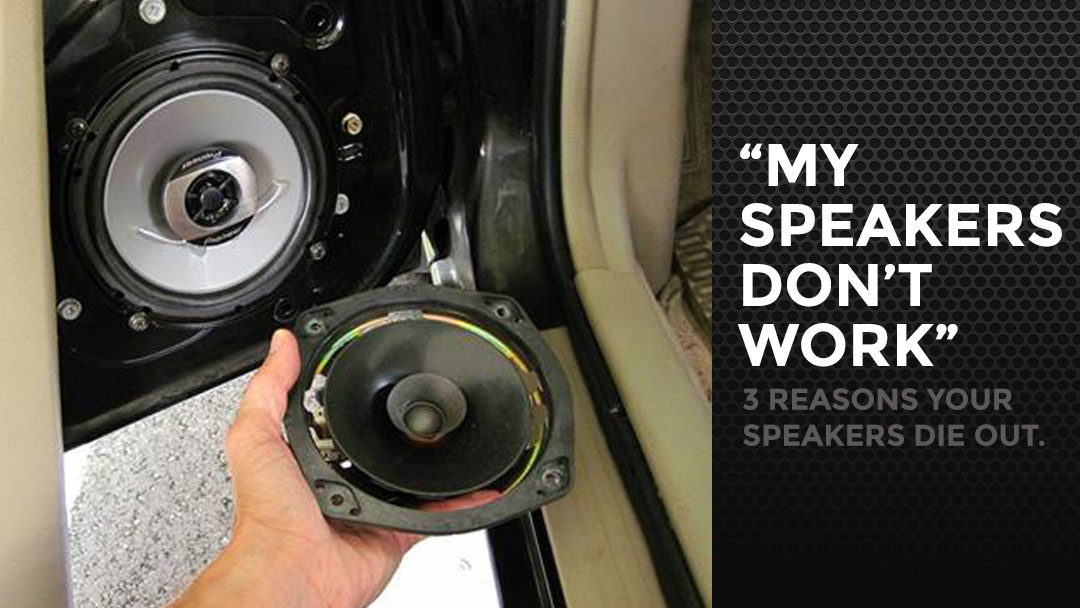
Signs of damaged speakers include buzzing, rattling, or distorted sound. If music doesn’t sound clear or bass is weak, your speakers may need replacement.
Knowing what speakers are in your car opens a world of better sound and easier upgrades. Whether you’re happy with factory speakers or planning an upgrade, understanding your audio system helps you make smarter choices and enjoy your ride more.