Can Any Speaker Be Used As a Subwoofer for Car? Expert Guide
You’re driving down the road, and your favorite song comes on. But the music just doesn’t have that deep, rich bass you crave. You might wonder, “Can I use any speaker as a subwoofer for my car?” Many car audio enthusiasts have asked this question, hoping to save money or repurpose old speakers. The answer is more complex than it seems. In this guide, you’ll discover what makes a subwoofer unique, why not every speaker is up to the job, and how to achieve the best bass in your car.
What Makes A Subwoofer Different From Other Speakers?
People often confuse subwoofers with regular speakers, but they serve very different roles in your car’s audio system. A subwoofer is designed to produce low-frequency sounds, typically from 20 Hz to 200 Hz. These deep bass notes add power and depth to music, making your listening experience feel immersive.
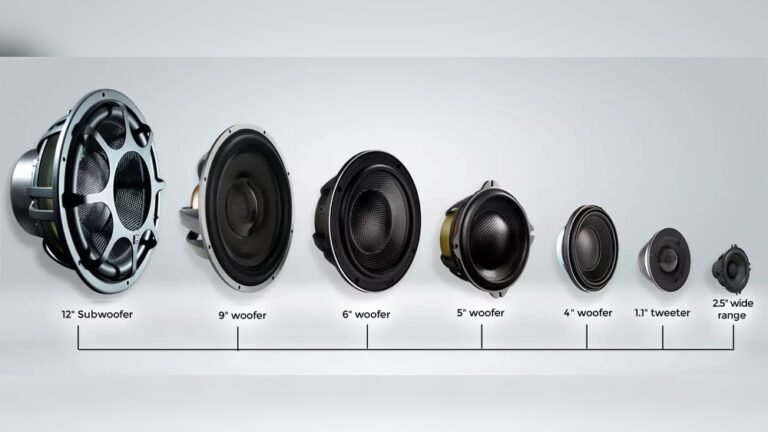
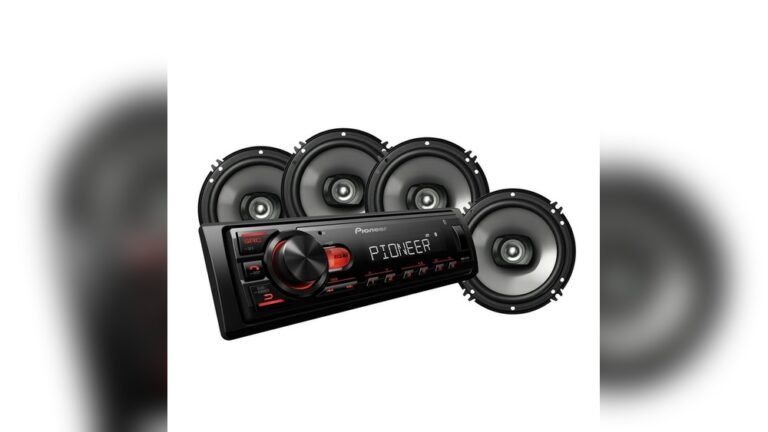
Regular speakers, like coaxial or component speakers, are built to handle a wide range of frequencies, including vocals and higher notes. They can play some bass, but not with the strength or clarity of a true subwoofer. Subwoofers have larger cones, stronger magnets, and more robust construction. These features help them move more air, which is necessary for creating deep bass.
You might notice that subwoofers are physically bigger than most car speakers. This size isn’t just for show—it’s essential for handling big bass vibrations. If you try to use a small or mid-sized speaker as a subwoofer, you’ll likely end up with weak bass, distortion, or even a blown speaker.
Understanding Speaker Types And Their Roles
Before you decide to use any speaker as a subwoofer, it helps to understand the main types of speakers in a car audio system:
- Full-range (coaxial) speakers: These combine a woofer and a tweeter, covering both low and high frequencies.
- Component speakers: These separate the woofer and tweeter for better sound quality.
- Midrange speakers: Designed to handle the middle part of the frequency spectrum.
- Tweeters: Specialize in high-frequency sounds.
- Subwoofers: Focus only on the lowest frequencies.
Each type is built with a specific role in mind. Using the wrong type for bass can lead to poor audio performance and even damage.
Can Any Speaker Be Used As A Subwoofer For A Car?
The short answer is no. While you can technically connect any speaker to a subwoofer output, most speakers are not designed to play very low bass. Here’s why:
- Speaker size matters: Subwoofers are usually 8 to 15 inches in diameter. Smaller speakers (like 4″, 5.25″, or 6.5″) can’t move enough air for strong bass.
- Construction differences: Subwoofers use heavier cones, larger voice coils, and stronger magnets.
- Power handling: Subwoofers can handle more power without distorting or breaking.
If you use a standard speaker as a subwoofer, you risk distorted sound and shortened speaker life. The experience will be disappointing, especially if you love bass-heavy music.
Speaker Comparison Table
Here’s a side-by-side look at how different speakers compare for bass performance:
| Speaker Type | Size Range (inches) | Frequency Range (Hz) | Suited for Subwoofer Use? |
|---|---|---|---|
| Full-range | 4–6.5 | 60–20,000 | No |
| Midrange | 3–6.5 | 250–5,000 | No |
| Tweeter | 0.5–2 | 2,000–20,000 | No |
| Subwoofer | 8–15 | 20–200 | Yes |
Why Subwoofers Are Built For Bass
Subwoofers are not just bigger—they’re engineered for a different job. Here’s what sets them apart:
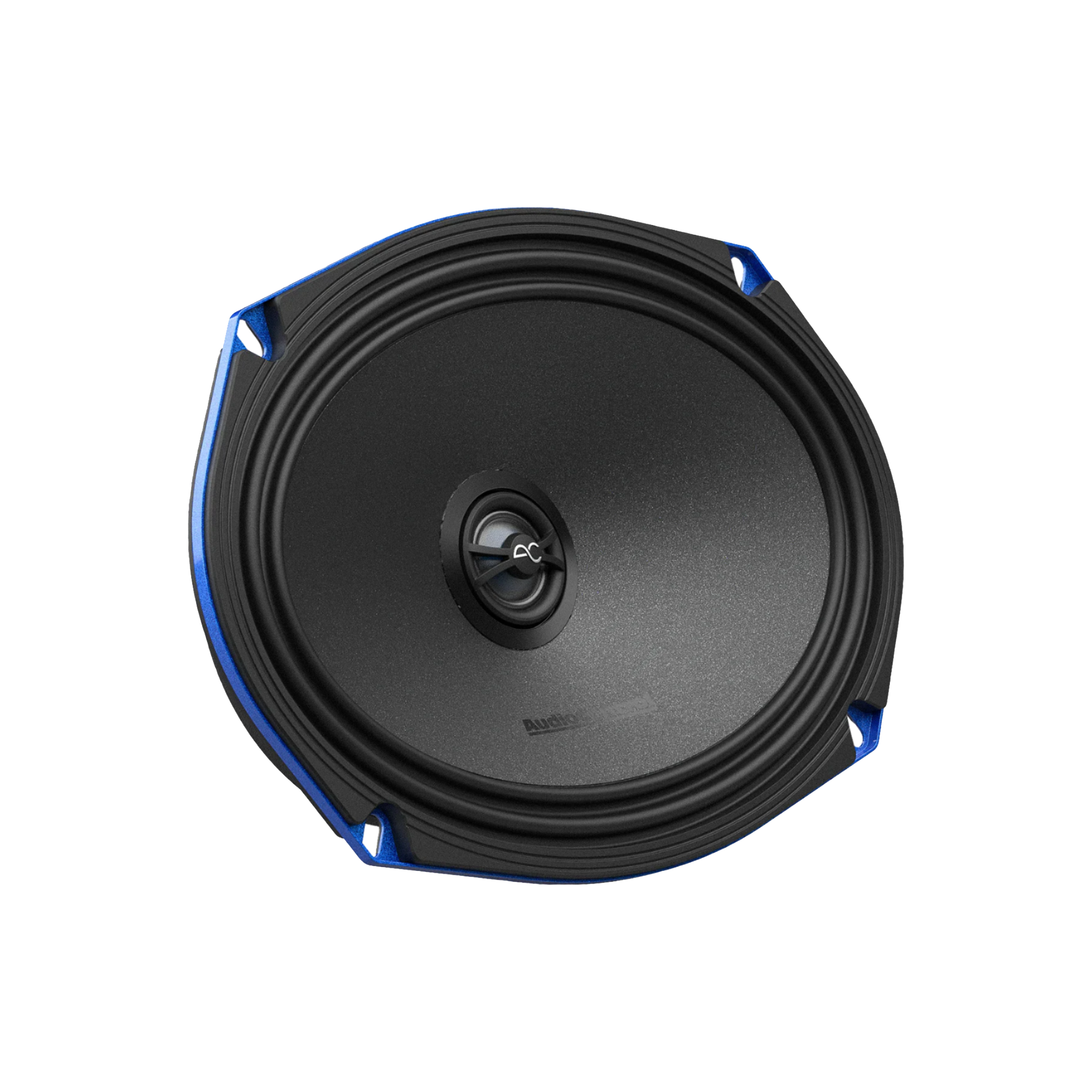
- Large cones: Move more air, which is needed for low-frequency sound waves.
- Stiff suspensions: Prevent the cone from moving too far and causing damage.
- Heavy magnets: Control the cone movement for accurate bass.
- Vented enclosures: Enhance bass output and protect the speaker.
A regular speaker may sound okay at low volumes, but turn it up and it will quickly distort. Subwoofers can handle the power and movement needed for clean, loud bass.
Credit: audiocontrol.com
Common Mistakes When Trying To Use Regular Speakers As Subwoofers
Many people try to save money by using old or spare speakers for bass. This usually leads to problems:
- Distortion: Regular speakers can’t handle low frequencies at high volume. The sound becomes muddy.
- Speaker damage: Too much bass can tear the cone or burn the voice coil.
- Poor bass response: The bass will sound weak or “thin,” lacking the punch and rumble of a real subwoofer.
- Amplifier mismatch: Subwoofers require more power. Using the wrong speaker can overload your amp or blow a fuse.
If you want to enjoy music with strong bass, it’s better to invest in a real subwoofer.
How Frequency Range Affects Bass
The frequency range tells you what sounds a speaker can produce. Bass lives in the 20–200 Hz range. Most full-range car speakers start at 60 Hz or higher, missing the deepest bass notes.
Frequency Range Comparison
Here’s how the frequency range for different speakers affects bass:
| Speaker Type | Lowest Frequency (Hz) | Deep Bass Capability |
|---|---|---|
| Full-range | 60 | Limited |
| Subwoofer | 20 | Excellent |
| Midrange | 250 | None |
| Tweeter | 2,000 | None |
If you want to feel the “thump” in hip-hop, EDM, or rock, only a real subwoofer can deliver.
The Role Of Amplifiers And Crossovers
Subwoofers need more power. That’s why car audio systems often use a separate amplifier just for the subwoofer. Regular speakers can’t handle this power and will distort or break.
Crossovers are another important piece. They split the audio signal, sending only bass to the subwoofer and higher frequencies to other speakers. Without a crossover, all speakers get the full signal, leading to distortion.
If you try to use a non-subwoofer speaker for bass, it may get frequencies it can’t handle. This can quickly destroy the speaker.
Can You Modify A Regular Speaker To Use As A Subwoofer?
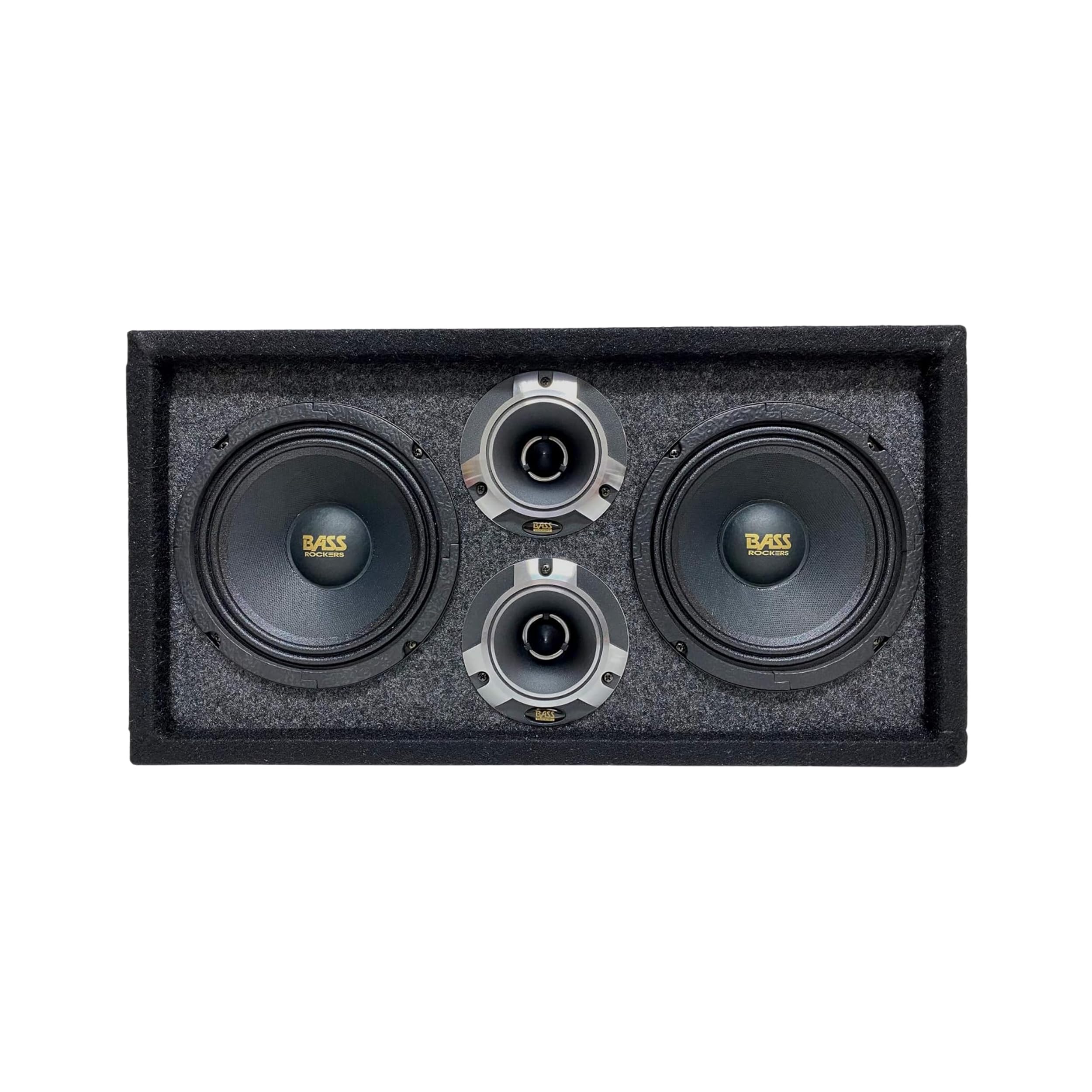
Some people try to “hack” a regular speaker into acting like a subwoofer. They might put it in a box or use an electronic filter to send only bass frequencies. While this can help a little, you’re still limited by the speaker’s size and design.
Here’s what usually happens:
- The speaker can play some bass, but not at high volume.
- The bass is not as deep or powerful as a true subwoofer.
- The speaker wears out faster.
If you’re experimenting for fun, this can be an interesting project. But for real results, a dedicated subwoofer is the best choice.
Credit: www.amazon.com
Real-world Examples: What Happens When You Use The Wrong Speaker
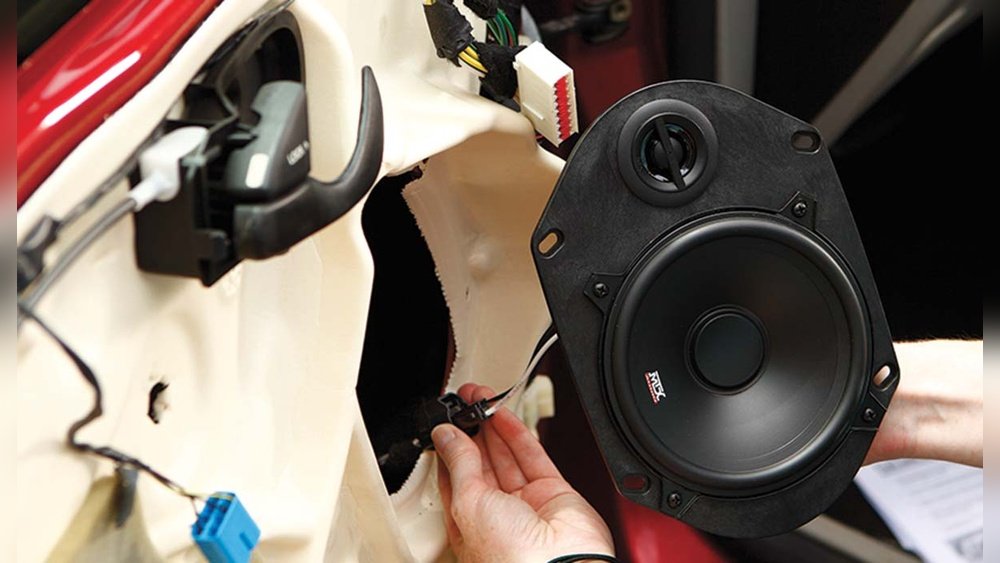
Imagine installing a 6. 5″ door speaker in a subwoofer box and connecting it to a bass amp. At low volume, you’ll hear some bass. But turn it up, and you’ll likely hear a “crackling” sound or even see the cone rip.
Some DIYers report that their repurposed speakers lasted only a few weeks before failing. Even those who used large home speakers in their car found the results underwhelming. Car environments are harsh, and only subwoofers are built to survive the heat, vibrations, and power levels.
Cost Comparison: Subwoofers Vs. Regular Speakers
You might be tempted to save money by using a regular speaker. But the cost of replacing broken speakers adds up. Plus, you’ll never get the sound quality you want.
Let’s compare the average costs:
| Speaker Type | Average Cost (USD) | Expected Lifespan (with bass use) | Bass Quality |
|---|---|---|---|
| Full-range speaker | $30–$80 | 1–2 years (if used for bass) | Poor |
| Subwoofer | $50–$200 | 5+ years | Excellent |
While subwoofers cost more up front, they last longer and deliver far better sound.
When Is It Okay To Use A Non-subwoofer Speaker For Bass?
There are a few rare cases where you might use a different type of speaker for bass:
- Temporary solution: If your subwoofer is broken and you need something until you get a replacement.
- Low-volume listening: If you never play music loud or don’t care about deep bass.
- Experimentation: For DIY projects or learning about audio.
But these are exceptions, not the rule. For most people, a real subwoofer is worth it.
Choosing The Right Subwoofer For Your Car
If you’re ready to upgrade, here’s what matters most:
- Size: Bigger subwoofers (10″, 12″, 15″) produce deeper bass, but need more space.
- Power handling (watts RMS): Match your subwoofer to your amplifier’s output.
- Sensitivity: Higher sensitivity means more volume with less power.
- Impedance (ohms): Make sure your amp and subwoofer work together.
- Enclosure type: Sealed boxes give tight bass, ported boxes are louder.
Don’t just buy the biggest subwoofer you can find. Consider your car’s space, your music taste, and your budget.
Common Buyer Mistakes
- Ignoring enclosure type: The box affects bass as much as the subwoofer itself.
- Underpowering or overpowering: Match your amp and subwoofer for the best sound.
- Choosing size over quality: A quality 10″ subwoofer often sounds better than a cheap 15″.

Credit: www.amazon.com
Practical Steps: How To Add A Subwoofer The Right Way
- Choose your subwoofer: Pick the right size and power for your needs.
- Select an enclosure: Sealed for tight bass, ported for louder bass.
- Pick an amplifier: Make sure it matches your subwoofer’s power and impedance.
- Install a crossover: To send only bass to the subwoofer.
- Wire everything safely: Use quality cables and follow your car’s wiring diagram.
- Tune your system: Adjust the amp and crossover for clean sound.
If you’re not comfortable with car electronics, consider professional installation.
Two Insights Most Beginners Miss
1. Subwoofer placement matters. Putting the subwoofer in the wrong spot (like facing the wrong way or blocking it with luggage) can kill your bass. Test different positions in your car to find the best sound.
2. Sound deadening improves bass. Adding material like foam or matting to your car’s doors and trunk reduces vibrations and rattles, making your bass sound cleaner and deeper.
The Bottom Line: Should You Use Any Speaker As A Subwoofer?
Using any speaker as a subwoofer in your car is a recipe for disappointment. Regular speakers can’t handle deep bass, and trying to force them will lead to weak sound and possible damage. Subwoofers are designed for this job, and investing in one will make your music sound dramatically better.
If you want to learn more about how speakers work and the science behind bass, you can check the Wikipedia subwoofer page for deeper reading.
Frequently Asked Questions
Can I Use A Home Theater Speaker As A Subwoofer In My Car?
Home theater speakers are not designed for the heat, vibration, or power levels found in cars. Their enclosures and drivers are made for indoor use. If you try, the speaker may work for a short time at low volume, but you risk damaging it and you won’t get the deep bass you expect.
What Happens If I Connect A Small Speaker To A Subwoofer Amplifier?
A small speaker will likely distort or break when connected to a powerful subwoofer amp. The cone may move too far and tear, or the voice coil may overheat. Small speakers are not built for the stress of low-frequency, high-power audio.
Is It Safe To Remove The Crossover And Send All Frequencies To My Speakers?
No. Crossovers protect your speakers by sending only the frequencies they can handle. Without a crossover, tweeters and midrange speakers will receive bass they can’t play, which can quickly destroy them.
How Can I Tell If A Speaker Is Suitable For Bass?
Look for the frequency response rating on the speaker’s box or datasheet. If the lowest frequency is 20–40 Hz, it’s likely a subwoofer. Also, check the size (8″ or bigger is best) and power handling (high RMS watts). If it’s labeled as a “woofer” or “subwoofer,” it’s designed for bass.
Are Powered Subwoofers A Good Option For Cars?
Yes, powered subwoofers (with a built-in amp) are great for saving space and simplifying installation. They often fit under seats or in the trunk. While they may not be as powerful as large separate subs, they’re a big upgrade over regular speakers for bass.
The world of car audio can be confusing, but getting the right subwoofer will transform your music. If you want deep, strong bass, stick with gear built for the job—you’ll hear and feel the difference every time you drive.