Why Does My Subwoofer Make a Popping Noise: Quick Fixes Revealed
Is your subwoofer making a popping noise that’s ruining your listening experience? You’re not alone, and it’s a frustrating problem that can happen for several reasons.
Whether you’re blasting your favorite tracks or just playing music at moderate volume, that unexpected pop can make you worry about damage or faulty equipment. But don’t panic just yet. Understanding why your subwoofer pops can help you fix the issue quickly and get back to enjoying deep, powerful bass without interruptions.
Keep reading to discover the most common causes of popping noises from your subwoofer and simple steps you can take to solve the problem today.

Credit: ghurairproperties.com
Common Causes
Subwoofers can produce popping noises for several common reasons. These issues often affect sound quality and the device’s lifespan. Understanding the causes helps you fix the problem quickly. The most frequent reasons include mechanical problems, wiring faults, and amplifier issues.
Each cause triggers a different type of pop or click. Some are simple to repair, while others may need professional help. Here are the usual suspects behind subwoofer popping noises.
Mechanical Damage
Mechanical damage happens when the subwoofer cone hits the frame or magnet. This occurs if the cone moves too far during loud bass hits. Such impacts cause sharp popping or clicking sounds. Physical damage may also result from worn or torn speaker parts. This type of damage often needs part replacement.
Amplifier Clipping
Amplifier clipping happens when the amplifier tries to output more power than it can handle. This pushes the speaker beyond its limits, causing distortion and popping sounds. Clipping can damage the subwoofer over time. Reducing volume or adjusting settings helps prevent this issue.
Loose Wiring
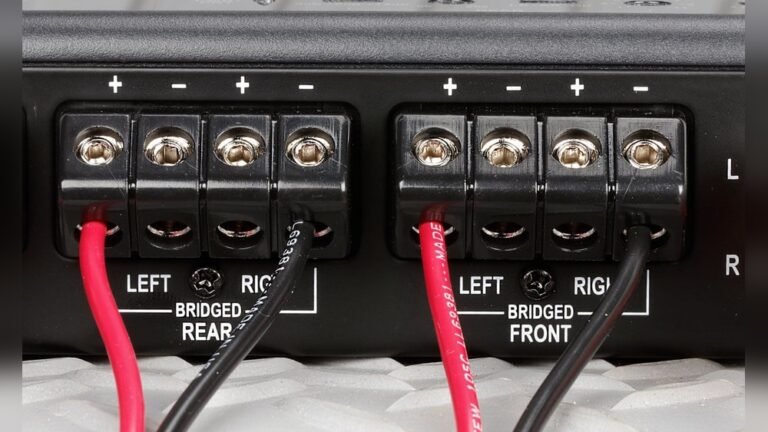
Loose wiring causes intermittent connections inside the subwoofer system. Wires that aren’t securely attached may create popping noises. This problem can happen with speaker wires, power cables, or ground wires. Checking and tightening all connections often solves the problem.
Faulty Components
Faulty components inside the subwoofer or amplifier can cause popping sounds. Damaged capacitors, resistors, or coils may fail to process sound signals properly. Faulty parts often need replacement by a technician. Regular maintenance can help spot these issues early.
Gain Setting Issues
Incorrect gain settings can lead to popping noises. Setting the gain too high causes the amplifier to overload and distort sound. Too low gain causes weak output and noise. Adjusting the gain to match the amplifier and subwoofer ensures clean sound without popping.
Electrical Failures
Electrical failures include problems with power supply or grounding. Poor grounding causes electrical noise and pops in the subwoofer. Faulty power cables or interference from other devices can also cause popping. Ensuring proper grounding and clean power helps reduce these noises.
Signs Of Damage
Noticing a popping noise from your subwoofer could mean it has some damage. Recognizing these signs early helps avoid further issues. Damage often shows through strange sounds and unusual behavior. Understanding these clues lets you decide if repair or replacement is needed.
Below are common signs that point to subwoofer damage. Each sign reveals a different problem affecting sound quality and performance.
Locked Cone Movement
A healthy subwoofer cone moves smoothly. If the cone feels stuck or locked in place, it indicates damage. This can happen if the cone’s suspension or voice coil is broken. A locked cone stops the subwoofer from producing proper bass sounds.
Scratchy Sounds
Scratchy noises when the subwoofer plays or when you press on the cone suggest damage. This often means the voice coil is rubbing against the magnet or the cone surround is torn. Scratchy sounds lower audio clarity and can worsen over time.
Erratic Popping
Popping noises that come and go during playback show unstable subwoofer operation. This erratic popping points to loose wiring or damaged internal components. Such issues cause inconsistent sound output and can harm the amplifier.
Sound During Power Cycles
Hearing pops when turning the subwoofer on or off signals electrical problems. These sounds may come from faulty capacitors or poor grounding. Power cycle noises can also indicate amplifier stress or aging parts within the subwoofer system.
Quick Fixes
Quick fixes can often solve the popping noise from your subwoofer fast. These simple steps help you identify and fix common issues. You can try these at home without special tools or skills. Start with easy checks before considering professional repair.
Tighten Connections
Loose wires cause poor signal flow and create popping sounds. Check all speaker wires and power cables. Tighten any loose connections on the subwoofer and amplifier. Secure connections reduce electrical noise and improve sound quality.
Check Grounding
Poor grounding leads to electrical interference and noise. Make sure the subwoofer and amplifier share a good ground point. Use a metal part of the car chassis or a grounding wire. Proper grounding stops unwanted popping caused by voltage spikes.
Inspect Subwoofer Cone
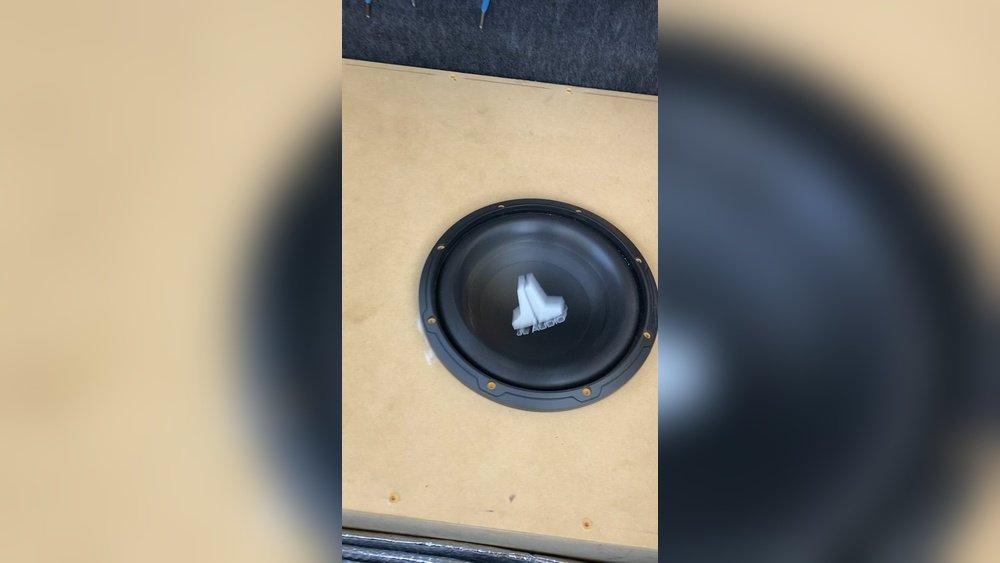
Look closely at the subwoofer cone for tears or damage. A damaged cone can cause popping or distortion. Press gently on the cone to feel for stiffness or scraping sounds. Replace the cone if you find physical damage to restore clean sound.
Replace Rca Cables
Old or damaged RCA cables can cause signal interruptions. Swap out the cables with new, shielded ones. Shielded cables block interference that causes popping noises. Using good-quality RCA cables ensures a steady audio signal.
Adjust Amplifier Gain
High amplifier gain causes clipping and popping sounds. Lower the gain setting on your amplifier slightly. Adjust it until the popping stops but volume stays clear. Proper gain prevents distortion and protects your subwoofer from damage.
Preventive Tips
Preventing your subwoofer from making popping noises helps protect its performance and lifespan. Simple steps can reduce stress on its parts and avoid common faults. These preventive tips keep the sound clean and clear. They improve your listening experience and save repair costs.
Avoid Overdriving
Playing music too loud causes the subwoofer cone to hit its limits. This impact creates popping sounds and can damage the speaker. Keep volume levels moderate to prevent stress on the subwoofer. Use a limiter or gain control to avoid pushing the amplifier too hard. Overdriving leads to clipping, which causes electrical distortion and pops.
Proper Installation
Correct setup reduces risks of noise and damage. Ensure all wires connect tightly and ground the subwoofer properly. Loose connections cause crackling and popping noises. Place the subwoofer in a stable, vibration-free location. Avoid placing it near sources of electrical interference. Secure mounting prevents physical impacts that can harm the cone.
Regular Maintenance
Check the subwoofer and its components often. Look for loose wires, worn parts, or dirt buildup. Clean contacts and connectors to maintain good electrical flow. Test the subwoofer at low volume before heavy use. Early detection of issues stops popping noises from worsening. Regular care extends the life of your subwoofer.
Use Quality Components
Choose amplifiers, cables, and subwoofers from trusted brands. Low-quality parts often cause electrical faults and noise. Good components match well and handle power safely. Invest in reliable wiring with proper insulation and connectors. High-grade equipment reduces the chance of popping sounds and improves overall sound quality.
When To Seek Professional Help
Knowing when to seek professional help for your subwoofer is important. Some problems need expert attention to avoid further damage. Minor issues might be fixed at home, but persistent or complex problems require a technician.
Ignoring serious symptoms can lead to expensive repairs or replacing the subwoofer. A professional can diagnose and fix issues safely and effectively. Here are signs that show it is time to get help.
Persistent Popping
Subwoofers occasionally pop during heavy bass. But if the popping noise happens often, it signals a problem. Persistent popping can damage internal parts. It may also affect sound quality and your listening experience. A technician can find the root cause and stop the noise for good.
Internal Component Damage
Internal damage can cause popping and other issues. The subwoofer’s voice coil or cone might be damaged. Loose wires or broken solder joints also lead to noise. These faults require opening the subwoofer and replacing parts. Professionals have the tools and knowledge to repair internal damage safely.
Amplifier Repairs
The amplifier powers the subwoofer and can cause popping sounds. Faulty capacitors or wiring inside the amplifier can create electrical noise. Sometimes, the amplifier clips or overheats, causing the pops. Repairing amplifiers needs special skills. Professionals can test, fix, or replace amplifier components to restore clean sound.
Credit: www.youtube.com

Credit: www.youtube.com
Frequently Asked Questions
What Are The Signs Of A Blown Sub?
Signs of a blown subwoofer include distorted or crackling sound, no sound output, and a cone that won’t move or moves irregularly. You may also hear popping noises or notice physical damage like a torn cone or damaged voice coil.
Why Does My Subwoofer Make A Thump Sound?
A subwoofer thumps due to overdriving, causing the cone to hit its frame. Loose wires, poor grounding, or amplifier clipping also cause thumping. Check connections, gain settings, and internal components for damage or faults to fix the issue.
What Is The Popping Sound On The Bass?
The popping sound on bass usually comes from overdriving the subwoofer, loose wires, or amplifier clipping. It may also result from mechanical damage or faulty internal components. Check connections, grounding, and amplifier settings to prevent popping noises.
Why Is My Subwoofer Making A Popping Sound When Not In Use?
Your subwoofer pops when idle due to electrical interference, loose wiring, or faulty amplifier capacitors. Check power connections and grounding.
Conclusion
A popping noise from your subwoofer signals a problem that needs fixing. Common causes include overdriving, loose wires, or amplifier issues. Regularly check connections and avoid playing at extreme volumes. Proper care helps your subwoofer last longer and perform better.
Don’t ignore popping sounds—they can damage your system over time. Simple maintenance keeps your bass clear and strong. Stay attentive to these signs for the best audio experience.