What Do Tweeters Do in a Car Stereo? Essential Functions Explained
Car audio can be confusing for many people. When you sit inside a car and enjoy your favorite music, you may not think about what creates that crisp sound. One part that plays a special role is the tweeter. These small speakers may look simple, but they do something very important in a car stereo system. If you have ever wondered why your music sounds clear, or why you can hear the high notes, it’s often because of the tweeters.
In this article, you will learn exactly what tweeters do in a car stereo. You will discover how they work, why they matter, and how they compare with other speakers. We will also look at common mistakes, tips for choosing tweeters, and answer the questions most car owners have.
If you want better sound in your car or just want to know more about audio, this guide will help you understand tweeters completely.
What Is A Tweeter In A Car Stereo?
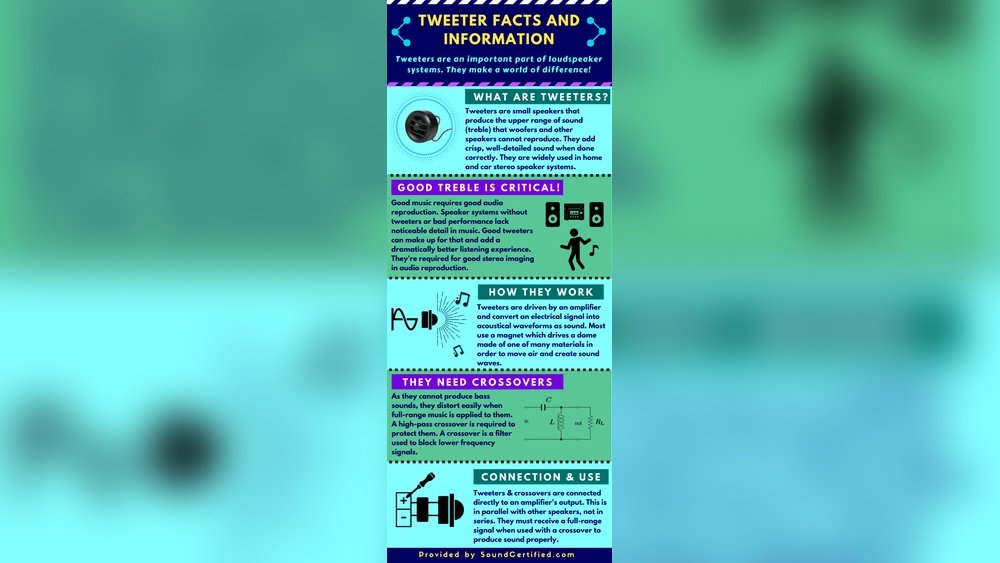
Tweeters are a type of loudspeaker designed to produce high-frequency sounds. In a car stereo system, they handle the treble or high notes—like the sharp sound of cymbals, the detailed voice of a singer, or the whistle in a song. Regular car speakers, called woofers, focus on mid and low sounds. Without tweeters, your music would sound flat and lifeless.
A typical tweeter is small, usually between 0. 5 to 1. 5 inches in diameter. This size helps them move very quickly, which is needed to create high-pitched sounds. They are usually installed in the dashboard, door panels, or A-pillars (the frame between the door and windshield).
Their position helps direct high sounds toward your ears.
How Tweeters Work
Tweeters use a simple but clever design. Inside, a small diaphragm (often a dome or cone) moves back and forth very fast. An electric signal from the car stereo makes this diaphragm vibrate. Because the diaphragm is light and small, it can vibrate thousands of times per second.
This creates high-frequency sound waves.
For example, a tweeter might handle frequencies from 2,000 Hz to 20,000 Hz. The human ear can usually hear up to 20,000 Hz, but most adults hear up to about 16,000 Hz. Tweeters cover this upper range, making music sound rich and complete.
Without them, you would miss the sparkle and detail in songs.
The Role Of Crossovers
Tweeters do not work alone. In a car stereo, a crossover is used to split the music signal into parts. The crossover sends high frequencies to the tweeters and lower frequencies to the woofers or subwoofers. This keeps each speaker working in its best range. If you send low sounds to a tweeter, it can get damaged because it is not built for that job.
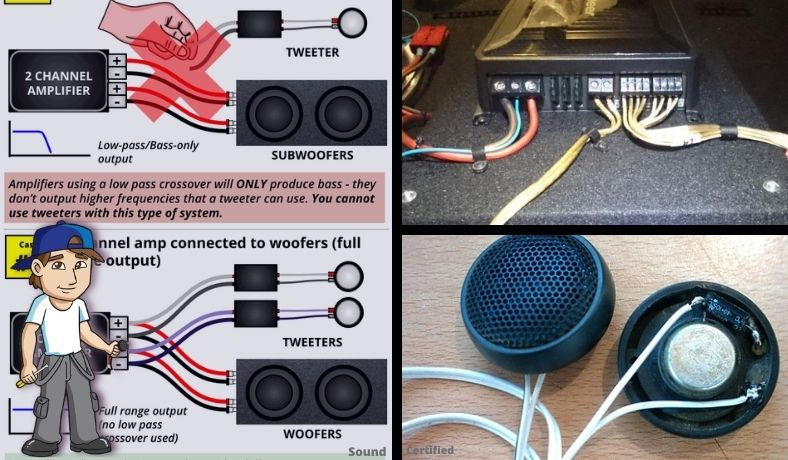
Credit: soundcertified.com
Why Tweeters Matter In Car Audio
Tweeters make a big difference in how music sounds. Here’s why they are so important:
- Clarity and Detail: Tweeters add sharpness to music. Without them, instruments like violins, flutes, and hi-hats would sound dull.
- Soundstage: Good tweeters help create a “stage” effect, where you feel like the music is happening in front of you, not just coming from the speakers.
- Balance: By handling the high notes, tweeters let other speakers focus on mid and low sounds. This creates a full, rich sound.
- Directionality: High frequencies are more directional. Tweeters can be aimed to make sure you hear all parts of the music clearly, no matter where you sit.
Example: Listening To A Song
Think of a pop song. The singer’s voice, the cymbals, and the details in the background are all in the high range. If your car only had woofers, you would hear the beat and bass, but the voice and details would be hard to hear.
Tweeters make those important sounds stand out.
Types Of Tweeters In Car Stereos
There are several types of tweeters, each with its own sound and benefits. Here are the main types you will find in car audio:
- Dome Tweeters: The most common type. They have a soft or hard dome shape made from materials like silk, aluminum, or titanium. Dome tweeters give a wide sound and work well in most cars.
- Cone Tweeters: These look like mini woofers. They are cheaper and found in basic car audio systems. They do the job but are not as detailed as dome tweeters.
- Piezo Tweeters: Use a special material that changes shape when electricity passes through. They are very durable and handle high power but can sound harsh.
- Ribbon Tweeters: Use a thin metal ribbon instead of a dome or cone. They are very clear and detailed but are more expensive and delicate.
- Super Tweeters: Go beyond the normal hearing range (over 20,000 Hz). These are used in high-end systems to add extra sparkle.
Material Comparison
The material of the tweeter affects how it sounds. Here is a comparison:
| Material | Sound Quality | Durability | Cost |
|---|---|---|---|
| Silk | Warm, smooth | Good | Medium |
| Aluminum | Bright, crisp | Very good | Medium-High |
| Titanium | Clear, strong | Excellent | High |
| Plastic | Basic, flat | Average | Low |
How Tweeters Compare To Other Car Speakers
Many car owners confuse tweeters with other speakers. Here’s how they differ:
- Woofers: Handle mid and low frequencies (bass, drums, deep vocals). Much larger than tweeters.
- Midrange Speakers: Focus on the middle part of sound (guitar, piano, most voices). Slightly bigger than tweeters.
- Subwoofers: Built for very low sounds (deep bass), usually in the trunk or under seats.
Here’s a quick comparison of frequency ranges:
| Speaker Type | Frequency Range (Hz) | Size (inches) |
|---|---|---|
| Tweeter | 2,000 – 20,000 | 0.5 – 1.5 |
| Midrange | 250 – 2,000 | 3 – 4 |
| Woofer | 40 – 1,000 | 5 – 8 |
| Subwoofer | 20 – 200 | 8 – 15 |
Where Are Tweeters Placed In Cars?
The position of tweeters affects how well they work. Here are the most common places:
- Dashboard: Many cars have tweeters in the upper dashboard, facing the windshield. This helps spread sound around the car.
- A-pillars: Some high-end systems put tweeters in the A-pillars. This directs sound toward your ears.
- Door panels: Tweeters are often installed near the woofers in the doors. This keeps all sounds coming from a similar place.
- Sail panels: The small area near the side mirrors is another spot for tweeters.
- Custom locations: In custom setups, tweeters might be placed in the headliner or near the rear seats.
Why Placement Matters
High-frequency sounds are very directional. That means you need to point the tweeters toward where people are sitting. If tweeters are aimed at your knees or blocked by seats, you lose clarity. This is why professional installers spend time choosing the best spot and angle for tweeters.
How Tweeters Improve The Listening Experience
A car is a tough place for good sound. There is noise from the engine, road, and wind. The inside is small and filled with hard surfaces. Tweeters help in several ways:
- They cut through noise: High sounds are less affected by road noise. With good tweeters, details are easier to hear.
- They create a balanced mix: By splitting sound into parts, tweeters and woofers work together. This gives you strong bass and clear highs.
- They make music more exciting: The “sparkle” in a song comes from the highs. Tweeters make the music feel alive and energetic.
Example: Classical Vs. Rock Music
- For classical music, you hear more details in violins, flutes, and piano.
- For rock music, the cymbals and guitar solos sound sharp and exciting.
How To Choose The Right Tweeters For Your Car
Picking the right tweeter is not just about price. Here’s what you need to know:
- Type of Tweeter: Dome tweeters are the most popular. If you want something special, consider ribbon or super tweeters.
- Material: Choose silk for a warm sound, metal for a bright sound.
- Power Handling: Make sure the tweeter can handle your stereo’s power. Too much power can blow the tweeter.
- Sensitivity: Higher sensitivity means the tweeter can play loud with less power. This is good for smaller stereos.
- Size and Fit: Check the size of the tweeter and your car’s mounting space. Not all tweeters will fit in all cars.
- Crossover Included: Some tweeters come with a crossover. This is important for protecting the tweeter.
- Brand and Reviews: Brands like JBL, Pioneer, and Alpine are well-known. Look for reviews from real users.
Common Buying Mistakes
- Choosing the wrong size: Not all tweeters fit all cars. Check before buying.
- Ignoring crossovers: Without a crossover, you can damage your tweeters.
- Mixing materials: Combining very bright tweeters with bright speakers can make the sound harsh.
- Buying cheap, low-quality tweeters: These may distort or break quickly.
How To Install Tweeters In A Car Stereo
Installing tweeters can be simple or complex, depending on your car and stereo. Here’s a step-by-step guide:
- Check your car’s speaker system: Find out if you already have tweeters or if you need to add new spots.
- Disconnect the battery: This keeps you safe from electric shocks.
- Mount the tweeters: Use the factory spot, or make a new hole with a custom mount. Make sure the tweeter faces the listener.
- Connect the crossover: Wire the crossover between the stereo and the tweeter. This sends the right frequencies to each speaker.
- Run the wires: Hide the wires under panels so they don’t get damaged.
- Test the sound: Reconnect the battery, play music, and listen. Make sure the highs are clear but not harsh.
Installation Tips
- Keep the tweeter close to the woofer for a balanced sound.
- Use high-quality wire for better reliability.
- If unsure, ask a professional installer.
How Tweeters Affect The Overall Car Stereo System
Tweeters do not just add high sounds. They change the whole sound system:
- They allow higher volume without distortion: Each speaker only plays the sounds it is best at, so the system can play louder and clearer.
- They protect other speakers: By handling high notes, tweeters keep woofers and subwoofers safe.
- They open up upgrade options: If you want to improve your sound system, adding better tweeters is a smart first step.
Example: Upgrading Your System
Many car owners notice a huge improvement just by adding or upgrading tweeters. The sound becomes clearer, and you hear parts of music you never noticed before. For those who love sound quality, this is often the most cost-effective upgrade.
Common Problems With Car Tweeters
Even good tweeters can have issues. Here are some problems and how to fix them:
- Distortion at High Volume: If the tweeter sounds fuzzy, it may be getting too much power or the wrong frequencies. Check your crossover.
- No Sound from Tweeter: This could be a wiring problem, a blown tweeter, or a failed crossover.
- Harsh or Tinny Sound: The tweeter may be too bright for your car. Try changing the angle or using a different material.
- Rattling or Buzzing: Loose mounting or damaged tweeter. Reinstall or replace as needed.
- Unbalanced Sound: If highs are too strong or weak, adjust the stereo’s EQ or move the tweeter.
Practical Troubleshooting
- Always check connections first.
- Swap the left and right tweeters. If the problem moves, it is the tweeter. If not, check the wiring or crossover.
- Never run a tweeter without a crossover.
Advanced Tweeter Features And Technologies
Car audio keeps improving. Some tweeters now have advanced features:
- Swivel Mounts: Let you aim the tweeter for better sound.
- Flush or Surface Mounting: Choose between hiding the tweeter or showing it off.
- Bi-amping: Some high-end systems use separate amplifiers for tweeters and woofers.
- Active Crossovers: Electronic crossovers give more control over sound.
Example: Swivel Mount
A swivel mount lets you point the tweeter toward your ears. This is helpful if you sit low in the car or have an unusual dash shape.

Credit: www.amazon.com
Myths And Misunderstandings About Tweeters
There are some common myths about tweeters:
- Myth 1: Tweeters are not important unless you have a big stereo.
Truth: Even basic systems sound better with good tweeters.
- Myth 2: Tweeters make music louder.
Truth: Tweeters add detail, not volume. They make the highs more clear, not just louder.
- Myth 3: All tweeters sound the same.
Truth: The type, material, and placement of the tweeter change the sound a lot.
- Myth 4: Tweeters are hard to install.
Truth: Many tweeters are plug-and-play. Some need custom work, but many car owners can upgrade at home.
Real-world Data: Tweeter Use In Car Audio
Car audio is a big business. Here are some facts:
- Over 90% of new cars have tweeters, according to the Car Audio Manufacturers Association.
- Most factory systems use dome tweeters made from silk or plastic.
- Aftermarket tweeters can improve sound by up to 30% in clarity and detail, based on user reviews and tests.
- Sales of car audio upgrades, including tweeters, reached over $1.5 billion in the US in 2023.
Tweeters are not just for car lovers. Even everyday drivers notice a better experience with good tweeters.
The Future Of Tweeters In Car Audio
Tweeter technology is still changing. Some new trends include:
- Smart tweeters: These use digital processing to adjust sound for each passenger.
- Wireless systems: Tweeters that do not need wires, making installation easier.
- Eco-friendly materials: Companies are now using recycled plastics and metals.
- Integration with voice assistants: Some systems use tweeters for clearer voice commands.
As cars become smarter, tweeters will play a bigger role in both music and voice control.
Frequently Asked Questions
What Frequencies Do Tweeters Handle In A Car Stereo?
Tweeters usually handle frequencies from about 2,000 Hz to 20,000 Hz. This is the upper end of what humans can hear. Some special tweeters, called super tweeters, go even higher.
Can I Add Tweeters To My Factory Car Stereo?
Yes, you can add tweeters to most factory systems. You may need a crossover and a place to mount them. Many car owners add tweeters for better sound without changing the whole system.
Do Tweeters Need Their Own Amplifier?
Usually, tweeters get enough power from your car stereo. In high-end systems, you can use a separate amplifier for more control and volume. Most people use the same amp for all speakers, with a crossover to split the signal.
How Can I Tell If My Tweeter Is Blown?
A blown tweeter may make no sound or sound very weak and distorted. If you hear rattling, buzzing, or have lost all high notes, the tweeter may be damaged. Always check the wiring first.
Are Expensive Tweeters Always Better?
Not always. More expensive tweeters often use better materials and sound clearer, but the best choice depends on your car, your music, and your budget. Try to listen before you buy, and check reviews on sites like Crutchfield.
Car audio is all about enjoying your drive. Tweeters are a small part of the system, but they have a big effect on how music feels. Whether you want to upgrade your sound or just understand your car better, knowing what tweeters do will help you make smart choices and enjoy every song.
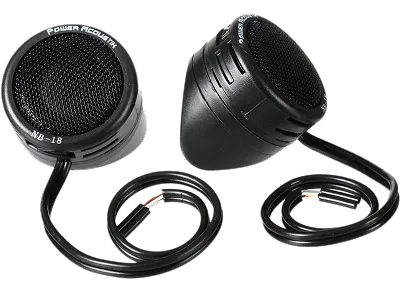
Credit: poweracoustik.com