Can Subwoofers Damage Your Car? Uncover the Surprising Truth
Can Subwoofers Damage Your Car?
Subwoofers can make your car audio system sound powerful and exciting. The deep bass they produce can turn a normal drive into a concert-like experience. But many car owners worry: Can subwoofers damage your car? This is a common question, especially for beginners who are just starting with car audio upgrades. It’s important to understand not only how subwoofers work but also how they might affect your vehicle. Let’s explore the facts, risks, and safe practices for using subwoofers in cars.
What Is A Subwoofer And How Does It Work?
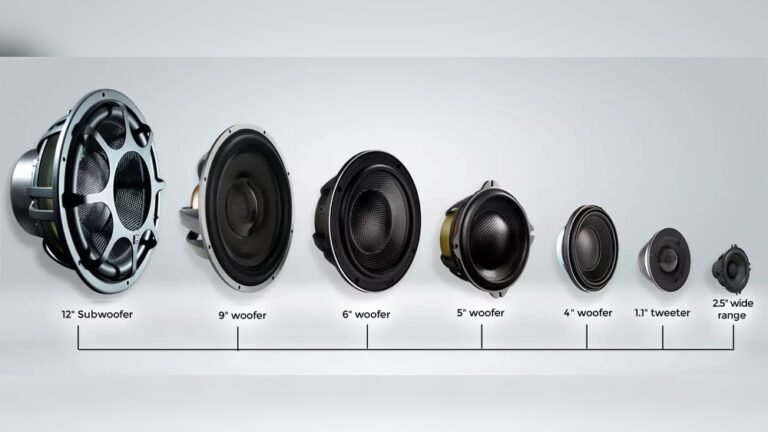
A subwoofer is a speaker designed to play very low-frequency sounds (bass). Most standard car speakers cannot produce deep bass, so people add subwoofers for a richer audio experience.
- Subwoofers usually handle sounds below 100 Hz.
- They require more power than regular speakers.
- They are often installed in the trunk or rear of the car.
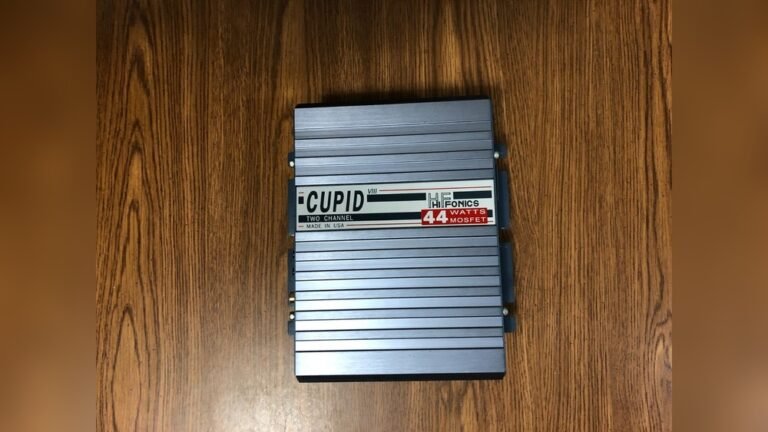
Subwoofers use an amplifier to boost their power. The amplifier draws energy from your car’s battery. This is why some people worry about electrical problems or other damage.
Where Damage Might Happen
Let’s break down the main areas where a subwoofer could potentially cause harm to your car:
- Electrical System – Can affect your battery and alternator.
- Physical Structure – Vibrations may cause rattles or loosen parts.
- Interior Components – Plastic panels or seats may wear out faster.
- Hearing and Comfort – Loud sound pressure can impact passengers.
Each area has its own risks, but with the right setup and use, you can avoid most problems.
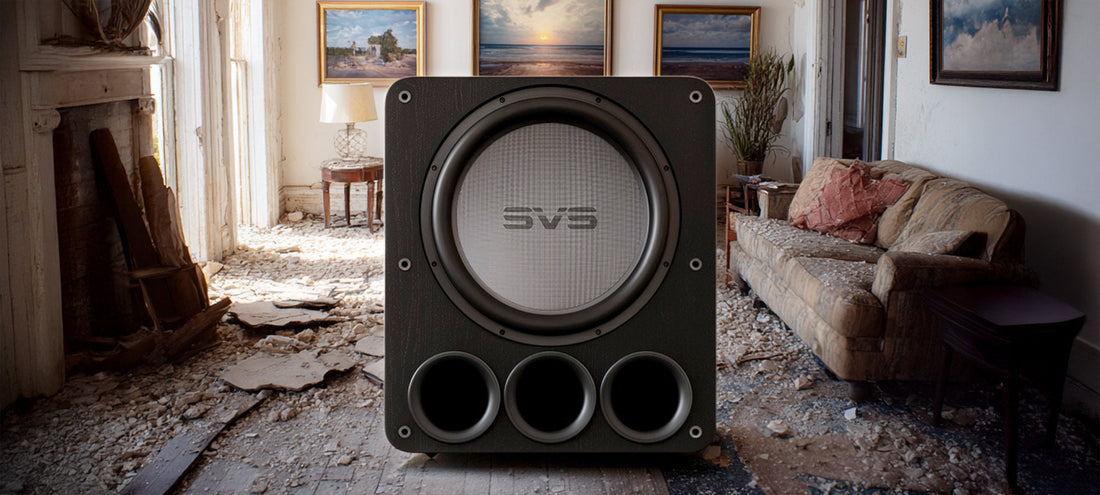
Credit: www.svsound.com
Subwoofers And The Car’s Electrical System
The most common concern is about the car’s battery and alternator. Subwoofers need more power than normal speakers. If not installed correctly, they can:
- Drain the battery quickly, especially when the engine is off.
- Put extra load on the alternator, leading to early failure.
- Cause dimming headlights or flickering dashboard lights.
How Much Power Do Subwoofers Use?
The power a subwoofer system uses depends on its amplifier. Here’s a comparison of typical car audio power needs:
| System Type | Power Draw (Watts) | Impact on Car |
|---|---|---|
| Factory Stereo | 15–30 | Minimal |
| Aftermarket Speakers | 50–200 | Low |
| Single Subwoofer (with amp) | 150–600 | Moderate to High |
| Multiple Subwoofers (with amp) | 600–2000+ | High |
If your subwoofer system uses more than 600 watts, it’s important to check if your battery and alternator can handle the load.
Real-world Example
Suppose you install a 1000-watt amplifier. Running it at high volume for 1 hour with the engine off can drain a typical car battery by 20-40%. If you do this often, the battery’s life will decrease, and you may have trouble starting your car.
Can Subwoofers Damage The Car’s Structure?
Subwoofers create powerful vibrations. These vibrations are strongest at low frequencies and high volumes. Over time, heavy use can affect the car’s physical structure:
- Panels and Trim: Plastic panels may loosen or rattle.
- Windows: Very high sound pressure can cause windows to vibrate.
- Trunk/Hatch: Metal parts in the trunk may start to buzz or flex.
Data On Vibration Damage
It’s rare for subwoofers to cause major structural damage unless you use extreme setups. For example, in SPL (Sound Pressure Level) competitions, some cars use subwoofers that produce over 150 decibels (dB) — enough to break glass or loosen bolts.
For normal users, sound levels are usually between 100–120 dB, which is not enough to damage the car’s main structure but can cause small rattles.
| Sound Level (dB) | Possible Effects |
|---|---|
| 80–100 | Safe, minor vibration |
| 100–120 | Panel rattle, loose screws |
| 120–150+ | Window flex, possible cracks |
Example
If you hear a buzzing sound in your door panel after installing a subwoofer, it’s likely a loose clip or screw. Most of the time, adding sound-deadening material or tightening fasteners solves the problem.
Interior Wear And Tear
Loud subwoofers can affect your car’s interior over time. Here’s what beginners often miss:
- Plastic Pieces: May crack or become loose from repeated vibration.
- Seats and Fasteners: Constant strong bass can loosen bolts or seat rails.
- Dashboard: Items on the dash may move or vibrate.
These issues usually develop slowly. Cars with poor build quality or lots of hard plastic are more likely to show wear. Using bass at reasonable levels helps prevent most problems.
Comfort, Hearing, And Health Concerns
Bass feels good, but too much can cause discomfort or even health issues.
- Hearing Loss: Long-term exposure to high volumes (over 85 dB) can damage hearing.
- Headaches: Extreme bass can cause headaches or a feeling of pressure.
- Fatigue: Driving with loud bass for long periods can tire you out.
The World Health Organization advises keeping recreational noise below 85 dB for long periods. Many subwoofer setups can exceed this, especially in small car cabins.
Installation Mistakes That Lead To Damage
Many problems come from poor installation, not the subwoofers themselves. Here are common mistakes:
- Using undersized wires – Can cause overheating or even fire.
- No fuse near the battery – Increases risk if there’s a short circuit.
- Incorrect grounding – Leads to electrical noise or battery drain.
- Poor mounting – Subwoofer or amp can move and damage interior.
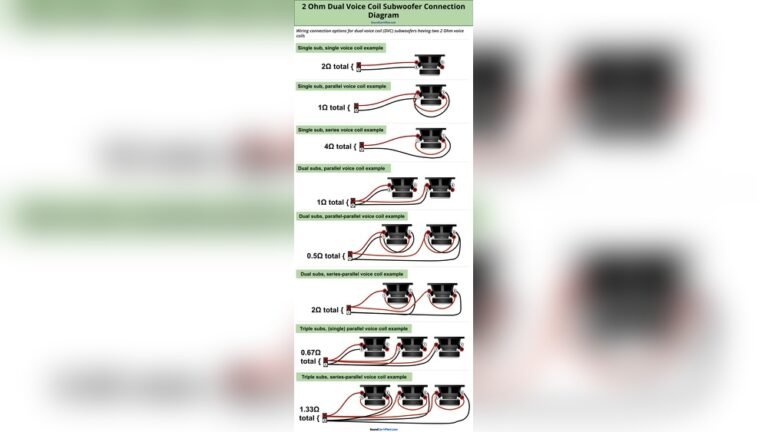
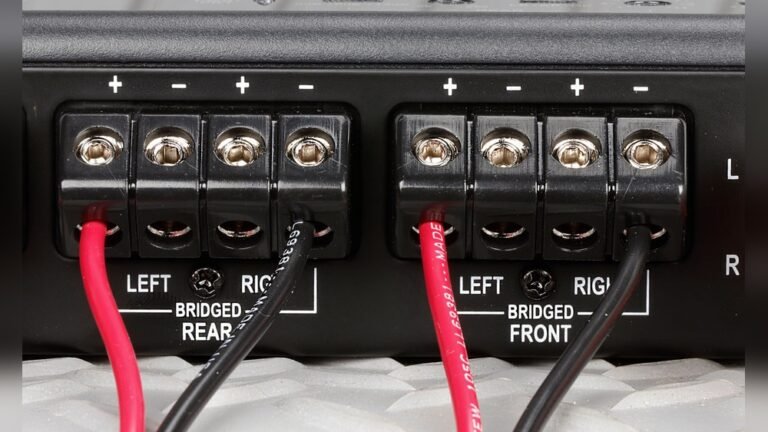
Professional installation reduces most risks. If you DIY, always follow the manufacturer’s wiring diagrams and safety recommendations.
Factory Vs Aftermarket Subwoofers
Factory-installed subwoofers are designed to match your car’s electrical and physical limits. Aftermarket systems offer more power but also more risk.
| Subwoofer Type | Power Output | Risk Level | Common Issues |
|---|---|---|---|
| Factory | Low (50–150W) | Low | Rare problems |
| Aftermarket | Medium/High (200–2000W+) | Moderate–High | Electrical load, vibration |
If you want strong bass but minimal risk, choose a factory upgrade or a low-power aftermarket subwoofer.
How To Use Subwoofers Safely
You can enjoy deep bass without damaging your car. Here’s how:
- Match the amplifier size to your car’s electrical system.
- Add a capacitor to help manage power spikes.
- Upgrade the battery/alternator if you use high-power subwoofers.
- Install sound-deadening material to reduce rattles.
- Keep bass levels reasonable for everyday listening.
If you notice problems (dimming lights, strange noises, battery issues), lower the volume and check your system.
Signs Your Subwoofer Is Hurting Your Car
Watch for these warning signs:
- Headlights dim when bass hits.
- Battery dies more often than before.
- Unusual rattling from doors, trunk, or dashboard.
- Burning smell or hot wires near the amplifier.
- Loose interior parts after playing loud music.
If you see any of these, fix the issue quickly to avoid bigger problems.

Credit: www.reddit.com
Myths About Subwoofers And Car Damage
Beginners often hear myths about subwoofers:
- Myth: Any subwoofer will destroy your car.
- Fact: Only extreme systems or bad installs cause real damage.
- Myth: Subwoofers always break windows.
- Fact: This happens only in competitions with huge sound pressure.
- Myth: You must upgrade your battery for any subwoofer.
- Fact: Small subwoofers work fine with most stock batteries.
Understanding the real risks can help you enjoy better sound safely.
Real-world Examples
- A 2015 Honda Civic owner installed a 1200-watt subwoofer with a small battery. After a month, the battery died early, and the headlights dimmed at every bass hit. Upgrading the battery and adding a capacitor solved the issue.
- A 2009 Ford Focus with a 10-inch subwoofer started rattling in the trunk after a few weeks. The owner added foam tape around the trunk latch and the rattle stopped.
Most problems have simple solutions if you pay attention early.
Practical Tips For Beginners
- Start small: Try a single subwoofer with a 300–500 watt amplifier.
- Test the system: Play music at different volumes and check for rattles or electrical issues.
- Secure all wiring: Use proper gauge wire and add fuses as recommended.
- Tighten interior panels: After installation, check and tighten screws in the trunk and doors.
- Listen responsibly: Keep volume at safe levels for everyday driving.
Following these steps will help you avoid most issues before they become real damage.
When To Seek Professional Help
If you’re not confident with car electronics, it’s best to use a professional installer. They can:
- Check your car’s battery and alternator size.
- Use safe wiring and grounding techniques.
- Mount the subwoofer and amplifier securely.
- Tune the system for good bass without harmful vibration.
This small investment can save you from costly mistakes.

Credit: www.reddit.com
External Resources
For more detailed information about car audio safety and electrical systems, you can check the Car Audio Wikipedia page.
Frequently Asked Questions
Can A Subwoofer Drain My Car Battery?
Yes, especially if you use a high-power subwoofer and play music with the engine off. A subwoofer amplifier can draw a lot of power. If your battery is small or old, it may drain faster. Always turn off your audio system when the engine is off for long periods.
Will Subwoofers Damage My Car Windows Or Doors?
Normal use will not damage windows or doors. Extreme sound pressure levels (over 130 dB) can cause vibrations strong enough to flex glass or loosen panels. For everyday listening, you may notice rattles, but not real damage.
Do I Need To Upgrade My Car’s Electrical System For A Subwoofer?
If your subwoofer amplifier is under 500 watts, most stock batteries and alternators will work fine. For higher power setups, upgrading the battery or alternator, or adding a capacitor, can prevent electrical problems.
Are Factory-installed Subwoofers Safer For My Car?
Yes, factory subwoofers are designed for your car’s electrical and physical limits. They are less likely to cause damage or need extra upgrades. Aftermarket systems may need more care and proper installation.
What Are Common Signs Of Subwoofer-related Car Damage?
Look for these warning signs:
- Dimming headlights
- Battery dying often
- Rattles from doors or trunk
- Burning smell near the amplifier
- Loose interior panels
If you notice these, lower the bass and check your installation to avoid bigger problems.
Enjoying strong bass in your car is possible without risking damage. With the right setup, reasonable volume, and regular checks, subwoofers can be a safe and fun upgrade to your car audio system.