Car Antenna Types: Ultimate Guide to Choosing the Best Option
Car Antenna Types
When you turn on your car radio or use GPS navigation, you might not think much about the antenna on your vehicle. Yet, the car antenna is a critical part for receiving signals—whether it’s for AM/FM radio, satellite radio, GPS, or even keyless entry. Modern cars use several types of antennas, each designed for specific needs and technologies. Understanding the different car antenna types can help you choose the right one for your vehicle, troubleshoot signal problems, or simply appreciate the technology behind your daily drive.
Why Car Antennas Matter
Car antennas are not just for looks. They play a major role in:
- Receiving radio signals for entertainment and news
- Improving GPS accuracy for navigation
- Supporting remote entry systems like key fobs
- Connecting to satellite services for radio and internet
A weak or broken antenna can cause poor radio reception, GPS errors, or even trouble unlocking your car with a remote. Choosing the right antenna type helps you avoid these issues.
Main Car Antenna Types
Car antennas come in many shapes and sizes. Here are the most common types you will see on vehicles today.
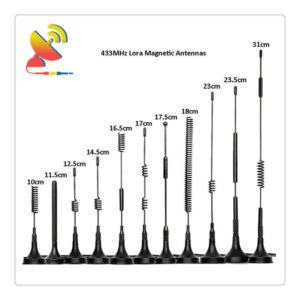
1. Mast Antenna
The mast antenna is the traditional metal rod that sticks up from the car’s fender or roof. It’s one of the oldest and simplest designs.
- How it works: The metal rod captures AM and FM radio waves from the air.
- Pros: Cheap, reliable, easy to replace.
- Cons: Can break easily in car washes or low garages. It’s also not very stylish.
Example: Many older cars from the 1980s and 1990s came with a mast antenna as standard.
2. Power Antenna
A power antenna is similar to the mast type but with an electric motor that extends or retracts the antenna when you turn the radio on or off.
- Automatic operation: Goes up when you need it, disappears when you don’t.
- Keeps the look clean: No rod sticking out when not in use.
- Downsides: More parts can break (motor, gears). Repairs can cost more than a manual mast.
Practical tip: If your power antenna stops working, check for a blown fuse or stuck motor before replacing the whole unit.
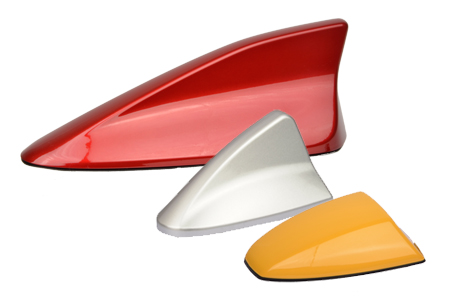
3. Shark Fin Antenna
The shark fin antenna is a small, fin-shaped piece that sits on the roof, usually near the back. It’s common on modern vehicles.
- Design: Sleek, aerodynamic, and low profile.
- Multi-function: Often houses antennas for radio, GPS, and sometimes satellite radio.
- Durability: Less likely to break or snag compared to mast antennas.
Example: Most BMW, Honda, and Tesla models now use shark fin antennas.
4. Satellite Radio Antenna
If your car has SiriusXM or other satellite radio, it needs a special antenna to receive signals from satellites.
- Small and compact: Usually a small dome or box, sometimes combined with a shark fin.
- Position matters: Needs a clear view of the sky for best reception.
- Not for AM/FM: Satellite antennas are only for digital satellite signals.
Practical insight: Placing metal objects near the antenna can block the signal, causing dropouts.
5. Window (integrated) Antenna
Some modern cars have antennas built into the glass—usually in the rear window.
- Invisible design: No rod or fin visible outside the car.
- Less damage risk: Can’t be broken off or stolen easily.
- Performance: Sometimes weaker reception in rural areas, especially for AM stations.
Example: Many luxury cars and some SUVs use rear window integrated antennas for a clean look.
6. Internal Antenna
An internal antenna is mounted inside the vehicle’s body, like under the dashboard or inside a bumper.
- Completely hidden: No visual antenna outside.
- Best for city use: Works well in strong signal areas.
- Limited range: Not as effective in rural or remote places.
Common in: Some compact city cars or high-end vehicles with advanced electronics.
7. Satellite Navigation (gps) Antenna
The GPS antenna is usually a small, square or rectangular unit. It receives signals from GPS satellites to help your navigation system work.
- Dedicated purpose: Only for GPS, not radio.
- Needs clear sky: Works best when placed on the roof or dashboard with a clear view upward.
Tip: Some GPS antennas are combined with shark fin or satellite radio antennas to save space.
8. Cellular (telematics) Antenna
Modern vehicles often include a cellular antenna for features like emergency calls, remote start, or internet access.
- Shape varies: Can be a shark fin, stubby rod, or even hidden inside the body.
- Supports connected services: OnStar, emergency SOS, or Wi-Fi hotspot.
- Needs good placement: Poor placement means weak signal for phone or data.
Example: Vehicles with built-in 4G LTE use this antenna for internet and remote diagnostics.
9. Stubby Antenna
A stubby antenna is a short, thick rod—usually just a few inches long.
- Compact: Less likely to break or get in the way.
- Trendy look: Popular for sporty cars.
- Reception: May not pick up weak signals as well as longer antennas.
Use case: Great for urban drivers who value style and don’t mind slightly weaker reception.
10. Cb Radio Antenna
CB (Citizen Band) antennas are used for two-way radio communication, popular with truckers and off-road drivers.
- Long and flexible: Often several feet long, mounted on bumpers or mirrors.
- Special use: Not for music radio—only for CB channels.
- Tuning needed: Must be adjusted for best performance.
Fact: CB antennas are still common on pickup trucks and 4x4s in remote areas.
Comparing Car Antenna Types
To help you quickly see the differences, here’s a side-by-side comparison of common car antenna types:
| Antenna Type | Best For | Visibility | Durability | Signal Range |
|---|---|---|---|---|
| Mast | AM/FM Radio | High | Low | Good |
| Shark Fin | AM/FM, GPS, Satellite | Low | High | Good |
| Window Integrated | AM/FM Radio | None | Very High | Moderate |
| Satellite | Satellite Radio | Low | High | Excellent (if unobstructed) |
| CB Radio | Two-way Communication | High | Moderate | Excellent |
What Affects Antenna Performance?
Many beginners think the antenna type is all that matters, but several other factors influence signal quality:
- Placement: Antennas on the roof or fender usually get better reception than those hidden inside.
- Material: Most are made of metal, but some use special alloys for better signals.
- Length: Longer antennas generally pick up more frequencies, especially for AM radio.
- Obstructions: Metal roof racks, cargo boxes, or even nearby buildings can block signals.
Example: A shark fin antenna on a metal roof will usually perform better than a window antenna hidden by tinted film.
Credit: lcantennas.com
Installation And Replacement Tips
If you need to replace or upgrade your car antenna, keep these steps in mind:
- Check compatibility: Not all antennas fit every car. Match the connector type and mounting base.
- Read the manual: Some antennas need special tools or wiring.
- Test before final install: Make sure the new antenna works before tightening bolts or sealing.
- Avoid cheap imitations: Low-quality antennas may look good but have poor reception.
- Ask a pro for complex systems: Integrated or powered antennas may require a professional installer.
Insight: Many beginners forget to check for water leaks after installing roof antennas. Always seal the base to prevent rust or electrical problems.
Common Problems And Solutions
Car antennas can develop issues over time. Here are some frequent problems and what you can do:
- Static or weak radio: Check for a loose or corroded connection. Clean and tighten the base.
- Antenna snapped off: Replace with the same type and size for best results.
- Motorized antenna stuck: Listen for motor noise. If silent, check the fuse; if noisy but not moving, the mast may be bent.
- GPS not working: Try moving the car to an open area. Buildings or bridges can block the signal.
- Satellite radio drops out: Remove metal objects from the roof and check for clear sky view.
Pro tip: Sometimes, adding a signal booster or relocating the antenna can fix weak reception.

Credit: www.carparts.com
Real-world Example: Choosing The Right Antenna
Let’s say you drive mostly in the city and listen to FM radio. A shark fin or window integrated antenna works well. If you go off-road or travel in remote areas, a mast antenna or CB antenna is better for catching weak signals.
For satellite radio or GPS navigation, always choose an antenna with a clear view of the sky. If you want a clean look with no visible antenna, window or internal types are best—but accept some signal loss, especially in rural zones.
Popular Car Antenna Brands
There are several trusted brands making quality car antennas. Here’s a quick comparison of three leading options:
| Brand | Known For | Price Range | Special Features |
|---|---|---|---|
| Metra | Aftermarket AM/FM antennas | $10–$30 | Wide compatibility |
| Shark Fin Inc. | Modern shark fin antennas | $25–$60 | Multiple functions (GPS, radio) |
| Wilson Electronics | CB and cellular boosters | $20–$100+ | Signal amplification |
Two Beginner Mistakes To Avoid
- Choosing style over function: A cool-looking stubby or shark fin antenna may not work well in rural areas where signals are weak. Always consider your driving environment before picking a type.
- Ignoring installation quality: Even the best antenna will give poor results if not installed correctly. Tight connections and proper sealing are just as important as the antenna type.
Advanced Insight: Antenna Integration In Modern Cars
Today’s vehicles often combine multiple antennas inside a single housing. For example, a shark fin might include AM/FM, satellite, GPS, and cellular antennas. This saves space and looks better but can make repairs harder and more expensive. If one part fails, you might need to replace the whole unit.
Fact: Some luxury cars have up to five different antenna systems working together for various features.
For more technical information on antenna design and function, the Wikipedia page on Automobile Antennas provides deeper insights.
Credit: www.harada.com
Frequently Asked Questions
What Is The Best Type Of Car Antenna For Radio Reception?
The mast antenna often gives the best AM/FM radio reception, especially in rural areas. However, modern shark fin and window integrated antennas perform well in cities and offer a cleaner look.
Can I Replace My Old Car Antenna With A Shark Fin Antenna?
Yes, in many cases you can upgrade to a shark fin antenna. Make sure the new antenna is compatible with your car’s radio and navigation systems. Some wiring or adapters may be needed.
Why Does My Car Radio Get Poor Reception?
Poor radio reception can be caused by a damaged antenna, loose connections, or obstructions like buildings or hills. Check the antenna base and wiring first. In some cases, adding a signal booster can help.
Are Internal Antennas As Good As External Ones?
Internal antennas are less visible and safer from damage, but they often have weaker reception—especially in areas with low signal strength. For best performance, external types like mast or shark fin are preferred.
Do Car Antennas Need Maintenance?
Most car antennas need little maintenance. However, you should clean the contacts, check for rust, and inspect for damage if you notice weak signals. For motorized antennas, keep the mechanism free of dirt and moisture.
A good car antenna is essential for clear audio, accurate navigation, and reliable connectivity. By understanding your options and avoiding common mistakes, you can enjoy all the features your vehicle has to offer—wherever the road takes you.