How to Angle Tweeter in Car for Crystal Clear Sound
Many people love listening to music in their cars. But sometimes, the sound is not clear or feels flat. One reason is that the tweeter speakers—those that produce high-frequency sounds—are not aimed correctly. If you angle tweeters the right way, you can get crisp, detailed sound and enjoy your favorite songs more. This article explains step-by-step how to angle tweeters in a car, using simple language and practical tips. You will learn why angling matters, how to choose the best position, and how to install tweeters for the best audio experience. Even if you are new to car audio, you can follow these instructions confidently.
Why Tweeter Angling Matters
Tweeters make high-pitched sounds, like cymbals, vocals, and guitar notes. These sounds travel in a straight line and are very directional. If your tweeters are not aimed at your ears, you may lose details in music. Angling tweeters can:
- Improve sound clarity
- Make music feel more natural
- Create a better stereo image (the feeling that sounds come from different directions)
- Reduce harshness or unpleasant sound
Car interiors are small and full of obstacles. Seats, dashboards, and windows can block sound. Angling tweeters helps overcome these challenges. For example, if tweeters point at the windshield, the sound may bounce and lose quality. If they point at your ears, you hear music as the artist intended.
Choosing The Right Tweeter Location
Before angling, you must choose where to install tweeters. There are several common places inside a car:
- A-pillars: The vertical parts at the sides of the windshield.
- Dashboard: Near the base of the windshield.
- Door panels: Usually above or next to the main speaker.
- Sail panels: Small triangular panels near the mirrors.
Each location has pros and cons. For example, A-pillars give good direction but may be hard to install. Door panels are easy to access but may sound less clear. Here is a quick comparison:
| Location | Sound Quality | Ease of Installation | Looks |
|---|---|---|---|
| A-pillars | Excellent | Medium | Discreet |
| Dashboard | Good | Easy | Visible |
| Door panels | Average | Easy | Blends In |
| Sail panels | Very Good | Medium | Stylish |
Tip: Avoid placing tweeters too low. If they are near your knees, high-frequency sounds may not reach your ears clearly.

Credit: www.ebay.com
Understanding Tweeter Types
There are several types of tweeters. Each type can affect how you angle them:
- Flush mount: Sits flat inside the panel. Good for a clean look.
- Surface mount: Sits on top of the panel. Easy to adjust angle.
- Swivel mount: Can turn to aim at your ears. Very flexible.
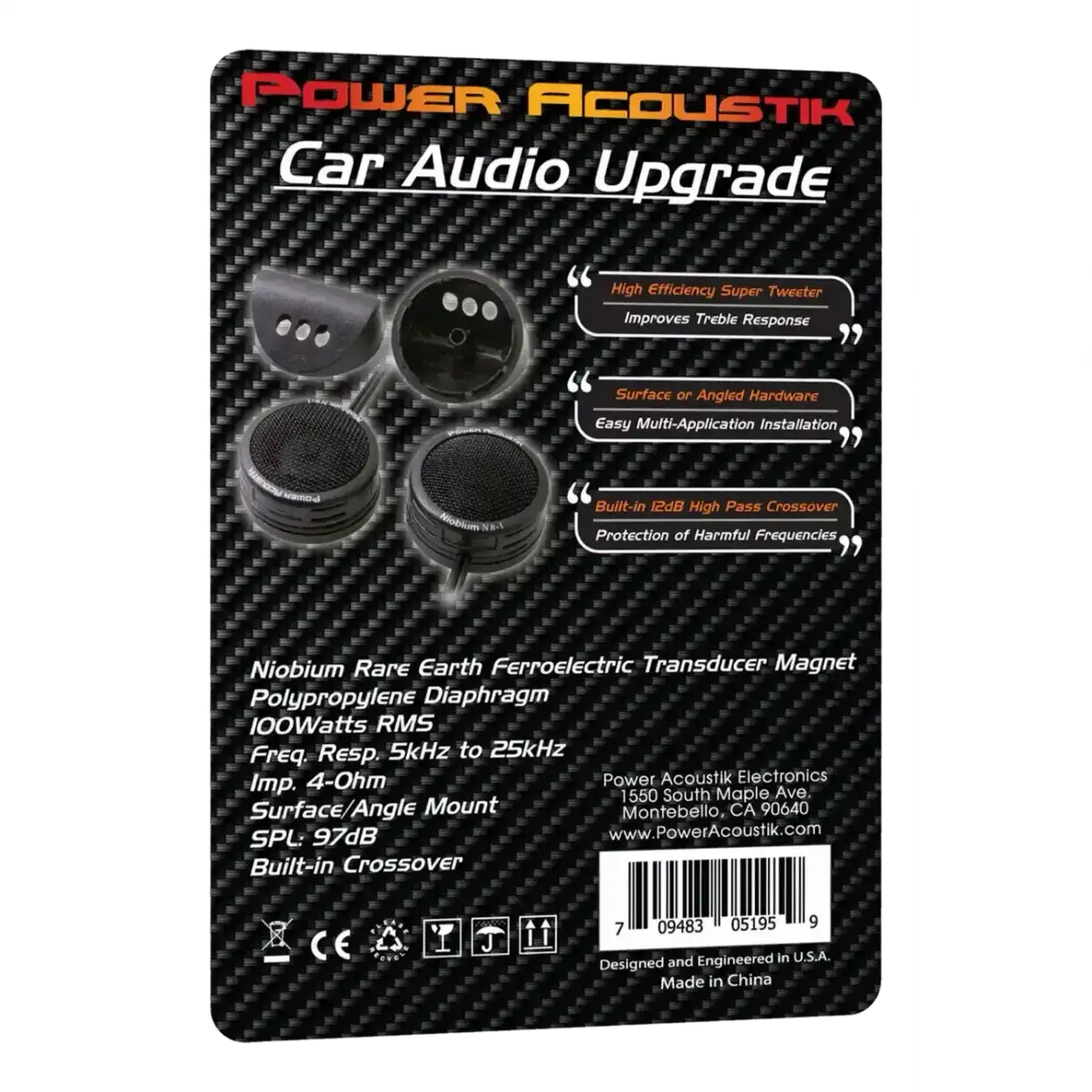
If you are a beginner, surface mount or swivel mount tweeters are easier to adjust. You can try different angles without cutting holes in your car.
How To Angle Tweeters In Your Car
Now let’s look at the practical steps to angle tweeters. You don’t need special tools or advanced skills. Just follow these easy steps.
Step 1: Decide Your Listening Position
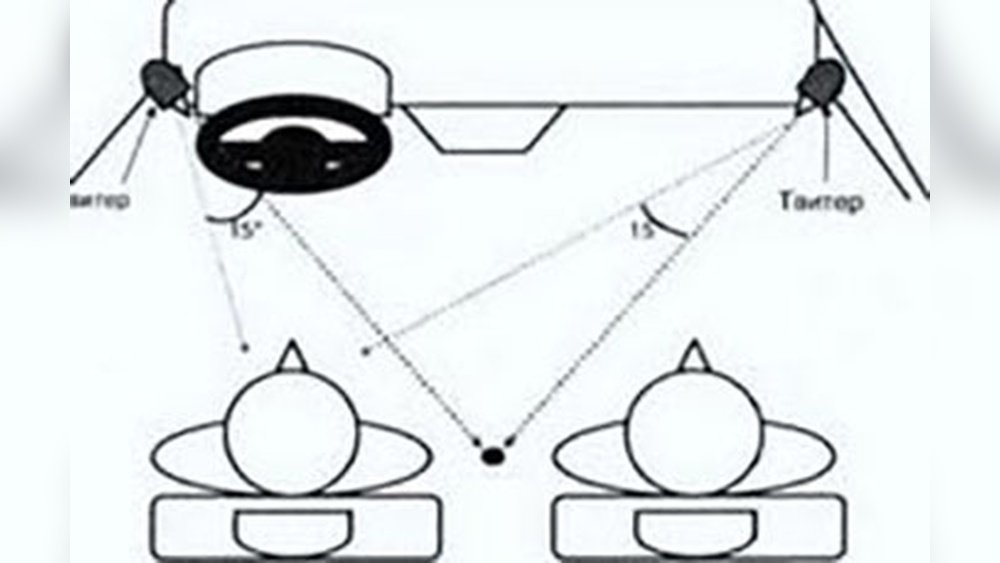
Most people drive alone or with one passenger. If you want the best sound for the driver, angle tweeters toward the driver’s seat. For a balanced sound for both seats, aim them between the two seats.
Tip: The best angle is usually between 10° and 30° from the direct line to your ears.
Step 2: Mark Tweeter Locations
Use masking tape or a pencil to mark where you want to place the tweeters. Sit in your seat and see if the location is at ear level. If not, adjust the mark higher or lower.
- Use a friend to sit in the passenger seat and check both positions.
- Make sure the tweeter is not blocked by the dashboard or steering wheel.
Step 3: Test Angles Before Installing
Before fixing the tweeter, test the angle. Use double-sided tape or hold the tweeter by hand. Play music and listen from your seat.
- Rotate the tweeter slightly left and right.
- Tilt it up and down.
- Notice how the sound changes.
You may hear sharper vocals or clearer cymbals at certain angles. Find the angle that sounds best to your ears.
Step 4: Install The Tweeter
Once you find the best angle, install the tweeter. If it is a surface mount, use the bracket provided. For flush mount, cut a hole and secure the tweeter.
- Use screws or clips for a firm fit.
- Make sure wires are not pinched or bent.
- Double-check the angle after installation.
Step 5: Fine-tune The Angle
After installing, listen to music again. You may need to adjust the angle slightly. Some tweeters have a swivel base—turn them gently to fine-tune.
- Small changes can make a big difference.
- Avoid pointing tweeters directly at glass, as sound may reflect and cause harshness.
Credit: poweracoustik.com
Common Mistakes Beginners Make
Many people make simple mistakes when angling tweeters. Here are some to avoid:
- Wrong height: Placing tweeters too low means you miss high frequencies.
- Too much angle: Pointing tweeters too sharply at your ears can cause harsh sound.
- Ignoring balance: Angling both tweeters only at the driver’s seat makes sound unbalanced for passengers.
- Not testing: Installing without listening first can lead to poor sound quality.
Tip: Always test your tweeter placement with music before final installation.
Real Examples And Data
Let’s look at some practical data. Car audio experts tested tweeter angles in a midsize sedan. Here are their findings:
| Tweeter Angle | Sound Clarity | Stereo Image | Listener Feedback |
|---|---|---|---|
| 0° (Flat) | Low | Poor | “Sound is dull” |
| 15° (Slightly Angled) | Medium | Average | “Vocals are clearer” |
| 30° (Direct to Ear) | High | Excellent | “Music sounds alive” |
| 45° (Extreme Angle) | Too Harsh | Distorted | “Too sharp, hurts ears” |
This shows that a 30° angle toward the listener gives the best results. Extreme angles can make the sound uncomfortable.
Tools And Materials Needed
You don’t need expensive tools. Here is a basic list:
- Screwdriver (for mounting)
- Wire cutter/stripper
- Double-sided tape (for testing)
- Masking tape (for marking)
- Drill (for flush mount)
- Tweeter brackets
Tip: Buy tweeters with adjustable mounts if possible. They make angling easier.
How To Avoid Sound Reflections
Car windows and dashboards reflect sound. If tweeters point at glass, the sound may bounce and create unpleasant effects. To avoid this:
- Angle tweeters away from the windshield.
- Use materials like foam or felt behind tweeters to absorb reflections.
- Install tweeters at ear level, not too high or low.
Example: In a hatchback, angling tweeters down by 15° improved clarity and reduced reflection.
Testing Tweeter Angles With Music
Testing is a key step. Use high-quality music tracks with clear vocals and instruments.
- Play songs you know well.
- Listen for details: Cymbals, vocals, guitar strings.
- Move the tweeter and notice changes.
You can also use mobile apps with test tones to check high-frequency response.
Tip: Ask friends to sit in different seats and share their feedback. This helps find the best angle for all passengers.
Should You Angle Tweeters Separately?
Some people wonder if both tweeters should be angled the same way. The answer depends on your goal:
- For driver-focused sound, angle both tweeters toward the driver’s seat.
- For balanced sound, aim them between driver and passenger.
If you drive alone most of the time, driver-focused angling is best. If you often have passengers, balance is better.

Credit: www.amazon.com
Advanced Tweeter Angling Tips
If you want to go beyond basics, here are some advanced ideas:
- Use time alignment settings in your car audio system to adjust when sounds reach each ear.
- Combine tweeter angling with equalizer settings for even better sound.
- Try angling tweeters slightly upward if your seats are low.
Some high-end cars use active crossovers to control frequencies. This can help match tweeter angling with sound adjustments.
Tweeter Angling For Different Car Types
Not all cars are the same. Here are some practical examples:
- Sedan: Aim tweeters at ear level, between driver and passenger.
- SUV: Seats are higher, so angle tweeters slightly downward.
- Coupe: Space is tight; use surface mount tweeters on door panels.
- Truck: Dashboard is wide; try sail panel mounting for best direction.
Tip: Always consider seat height and distance from tweeter to ear.
Final Checklist Before You Finish
Before you finish, check these points:
- Are tweeters at ear level?
- Is the angle between 10° and 30°?
- Are wires secure and hidden?
- Did you test with music and adjust?
- Are tweeters away from glass?
If all answers are yes, you have angled your tweeters correctly.
Frequently Asked Questions
How Do I Know If My Tweeters Are Angled Correctly?
Listen to music with clear vocals and instruments. If sounds are sharp, detailed, and seem to come from the front, your tweeters are angled well. If music feels dull or harsh, adjust the angle.
Can I Angle Tweeters Without Special Tools?
Yes. You can use simple materials like double-sided tape and masking tape to test angles before installing. Surface mount tweeters are easy to adjust without tools.
Should Tweeters Be At Ear Level?
Ideally, yes. Tweeters at ear level provide the best high-frequency sound. If this is not possible, angle them upward or downward to point toward your ears.
What Happens If Tweeters Point At The Windshield?
Pointing tweeters at glass can cause sound reflections. This makes music harsh and unclear. Always try to angle tweeters away from glass surfaces.
Are Expensive Tweeters Easier To Angle?
Not always. Some affordable tweeters have swivel mounts or adjustable brackets. Look for models with easy adjustment features. Expensive tweeters may offer better sound but are not always easier to install.
Angling tweeters in your car can transform your listening experience. With careful placement, testing, and adjustment, you can enjoy clear and lively music every time you drive. If you want more detailed guides, visit Crutchfield’s Tweeter Installation Guide for advanced tips and videos.