What If My Amp is Too Powerful for My Sub? Avoid Costly Mistakes
What If My Amp Is Too Powerful For My Sub
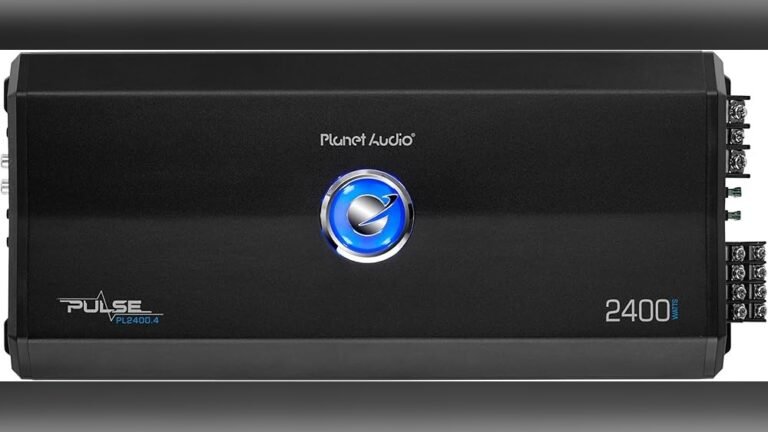
Many car audio fans and home theater lovers worry about matching their amplifier and subwoofer. One common question is: “What if my amp is too powerful for my sub?” This situation can cause confusion and even fear—nobody wants to blow their subwoofer after saving up for a new setup! But the answer is not always simple. Having a powerful amp is not always dangerous, but you need to know how to use it safely.
Let’s break down what happens when your amp is more powerful than your sub, and what you can do about it. By the end, you’ll feel confident about setting up your sound system, even if your amp packs more punch than your subwoofer.
What Does “too Powerful” Mean?
When people say their amp is “too powerful,” they usually mean its RMS power output is higher than what the subwoofer is rated to handle. RMS (Root Mean Square) power is the continuous wattage a device can output or handle safely over time.
For example:
- If your subwoofer is rated at 300 watts RMS, but your amp can deliver 600 watts RMS, your amp is technically “too powerful” for your sub.
But the story doesn’t end there.
The Dangers Of Mismatched Power
Using an amp that’s much more powerful than your sub can cause problems, such as:
- Blown subwoofer: Feeding too much power will overheat the voice coil and possibly destroy the sub.
- Distortion: Pushing your subwoofer beyond its limits may cause unwanted noise or rattling.
- Short lifespan: Constant overpowering will wear out your sub much faster.
Real-life Example
Imagine you have a 250-watt RMS sub, but your amp can push 500 watts RMS. If you turn up the volume and bass boost, you risk frying the sub’s internal parts in just a few minutes.

Credit: www.reddit.com
Why Do People Use Bigger Amps?
It might seem strange, but some people purposely buy amps that are more powerful than their subwoofers. Why?
- Headroom: A stronger amp can deliver cleaner sound at lower volumes, with less distortion.
- Future upgrades: They plan to upgrade to a bigger sub later, so they buy a stronger amp now.
- Availability: Sometimes the only amp available is more powerful than the sub.
But using a bigger amp requires caution.
How Can You Safely Use A Powerful Amp With A Weaker Sub?
Luckily, you don’t have to throw away your amp or sub if their ratings don’t match exactly. Here’s how you can safely use them together:
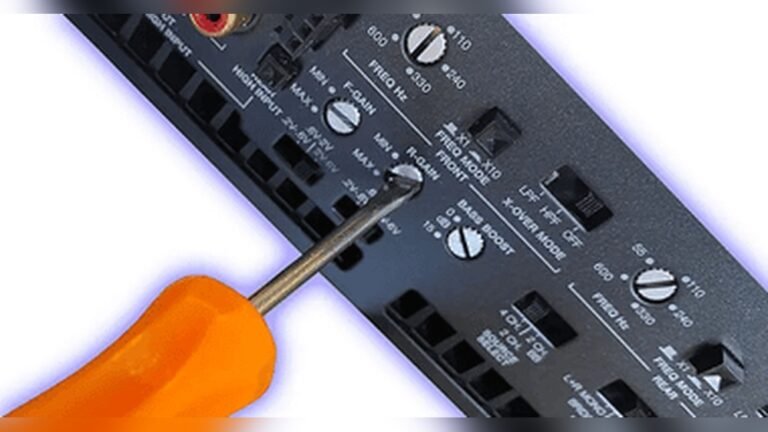
1. Set The Gain Properly
The gain knob controls how much signal the amp sends. Keep the gain low so the sub doesn’t get too much power.
2. Use A Subsonic Filter
This filter blocks very low sounds that your sub can’t handle. It helps prevent damage from frequencies that are too deep.
3. Avoid Bass Boost And Loudness Buttons
These features add extra power, often more than your sub can take.
4. Listen For Distortion
If you hear the sub making strange noises or crackling, turn down the volume right away.
5. Use A Multimeter
You can measure the voltage going to your sub and calculate the actual wattage, making sure you’re not sending too much.
Practical Example
Suppose your sub is rated for 300 watts RMS, and your amp is rated at 600 watts RMS. You set the gain so that, even at max volume, the amp never sends more than 300 watts to the sub. Now, your sub is safe, and you’re using your equipment wisely.
Key Terms To Know
Before we go further, here are some important terms:
- RMS Power: The continuous power a speaker or amp can handle safely.
- Peak Power: The maximum power for short bursts (not as important for daily use).
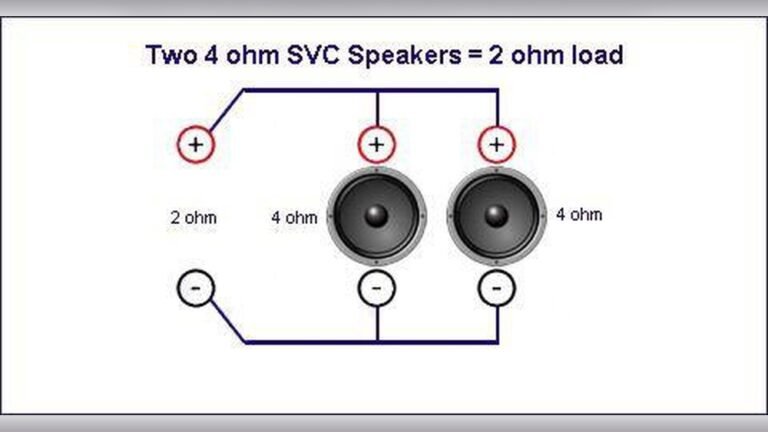
- Impedance (Ohms): Resistance to electric current. Matching amp and sub impedance is critical.
- Gain: A control on the amp that adjusts how hard it pushes the speakers.
Knowing these terms helps you understand your equipment and avoid mistakes.
Comparing Amp And Subwoofer Ratings
Let’s look at a simple comparison to show what happens with different amp and sub combinations.
| Subwoofer RMS | Amp RMS | Result |
|---|---|---|
| 300W | 300W | Perfect match, ideal scenario |
| 300W | 200W | Safe, but sub may sound weak |
| 300W | 600W | Risk of damage if not careful |
The key is controlling output. Having a big amp is not the problem—sending too much power is.
Common Myths And Mistakes
Many beginners believe:
- “Bigger amp means better sound.”
Not always! Too much power can destroy your sub.
- “Turning down the volume is enough.”
Sometimes, even at low volume, a high-gain setting can overpower the sub.
- “Peak power is what matters.”
RMS is the important number for daily use, not peak.
Non-obvious Insight
A common mistake is setting the gain by ear. Your ears can get used to distortion, so always use a test tone or a multimeter.
How To Set Your Gain Properly
Here’s a step-by-step way to set your amp gain safely:
- Turn all EQ and bass boost settings to zero
- Play a test tone (usually 50 Hz for subwoofers)
- Use a multimeter to measure the output voltage at the sub terminals
- Calculate the safe voltage
Use The Formula: Voltage = Sqrt(sub Rms X Sub Ohms)
For example, a 300W RMS sub at 4 ohms: sqrt(300 x 4) ≈ 34.6 volts
- Adjust the gain until you reach the safe voltage—no higher
This method keeps your sub safe, even with a strong amp.
What Happens If You Ignore The Problem?
If you ignore power ratings and play your music loud:
- The subwoofer could blow: The voice coil may overheat and break.
- You might get distortion: Music sounds rough and unpleasant.
- Other parts can fail: Your amp could also overheat or go into protection mode.
How To Know If Your Sub Is Being Overpowered
Look for these signs:
- The sub gets very hot after a short play time
- You hear rattling or popping sounds
- There is distortion even at low volume
- The sub stops working suddenly
If you notice any of these, lower the volume or gain right away.
Real-world Scenarios
Let’s look at two examples:
Example 1: Car Audio
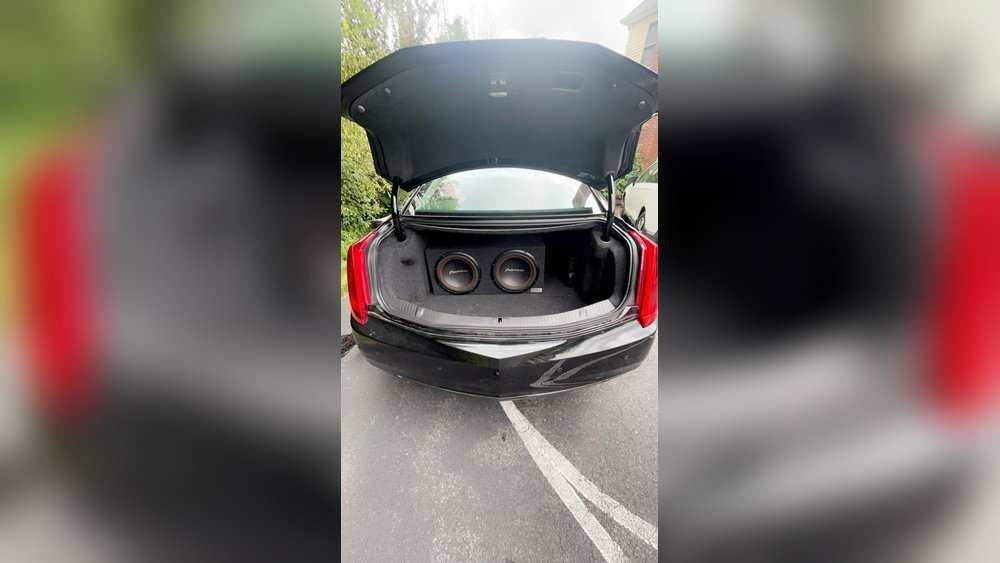
You have a 500W RMS amp and a 250W RMS sub in your car. If you turn the bass up, you might blow the sub on the first song. But if you keep the gain low and listen for distortion, you can use this setup for years.
Example 2: Home Theater
You buy a home theater receiver rated at 300W RMS per channel, but your subwoofer is only 100W RMS. Set the sub channel gain very low, and avoid using the “Dynamic Bass” feature to keep your sub safe.
Using Amp Features To Protect Your Sub
Many modern amps offer helpful settings:
- Subsonic filter: Blocks deep bass your sub can’t play
- Bass boost: Adds extra bass, but use with caution
- Limiter: Some amps have a built-in limiter to prevent overpowering
Check your amp’s manual for these features and use them wisely.

Credit: www.reddit.com
Should You Ever Use A Big Amp With A Small Sub?
Sometimes, a larger amp is the only option. In those cases:
- Set the gain carefully
- Use a high-pass filter or subsonic filter
- Avoid bass boost
- Monitor your sub for any signs of stress
This way, you get clean sound without risking your sub.
Practical Tips For Beginners
- Always check RMS ratings before buying or connecting equipment.
- Match impedance (ohms) between amp and sub for best results.
- Start with lower gain and raise it slowly.
- Avoid using max volume for long periods.
- Test your setup with different types of music to see how your sub reacts.
Comparing Risks: Underpowering Vs. Overpowering
You might wonder: is it safer to have an amp that’s less powerful than your sub, or more powerful?
| Situation | Risk | Result |
|---|---|---|
| Amp is weaker than sub | Distortion if pushed too hard | Sub might sound weak, but less risk of damage |
| Amp is stronger than sub | Overpowering if not careful | Sub can be blown easily with high gain/volume |
Surprisingly, both setups can be safe if used correctly. The danger comes from ignoring limits.
When To Upgrade
If you want louder, deeper bass and your amp is always running at low gain, consider:
- Upgrading to a bigger sub that matches your amp
- Adding a second subwoofer (if your amp supports it)
This gives you more volume safely.
Credit: www.gear4music.com
Where To Learn More
If you want to dive deeper into matching amps and subs, read this guide from Wikipedia for more technical info on audio power.
Frequently Asked Questions
What Happens If My Amp Is More Powerful Than My Subwoofer?
If you don’t set the gain properly, your amp can send too much power, which can damage or blow your sub. But with careful settings, a powerful amp can be used safely.
Is It Better To Have An Amp That Is Too Powerful Or Too Weak For My Sub?
Both can cause problems. A weak amp can distort and clip, while a strong amp can overpower. The safest choice is a close RMS match, but careful settings can make either work.
How Do I Know If I’m Sending Too Much Power To My Sub?
Listen for distortion, rattling, or sudden loss of sound. Also, feel the sub’s enclosure for excess heat. Using a multimeter is the most accurate way to check.
Can I Use Bass Boost With A Powerful Amp And A Weaker Sub?
It’s risky. Bass boost increases the power sent to your sub. If your amp is already powerful, avoid using bass boost or keep it very low.
What Is The Safest Way To Set Up A Powerful Amp With A Weaker Subwoofer?
Set the gain low, use a subsonic filter, avoid bass boost, and monitor for any signs of stress. If possible, use a multimeter to check the output voltage and match your sub’s rating.
Getting the perfect match between amp and sub can be confusing for beginners, but with these tips, you’ll avoid the most common mistakes and enjoy great sound without ruining your gear.