What Speakers Fit My Car: Find the Perfect Audio Upgrade
Finding the right speakers for your car can feel confusing. There are many sizes, shapes, and brands, and not every speaker fits every car. You might want better sound, deeper bass, or just to replace old speakers. But before you buy, you need to know what works for your vehicle.
This guide will help you understand the process, avoid common mistakes, and make a smart choice that improves your driving experience.
Why Speaker Fitment Matters
Not all car speakers are the same. Speaker fitment means matching the physical size and type of speaker to the space and wiring in your car. If you pick the wrong size, it won’t fit, or it might sound bad. Sometimes, the wrong speaker can even damage your car’s interior or electronics.
A good fit ensures:
- No rattling or loose parts
- Optimal sound quality
- Easy installation
- No need for extra modifications
Many beginners think all speakers are universal. This is not true. Even cars from the same brand or year can use different speaker sizes. That’s why taking time to check fitment saves money and frustration.
Understanding Car Speaker Sizes
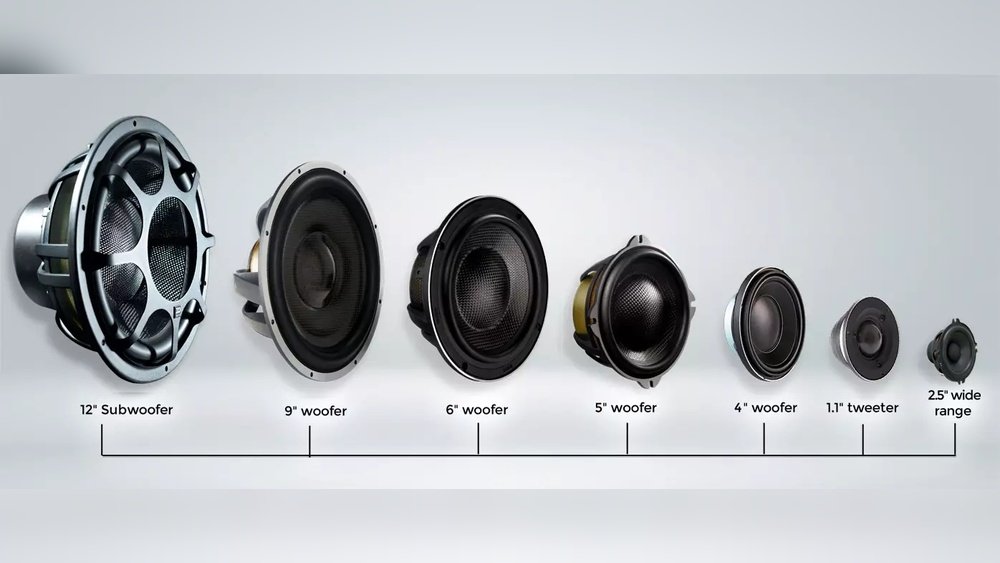
The most important step is knowing your car’s speaker size. Car speakers come in different diameters and shapes. Here are the most common types:
- 3.5-inch speakers – Usually found in dashboards or rear doors.
- 4-inch speakers – Common in older cars’ doors or dash locations.
- 5.25-inch speakers – Often used in doors or rear panels.
- 6.5-inch speakers – The most popular; fits many doors and rear decks.
- 6×8-inch/5×7-inch speakers – Found in Ford, Mazda, some other brands.
- 6×9-inch speakers – Large, oval speakers for rear decks or doors.
Not all cars use round speakers. Many use oval or rectangular speakers. Always measure the space and check your car’s manual for details.
Speaker Size Examples
Here’s how speaker sizes compare:
| Speaker Size | Common Location | Typical Car Models |
|---|---|---|
| 3.5-inch | Dashboard corners | Honda Civic, Toyota Corolla |
| 6.5-inch | Front/Rear doors | Chevy Malibu, Honda Accord |
| 6×9-inch | Rear deck | Toyota Camry, Ford Taurus |
Pro Tip: Speaker sizes refer to the diameter of the cone, not the mounting holes. Always check the mounting depth too.
How To Find What Speakers Fit Your Car
There are several ways to check what speakers fit your car. Here’s a step-by-step process:
1. Check Your Owner’s Manual
Your car’s owner’s manual often lists speaker sizes and locations. Look under “audio system” or “specifications.” If your manual is missing, you can download it from your car maker’s website.
2. Use Online Fitment Tools
Many audio retailers offer free online tools. You enter your car’s year, make, and model, and the tool tells you what fits.
Some of the best resources are:
- Crutchfield’s “What Fits My Car” tool
- Sonic Electronix Fit Guide
- Metra Online
These tools are updated regularly and consider small details other guides miss, like trim level or special factory options.
3. Remove And Measure Existing Speakers
If you want to be sure, remove your current speaker and measure:
- Diameter of the cone
- Mounting depth (how deep the speaker sits)
- Bolt pattern
Write these numbers down. Also, check the number of wires and connector type.
4. Visit A Car Audio Shop
If you feel unsure, ask a local car audio shop to check for you. They can help you avoid buying speakers that don’t fit and often give free advice.
5. Search Online Forums
Car owner forums are full of real-world advice. Search for your car’s model and year plus “speaker upgrade. ” Many people share photos, tips, and size information you won’t find anywhere else.
Non-obvious insight: Many cars have different speaker sizes in the front and back. Don’t assume all doors use the same size.
Speaker Types And What They Mean
Speakers are not just about size. The type of speaker affects sound quality and installation. Here are the main types:
Coaxial (full-range) Speakers
These are one-piece speakers with all parts (woofer, tweeter) combined. They are:
- Easy to install
- Cost-effective
- Good for most upgrades
Component Speakers
Component sets have separate woofers, tweeters, and sometimes crossovers. They offer:
- Better sound quality
- More flexible placement
- Harder installation
Subwoofers
Subwoofers are for deep bass. They usually need a special box and an amplifier.
Tweeters And Midrange Drivers
Tweeters play high notes, and midrange drivers handle middle sounds. Some cars have extra spots for these, but not all.
Non-obvious insight: Some cars use “odd” speaker shapes (like 4×6 or 5.25-inch) that are hard to find. In these cases, you may need a mounting adapter.

Credit: www.morelhifi.com
Factory Vs Aftermarket Speakers
Your car came with factory speakers. Most are basic, made for low cost, not high performance. Aftermarket speakers can improve sound, but not all fit perfectly.
Comparing Factory And Aftermarket Speakers
| Feature | Factory Speaker | Aftermarket Speaker |
|---|---|---|
| Sound Quality | Average | High |
| Durability | Basic materials | Better, longer-lasting |
| Fit | Perfect match | May need adapters |
| Price | Included | Extra cost |
Pro Tip: Aftermarket speakers sometimes need special brackets or spacers. Always check if your car needs these before buying.
Common Mistakes When Choosing Car Speakers
Many car owners make simple mistakes that cost time and money. Here’s how to avoid them:
- Guessing the size – Always confirm with measurement or a fitment tool.
- Ignoring mounting depth – Some cars have shallow doors. Deep speakers won’t fit.
- Forgetting wiring adapters – Most aftermarket speakers need special plug adapters.
- Not checking for grills or covers – Some speakers come with new grills, but they may not fit your car’s interior.
- Assuming front and rear are the same – Many cars use smaller rear speakers.
Non-obvious insight: Sometimes, speaker screws are hidden behind trim or under weather seals. Use a trim tool to avoid breaking anything.

Credit: www.crutchfield.com
Step-by-step Speaker Upgrade Process
Upgrading speakers is easier if you plan ahead. Here’s a simple process:
Step 1: Identify Speaker Locations
Cars often have speakers in these spots:
- Front doors
- Rear doors
- Dashboard
- Rear deck (behind back seats)
- Kick panels (near feet)
- Pillars (by windshield)
Check all locations. Some cars have “dummy grills” with no actual speaker inside.
Step 2: Remove Old Speakers
Gather basic tools: screwdriver, trim tool, socket set. Gently remove panels. Take photos as you work so you remember how to put things back.
Step 3: Measure And Compare
Measure the old speaker’s diameter, depth, and connector type. Compare with the new speaker’s specs.
Step 4: Check Fit And Wiring
Test-fit the new speaker before connecting wires. Use adapters if needed. Some speakers have tabs or mounting ears you must bend or cut.
Step 5: Install And Test
Secure the speaker, connect wires, and test sound before reassembling panels. If there’s no sound, double-check connections.
Pro Tip: Use foam tape or gasket material around the speaker to prevent rattles.
Do You Need An Amplifier?
Most factory radios are weak. Aftermarket speakers work best with more power. An amplifier gives better sound, but it’s not always required.
You may need an amp if:
- You want loud, clear sound
- You add a subwoofer
- Your new speakers require more power
Some modern cars have factory amps. If you replace the radio, you may need special wiring to keep the amp working.
Speaker Sensitivity And Power Handling
Two key terms:
- Sensitivity (measured in dB): Higher sensitivity means the speaker needs less power for the same volume.
- Power Handling (watts): Shows how much power a speaker can safely take.
If you keep your factory radio, pick speakers with high sensitivity (90 dB or higher). If you add an amp, you can use lower-sensitivity, high-power speakers.
Factory Speaker Locations In Popular Cars
Every car is different. Here’s a quick look at popular cars and their usual speaker sizes:
| Car Model | Front Speaker Size | Rear Speaker Size | Extra Locations |
|---|---|---|---|
| Honda Civic (2018+) | 6.5-inch | 6.5-inch | 3.5-inch dash |
| Toyota Camry (2015+) | 6×9-inch | 6×9-inch | Tweeters in dash |
| Ford F-150 (2017+) | 6×9-inch | 6×9-inch | 3.5-inch dash |
| Chevy Silverado (2019+) | 6×9-inch | 6.5-inch | Tweeters in pillars |
These sizes can change by trim level or audio package. Always double-check before buying.
Special Cases: Premium Sound Systems
If your car has a premium sound system (like Bose, JBL, or Bang & Olufsen), the situation gets tricky. These systems use custom speakers, special wiring, and built-in amplifiers. Replacing speakers can:
- Cause loss of features (like navigation prompts)
- Affect factory amplifiers
- Require special adapters or modules
If you have a premium system, research carefully or consult a car audio professional.
How To Choose The Right Speakers For Your Needs
Think about your goals:
- Do you want better bass? Look for larger speakers or add a subwoofer.
- Want clear vocals? A good component system or coaxial speaker with a strong tweeter helps.
- Just want to replace broken speakers? Match the size and pick a quality full-range model.
Consider your budget, too. Higher price often means better sound, but even affordable speakers can improve over factory sound.
Non-obvious insight: If you only replace some speakers (like just the front), you may notice the sound “shifts” toward the new speakers. For best balance, replace speakers in pairs.
Credit: www.crutchfield.ca
Installation Kits And Accessories
Don’t forget the small parts. You might need:
- Speaker adapters (to fit new speakers in old holes)
- Wiring harnesses (for plug-and-play connection)
- Foam baffles (to protect against water and improve sound)
- Mounting screws or clips
Many speaker sellers include these if you order with a fitment tool. If not, buy them separately.
Diy Vs Professional Installation
You can install speakers yourself with basic tools and patience. DIY saves money and teaches you about your car. But if you want complex changes, like adding amps or custom wiring, a professional shop is safer.
Professional shops offer:
- Clean wiring
- Fast installation
- Warranty on labor
DIY is best for simple swaps. If you cut any wires, always disconnect the battery first to avoid damage.
Speaker Brands To Consider
Some popular and reliable speaker brands:
- JBL: Good quality, wide range
- Pioneer: Easy to find, affordable
- Alpine: Clean sound, durable
- Infinity: High sensitivity, clear highs
- Kicker: Strong bass, rugged design
- Kenwood: Balanced sound, good value
Avoid “no name” brands. Their quality and fit can be poor.
How To Use A Speaker Fitment Tool
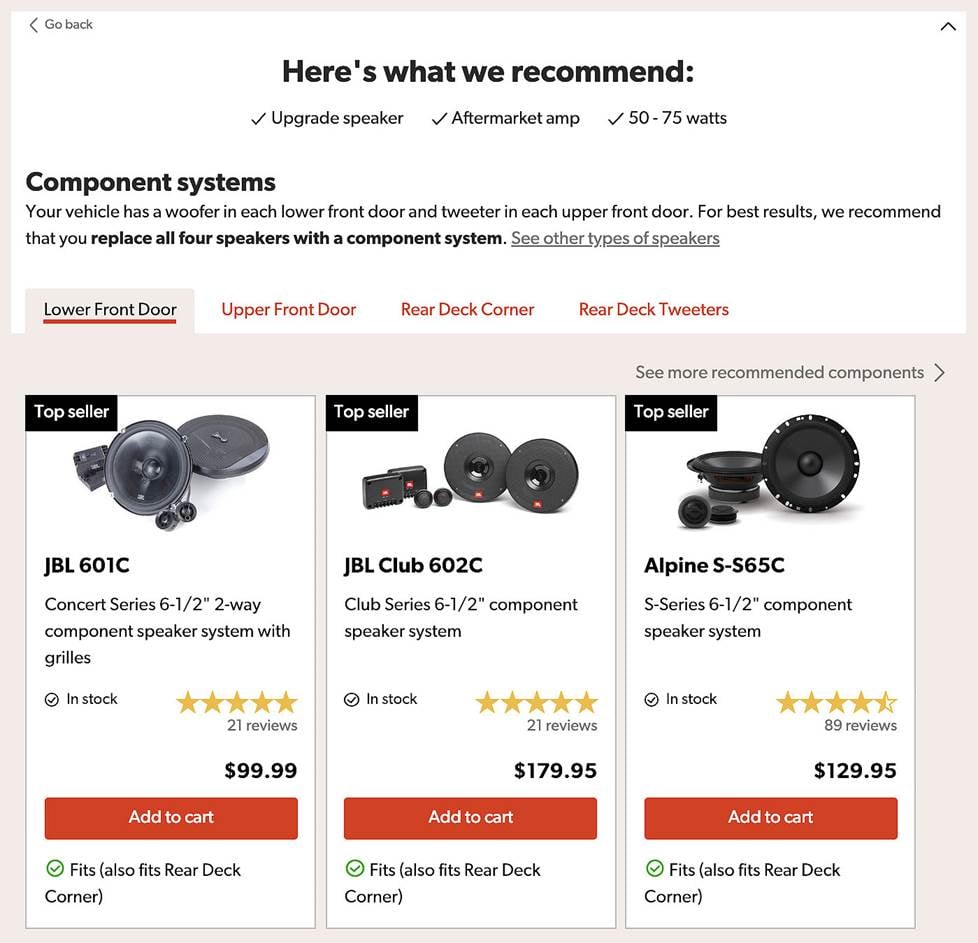
One of the best ways to find what speakers fit your car is to use a fitment tool. Here’s how:
- Go to a trusted site like Crutchfield.
- Enter your car’s year, make, and model.
- The tool shows all compatible speakers, with notes about any adapters needed.
- Read reviews from other owners of your car.
- Order speakers with the correct kit for your car.
Non-obvious insight: Some fitment tools let you filter for only speakers that fit without modifications. This saves time and avoids returns.
Final Thoughts
Getting the right speakers for your car is more than just picking a brand. It’s about matching size, shape, and type to your car’s unique setup. Take time to check your car’s sizes, think about your needs, and choose quality parts.
Whether you want loud bass or just better clarity, the right fit makes all the difference. Remember, a little research now saves headaches later and gives you music that sounds great every drive.
Frequently Asked Questions
What If My Car Uses A Rare Speaker Size?
If your car uses a rare size (like 4×6-inch), you may need a mounting adapter to fit a more common speaker size. Many brands sell adapters that let you install standard round speakers in odd-shaped holes. Check online or ask a car audio shop for your options.
Can I Install New Speakers Myself?
Yes, if you have basic tools and patience, you can do it yourself. Make sure you have the right size speaker, any necessary adapters, and follow safety steps (like disconnecting the battery). For complex systems or if your car has a premium audio system, professional help is a good idea.
Will New Speakers Work With My Factory Radio?
Most new speakers will work with your factory radio, but to get the best sound, choose high-sensitivity speakers (90 dB or higher). If you want much louder sound or heavy bass, consider adding an amplifier, as factory radios have limited power.
Do I Need To Replace All My Car Speakers At Once?
No, but it’s best to replace speakers in pairs (both front or both rear) to keep sound balanced. If you only replace one speaker, you may notice uneven sound. For the best result, upgrade all speakers or focus on the front set, where you hear music most.
How Do I Find My Car’s Speaker Wiring Diagram?
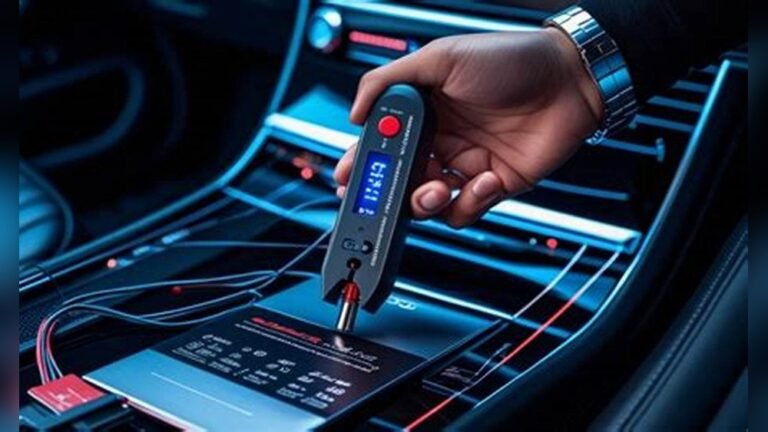
You can find wiring diagrams in your owner’s manual, on car forums, or from online resources like Crutchfield. These diagrams show which wires connect to each speaker. If you’re unsure, use a simple speaker polarity tester or consult a professional installer.
With the right information and careful planning, you’ll find the perfect speakers for your car and enjoy music the way it should sound.