How to Match Speakers With Amp for Perfect Sound Quality
Matching speakers with an amplifier might seem confusing if you’re new to audio gear. There are so many numbers—watts, ohms, sensitivity—that it’s easy to feel lost. But with a bit of guidance, you can find a great match that makes your music sound full and clear.
This article will walk you through the process step-by-step, explain what actually matters, and help you avoid common mistakes. Whether you have bookshelf speakers for your living room or floor-standing speakers for a home theater, you’ll feel confident connecting them to the right amp.
Why Matching Speakers And Amps Matters
Your amp and speakers are like partners in a dance. If they don’t fit well together, you might get distorted sound, or worse, damage your gear. Matching them correctly means you get:
- Cleaner, undistorted sound
- Longer life for both your amp and speakers
- Best possible performance from your system
Many beginners think any speaker will work with any amp, but that’s not true. Some combinations can strain your amp or blow your speakers. Taking the time to understand matching saves you money and frustration.
Understanding Key Terms: Watts, Ohms, Sensitivity
Before you start, it helps to understand a few basic terms. These numbers are found on the back of your speakers and in your amp’s manual.
Watts (power)
- Measured in watts (W)
- Shows how much power the speaker can handle (speaker rating) or amp can produce (amp rating)
- Example: A speaker rated for 50W can handle up to 50 watts of power
Ohms (impedance)
- Measured in ohms (Ω)
- Shows how much resistance the speaker gives to the amp’s power
- Common values: 4Ω, 6Ω, 8Ω
- Lower ohms means more current is needed from the amp
Sensitivity
- Measured in decibels (dB)
- Tells you how loud a speaker will play with a certain amount of power
- Example: A sensitivity of 90dB is louder than 85dB with the same amp
Practical Example:
If you connect a low-sensitivity speaker (85dB) to a small amp, you’ll need to turn the volume higher to get the same loudness as a 90dB speaker.
.jpg)
Credit: www.themasterswitch.com
Step 1: Check Speaker And Amp Impedance
The first thing you should match is impedance. Most home speakers and amps are made for 8 ohms. Some are rated at 4 ohms or 6 ohms.
Why Impedance Matters
- If your speakers have lower impedance than your amp can handle, the amp might overheat or shut down.
- If your speakers have higher impedance, your amp will be safe, but you might get less power.
How To Check
- Look on the back of your speakers for a label like “8Ω”.
- Check your amp’s manual for minimum impedance, often listed as “compatible with 4-16Ω speakers”.
Example
If your amp says “4-8Ω” and your speakers are 6Ω, you’re fine.
If your amp says “8Ω only” and your speakers are 4Ω, that’s risky.
Common Impedance Combinations
| Speaker Impedance | Amp Minimum Impedance | Safe to Use? |
|---|---|---|
| 8Ω | 8Ω | Yes |
| 6Ω | 6Ω | Yes |
| 4Ω | 8Ω | No |
| 8Ω | 4Ω | Yes |
Non-obvious tip:
If your amp supports multiple impedance settings (switch on the back), set it to match your speakers.
Step 2: Match Power (watts) Carefully
Many people worry most about watts. The truth is, you don’t need to match them exactly—but you do need to understand the numbers.
Speaker Power Ratings
Speakers usually have two ratings:
- RMS (continuous): How much power they can handle for long periods
- Peak: The maximum they can handle for a short moment
Amp Power Output
Amps are rated for how many watts they can send to a speaker at a certain impedance (e. g. , “50W per channel at 8Ω”).
Safe Matching Guidelines
- Your amp’s RMS output per channel should be at or below the speaker’s RMS rating.
- It’s okay if your amp’s power is a bit lower than the speaker’s max, but don’t go too low or too high.
Example:
If your speaker is rated at “60W RMS”, an amp that gives 40–60W per channel at the same impedance is perfect.
What If The Amp Is More Powerful?
If the amp’s wattage is much higher than the speaker’s rating, you risk blowing the speaker. But if you play music at moderate levels, it’s usually safe.
What If The Amp Is Less Powerful?
Surprisingly, an amp that’s too weak can also damage speakers. If you push a small amp too hard, it can “clip,” sending distorted signals that harm the speaker.
Non-obvious tip:
It’s better to have a slightly more powerful amp and play at moderate levels than a very weak amp that you always run at max.
Power Matching Table
Here’s a simple guide for matching amp and speaker power (RMS):
| Speaker RMS Rating | Recommended Amp Output | Safe to Use? |
|---|---|---|
| 40W | 30–50W | Yes |
| 80W | 60–90W | Yes |
| 100W | 75–120W | Yes |
| 50W | 100W | Use with caution |
Step 3: Consider Sensitivity
Speaker sensitivity affects how loud your system will be for a given amount of power.
- Higher sensitivity (90dB+) speakers need less power for the same volume.
- Lower sensitivity (85dB or less) need more power to sound loud.
Why It Matters
If you have a low-power amp and low-sensitivity speakers, your music may sound quiet or flat. Matching a low-power amp with high-sensitivity speakers is a smart move.
Example:
- 50W amp + 88dB speakers: Normal volume, but not very loud
- 50W amp + 92dB speakers: Louder and more dynamic
Sensitivity Table
| Sensitivity (dB) | Ideal Amp Power | Room Size |
|---|---|---|
| 85–87 | 50–100W | Medium–Large |
| 88–90 | 30–75W | Small–Medium |
| 90+ | 20–50W | Small |
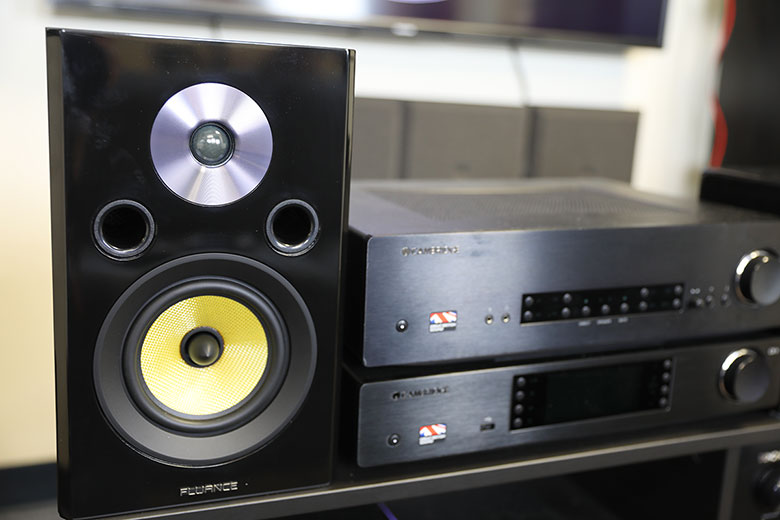
Step 4: Think About Room Size And Listening Habits
The right match also depends on your room and how loud you listen.
- Small rooms: Don’t need huge amps or big speakers
- Large rooms: May need more power and bigger speakers
Example:
For a bedroom, a 20–40W amp and bookshelf speakers are enough.
For a big living room, you might want 80–100W and floor-standing speakers.
Bullet points to remember:
- Louder is not always better; clarity matters more
- Don’t overpay for power you’ll never use
- Consider neighbors and walls—too much power can be a problem
Credit: www.themasterswitch.com
Step 5: Check Speaker And Amp Connections
Matching the numbers is important, but so is the actual connection.
- Speaker terminals: Most home speakers use binding posts or spring clips. Make sure your amp supports the same.
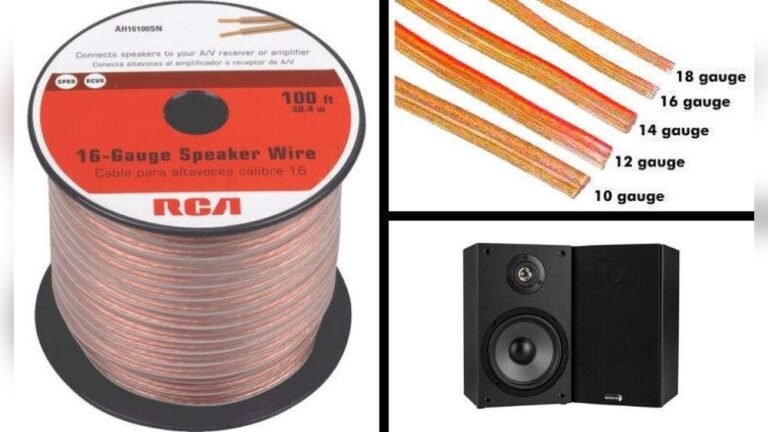
- Speaker wire: Use the right thickness (gauge) for longer runs. For less than 20 feet, 16-gauge wire is usually fine.
Example:
If your speakers have banana plug sockets, make sure your amp can accept banana plugs or bare wire.
Step 6: Avoid Common Mistakes
Even with the right specs, beginners often make these errors:
- Ignoring impedance: Running 4Ω speakers on an 8Ω-only amp can overheat and damage your amp.
- Using too thin wire: Long runs with thin wire can lose signal strength. Use thicker wire for longer distances.
- Confusing peak and RMS: Always match amp and speaker using RMS (continuous) power, not peak.
- Cranking the volume: If the sound distorts, turn it down—this is a sign something’s mismatched or being pushed too hard.
Step 7: Test And Fine-tune
Once you connect everything:
- Start with the volume low.
- Play music and slowly increase volume.
- Listen for distortion or harshness.
- If you hear problems at moderate volume, check your connections and match again.
Practical tip:
If you’re not sure, ask a local audio store for advice or bring your amp and speakers for a test.
Real-world Example: Matching A Popular Amp And Speakers
Let’s say you have a Yamaha A-S301 amp (60W per channel at 8Ω) and want to use Polk Audio T15 speakers (8Ω, 100W RMS, 89dB sensitivity).
- Impedance: Both 8Ω—matches perfectly.
- Power: Amp is 60W/channel, speakers can handle up to 100W—safe and good headroom.
- Sensitivity: 89dB—should be plenty loud in most rooms.
This is a great match for most living rooms and gives you clean, undistorted sound.
When In Doubt: Use Manufacturer Recommendations
Most speaker makers list recommended amp power ranges. Staying within these is a safe bet.
Tip:
When buying new, choose speakers and amps made for home audio. Car audio or pro gear have different requirements.
Advanced Tips For Getting The Best Sound
- Bi-wiring and bi-amping: Some speakers have two sets of terminals for advanced setups. Not needed for most beginners, but can improve performance.
- Speaker placement: Where you put your speakers matters as much as the amp. Try different spots for best sound.
- Room acoustics: Hard floors and walls reflect sound. Add rugs or curtains to soften harshness.
Only Trust Reliable Sources
There’s a lot of advice online, but stick to trusted resources. For more on matching audio gear, see Crutchfield’s guide.
Frequently Asked Questions
How Do I Know If My Amp Is Too Powerful For My Speakers?
If your amp’s RMS output is much higher than the speaker’s RMS rating, it could damage them if you play very loud. But at normal volumes, it’s usually safe. Always turn down the volume if you hear distortion.
Can I Use 4-ohm Speakers With My 8-ohm Amp?
No, unless your amp manual says it supports 4-ohm loads. Using lower impedance speakers can overheat your amp and cause damage.
What Happens If I Use A Weak Amp With Big Speakers?
If you use a very weak amp with large, low-sensitivity speakers, you may not get enough volume. Pushing the amp too hard can also cause “clipping,” which damages the speakers.
Do I Need Expensive Cables For Good Sound?
No. Regular 16-gauge copper wire is enough for most setups. Only use thicker wire for runs longer than 20 feet. Expensive cables rarely make a difference in home setups.
How Loud Will My Speakers Get With My Amp?
It depends on speaker sensitivity, amp power, and room size. For most home use, 20–50 watts per channel with 88–90dB speakers will get plenty loud.
Matching speakers with amps doesn’t have to be a mystery. With a little attention to impedance, power, and sensitivity, you’ll enjoy clear, powerful sound and protect your investment. Take your time, check the specs, and enjoy your music the way it’s meant to sound.

Credit: electromarket.co.uk