
What Size Subwoofer for My Car: Find Your Perfect Bass Match
If you love music while driving, you may have wondered: what size subwoofer is best for your car? Picking the right subwoofer size is not just about getting loud bass. It’s about finding the balance between sound, space, and your budget. Many beginners think bigger is always better, but that’s not always true for every car or listener. Understanding how subwoofer size affects the sound can help you make a smart decision, avoid common mistakes, and enjoy your favorite tracks the way they were meant to be heard.
What Does Subwoofer Size Mean?
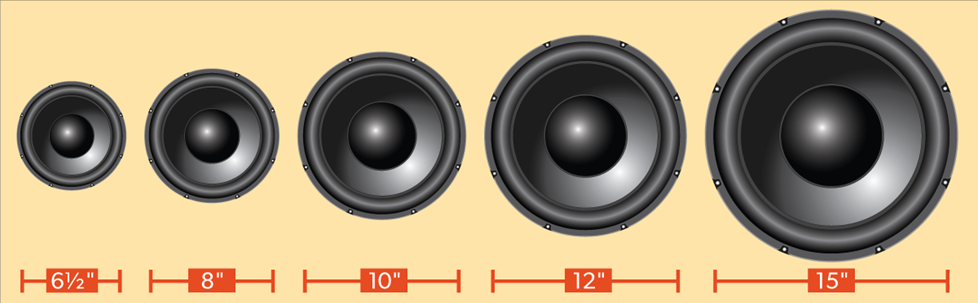
Subwoofers are measured by the diameter of the cone, usually in inches. The most common sizes for car audio are 8-inch, 10-inch, 12-inch, and 15-inch subwoofers. The size affects how much air the subwoofer moves, which changes the sound you hear.
- Smaller subwoofers (like 8-inch) are quick and punchy.
- Larger subwoofers (like 15-inch) are deep and powerful.
But size is just one part of the story. Other factors, like the enclosure type, power, and your car’s space, also matter.
Common Subwoofer Sizes And Their Features
Let’s look at the four most popular sizes, what they do well, and where they might fit best.
8-inch Subwoofers
These are the smallest common size. They fit easily in tight spaces, like under a seat or in a small trunk.
Best for:
- Compact cars
- Listeners who want a little bass, but not too much
- People who listen to rock, country, or pop
Pros:
- Quick, tight response (great for fast beats)
- Easy to install in small spaces
- Less power needed
Cons:
- Not as much deep bass as bigger subs
Example: If you drive a small hatchback and just want to improve the factory sound, an 8-inch subwoofer can make a big difference without taking up much space.
10-inch Subwoofers
A popular choice for many car owners. They give more bass than 8-inch, but are still easy to fit in most cars.
Best for:
- Sedans, small SUVs
- Balanced music (pop, hip-hop, electronic)
Pros:
- Good mix of punch and depth
- Fits in many vehicles
- Works well with most music types
Cons:
- May not shake the car like a 12″ or 15″ sub
Example: A 10-inch sub is a smart upgrade for a mid-size sedan if you want clear, punchy bass for everyday music.
12-inch Subwoofers
The most popular size for car bass lovers. Known for strong, deep bass that you can feel.
Best for:
- Larger cars, SUVs, and trucks
- Bass-heavy music (hip-hop, EDM, reggae)
Pros:
- Powerful, deep bass
- Still fits in most trunks
- Handles high power well
Cons:
- Needs more space and power than smaller subs
Example: If you want your music to thump, and you have a sedan with a decent trunk, a 12-inch subwoofer is a great choice.
15-inch Subwoofers
These are for serious bass fans. They create deep, room-shaking bass but need a lot of space.
Best for:
- Large SUVs, vans, trucks
- People who want the loudest, deepest bass
Pros:
- Maximum bass output
- Great for bass competitions
Cons:
- Takes up a lot of space
- Needs a strong amplifier
- Can be too much for everyday listening
Example: If you have a big SUV and want to impress at car shows, a 15-inch sub (or two!) can turn your car into a rolling concert.

Credit: audiointensity.com
How Subwoofer Size Affects Sound
Choosing the right subwoofer size is about matching the sound you want to the space you have.
- Smaller subwoofers (8″, 10″): Fast, accurate bass. Good for music with quick beats.
- Larger subwoofers (12″, 15″): Louder, deeper bass. Good for music with long, heavy bass notes.
But here’s something many beginners miss: even a large subwoofer can sound weak if the box or amp is wrong. And a small sub can sound great if everything is set up well.
Practical Example
Imagine you have a Honda Civic (a small sedan):
- If you pick a 15-inch sub, it might not fit, or it could rattle the whole car.
- A 10-inch or 12-inch sub in a good box will give you strong, clean bass without problems.
Factors To Consider Before Choosing Subwoofer Size
Not sure what size is best? Think about these points:
1. Car Size And Available Space
- Small cars: Usually best with 8″ or 10″ subs. Space is limited.
- Mid-size cars: Can fit 10″ or 12″ subs.
- SUVs/Trucks: More room for 12″ or 15″ subs.
Tip: Always measure your trunk or under-seat area before buying.
2. Music Taste
- Rock, pop, jazz: 8″ or 10″ subs are often enough.
- Hip-hop, EDM, reggae: 12″ or 15″ subs give deeper, louder bass.
Think about the music you listen to the most.
3. Power And Amplifier
Bigger subs need more power. Make sure your amplifier can handle the subwoofer you pick.
- 8″ sub: 150–300 watts RMS
- 10″ sub: 200–400 watts RMS
- 12″ sub: 300–600 watts RMS
- 15″ sub: 500–1000+ watts RMS
If you use a weak amp with a big sub, the sound will be poor.
4. Budget
Larger subs and stronger amps cost more. Don’t forget to include the price of the enclosure, wiring, and installation.
5. Enclosure Type
The box you put the subwoofer in (sealed, ported, bandpass) changes the sound:
- Sealed box: Tight, accurate bass. Needs more power.
- Ported box: Louder, deeper bass. Needs more space.
Tip: Make sure the enclosure matches your sub size and your car.
Subwoofer Size Comparison Table
Here’s a quick look at how the sizes compare:
| Subwoofer Size | Space Needed | Best For | Power Range (RMS) |
|---|---|---|---|
| 8-inch | Very small | Light bass, small cars | 150–300W |
| 10-inch | Small to medium | Balanced sound | 200–400W |
| 12-inch | Medium to large | Deep bass | 300–600W |
| 15-inch | Large | Maximum bass | 500–1000+W |
Common Mistakes Beginners Make
It’s easy to get excited and buy the biggest subwoofer you can afford. Here are some mistakes to avoid:
- Choosing a sub that’s too big: If the sub doesn’t fit, or your amp can’t power it, you waste money and sound quality.
- Ignoring the enclosure: A great sub in a bad box will sound weak.
- Not upgrading the car battery or alternator: Big subs draw more power. Your car’s electrical system must keep up.
- Focusing only on bass: A balanced sound is more enjoyable than just loud bass.
- Forgetting about installation costs: Professional installation often makes a big difference.
How Many Subwoofers Should You Get?
Most beginners start with one subwoofer. It’s easier and cheaper, and it can still produce plenty of bass. But some music fans add a second sub for extra volume or a smoother sound.
Tip: For most cars, one good 10″ or 12″ sub is enough.
Which Subwoofer Size Is Best For You? (quick Guide)
Here’s a simple way to choose:
- Want a little extra punch? Go with an 8″ or 10″ sub.
- Love bass-heavy music? Choose a 12″.
- Want to shake the block? Pick a 15″ (if you have space).
Example: If you drive a Toyota Corolla, listen to pop and R&B, and don’t want to lose your trunk, a 10-inch sub in a sealed box is a smart, balanced choice.
Practical Examples For Different Cars
Let’s match subwoofers to some popular cars:
| Car Model | Suggested Sub Size | Why |
|---|---|---|
| Honda Civic (compact sedan) | 8″ or 10″ | Limited trunk space, needs tight bass |
| Toyota Camry (mid-size sedan) | 10″ or 12″ | More space, can handle deeper bass |
| Ford F-150 (truck) | 12″ or 15″ | Large cabin, room for big sub |
| Jeep Grand Cherokee (SUV) | 12″ | Big trunk, works well for most music |
| Mini Cooper (compact hatch) | 8″ | Very limited space |
Two Insights Beginners Often Miss
- Bigger isn’t always better: An 8″ or 10″ sub in a good enclosure can sound better than a poorly installed 15″.
- Sound tuning matters: The way your subwoofer is tuned (crossover, gain, placement) can change the sound more than size alone.
Credit: www.crutchfield.com
How To Install Your Subwoofer For Best Results
After choosing the right size, install it well for the best sound.
- Use a professional installer if you’re not confident. Bad wiring can damage your car or your sub.
- Seal the enclosure tightly to stop air leaks.
- Tune the amplifier: Set the gain and crossover for clean, distortion-free bass.
- Secure the subwoofer so it does not move when you drive.
Subwoofer Size And Enclosure Volume
Every subwoofer needs a certain amount of air space in the enclosure to work well. Check the manufacturer’s specs for “recommended box volume. ”
Example: A 12-inch sub might need 1.25 cubic feet for a sealed box, or 2 cubic feet for a ported box.
Tip: Too small a box = weak bass. Too big a box = muddy sound.
Where To Find More Information
If you want to learn about subwoofer sizes, car audio forums and guides are a good start. For in-depth specs and car fit guides, check out the Crutchfield Subwoofer Size Guide.
Frequently Asked Questions
What Is The Most Popular Subwoofer Size For Cars?
The 12-inch subwoofer is the most popular because it offers a great balance between deep bass and reasonable space needs. It fits most cars and works well with many music styles.
Can I Use More Than One Subwoofer In My Car?
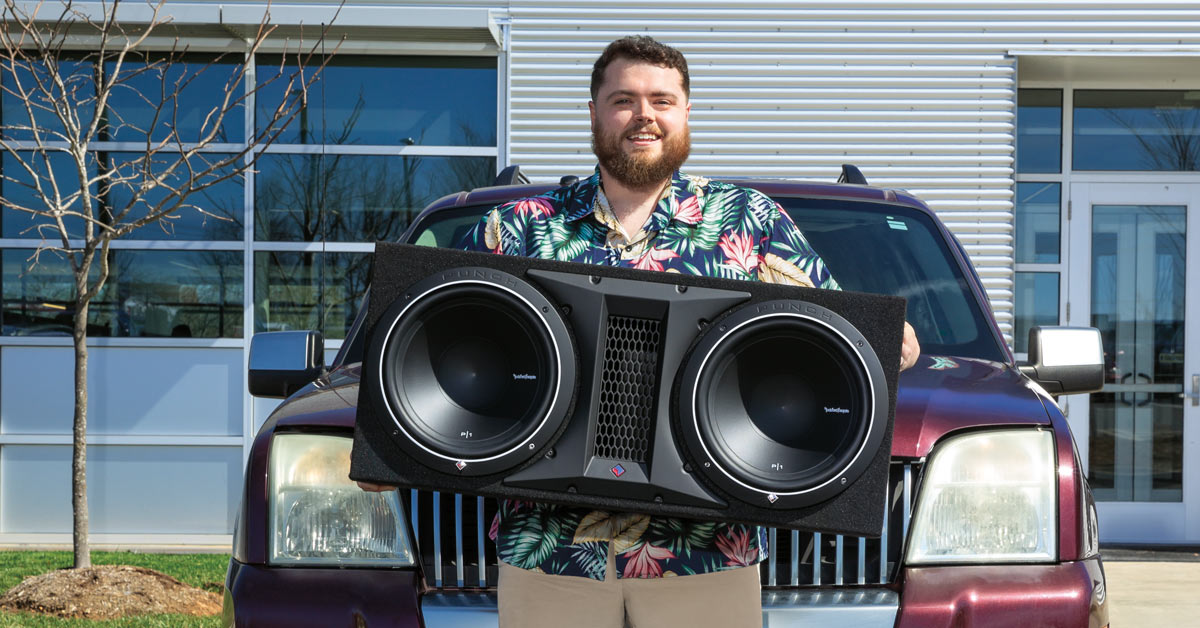
Yes, you can use two or more subwoofers for extra volume or smoother sound. But for most beginners, one good sub is enough. Multiple subs need more space, power, and careful installation.
Does Subwoofer Size Affect Sound Quality?
Yes. Smaller subs are faster and more accurate, while larger subs produce deeper, louder bass. But sound quality also depends on enclosure, amp, and tuning.
Will A Bigger Subwoofer Drain My Car Battery?
Larger subwoofers use more power, which can stress your car’s battery and alternator if not upgraded. For most setups, a healthy car battery is enough, but high-power systems may need an upgrade.
Is It Better To Have A Sealed Or Ported Box For My Subwoofer?
Sealed boxes give tight, accurate bass. Ported boxes are louder and deeper but need more space. Your choice depends on your music taste, car size, and subwoofer specs.
Choosing the right subwoofer size for your car is about more than just numbers. Think about your car, your favorite music, and your budget. Take time to plan, measure, and ask for advice. The right subwoofer can turn every drive into a concert, but only if it fits your needs and your car. With the right setup, you’ll enjoy music like never before.
Credit: www.crutchfield.com