What is DSP in Car Audio: Unlock Superior Sound Quality Today
If you want your car’s audio system to sound its absolute best, understanding what a DSP is can make all the difference. You might have noticed this term popping up when looking at car audio upgrades but weren’t quite sure what it meant or why it matters.
A DSP, or Digital Signal Processor, is the secret weapon that transforms ordinary sound into an immersive, crystal-clear listening experience tailored just for your vehicle. Imagine being able to adjust every speaker’s output perfectly so the music feels like it’s coming right from the center of your car, no matter where you sit.
That’s exactly what a DSP helps you do. By controlling things like equalization, timing, and crossover points, it eliminates the common sound problems caused by your car’s interior shape and speaker placement. Keep reading, and you’ll discover how a DSP works, why it’s essential for upgrading your car audio, and how it can take your music from average to extraordinary. This knowledge will help you make smarter decisions about your next audio upgrade and get the sound quality you’ve always wanted.
Credit: www.theaudiogarage.com
Dsp Basics
Understanding DSP basics is essential for anyone interested in car audio. DSP stands for Digital Signal Processor. It improves the sound quality inside your vehicle. It adjusts audio signals to match your car’s unique space and speakers. This section explains what a DSP is and how it works in cars.
What Is A Dsp
A DSP is a small computer designed to process sound signals. It changes audio data to improve clarity and balance. Unlike simple volume controls, a DSP can adjust many sound elements. It can boost bass, reduce noise, and correct speaker delays. It works with digital signals, making it very precise. Many modern car audio systems include a DSP for better sound.
How Dsp Works In Cars
In cars, sound faces many challenges. The shape and materials inside a vehicle affect how sound waves travel. DSP fixes these issues by changing the audio signal before it reaches the speakers. It uses equalization to adjust frequencies. It applies crossovers to send the right sounds to the correct speakers. It also uses time alignment to sync sound from all speakers. This creates a clearer and more balanced listening experience.
Key Dsp Functions
A Digital Signal Processor (DSP) in car audio offers several key functions that improve your listening experience. It modifies sound signals to fit your car’s unique space. These functions help create clear, balanced, and immersive sound. Understanding these features clarifies why DSPs are popular in car audio systems.
Time Alignment
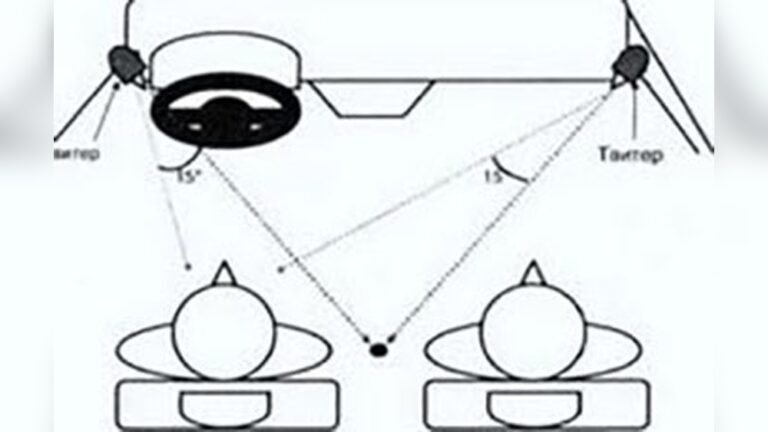
Time alignment adjusts the timing of sound from each speaker. It delays audio signals so all sounds reach your ears simultaneously. This corrects differences in speaker placement. The result is a more natural and focused soundstage. You hear music as if it is happening live in front of you.
Precision Equalization
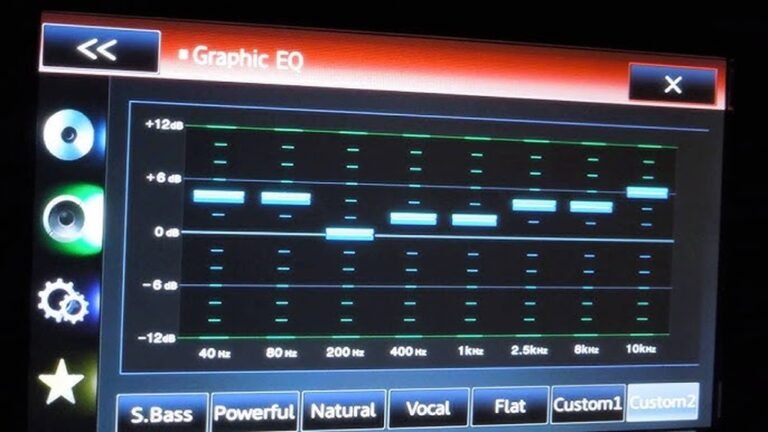
Precision equalization shapes the frequency response of your audio. It adjusts bass, midrange, and treble tones to suit your preferences. The DSP can fix peaks and dips caused by your car’s acoustics. This tuning creates clear and balanced sound. Every instrument and voice becomes easier to hear.
Active Crossovers
Active crossovers split the audio signal into different frequency bands. They send bass to subwoofers and highs to tweeters. This prevents distortion and damage to speakers. The DSP controls crossover points and slopes precisely. This control improves sound clarity and speaker performance.
Factory System Integration
Factory system integration allows the DSP to work with your car’s original audio system. It blends new sound processing with factory-installed speakers and head units. This integration preserves vehicle functions like steering wheel controls. It enhances sound without needing to replace the entire audio setup.
Benefits Of Dsp
Digital Signal Processors (DSP) offer many benefits in car audio systems. They improve the listening experience by making sound clearer and more balanced. The ability to fine-tune audio makes DSP an essential tool for many car audio enthusiasts.
Improved Soundstage
DSP helps create a better soundstage inside your car. It adjusts the timing and volume of each speaker. This makes the music feel like it comes from around you, not just from the speakers. You hear instruments and voices in their correct places.
Correcting Acoustic Issues
Cars have many surfaces that reflect and absorb sound. DSP fixes problems caused by these reflections. It reduces echoes and unwanted noises. This makes music sound cleaner and less distorted. Even small cars can sound like concert halls with DSP.
Customized Sound Profiles
DSP allows you to create sound profiles that suit your taste. You can adjust bass, treble, and midrange easily. Different drivers or passengers can have their own settings. This personal touch makes every trip more enjoyable and comfortable.
Dsp Vs Amplifier
Understanding the difference between DSP and amplifiers is key to improving car audio. Both play vital roles but serve different purposes. Choosing the right one depends on your audio needs and car setup.
When To Choose Dsp
DSP stands for Digital Signal Processor. It changes and adjusts sound signals to improve clarity. Use a DSP if you want precise sound control. It helps balance speakers and fix car acoustic problems. DSP is perfect for fine-tuning and making music sound natural. It does not increase volume but improves quality.
When To Choose Amplifier
An amplifier makes your speakers louder by increasing power. Pick an amplifier if you want more volume or bass. It drives your speakers with stronger signals for better sound impact. Amplifiers do not change the sound quality much. They focus on giving power and clean output to speakers.
Hybrid Solutions
Some car audio systems combine DSP and amplifiers in one unit. These hybrids give you control and power together. You get clear, tuned sound with enough volume. Hybrid systems save space and simplify installation. They suit users who want both loudness and sound precision.
Dsp Installation Options
Digital Signal Processors (DSPs) improve car audio by shaping sound to fit your vehicle. Installing a DSP can happen in different ways, depending on your setup and goals. Each option offers unique benefits and fits various budgets and skill levels.
Standalone Dsp Units
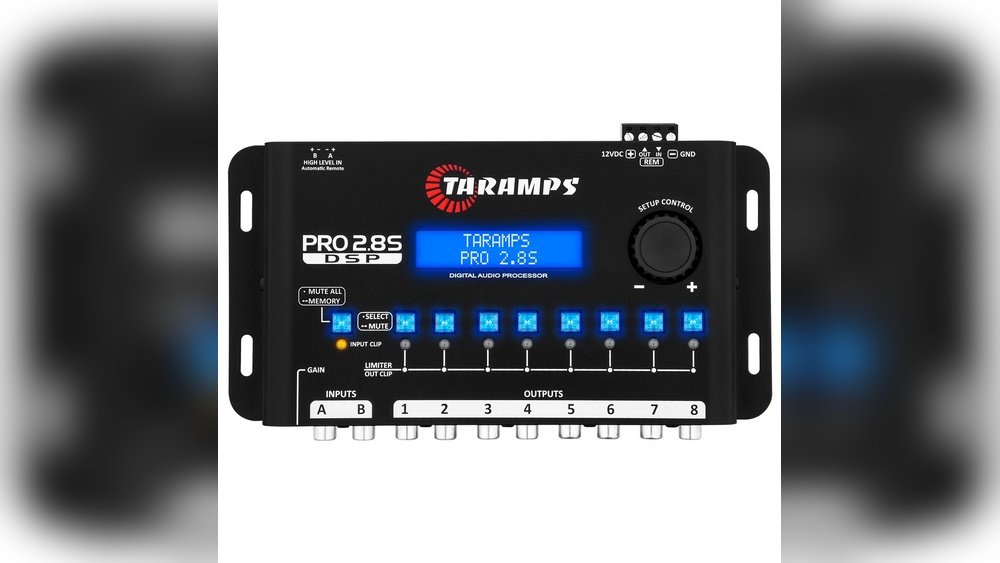
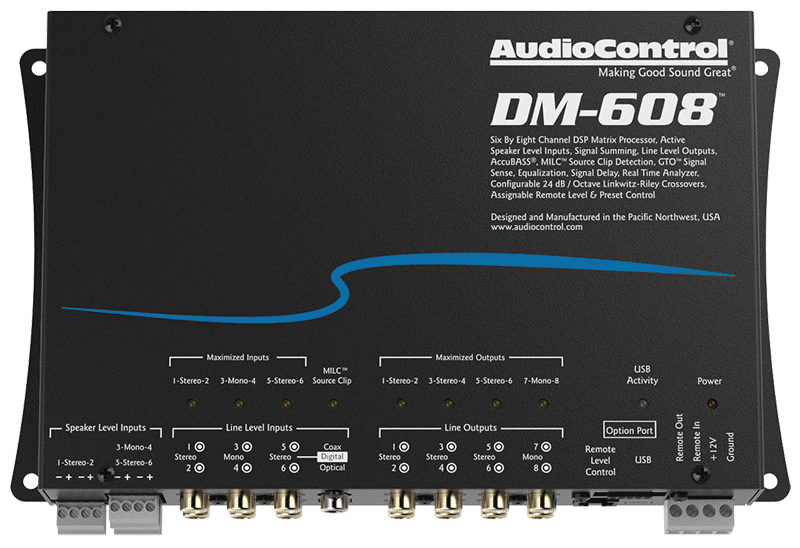
Standalone DSP units are separate devices dedicated to sound processing. They connect between your head unit and amplifiers. These units give full control over equalization, time alignment, and crossover settings. You can customize your audio system with high precision. Standalone DSPs suit those who want advanced tuning and flexibility.
Dsp Built Into Amplifiers
Some amplifiers include built-in DSP features. These combo units save space and simplify installation. They handle both power amplification and sound processing. This option reduces the number of components needed. It works well for users who want improved sound without extra devices.
Integration With Factory Systems
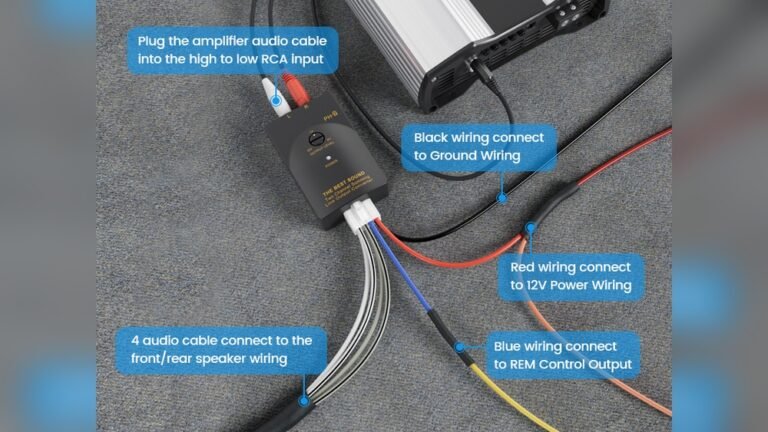
DSPs can also integrate with factory audio systems. These units work with the car’s original head unit and speakers. They enhance sound quality while keeping the factory look. Integration DSPs often use digital inputs to avoid signal loss. This choice fits drivers who want better sound but prefer to keep their factory setup.

Credit: hertz-audio.com
Common Dsp Terms
Understanding common DSP terms helps you grasp car audio technology better. These terms explain how sound improves inside your vehicle. Each plays a unique role in shaping audio performance. Below are key DSP terms you should know.
Digital Sound Processor
A Digital Sound Processor (DSP) is a small computer that changes sound signals. It uses digital math to fix and improve audio quality. DSP adjusts bass, treble, and balance for clearer sound. It also controls timing to match each speaker’s location.
Audio Signal Processor
An Audio Signal Processor handles sound signals to make them better. It can filter out noise and unwanted sounds. This processor shapes audio by adjusting frequencies and levels. It helps produce a clean and natural sound inside your car.
Smart Amplifier
A Smart Amplifier combines sound boosting and processing in one device. It powers speakers while adjusting sound details automatically. This amplifier optimizes volume and clarity without extra parts. It saves space and delivers balanced sound easily.
Challenges And Limitations
Using a DSP in car audio comes with some challenges and limits. These factors can affect your overall experience and setup choices. Understanding these issues helps in deciding if a DSP fits your needs.
Additional Components Needed
A DSP often requires extra hardware to work properly. For example, anti-aliasing filters must be installed before the analog-to-digital converter (ADC). This prevents signal distortion during digital processing.
After the digital-to-analog converter (DAC), a reconstruction filter is also necessary. These parts add complexity and cost to your car audio system. They need space and proper installation.
Power Consumption
DSPs use more power than simple amplifiers. They process signals at high speeds and use many internal resources. This can put extra load on your car’s electrical system.
Higher power use may affect battery life and alternator performance. This is important to consider for long drives and older vehicles. Efficient power management becomes a priority.
Complexity Of Setup
Setting up a DSP is not always easy. It requires knowledge of audio tuning and software control. Many users find the configuration process time-consuming and tricky.
Precise adjustments for equalization, crossovers, and time alignment are necessary. Without proper setup, a DSP may not improve sound quality as expected. Professional help or learning is often needed.
Choosing The Right Dsp
Choosing the right DSP is essential for improving your car’s audio system. A good DSP lets you tailor sound to your preferences. It balances frequencies, reduces noise, and times audio signals perfectly. This section helps you decide on the best DSP for your needs and car setup.
Assessing Your Audio Goals
Start by defining what you want from your car audio. Do you want clearer vocals or deeper bass? Maybe you need to fix sound issues caused by your car’s shape. Knowing your audio goals helps find a DSP with the right features. Some DSPs focus on equalization, others on sound staging or noise reduction.
Compatibility With Your Vehicle
Check if the DSP fits your car’s audio system. It must work with your head unit, amplifier, and speakers. Some DSPs connect easily to aftermarket radios, while others suit factory setups. Look for DSPs that offer easy installation and have the right inputs and outputs. A compatible DSP ensures smooth integration and better sound quality.
Budget Considerations
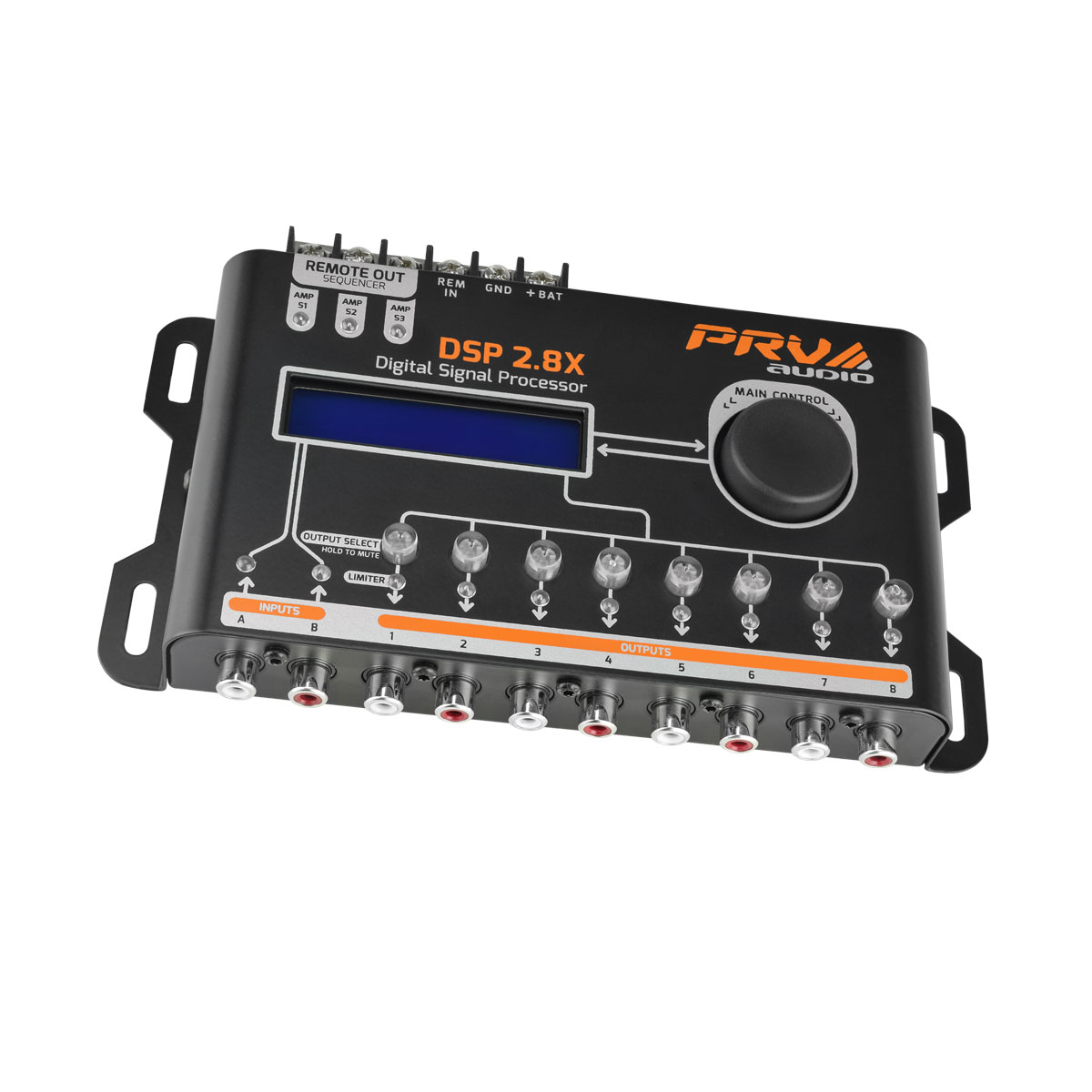
Set a clear budget before shopping for a DSP. Prices vary from basic models to advanced processors with many features. Basic DSPs cover essential sound tuning well. Higher-end models offer more control and better audio quality. Choose a DSP that balances cost with the features you need. Don’t overspend on features you won’t use.
Credit: prvaudio.com
Frequently Asked Questions
Is Dsp Necessary For Car Audio?
A DSP is not always necessary but greatly improves sound quality by optimizing equalization, crossovers, and timing for each speaker. It corrects acoustic flaws and enhances clarity, especially in complex car environments. For precise audio tuning, a DSP is highly recommended.
What Are The Disadvantages Of Dsp?
Disadvantages of DSP include increased system complexity and cost. It requires additional components and higher power consumption. DSPs may introduce latency and need technical knowledge to optimize settings effectively.
Is Dsp Better Than Amp For Car Audio?
DSP enhances sound precision and tuning, while amplifiers boost volume and power. Choose DSP for clarity; amp for loudness.
Do I Need A Dsp If I Have An Aftermarket Radio?
A DSP isn’t mandatory with an aftermarket radio but enhances sound quality by optimizing equalization, timing, and crossover control.
Conclusion
A DSP improves car audio by controlling sound precisely. It balances each speaker’s output for clear audio. You hear music as the artist intended inside your vehicle. DSP helps fix common sound problems caused by car interiors. It offers more control than basic stereo systems alone.
Choosing a DSP depends on your audio needs and setup. Simple tweaks can make a big difference in sound quality. Understanding DSP helps you enjoy better music on every drive.