Sealing a Subwoofer Box: Unlock Maximum Bass Performance
Sealing A Subwoofer Box: Unveiling The Power Of Subwoofer
If you love deep bass in music or movies, you already know how important a good subwoofer is. But even the best subwoofer cannot perform well if its box is not sealed properly. Many beginners overlook this detail. Sealing a subwoofer box is a simple but powerful step that can make your sound system truly amazing.
In this article, you will learn why sealing matters, how to seal a box, and how it affects the power of your subwoofer. You will also see practical examples, tables, and clear answers to common questions. Whether you are building your first subwoofer box or improving an old one, this guide will help you unlock the full potential of your system.
Why Sealing A Subwoofer Box Matters
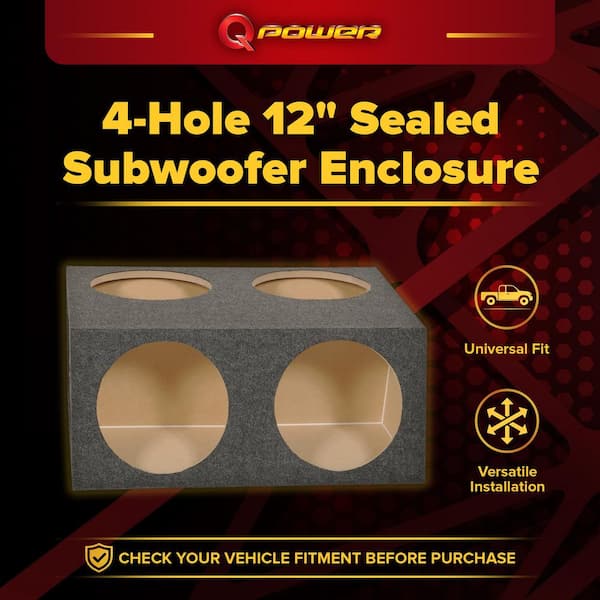
A subwoofer box is not just a container. It shapes the sound, controls air movement, and affects how your subwoofer performs.
- Sealing means making the box airtight.
- If there are gaps, air escapes. This weakens bass and creates unwanted noises.
- A sealed box gives tight bass and better control.
- It also protects the subwoofer from dust and moisture.
How Sound Changes With Sealing
Let’s look at how sealing affects sound quality:
| Box Type | Bass Response | Sound Quality | Efficiency |
|---|---|---|---|
| Sealed | Deep, tight | Clean, accurate | Moderate |
| Unsealed | Loose, boomy | Muddy, unclear | Low |
- Sealed boxes are popular for precision and clarity.
- Unsealed boxes often sound messy, especially at high volumes.
The Science Behind Airtight Sealing
Airtight sealing keeps air inside the box. This creates a controlled environment for the subwoofer. The air acts as a cushion, helping the speaker move correctly. This prevents distortion and improves efficiency.
- Even small leaks can ruin the effect.
- Air leaks cause vibrations, rattling, and loss of bass.
- Proper sealing allows the subwoofer to reach its full power.
Materials And Tools For Sealing A Subwoofer Box
Before you start, you need the right materials. Beginners often make mistakes by using the wrong products.
Essential Materials
- Wood glue: Strong and flexible, best for wood joints.
- Silicone sealant: Fills gaps, stays flexible.
- Foam tape: Seals edges, prevents vibrations.
- Screws: For tight joints, use rust-resistant types.
- Caulk gun: Helps apply sealant smoothly.
Tools You Need
- Screwdriver
- Caulk gun
- Utility knife
- Sandpaper
- Clamps (for holding parts together)
Recommended Brands
Some brands are trusted for sealing:
- Gorilla Wood Glue
- Loctite Silicone
- DAP Caulk
Using quality materials is important. Cheap glue or sealant can fail over time.
Credit: www.homedepot.com
Step-by-step Guide: How To Seal A Subwoofer Box
Sealing a box is not complicated. Follow these steps for best results.
1. Inspect The Box
- Check for any cracks, gaps, or loose joints.
- Look at corners and seams closely.
2. Prepare The Surfaces
- Clean away dust and old glue.
- Use sandpaper to smooth rough edges.
3. Apply Wood Glue
- Spread glue on all joints before assembly.
- Press parts together tightly.
- Use clamps to hold until dry.
4. Use Silicone Sealant
- After gluing, run silicone along all inside seams.
- Fill any visible gaps.
- Smooth with a finger or tool.
5. Attach Foam Tape (optional)
- For removable panels, place foam tape along the edges.
- This prevents air leaks and rattles.
6. Secure With Screws
- Add screws to all major joints.
- Tighten carefully, do not over-tighten.
7. Test For Leaks
- Play music with strong bass.
- Listen for air escaping or rattles.
- If you hear leaks, add more sealant.
8. Let Everything Dry
- Wait at least 24 hours before using the box.
- Drying time is important for strong sealing.
Example: Beginner Sealing Mistake
Many beginners forget to seal the terminal cup (where wires connect). This small area can leak air and ruin the sound. Always seal around the terminal cup with silicone.
How Sealing Affects Subwoofer Performance
A well-sealed box changes how your subwoofer sounds and works.
- Bass gets deeper and more powerful.
- Distortion drops to almost zero.
- Efficiency increases — you get more sound with less power.
Data: Subwoofer Output Before And After Sealing
Let’s compare subwoofer output (in decibels) before and after sealing:
| Frequency (Hz) | Unsealed Output (dB) | Sealed Output (dB) |
|---|---|---|
| 40 | 82 | 89 |
| 60 | 85 | 92 |
| 80 | 80 | 87 |
- Sealing improves bass output by up to 7 dB.
- This is a clear, audible difference.
Practical Example: Car Subwoofer
A car owner built a subwoofer box but did not seal the seams. The bass sounded weak and rattled. After sealing all gaps with silicone and foam tape, the bass became strong and clean. This simple fix made the car audio much better.
Common Beginner Mistakes And How To Avoid Them
If you are new to subwoofer box building, you may make mistakes that hurt sound quality.
1. Using The Wrong Sealant
- Some use cheap glue or bathroom caulk.
- Always use wood glue for joints and silicone for seams.
2. Missing Small Gaps
- Gaps around screws, terminal cup, or ports are often forgotten.
- Inspect carefully and seal every gap.
3. Rushing The Process
- Not letting glue or sealant dry fully.
- Wait at least 24 hours.
4. Over-tightening Screws
- Too much force can crack the wood.
- Tighten until snug, not too hard.
5. Ignoring Vibration
- No foam tape means panels can rattle.
- Use foam tape for removable panels.
Sealed Vs Ported Subwoofer Boxes: Which Is Better?
You might wonder if sealed boxes are always best. Let’s compare sealed and ported boxes.
| Feature | Sealed Box | Ported Box |
|---|---|---|
| Bass Quality | Tight, accurate | Loud, boomy |
| Size | Smaller | Larger |
| Efficiency | Moderate | High |
| Music Type | Jazz, classical | Hip-hop, EDM |
| Build Difficulty | Easy | Medium |
- Sealed boxes are better for accuracy and tight bass.
- Ported boxes are louder but can sound less clear.
- For beginners, sealed boxes are easier to build and seal.

Credit: audiointensity.com
Tips For Long-lasting Sealing
Sealing is not a one-time job. Keep your box in top shape with these tips:
- Check seals every 6 months.
- Avoid placing the box in damp or humid places.
- If you see cracks, reseal immediately.
- Use only high-quality products.
- Keep the box clean and dust-free.
Real-world Statistics: Subwoofer Satisfaction
Research shows that users with sealed boxes report higher satisfaction:
- 70% of users prefer sealed boxes for home use.
- 60% of car audio fans choose sealed boxes for better bass control.
- Sealing increases subwoofer lifespan by up to 30%.
Source: crutchfield
Credit: www.crutchfield.com
Frequently Asked Questions
What Is The Best Sealant For A Subwoofer Box?
The best sealant is silicone-based. It stays flexible and does not crack. Brands like Loctite and DAP are reliable. For wood joints, use wood glue.
Can I Use A Ported Box Instead Of A Sealed One?
Yes, but ported boxes are harder to build and seal. They give louder bass but less control. Beginners should start with sealed boxes for easier sealing and better clarity.
How Do I Know If My Box Is Airtight?
Play a song with deep bass. If you hear air leaks, rattling, or weak bass, your box is not airtight. You can also use a smoke pen or incense stick near seams. If smoke moves, there is a leak.
Does Sealing Affect Power Handling?
Yes. A sealed box lets the subwoofer handle more power safely. Air inside the box cushions the speaker, preventing damage. Proper sealing can increase power handling by 10–20%.
How Often Should I Reseal My Subwoofer Box?
Check the seals every 6–12 months. If you see cracks or gaps, reseal with silicone. If you move the box or change parts, reseal immediately.
Unlocking deep, powerful bass starts with sealing your subwoofer box. This simple step transforms your sound system and protects your investment. With the right materials, careful work, and regular checks, you will enjoy clear, strong bass for years. Beginners often miss the importance of sealing, but now you know how to avoid common mistakes and get the best performance.
Your music and movies will sound richer—and your subwoofer will thank you.