Choosing the Right Alternator Size for Your Car Audio System: Guide
Choosing The Right Alternator Size For Your Car Audio System
Upgrading a car audio system is exciting. But many people forget one key part: the alternator. The alternator powers all electrical systems in your car, including your audio equipment. If your alternator is too small, your new audio system can cause problems like dimming headlights, weak bass, or even damage to electrical parts. Picking the right alternator size is not just about sound—it’s about keeping your car running smoothly.
Why Alternator Size Matters For Car Audio
Your car’s stock alternator is designed for basic needs: lights, wipers, engine, and maybe a small stereo. When you install a powerful audio system, it demands much more power.
- High-power amplifiers and subwoofers need extra energy.
- If your alternator can’t deliver, your battery fills the gap—until it runs out.
- Running a weak alternator can cause electrical failures and shorten battery life.
Example: If you install a 2000-watt amplifier, your power needs might double or triple compared to the stock setup.
How Alternators Work In Car Audio
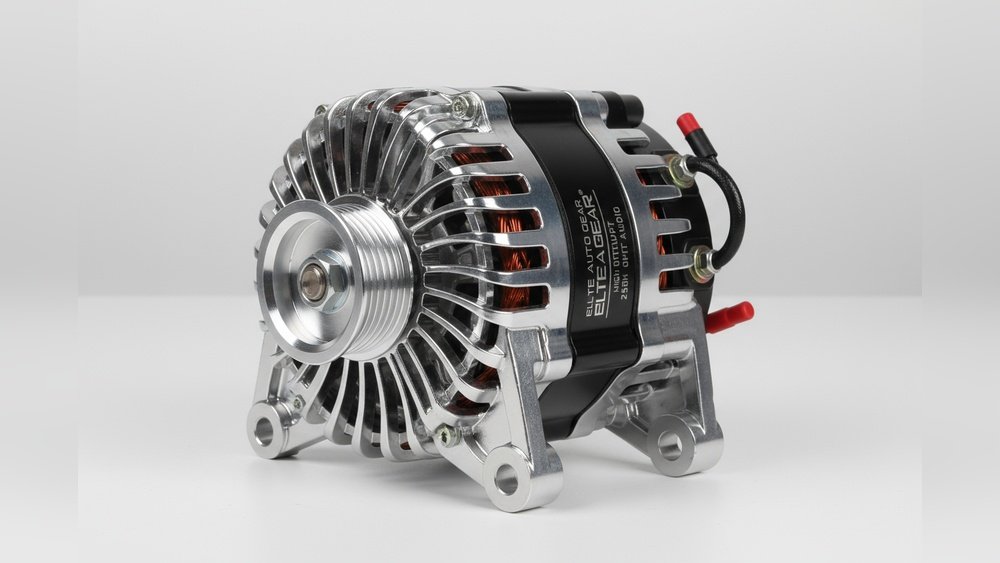
The alternator creates electricity while the engine runs. It sends power to the battery and all electrical devices.
- Standard alternators: Usually produce 70–130 amps.
- High-output alternators: Can supply 200–300+ amps.
If your alternator is too small, your audio system pulls power from the battery. This drains the battery and stresses the alternator.
Calculating Your Car Audio Power Needs
Choosing the right alternator starts with knowing your power requirements.
Step 1: List All Audio Devices
Write down all the components you have or plan to install:
- Head unit (stereo)
- Amplifiers (number and wattage)
- Subwoofers
- Speakers
- Equalizers and processors
Step 2: Find The Current Draw
Most devices list their current draw in amps or watts.
- Convert watts to amps: Amps = Watts / Volts
- Cars use 12–14 volts (use 14V for calculations)
Example calculation:
- 1000-watt amplifier: 1000 / 14 = 71.4 amps
- Head unit: 15 watts / 14 = 1.1 amps
- Speakers: Usually less than 2 amps each
Tip: Always check the manufacturer’s specs.
Step 3: Add Up All Amps
Add the amps needed for each component. Don’t forget factory needs:
- Headlights: 10–15 amps
- Air conditioner: 20–30 amps
- Engine electronics: 20–30 amps
Step 4: Choose Alternator Size
Add the total audio system amps to your car’s standard needs. Then pick an alternator that covers this amount, plus 10–20% extra for safety.
Practical Example: Alternator Sizing
Let’s break down a real-world setup.
- Head unit: 1 amp
- Two amplifiers: 80 amps (total)
- Subwoofer: 5 amps
- Factory needs: 60 amps
Total needed: 1 + 80 + 5 + 60 = 146 amps
Add 15% Extra: 146 X 1.15 = 168 Amps
So, you need at least a 170-amp alternator.
Stock Vs High-output Alternators
It’s important to know the difference between standard and high-output alternators.
| Type | Amps Output | Best For | Common Issues |
|---|---|---|---|
| Stock | 70–130 | Basic car needs | Dimming lights, battery drain |
| High-Output | 150–300+ | Big audio systems | Higher cost, sometimes overheating |
Stock alternators are fine for factory setups. But if your total needs are above 130 amps, a high-output alternator is usually necessary.
Common Mistakes When Choosing Alternator Size
Many beginners make mistakes that cause trouble later.
- Ignoring actual power needs: Guessing instead of calculating.
- Forgetting factory needs: Only counting audio equipment.
- Choosing too small: Leads to battery drain and poor performance.
- Buying oversized alternators: Wastes money and may cause engine strain.
Non-obvious insight: A bigger alternator is not always better. Too large can stress the belt system and create heat issues.

Credit: eliteautogear.com
How To Choose The Best Alternator For Your Car
Follow these steps for smart alternator selection:
- Calculate total amps: Add audio and factory needs.
- Check alternator fit: Make sure the new alternator fits your car’s engine space.
- Consider brand reputation: Quality matters more than price.
- Check cooling: High-output alternators need good cooling, especially in hot climates.
- Warranty and support: Pick a brand with strong warranty and customer service.
Example brands: Mechman, Powermaster, and Ohio Generator are well-known for high-output alternators.
Table: Alternator Size Vs Audio Power Needs
Here’s a quick reference to help you match alternator size to typical audio setups.
| Audio System Power | Recommended Alternator Size | Notes |
|---|---|---|
| Up to 500W | 90–120 amps | Usually stock alternator is enough |
| 500–1200W | 120–180 amps | May need upgrade |
| 1200–2000W | 180–250 amps | Upgrade required |
| 2000W+ | 250–300+ amps | High-output alternator essential |
Important: These are estimates. Always check your actual needs.
Signs Your Alternator Is Too Small
If your alternator can’t keep up, your car will show signs:
- Lights dim when bass hits
- Battery dies quickly
- Engine struggles when audio is loud
- Audio cuts out or distorts
If you notice these, your alternator is probably too small.
Installing A High-output Alternator
Upgrading to a bigger alternator is not just plug-and-play.
- Check the belt size and tension. High-output models may use thicker belts.
- Upgrade wiring. Thicker wires handle higher current safely.
- Check the battery. Old batteries can’t support high power, even with a strong alternator.
- Professional installation is often best, especially if you’re not experienced.
Alternator Efficiency And Real-world Output
Alternators are rated for peak output, but real-world conditions can lower this.
- Heat reduces alternator efficiency.
- Idle speed (engine running slow) creates less power.
- Accessories like air conditioning use extra amps.
Tip: Always choose an alternator rated 15–20% higher than your calculated needs.
Battery Vs Alternator: Who Powers The System?
Many people think the battery powers their audio system. Actually, the alternator does most of the work when the engine is running.
- The battery is a backup for starting the engine.
- The alternator supplies power for everything else.
- If the alternator is weak, the battery gets drained.
Non-obvious insight: Upgrading the battery without upgrading the alternator will NOT solve power problems for large audio systems.
Upgrading Other Electrical Components
When you install a bigger alternator, other parts may need upgrades too.
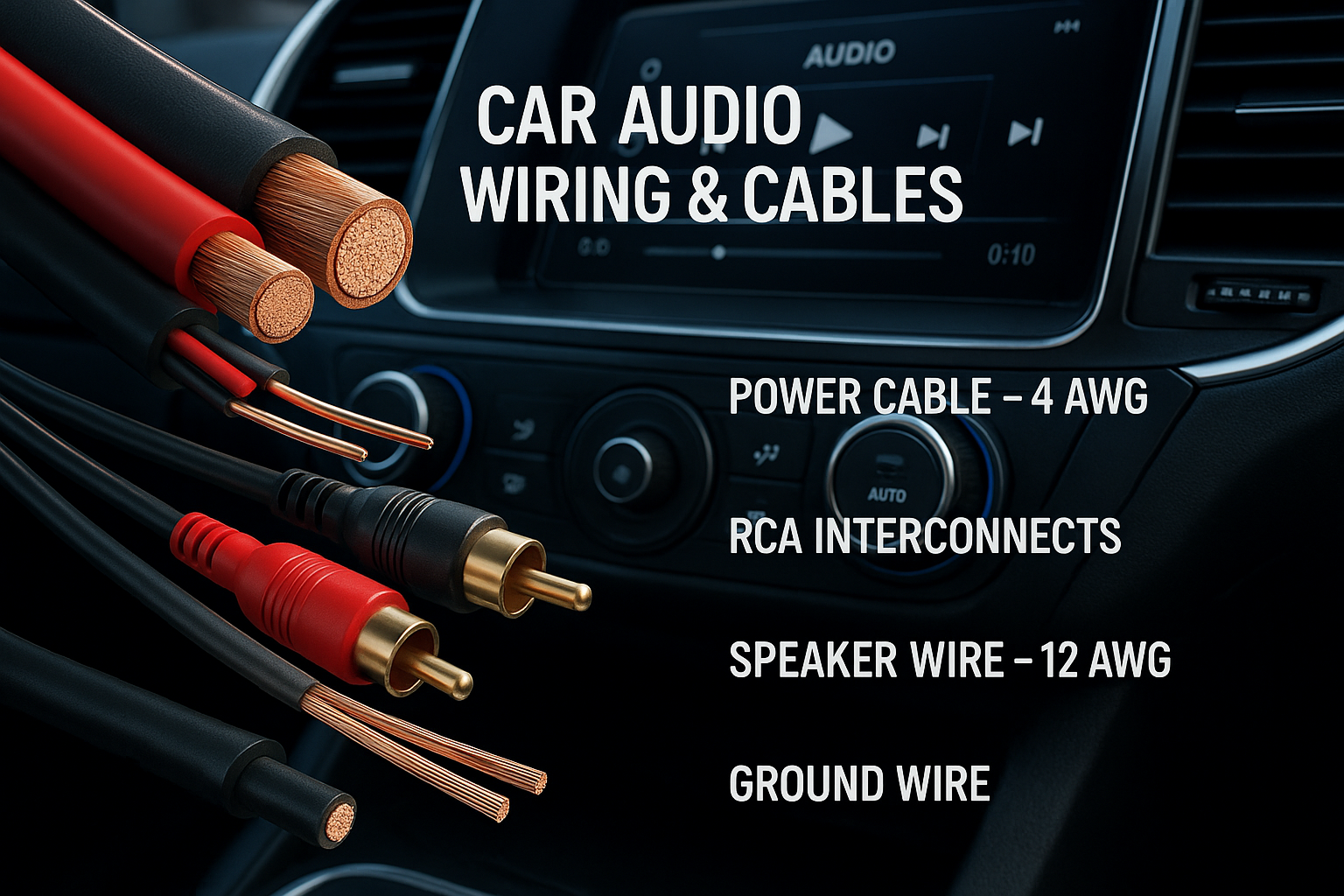
- Wiring: Use thicker cables to handle higher amps.
- Fuses: Make sure fuses are rated for the new current.
- Battery: Consider a high-performance battery.
- Ground connections: Clean and strengthen ground points.
These upgrades help prevent overheating and keep your system safe.
Practical Tips For Beginners
- Start with calculations: Never guess your needs.
- Ask for help: Car audio shops can measure your current draw.
- Plan for future upgrades: Leave room for new components.
- Check local laws: Some states limit alternator upgrades for emissions.
Example: If you plan to add more amplifiers later, buy an alternator that can handle future growth.
Credit: eliteautogear.com
Table: Audio System Component Amp Draw
Use this quick guide to estimate current draw for common audio parts.
| Component | Typical Amp Draw |
|---|---|
| Head Unit | 1–2 amps |
| Amplifier (500W) | 35–40 amps |
| Amplifier (1000W) | 70–80 amps |
| Subwoofer | 5–10 amps |
| Speakers (each) | 1–2 amps |
| Factory electronics | 50–70 amps |
Choosing Between Aftermarket And Oem Alternators
You can buy OEM (original equipment) or aftermarket (custom) alternators.
- OEM: Designed for your car, reliable, but limited output.
- Aftermarket: Higher power, more choices, but may need custom installation.
Tip: Aftermarket alternators are best for big audio systems, but check fit and compatibility.
Where To Find Reliable Alternator Data
Manufacturer websites and car audio forums are great sources. For technical specs, check out Crutchfield, which offers detailed alternator guides and product reviews.
Frequently Asked Questions
How Do I Know If My Alternator Is Failing?
Watch for dim lights, weak audio, and battery warning lights. If your system cuts out when music gets loud, your alternator may be too small or failing.
Can I Use My Stock Alternator For A 1000-watt Audio System?
Usually not. Most stock alternators max out at 90–130 amps. A 1000-watt system often needs 140–180 amps. Upgrading is recommended.
What Happens If My Alternator Is Too Large?
If it’s much larger than needed, it can strain the engine belt, create extra heat, and waste money. Choose an alternator just a bit bigger than your calculated needs.
Should I Upgrade My Battery Too?
Yes, especially if your battery is old or weak. But remember—the alternator is the main power source when the engine runs. Upgrading both is best for high-power audio.
Is A High-output Alternator Hard To Install?
It can be tricky. Some cars need custom brackets, wiring upgrades, and belt changes. If you’re not experienced, a professional installer is recommended.
Choosing the right alternator is key for a safe, reliable, and powerful car audio system. With careful calculations and smart upgrades, you’ll enjoy loud music without risking your car’s electronics. Remember, it’s not just about sound—it’s about electrical health. Always plan ahead, check your real needs, and invest in quality parts for the best results.
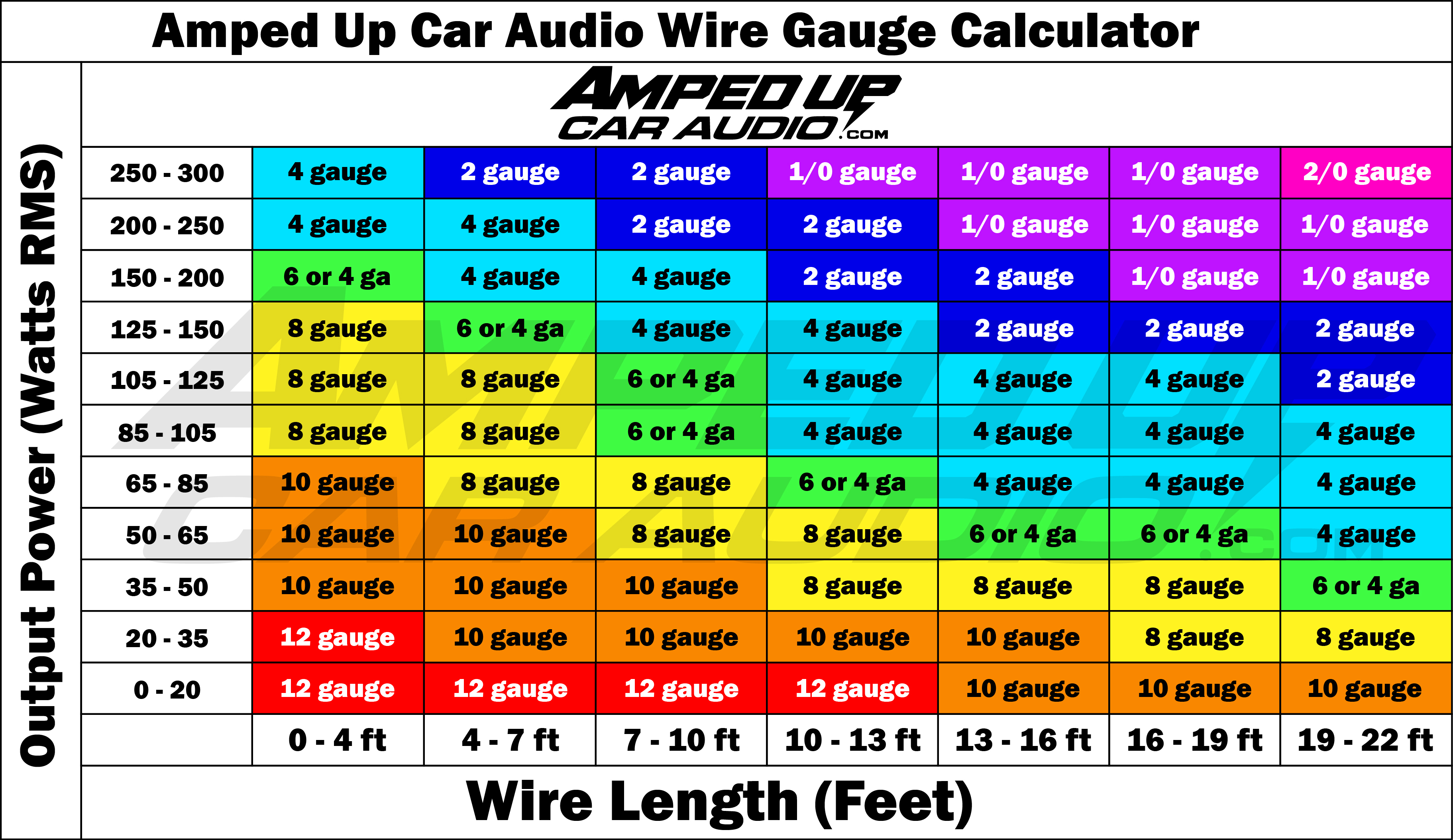
Credit: ampedupcaraudio.com