What is the 2003 BMW 325i Speaker Size: Full Guide & Specs
When people buy a used 2003 BMW 325i, they often want to upgrade the car’s audio system. One of the first questions is: *What size speakers does this car use?* If you are new to car audio or just want to replace a blown speaker, understanding the sizes and setup is important. The right fit means less trouble during installation and better sound quality.
Many owners also wonder if bigger speakers will improve the audio or if factory sizes are best. This guide will help you find the correct speaker sizes for the 2003 BMW 325i and give practical advice for beginners. You will also see example measurements, comparison tables, and FAQs so you can make the best choice. Whether you want to upgrade for better bass, clearer vocals, or just a fresh sound, knowing the right speaker sizes and what to expect makes the process much easier.
Factory Speaker Sizes In The 2003 Bmw 325i
The 2003 BMW 325i sedan and wagon use a specific speaker layout. Factory speakers are spread across the front doors, rear doors, and sometimes the rear deck. The standard setup is:
- Front door speakers: 5.25 inches (mid-range)
- Front door tweeters: 1 inch (in premium models)
- Rear door speakers: 4 inches (mid-range)
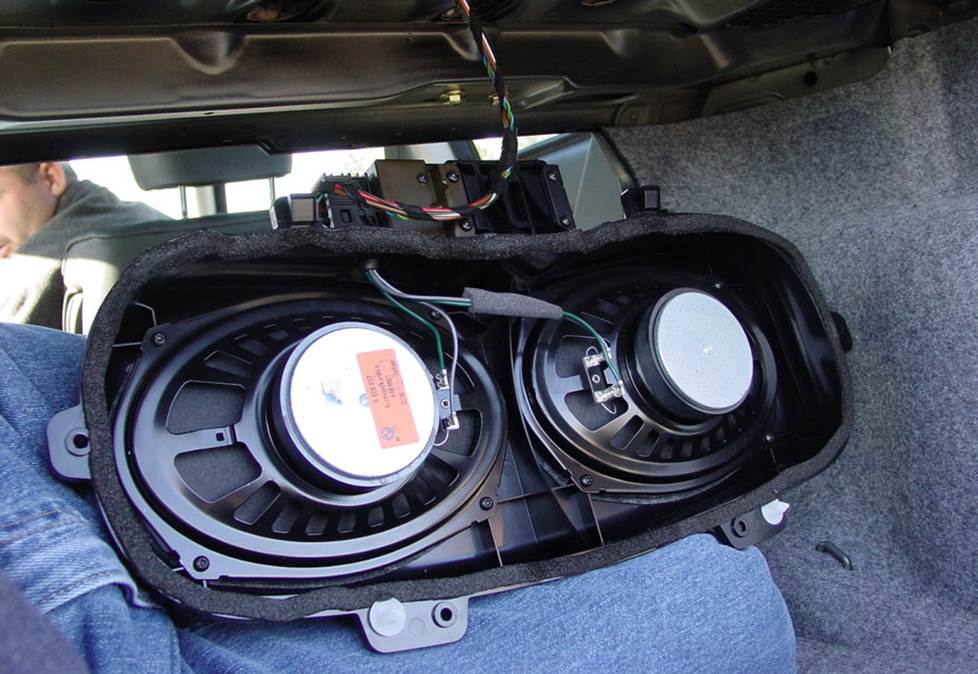
- Rear deck speakers: 6×9 inches (optional, for premium audio)
If your car has the Harman Kardon system, you may find extra tweeters and woofers. Most base models use the sizes listed above. Sometimes, BMW used slightly different speaker brands for the same size, but the measurements stay consistent. It’s smart to check your exact trim, as some cars may have extra speakers tucked into corners or the dashboard.
Speaker Locations And Sizes
- Front Door (Mid-range): 5.25 inches
- Front Door (Tweeter): 1 inch
- Rear Door: 4 inches
- Rear Deck (Optional): 6×9 inches
Many beginners assume all speakers are the same size. However, each location uses a different size. If you want to replace or upgrade, always measure or check your model. Some BMWs even have small speakers hidden behind grills in the dash corners, but these are usually part of premium packages.
Always look behind the grills and check for all speaker types.
Why Speaker Size Matters
The right speaker size helps with:
- Easy installation: Speakers fit into factory mounts.
- Better sound: Correct size ensures good bass, clarity, and volume.
- No gaps or rattling: Wrong size may cause poor sound or vibration.
Small speakers (like 4 inches) are good for mid-range and high frequencies. Larger speakers (like 6×9 inches) handle bass and low frequencies better.
If you use the wrong size, you might need to drill new holes or use extra brackets. This can cause rattles or damage door panels. It’s not just about diameter—a speaker’s depth is also important, especially in BMW doors where space is tight.
For example, a deep 5. 25-inch speaker might hit the window mechanism, so always check both diameter and depth.
How To Measure Speaker Size
If you want to check your speaker size, use a ruler or tape measure. Measure the diameter from edge to edge across the speaker cone.
- For round speakers: Measure straight across the center.
- For oval speakers: Measure the longest side (for example, 6×9 inches).
Example:
If the speaker measures about 5. 25 inches across, you have a standard front door speaker.
Also, measure the mounting depth from the front of the speaker to the base. This is important if you are choosing aftermarket speakers. Sometimes, the mounting holes are a bit off-center, so double-check each measurement, especially if you plan to use new brackets or adapters.
Upgrade Options: Aftermarket Vs Factory
When you upgrade, you can choose:
- Factory size: Fits easily, no changes needed.
- Aftermarket size: May need adapters or custom mounts.
Some people want more bass or clearer sound. In that case, you may want to install bigger speakers or add a subwoofer. But remember, bigger speakers won’t fit into factory holes unless you modify the door or deck.
If you choose aftermarket speakers, look for models made for European cars. These often have the right mounting holes or include adapters. You may also need to buy a wiring harness to connect new speakers to the BMW’s unique plugs.
Some aftermarket speakers offer adjustable tweeter angles or improved magnets, which can make a big difference in clarity and bass.
Common Mistakes Beginners Make
Many beginners make these mistakes:
- Buying the wrong size: Always check your car’s model and measure the speaker before buying.
- Not checking depth: Some speakers are deep and may hit the window or door panel.
- Ignoring tweeters: Tweeters are important for crisp highs. Some models have them; others don’t.
- Skipping adapters: Aftermarket speakers may need a special adapter to fit the factory mount.
If you avoid these mistakes, installation will be smoother.
Another mistake is not testing speakers before fully installing them. Sometimes, wires get loose or a connector isn’t seated correctly. Testing with the door open saves time and trouble. Also, never force a speaker into a tight mount. If it does not fit easily, double-check your measurements and adapter.
Data Table: 2003 Bmw 325i Speaker Sizes By Location
Here is a quick comparison of speaker sizes in the 2003 BMW 325i:
| Location | Speaker Size | Type |
|---|---|---|
| Front Door | 5.25 inches | Mid-range |
| Front Door (Tweeter) | 1 inch | Tweeter |
| Rear Door | 4 inches | Mid-range |
| Rear Deck | 6×9 inches | Woofer (optional) |
If your car has the premium Harman Kardon system, you might see extra locations in the table. Check under the rear deck and in the door pillars for hidden tweeters.
Credit: www.e90post.com
Example: Replacing A Speaker In The 2003 Bmw 325i
Let’s say you want to replace your front door speaker. Here are the steps:
- Remove the door panel: Use a screwdriver or panel tool to take off the trim.
- Unscrew the old speaker: Carefully remove it from the mount.
- Check the wiring: Make sure the wires are in good condition.
- Install the new speaker: Place the new 5.25-inch speaker in the mount. Use an adapter if needed.
- Test the sound: Turn on your stereo to check for clarity and bass.
Many people forget to test before closing the door. Always check the sound first.
If you notice buzzing or rattling, check if the speaker is tightly mounted. Sometimes, adding a foam gasket between the speaker and the door helps reduce vibration. Also, be gentle with the door panel clips—they can break easily, and replacements are often hard to find.
Comparison Table: Factory Vs Aftermarket Speakers
Upgrading from factory to aftermarket? Here’s a comparison:
| Feature | Factory Speaker | Aftermarket Speaker |
|---|---|---|
| Sound Quality | Basic | Improved (if chosen well) |
| Fit | Perfect | May need adapter |
| Price | Low | Varies |
| Bass Response | Limited | Better (with larger size) |
| Installation | Easy | Can be tricky |
Aftermarket speakers often use stronger magnets and better materials. This helps with bass and durability, but sometimes means the speaker is heavier and deeper, making installation more complex. Always check reviews and specs before buying.
Credit: www.crutchfield.com
Practical Tips For Beginners
- Always measure your old speakers before buying new ones.
- Choose speakers with good reviews for your car model.
- If you want more bass, consider adding a subwoofer.
- Use speaker adapters if the new speaker doesn’t fit perfectly.
- Be careful with depth. Some aftermarket speakers are thicker.
Don’t forget, using the right tools makes installation easier. A plastic trim tool helps remove panels without scratches. If you’re unsure about wiring, look for plug-and-play adapters for BMWs. Some brands even offer step-by-step videos for your exact car model.
Non-obvious Insights For Bmw Owners
- The speaker grill shape doesn’t always match the speaker shape inside. Always remove the grill and measure directly.
- BMW often uses custom connectors for speakers. You may need a wiring adapter for aftermarket speakers.
- Some models have a factory amp. If you install new speakers, check if your car needs an amp bypass.
Beginners often miss these details, so take your time and check before buying.
Another hidden detail: Some BMWs use a “coded” audio system that might need reprogramming if you change speakers or add an amp. If your sound system stops working after an upgrade, check with a BMW specialist or use a scan tool to reset the system.
Example Brands And Models
Here are some popular brands that fit the 2003 BMW 325i:
- JBL: Known for clear sound and easy fit.
- Pioneer: Offers a range of sizes and good bass.
- Infinity: Great for clarity and high frequencies.
- Rockford Fosgate: Good for aftermarket upgrades.
Always check that the model number matches the right size for your car.
Some JBL and Pioneer speakers come with mounting adapters and detailed instructions. Infinity speakers are popular for BMWs because they handle high frequencies well, which is important for the car’s acoustics. Rockford Fosgate is a good choice if you want powerful bass and rugged build quality.
Data Table: Speaker Size Vs Sound Quality
Here’s how speaker size affects sound:
| Speaker Size | Sound Quality | Bass Response |
|---|---|---|
| 4 inches | Clear highs, limited bass | Low |
| 5.25 inches | Balanced mids, some bass | Medium |
| 6×9 inches | Strong bass, good volume | High |
If you want more bass, choose a larger size or add a subwoofer.
It’s also worth noting that speaker quality can matter more than size. A high-quality 5. 25-inch speaker often sounds better than a cheap 6×9-inch speaker. Look for sensitivity and power handling ratings in the specs.
Installation Advice For Beginners
- Use a panel removal tool to avoid breaking door clips.
- Keep screws and clips in a safe place.
- Test the speakers before closing the door panel.
- Use foam or rubber rings to reduce vibration.
- If you are unsure, ask a professional installer for help.
If the wiring looks old or corroded, clean the contacts or replace the connectors. Some shops offer installation packages if you buy speakers from them. If you prefer DIY, watch online tutorials for your BMW model to avoid mistakes.
Where To Find More Information
You can find more technical details and installation guides from car audio forums and official BMW websites. For example, see Crutchfield for fit guides and product reviews. BMW owner forums like Bimmerfest and E46Fanatics also have step-by-step instructions and advice from other owners.

Credit: www.youtube.com
Frequently Asked Questions
What Is The Front Door Speaker Size In The 2003 Bmw 325i?
The front door speaker is 5.25 inches in diameter. Some models also have a 1-inch tweeter in the front door.
Can I Fit 6×9-inch Speakers In The Rear Doors?
No, the rear doors use 4-inch speakers. 6×9-inch speakers are only for the rear deck (if your car has the premium system).
How Do I Know If My Bmw Has The Premium Audio System?
Look for extra tweeters in the doors and a larger speaker in the rear deck. The Harman Kardon system is labeled and often has more speakers.
Do I Need An Adapter For Aftermarket Speakers?
Most aftermarket speakers for the 2003 BMW 325i need a mounting adapter to fit the factory holes. Check the depth and connector type before buying.
Will Bigger Speakers Improve Sound Quality?
Bigger speakers can improve bass and volume, but only if they fit properly. If you want more bass, consider a subwoofer instead of changing all speakers.
Upgrading the speakers in your 2003 BMW 325i can make your drive more enjoyable. With the right size, fit, and a careful installation, you can get crisp highs, strong mids, and deep bass. Always measure your speakers, check your system, and avoid common mistakes. If you follow these tips, your BMW’s audio will sound better than ever. And remember, a well-installed speaker not only improves sound, but also keeps your car’s interior looking clean and professional.