How to Start Car Battery Without Jumper Cables: Easy Solutions
When your car battery is dead and you don’t have jumper cables, it’s easy to feel stuck. Many people think you always need cables to restart a car, but that’s not true. There are safe ways to start your car without jumper cables, and some methods can help you get back on the road quickly. This guide explains practical solutions, safety tips, and what to do if your battery keeps failing. If you’re a beginner or nervous about car problems, don’t worry. You’ll learn simple steps, clear explanations, and helpful advice for emergencies.
Why Car Batteries Fail
Most cars rely on a 12-volt battery to start the engine. When the battery doesn’t have enough power, the car won’t start. Here are common reasons for battery failure:
- Leaving lights on overnight
- Very cold weather
- Battery is old or faulty
- Poor connections or corrosion
According to the National Highway Traffic Safety Administration (NHTSA), battery problems are a top cause of roadside breakdowns in the US. About 1 in 5 breakdowns are battery-related.
Safety First: What You Need To Know
Before trying to start your car, always think about safety. Batteries contain chemicals and can be dangerous if handled wrong. Here’s what you should do:
- Check for leaks or swelling in the battery. If you see these, do not touch the battery.
- Turn off all electronics in your car (lights, radio, AC) to reduce power draw.
- Wear gloves and eye protection if available.
- Make sure the car is in park (automatic) or neutral (manual).
If you suspect the battery is damaged or leaking, call a professional. Never try to start a car with a leaking battery.
Method 1: Push Start (manual Transmission Cars Only)
One of the oldest and most reliable ways to start a car without jumper cables is the push start method. This only works with manual transmission cars.
Steps For Push Starting
- Find helpers: You need at least two people—one to push and one to steer.
- Turn ignition on: Insert the key and turn to the “on” position.
- Press clutch pedal: Keep the clutch pedal fully down.
- Shift to second gear: Second gear is safest for push starts.
- Release handbrake: Make sure the car can roll freely.
- Start pushing: Have your helpers push the car until it reaches about 5-10 mph (8-16 km/h).
- Release clutch quickly: When moving fast enough, release the clutch pedal. The engine should turn over and start.
- Press clutch again: Once the engine starts, press the clutch to avoid stalling.
Practical Tips
- Choose a flat or slightly downhill area for easier pushing.
- Avoid busy roads or unsafe areas.
- If the car doesn’t start after 2-3 tries, stop and check for other issues.
Method 2: Portable Jump Starter
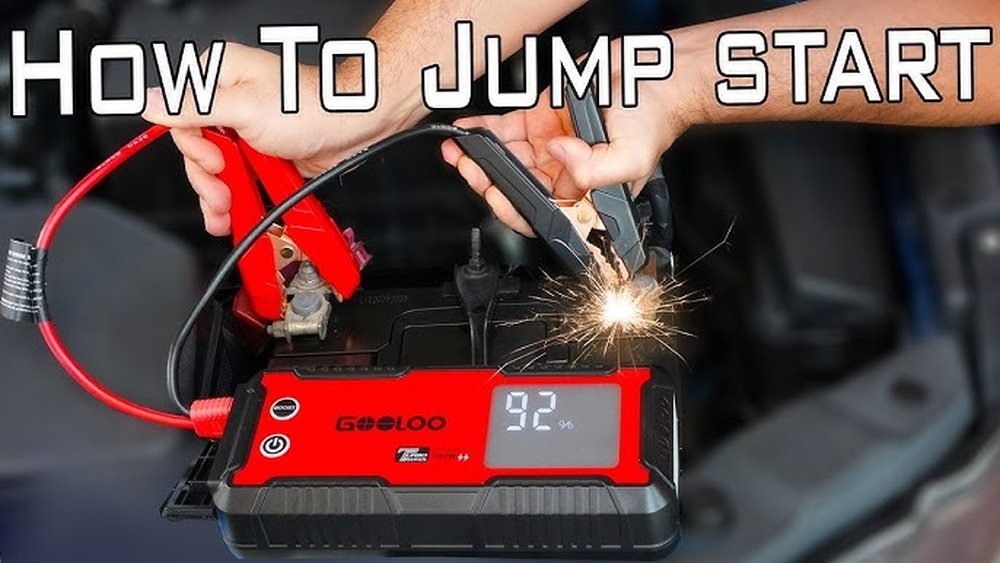
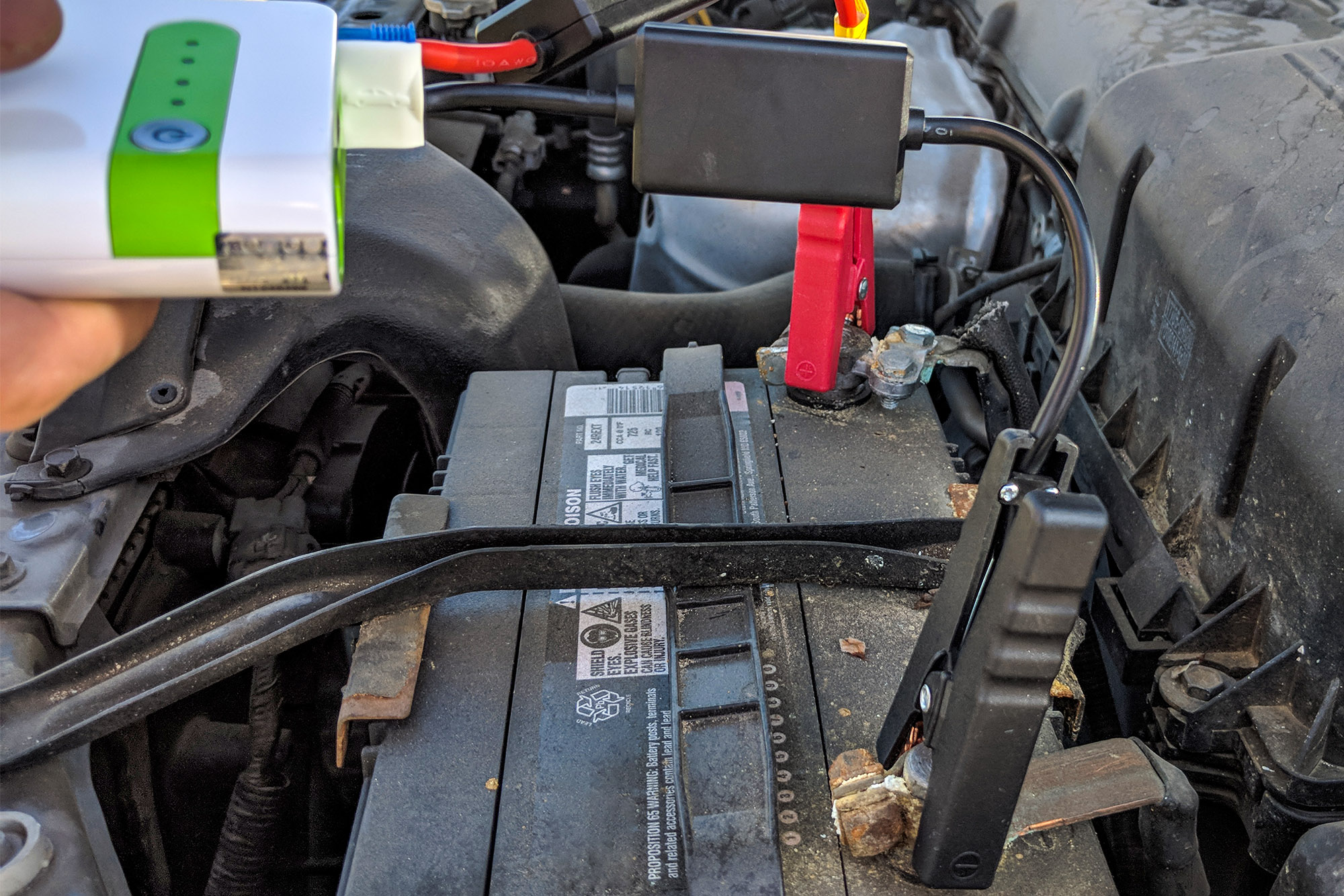
A portable jump starter is a battery pack made for emergencies. It’s safer and easier than jumper cables, and you don’t need another car.
How To Use A Portable Jump Starter
- Turn off car electronics.
- Connect clamps: Red clamp to positive (+), black clamp to negative (-).
- Turn on jump starter: Most have a power button.
- Try to start the car: Turn the key and see if the engine turns over.
- Remove clamps: Once the car starts, remove the clamps in reverse order.
Benefits
- Works for most cars, including automatics.
- Small and easy to carry.
- Safer than cables because you’re not connecting two cars.
Data Example
According to Consumer Reports, over 60% of drivers with jump starters were able to restart their car in under 5 minutes.
Method 3: Call Roadside Assistance
If you don’t have tools or helpers, roadside assistance is a reliable option. Many insurance policies and car warranties include this service.
How Roadside Assistance Works
- You call the service.
- A technician arrives with tools or a jump starter.
- They check your battery and try to start your car.
Advantages
- Professional help reduces risk.
- They can test your battery and alternator.
- If the battery is faulty, they may offer replacement.
Common Roadside Services
| Service | Average Response Time | Cost Range |
|---|---|---|
| Battery Jump Start | 30-60 minutes | $40-$70 |
| Battery Replacement | 1-2 hours | $120-$250 |
| Towing | 45-90 minutes | $80-$150 |
Method 4: Check Battery Connections
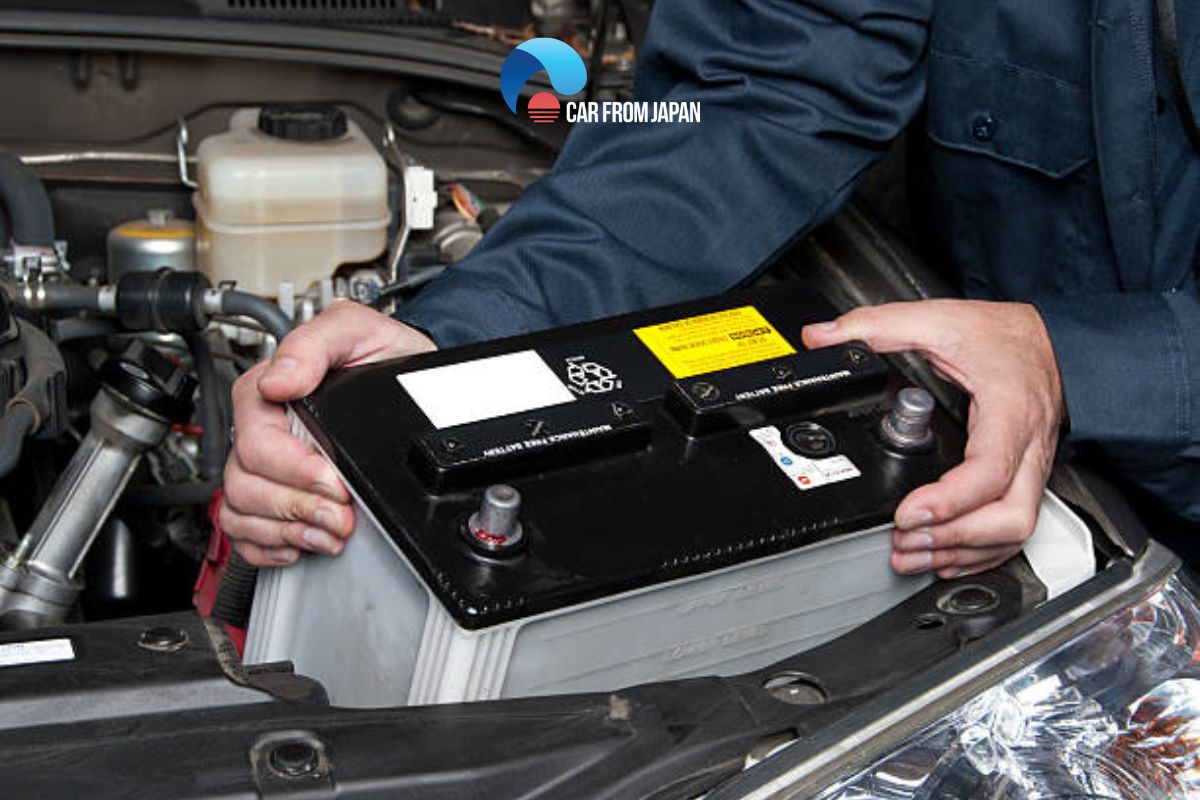
Sometimes, a car won’t start because the battery terminals are loose or corroded. Cleaning and tightening the connections can help.
Steps To Check And Clean Battery Terminals
- Open the hood and locate the battery.
- Inspect terminals for corrosion (white or green powder).
- Tighten clamps with a wrench if they’re loose.
- Clean terminals: Use a battery cleaning brush or a mix of baking soda and water.
- Dry terminals thoroughly.
- Try to start the car again.
Example
A survey by AAA found that 10% of battery failures are caused by dirty or loose terminals—not the battery itself.
Credit: carfromjapan.com
Method 5: Wait And Try Again
If your battery is weak but not fully dead, sometimes waiting can help. When you turn the key, the battery may recover a bit between attempts.
- Wait about 1-2 minutes between starting attempts.
- Turn off all electronics.
- Try again with a gentle turn of the key.
This method works best for batteries that are old but not completely drained.
Method 6: Use A Battery Charger
A battery charger is different from a jump starter. It slowly charges the battery from a wall outlet. This method takes longer but can help if you’re at home.
How To Use A Battery Charger
- Remove battery from the car if possible (not always necessary).
- Connect charger: Positive to positive, negative to negative.
- Plug charger into outlet.
- Wait several hours: Charging can take 4-12 hours, depending on charger type.
- Reconnect battery and try to start the car.
Types Of Battery Chargers
| Charger Type | Charging Time | Best For |
|---|---|---|
| Trickle Charger | 8-12 hours | Long-term storage |
| Fast Charger | 2-4 hours | Quick charging |
| Smart Charger | Varies | Automatic, safe charging |
Common Mistakes Beginners Make
Many beginners make simple mistakes when trying to start a car with a dead battery. Avoid these to stay safe and save time.
- Trying push start on automatic cars: Only manual transmission cars work for this method.
- Ignoring battery leaks: Leaking batteries are dangerous.
- Forgetting to turn off electronics: This drains battery power.
- Using wrong gear: Always use second gear for push starts.
- Touching battery terminals with bare hands: Always use gloves if possible.
Signs Your Battery Needs Replacement
If your car frequently won’t start, the battery may be failing. Here are signs it’s time for a new one:
- Engine cranks slowly or not at all
- Dim headlights or interior lights
- Frequent jump starts needed
- Battery older than 3-5 years
- Corrosion on terminals
A typical car battery lasts 3-5 years. If your battery is older, replacement is often the best solution.
Practical Tips For Preventing Battery Failure
To avoid getting stuck in the future, follow these easy tips:
- Check battery terminals every few months.
- Drive your car regularly to keep the battery charged.
- Turn off lights and electronics before leaving the car.
- Keep a portable jump starter in your trunk.
- Test battery voltage at least once a year.
What To Do If Nothing Works
Sometimes, none of these methods will start your car. If you’re stranded:
- Call a tow truck or roadside assistance.
- Ask a friend or neighbor for help.
- Don’t try risky methods like pushing alone or using homemade cables.
- Find a safe spot to wait.
If you’re in a dangerous area, contact emergency services.
Credit: www.capitalone.com
Comparison: Push Start Vs Portable Jump Starter
To help you decide which method works best for you, here’s a simple comparison.
| Method | Transmission Type | Helpers Needed | Success Rate | Safety |
|---|---|---|---|---|
| Push Start | Manual | 2-3 people | 60-70% | Medium |
| Portable Jump Starter | Manual & Automatic | None | 80-90% | High |
Real-world Example
Let’s say you drive a Toyota Corolla (manual transmission) and the battery dies at home. You don’t have jumper cables, but your neighbor helps push the car. You follow the push start steps and get the car running. Later, you buy a portable jump starter for emergencies. This experience teaches you to keep your battery healthy and carry backup tools.
In another case, you drive a Honda Civic (automatic). The battery dies at a parking lot. You can’t push start, so you call roadside assistance. They use a jump starter and you’re back on the road in 30 minutes.
When To Seek Professional Help
Some battery problems are too complex for beginners:
- Battery is leaking or swollen
- Car won’t start after multiple tries
- Electrical system fails (lights, radio, etc.)
- Alternator is faulty
In these cases, call a mechanic or roadside service. Don’t risk injury or further damage.
External Resource
If you want more detailed data on car batteries and jump starting, check Wikipedia for a complete explanation.

Credit: www.youtube.com
Frequently Asked Questions
What Happens If I Try To Push Start An Automatic Car?
Automatic cars cannot be push started. The transmission does not connect directly to the wheels, so the engine won’t turn over. Always use a portable jump starter or call roadside assistance for automatics.
Is It Safe To Touch Battery Terminals With Bare Hands?
It’s not recommended. Battery terminals can have acid residue or corrosion. Always wear gloves and wash hands after touching the battery.
Can I Use A Power Bank To Jump Start My Car?
Regular phone power banks do not have enough power for car batteries. Only dedicated car jump starters work for this purpose.
How Long Does A Car Battery Last Without Driving?
A typical battery can last 2-4 weeks without driving, but this depends on battery age and climate. In cold weather, the battery drains faster.
What Should I Do If My Battery Keeps Dying?
If your battery fails often, have it tested at a shop. You may need a new battery or your alternator may be faulty. Regular testing and maintenance help prevent breakdowns.
Getting stuck with a dead car battery can feel scary, but now you know beginner-friendly ways to handle the situation—even without jumper cables. By learning simple methods like push starting, using a portable jump starter, checking connections, or calling roadside help, you can turn a stressful moment into a safe and manageable task.
Remember to prevent future problems with regular checks, and keep backup tools handy. Stay safe, and drive with confidence.