
How Do Amplifiers Work in Cars? A Simple Guide for Beginners
Car audio systems are more than just speakers and radios. If you want louder music, deeper bass, or clearer sound, you need something extra—amplifiers. These devices boost audio signals, helping your speakers deliver powerful, clean sound. But many drivers don’t really know how amplifiers work in cars, or why they matter. Let’s break down the basics in simple, clear terms, so anyone can understand how car amplifiers make your music better.
What Is A Car Amplifier?
A car amplifier is a device that takes a weak audio signal and makes it stronger. This stronger signal can drive speakers, subwoofers, or other audio devices. Without an amplifier, your car’s stereo might sound flat or distorted when turned up loud.
- Main job: Increase audio signal strength
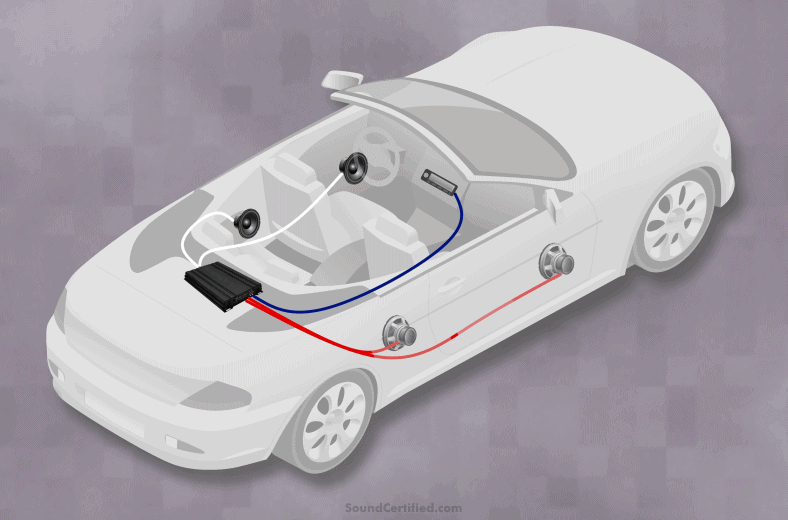
- Location: Usually installed under seats, in the trunk, or behind panels
- Types: Mono, 2-channel, 4-channel, and multi-channel
Car amplifiers are different from home amplifiers because they work with a car’s electrical system. Most use 12-volt DC power from the car battery.
Why Are Amplifiers Important In Cars?
Car speakers are small and need more power than a basic head unit can provide. Amplifiers give the speakers enough energy to move air and make sound, especially when you want high volume or strong bass.
Benefits of car amplifiers:
- Louder sound without distortion
- Better bass, mid, and high frequencies
- Improved clarity for music and voices
- Ability to use bigger speakers or subwoofers
If you enjoy music while driving, a good amplifier can make a big difference.
How Do Car Amplifiers Work?
Let’s break down the process step by step.
- Input signal: The amplifier receives a weak audio signal from the car stereo (head unit).
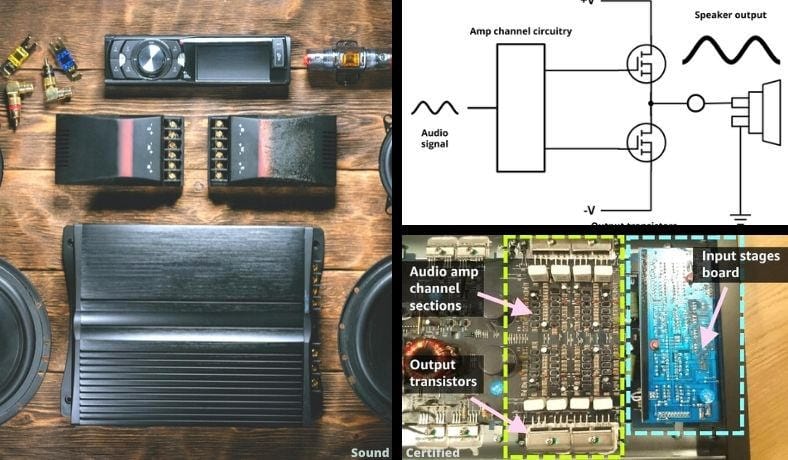
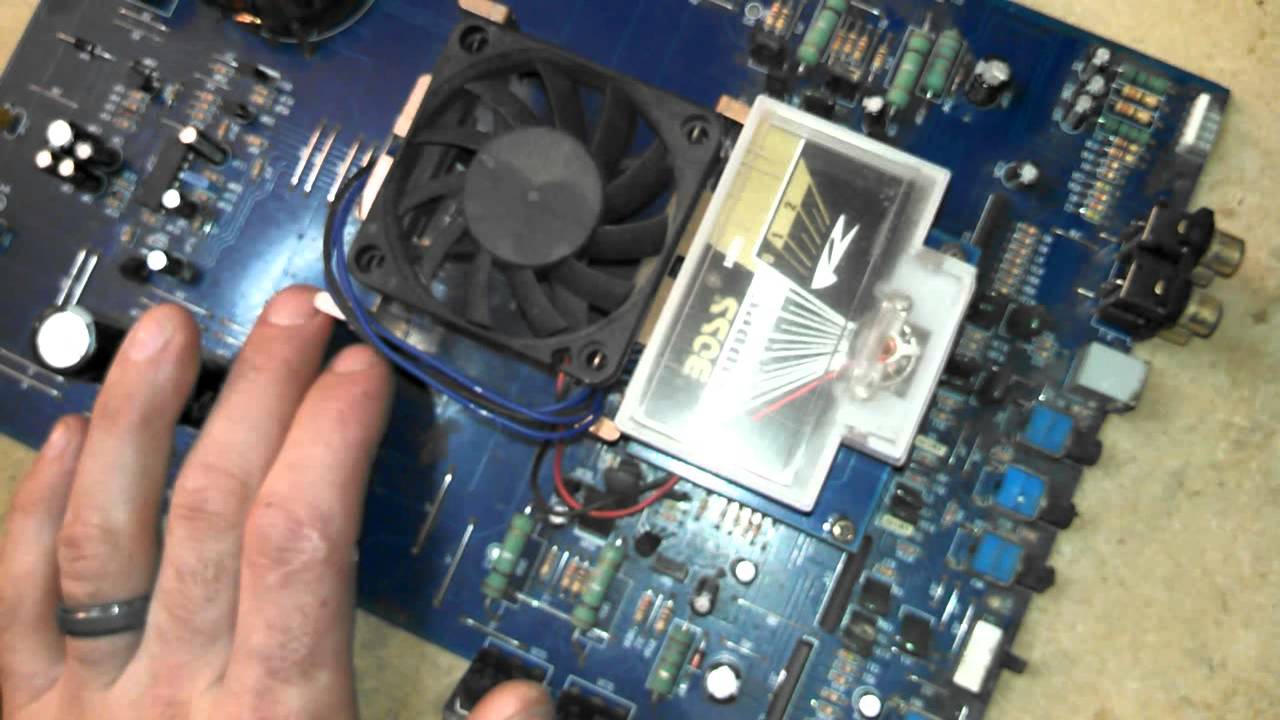
- Boosting power: Inside the amplifier, this signal is increased using electronic components like transistors and capacitors.
- Output signal: The stronger signal is sent to the speakers or subwoofers.
- Sound production: The speakers use this power to move, creating louder and clearer sound.
The amplifier uses the car’s battery for energy. It transforms low-power audio into high-power output, so speakers work at their best.
Example: Basic Car Amplifier Setup
- Head unit outputs 2 volts to speakers (barely enough for loud music)
- Amplifier boosts this to 15–20 volts, so speakers deliver louder, clearer sound
Types Of Car Amplifiers
Choosing the right amplifier depends on your audio goals. Here are the main types:
Mono Amplifiers
- Designed for subwoofers
- Single channel
- Great for deep bass
2-channel Amplifiers
- Power two speakers or one subwoofer
- Good for simple setups
4-channel Amplifiers
- Power four speakers
- Ideal for upgrading front and rear speakers
Multi-channel Amplifiers
- Can power more speakers and subwoofers
- Used in complex audio systems
| Amplifier Type | Channels | Main Use |
|---|---|---|
| Mono | 1 | Subwoofer |
| 2-Channel | 2 | Front Speakers or Subwoofer |
| 4-Channel | 4 | Front & Rear Speakers |
| Multi-Channel | 5+ | Full System |
Key Amplifier Features Explained
When you look at amplifiers, you’ll see technical terms. Here’s what they mean in simple words:
- RMS Power: Real, continuous power output. Higher RMS means louder, cleaner sound.
- Peak Power: Maximum power for short bursts. Not as important as RMS.
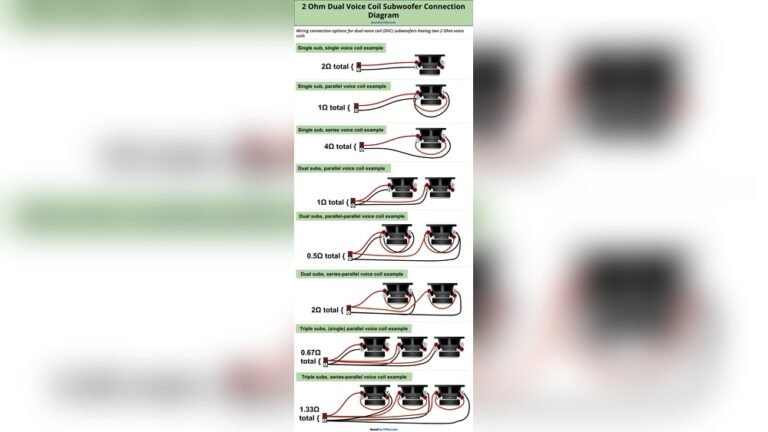
- Impedance: Measured in ohms. Speakers and amps must match (usually 2, 4, or 8 ohms).
- Gain Control: Lets you adjust the signal strength. Prevents distortion.
- Crossover: Filters frequencies. Sends bass to subwoofers and highs to tweeters.
Example: Matching Rms Power
If your speakers are rated at 50 watts RMS, your amplifier should deliver about 50–60 watts RMS per channel for best results.
How To Install A Car Amplifier
Installing an amplifier isn’t hard, but you need to follow the right steps. Here’s a basic overview:
- Choose location: Find a spot with good airflow (under seat, trunk).
- Connect power: Run a thick power cable from the battery to the amplifier. Use a fuse for safety.
- Connect ground: Attach ground wire to metal part of car chassis.
- Connect input: Run RCA cables from the head unit to the amplifier.
- Connect output: Wire amplifier to speakers/subwoofers.
- Adjust settings: Set gain, crossover, and other controls.
Common Mistakes To Avoid
- Using thin power cables (causes overheating)
- Not grounding amplifier properly (causes noise)
- Setting gain too high (causes distortion)
- Placing amplifier in a hot, cramped spot
How Amplifiers Improve Car Audio Quality
Amplifiers do more than just make music louder. They help speakers deliver sound accurately, even at high volume.
Key improvements:
- Bass: Subwoofers need lots of power. Amplifiers let them produce strong, deep bass.
- Clarity: High frequencies (like vocals and cymbals) sound clearer.
- Dynamic range: Music sounds fuller, with both quiet and loud parts.
Real Data Example
A factory stereo in most cars produces about 10–20 watts RMS per channel. A good aftermarket amplifier can deliver 50–100 watts RMS per channel. That’s a big jump—music sounds more powerful and detailed.
| System Type | Power Output (RMS) | Sound Quality |
|---|---|---|
| Factory Stereo | 10–20 watts | Basic, often distorted |
| Aftermarket Amplifier | 50–100 watts | Loud, clear, dynamic |
Choosing The Right Amplifier For Your Car
Picking an amplifier isn’t just about price or size. Here’s what you should think about:
- Speaker compatibility: Match amplifier channels and power to your speakers.
- System goals: Do you want louder music, strong bass, or both?
- Space: Make sure the amplifier fits your car.
- Budget: Quality amplifiers can cost $50–$300+.
Practical Example
If you have four speakers and a subwoofer:
- Get a 5-channel amplifier
- Make sure it delivers at least 50 watts RMS per speaker channel and 200 watts RMS for the subwoofer
Credit: soundcertified.com
Amplifiers Vs. Head Units: What’s The Difference?
Many beginners think the head unit (radio or stereo) powers the speakers. That’s true in basic systems, but head units can’t provide enough power for bigger speakers or subwoofers.
Amplifiers:
- Designed to deliver high power
- Handle tough loads
- Allow use of advanced speakers
Head Units:
- Low power output (10–20 watts RMS)
- Suitable for basic speakers only
Common Beginner Questions About Car Amplifiers
Many people new to car audio have similar questions. Here are answers to the most common ones:
- Do I need an amplifier if I only want louder music? Yes, amplifiers let you play music louder without distortion.
- Can I install an amplifier myself? Yes, but follow instructions carefully and use proper cables.
- Will an amplifier drain my battery? No, unless it’s left on when the engine is off.
- Does amplifier size matter? Yes, it must fit your car and match your speakers.
- Are expensive amplifiers always better? Not always. Look for good specs, not just price.
Understanding Amplifier Classes
Amplifiers come in different classes, which affect efficiency and sound quality.
Class A
- Best sound quality
- Low efficiency (wastes energy)
- Rare in cars
Class B
- More efficient
- Lower sound quality
- Not common
Class Ab
- Mix of A and B
- Good balance of quality and efficiency
- Most popular in car audio
Class D
- High efficiency
- Smaller, runs cooler
- Great for subwoofers and multi-channel amps
| Amplifier Class | Efficiency | Best Use |
|---|---|---|
| Class A | Low | High-end audio |
| Class AB | Medium | General car audio |
| Class D | High | Subwoofers, multi-channel |
Non-obvious Insights Beginners Miss
Many people skip these points:
- Speaker wire quality matters: Cheap, thin wires can lower sound quality and cause overheating. Use thick, high-quality wires (14–16 gauge for speakers, 8–4 gauge for power).
- Amplifier placement affects performance: Installing an amplifier near heat sources (like under carpet or next to engine bay) can cause it to overheat and shut down. Choose a cool, ventilated spot.
Credit: soundcertified.com
Troubleshooting Common Amplifier Problems
Even good amplifiers can have issues:
- No sound: Check power, ground, and input connections.
- Distorted sound: Lower gain, check speaker ratings.
- Overheating: Improve ventilation, check for overloaded speakers.
- Buzzing or humming: Re-ground amplifier, use shielded cables.
Advanced Tips For Better Car Audio
If you want to get the most from your amplifier:
- Tune gain and crossover carefully—don’t just set them to max
- Use a dedicated fuse for safety
- Upgrade your car battery if using powerful amplifiers
- Consider adding a capacitor to support big bass hits
Credit: www.youtube.com
External Resource
Want to learn more about car amplifiers? Check out this detailed guide at Wikipedia.
Frequently Asked Questions
What Does Rms Mean In Car Amplifiers?
RMS stands for “Root Mean Square.” It’s the real, continuous power an amplifier can deliver. RMS ratings matter more than peak power. Always match RMS power to your speakers for best sound.
Can I Use A Home Amplifier In My Car?
No, home amplifiers use AC power (120V or 240V), but cars use DC power (12V). Car amplifiers are made for automotive systems and can handle vibrations, heat, and lower voltage.
Will Adding An Amplifier Damage My Car Speakers?
Only if you use too much power. Match the amplifier’s RMS power to your speaker ratings. Too much power can blow speakers; too little can cause distortion.
Do Amplifiers Work With Factory Car Stereos?
Yes, many amplifiers have “high-level” inputs that connect to factory head units. You can upgrade your sound without changing the stereo.
How Do I Know If My Amplifier Is Powerful Enough?
Check the RMS power rating per channel. It should be close to your speaker’s RMS rating. Also, check that the amplifier matches your speaker’s impedance (ohms).
—
Car amplifiers are the heart of any good car audio system. They turn weak signals into strong sound, letting you enjoy music the way it’s meant to be heard—loud, clear, and full. By understanding how amplifiers work, what features to look for, and common mistakes to avoid, you can upgrade your car’s audio easily and safely.
Whether you’re a beginner or just want better sound, a good amplifier is a smart investment for every driver.