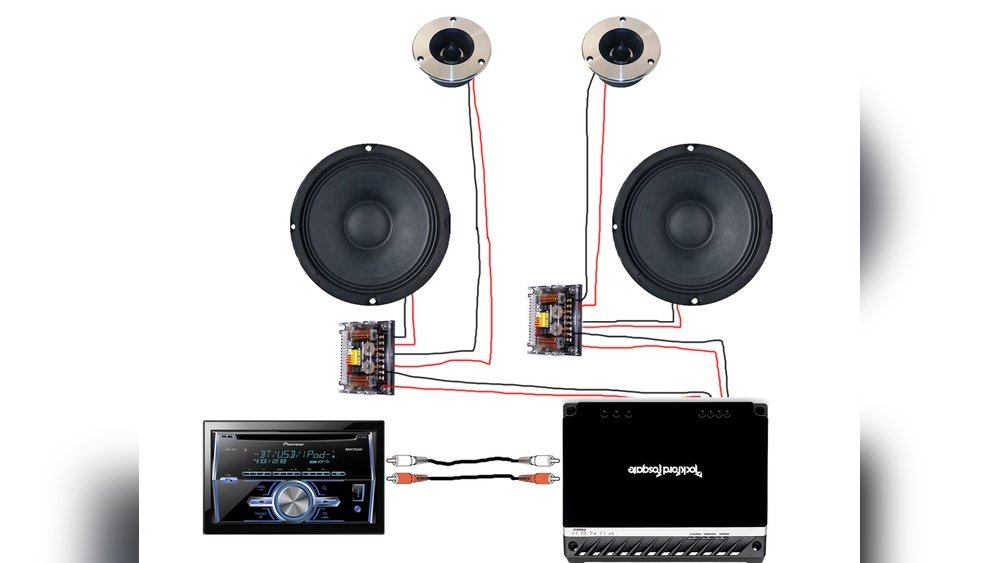
How to Wire Tweeters Without Crossover: Step-by-Step Guide
Wiring tweeters without a crossover can sound like an advanced car audio trick, but it’s a topic many beginners want to understand. Maybe you’ve got a set of tweeters and want to add them to your system—without buying extra parts.
Or perhaps you’re curious if skipping the crossover saves money or space. Before you grab your speaker wires, it’s important to know the risks, benefits, and proper steps. This guide will explain everything you need with simple words, clear steps, and real-world advice for anyone new to car or home audio.
Why Tweeters Need Crossovers (and What Happens Without Them)
Tweeters are small speakers designed for high-frequency sounds—like cymbals, vocals, and details in music. Crossovers are devices that filter audio signals, making sure only the right frequencies reach each speaker. Usually, tweeters get only high frequencies, while woofers handle the low ones.
When you wire tweeters without a crossover, you send them the full audio signal. This includes low, mid, and high frequencies. Here’s why this matters:
- Tweeters are not built for bass or midrange. Low sounds can damage the delicate parts inside.
- Distortion can happen. Tweeters can make unwanted noises or even burn out.
- You lose sound quality. The overall system can sound harsh or unbalanced.
Some people still wire tweeters directly. They might do this if they don’t have a crossover or want a very simple setup. It’s possible, but you need to understand the trade-offs.
When Is It Okay To Wire Tweeters Without A Crossover?
There are a few cases where wiring tweeters without a crossover might work:
- Tweeters with built-in filters: Some tweeters have a small component called a capacitor already inside. This acts as a simple high-pass filter.
- Low-power systems: If your amplifier or head unit is not very powerful, the risk of damaging the tweeter is lower.
- Temporary setups: Maybe you’re testing a system or waiting for a crossover to arrive.
But even in these cases, you should be careful. Most experts recommend using at least a basic capacitor to protect your tweeters.
Understanding Crossover Basics: Capacitors As Simple Filters
If you don’t want a full crossover, a capacitor is your next best option. It’s a small, cheap part that blocks low frequencies from reaching the tweeter.
- Capacitors are rated in microfarads (μF).
- The value of the capacitor controls the crossover point—the frequency where lower sounds are blocked.
Here’s a practical example:
- A 3.3 μF capacitor on a 4-ohm tweeter will block frequencies below about 12,000 Hz.
- A 6.8 μF capacitor will block below about 6,000 Hz.
Most music has a lot of energy below these points. Using a capacitor can protect your tweeter from damage.
Can You Really Wire Tweeters Directly? (real-world Data)
Let’s look at what happens if you wire tweeters without any filter or crossover. Here’s a comparison:
| Setup | Protection | Sound Quality | Risk of Damage |
|---|---|---|---|
| Direct wiring (no filter) | None | Harsh, possible distortion | High |
| Capacitor only | Blocks low frequencies | Smoother, less distortion | Moderate |
| Full crossover | Best protection | Balanced, clear | Low |
Key insight: Most tweeter failures happen when they get too much power from low frequencies. Even a small capacitor can make a big difference.

Credit: www.youtube.com
Step-by-step: How To Wire Tweeters Without A Crossover
If you’re set on wiring tweeters without a crossover, follow these steps for best results. We’ll also explain how to add a simple capacitor for better protection.
1. Gather Your Materials
You’ll need:
- Tweeters (check their rated power and impedance)
- Speaker wire (16-18 gauge is fine)
- Basic tools (wire stripper, screwdriver)
- Optional: Non-polarized capacitor (see the section above for values)
2. Locate Tweeter Wiring Points
Most people wire tweeters in parallel with existing speakers. Find the positive (+) and negative (–) terminals on your amplifier or head unit.
Example: If your front speakers use the white and white/black wires, you’ll tap into these for the tweeter.
3. Connect Tweeter Directly (no Crossover)
- Strip about 1/2 inch of insulation from the speaker wire.
- Connect one wire to the positive terminal and one to the negative.
- Secure connections tightly. Loose wires cause noise or damage.
Tip: If the tweeter has a polarity label, match it with your amp or head unit.
4. Add A Capacitor For Protection (recommended)
Even if you skip a full crossover, you can add a capacitor in series with the positive wire.
- Solder or twist the capacitor to the positive lead.
- Connect the other end of the capacitor to the tweeter’s positive terminal.
- Insulate with electrical tape or heat shrink.
This simple step acts as a “mini crossover,” blocking dangerous low frequencies.
5. Test Your System
- Power on your amplifier or head unit at low volume.
- Listen for clear, crisp highs from the tweeter.
- If you hear rattling, buzzing, or distortion, turn off the system. Double-check all connections.
Never test at full volume right away. Start low, and increase volume slowly to prevent damage.
6. Adjust For Balance
Tweeters can sound too loud or harsh compared to other speakers. If so:
- Add a resistor (e.g., 2–4 ohms, 5W) in series with the positive wire to reduce volume.
- Move the tweeter further away from your ears.
- Aim the tweeter toward the windshield (in cars), not directly at you.
These tweaks can help create a more balanced sound.
Common Mistakes Beginners Make
Wiring tweeters without a crossover is simple, but many people make the same errors. Here’s what to watch for:
- Skipping any filter: Don’t send full-range power to a fragile tweeter.
- Wrong capacitor value: Too large or too small can change the sound or leave the tweeter unprotected.
- Loose connections: Poor wiring causes noise or cuts out the tweeter.
- Wrong polarity: Tweeters wired out-of-phase can cancel out sound and reduce clarity.
- Ignoring power ratings: Sending more power than the tweeter can handle often ends in failure.
Insider tip: Always check your tweeter’s specs. If the manufacturer recommends a filter, follow their advice.
Example: Simple Tweeter Wiring Diagram
Here’s a basic wiring example for a car audio system with a head unit, two main speakers, and two tweeters (with capacitors):
- Head unit speaker output (left side)
- Main speaker (wired normally)
- Tweeter (positive wire goes through a 3.3 μF capacitor, then to tweeter +, negative to tweeter –)
Repeat for the right side.
This setup gives you basic protection and clear highs without a full crossover.
How Tweeter Performance Changes Without A Crossover
Let’s compare how a tweeter performs in three situations.
| Setup | Frequency Range Delivered | Lifespan | Sound Quality |
|---|---|---|---|
| No crossover or filter | All (20 Hz–20,000 Hz) | Short, high risk | Harsh, possible distortion |
| With capacitor | Above cutoff (e.g., 5,000 Hz+) | Moderate, safer | Clearer highs |
| Full crossover | Only highs (e.g., 3,500 Hz+) | Long, low risk | Balanced, smooth |
Non-obvious insight: Many factory tweeters in cars already have a hidden capacitor inside. If you replace them with aftermarket tweeters, you must add your own protection.
Credit: www.reddit.com
Should You Ever Skip A Crossover?
Most audio experts say never wire tweeters without some kind of filter. Even a cheap capacitor (less than $2) can prevent expensive damage. But there are rare cases when people do:
- Testing a new system for a few minutes at low volume.
- Using tweeters labeled “full range” (still rare and not true for most).
- Emergency repairs.
Real-world advice: If you care about your sound system’s life and quality, always use a filter—even a simple one.
What If You Already Wired Tweeters Without Protection?
If you’re reading this after you already wired your tweeters directly, stop and check for problems:
- Is there distortion or buzzing at normal volume?
- Do the tweeters sound harsh or weak?
- Are they getting hot to the touch?
If you notice any of these signs, disconnect the tweeters and add a capacitor or crossover before using them again.
Other Ways To Add Tweeters Without A Crossover
Some people use inline tweeter boosters or DSP processors to control sound. These are advanced solutions, but for most beginners, a simple capacitor is enough.
If you want a plug-and-play solution, look for tweeters sold as “plug and play” for your car. These usually have built-in protection.
Safety Tips For Diy Tweeter Wiring
- Always turn off your audio system before wiring.
- Double-check all connections before powering up.
- Use heat shrink tubing or tape to prevent shorts.
- Don’t push your system to full volume until you know it’s safe.
Summary: The Right Way For Beginners
Wiring tweeters without a crossover is possible, but it’s not the best practice for most users. If you must skip a full crossover, always add a capacitor in line with the positive wire. This simple step can save your tweeter from damage and give you better sound. Remember, even though it’s tempting to keep things simple, skipping protection is risky and usually costs more in the long run.
For more about speaker systems and crossovers, check out the Wikipedia crossover guide.
Frequently Asked Questions
What Is The Main Risk Of Wiring Tweeters Without A Crossover?
The biggest risk is damage from low frequencies. Tweeters are not made to handle bass, so sending them full-range audio can cause overheating, distortion, or permanent failure.
Can I Use Any Capacitor Value For My Tweeter?
No. The capacitor value controls the cutoff frequency. Too small, and you lose important sounds. Too large, and the tweeter gets harmful bass. For most 4-ohm tweeters, values between 3.3 μF and 6.8 μF are common.
How Do I Know If My Tweeter Has A Built-in Filter?
Some tweeters include a small capacitor under the housing or in the wiring. Check the product manual or look for a small electronic part on the positive wire. When in doubt, add your own capacitor for safety.
Will Wiring Tweeters Without A Crossover Void My Warranty?
In most cases, yes. Manufacturers require some kind of filter to protect the tweeter. Wiring directly may void the warranty if damage occurs.
Is It Possible To Wire Tweeters In A Home Audio System Without A Crossover?
Yes, but the risks are the same as in car audio. Always use a capacitor or proper filter to avoid blowing your tweeter and losing high-frequency detail.
Wiring tweeters without a crossover is simple, but not always safe. Use this guide to make smart choices, protect your sound system, and enjoy clear, detailed music for years to come.

Credit: www.nilds.gov.ng