How Much is It to Install Speakers in a Car: Cost Guide
Getting a new set of speakers installed in your car can completely change how you enjoy music and podcasts on the road. Many people wonder, “How much is it to install speakers in a car?” The truth is, the cost depends on many things: the type of speakers, your car model, and whether you do it yourself or hire a pro. If you’re new to car audio, it’s easy to get confused by all the prices and options. In this guide, you’ll find clear answers, real examples, and practical advice to make smart decisions for your budget and needs.
What Affects The Cost Of Car Speaker Installation?
Many factors change how much you’ll pay for new car speakers. Understanding these helps you avoid surprises and hidden fees.
1. Type Of Speakers
- Coaxial speakers (also called full-range) combine everything in one unit. They’re cheaper and easier to install.
- Component speakers have separate parts for highs, mids, and bass. They cost more and require detailed installation.
2. Number Of Speakers
- Installing two speakers (front doors) is cheaper than installing four or more.
- Adding tweeters, subwoofers, or amplifiers increases the price.
3. Your Car’s Make And Model
- Some cars have simple speaker slots and wiring.
- Others (especially luxury models) may require custom work, which costs more.
4. Professional Vs. Diy Installation
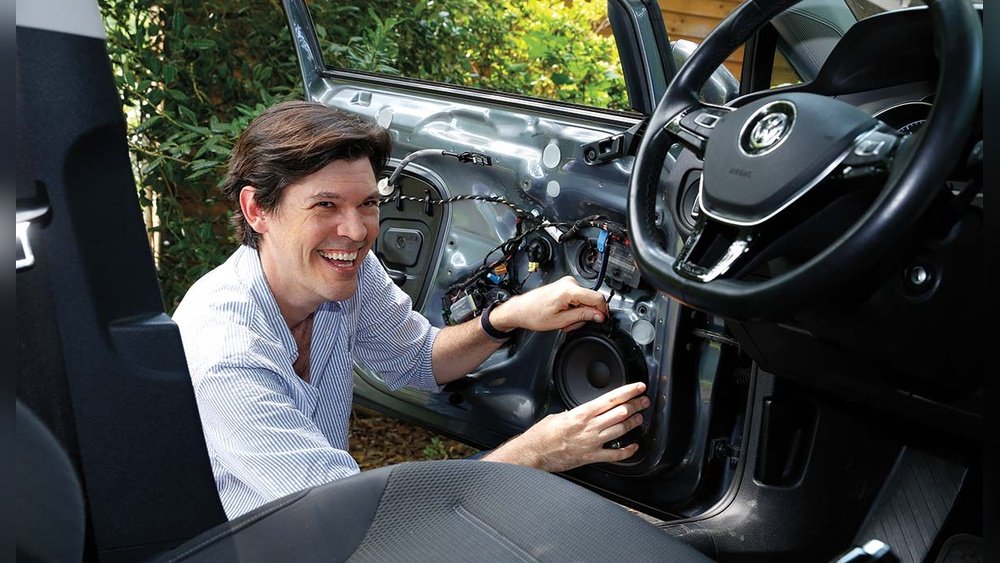
- DIY installation saves labor costs but needs tools and patience.
- Professional installation is faster and offers a guarantee, but you’ll pay for expert skills.
5. Extra Equipment
- New speakers may need adapters, mounts, or upgraded wires.
- Adding a new head unit or amplifier raises the total cost.
Average Cost To Install Speakers In A Car
How much should you expect to spend? Here’s a breakdown based on real market data in the US.
Basic Speaker Installation
- Low-end (2 coaxial speakers): $50 – $100 for speakers + $50 – $75 for installation = $100 – $175 total
- Mid-range (4 speakers): $100 – $200 for speakers + $100 – $150 for installation = $200 – $350 total
- High-end (component set + subwoofer): $250 – $800 for speakers + $200 – $500 for installation = $450 – $1300 total
Example Scenarios
- 2012 Toyota Camry, front door speakers, pro install: $120 for speakers + $70 labor = $190 total
- 2015 Honda Civic, DIY rear speaker upgrade: $90 for speakers, no labor cost = $90 total
- 2018 BMW 3 Series, full system with amp, pro install: $600 for components + $350 labor = $950 total
Professional Installation Vs. Diy: Cost Comparison
Many beginners ask, “Should I install myself or pay a shop? ” Here’s a comparison to help you decide.
| Option | Typical Cost | Pros | Cons |
|---|---|---|---|
| DIY Installation | $0 – $50 (tools only) |
|
|
| Professional Installation | $50 – $500+ |
|
|
Non-obvious insight: Some shops charge a flat rate per door, while others charge by the hour. Always ask for a detailed quote before agreeing.
How Labor Costs Are Calculated
Labor costs change based on where you live, your car’s complexity, and the shop you choose.
- National average: $50 – $100 per hour (US)
- Simple installs: 1-2 hours
- Complex installs (custom work): 3-6 hours
Labor Cost Example
If a shop charges $85/hour and your install takes 2 hours, labor is $170. Always ask if the price includes both removal and installation.
Speaker Prices: Entry-level To Premium
Speakers come in all price ranges. Here’s a comparison to help you budget.
| Speaker Type | Price Range (pair) | Typical Use |
|---|---|---|
| Coaxial (basic) | $30 – $80 | Factory replacement |
| Coaxial (mid-range) | $80 – $150 | Better sound quality |
| Component speakers | $120 – $350 | Music lovers, audiophiles |
| Subwoofers | $50 – $500+ | Extra bass |
Practical tip: For most drivers, $100-$200 speakers offer a big sound upgrade without breaking the bank.
Hidden And Extra Costs To Watch For
New car speakers can come with unexpected expenses. Beginners often forget these:
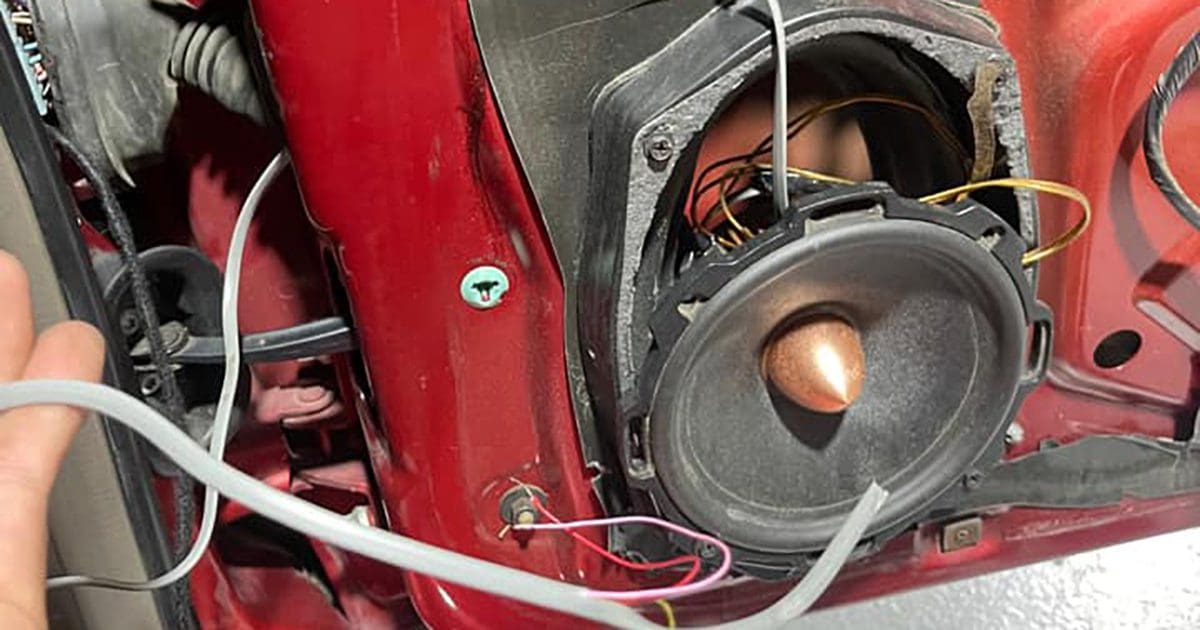
- Speaker adapters or brackets: $10 – $40 per set (needed if new speakers don’t fit factory holes)
- Wiring harnesses: $10 – $30 (lets you connect new speakers without cutting original wires)
- Sound deadening material: $20 – $100 (reduces vibrations for clearer sound)
- Amplifier installation: $60 – $200 extra (if you add an amp)
Non-obvious insight: Some modern cars have active noise cancellation or advanced electronics that require special adapters or bypass modules. These can add $50 – $200 to your bill.
Credit: www.bestcaraudio.com
Where To Get Car Speakers Installed
You have a few choices for car speaker installation. Each has its own pros and cons:
- Car audio specialty shops
- Experienced with all car types
- Often give best results and warranty
- Big box retailers (like Best Buy)
- Fixed pricing, but sometimes less experience with rare cars
- Offer bundled deals on products and install
- Auto repair shops
- Convenient if you’re already getting repairs
- Not always experts in sound systems
- Mobile installers
- Come to your home or work
- Good for busy schedules but check reviews carefully
Tip: Always read recent customer reviews and ask about warranties.
How To Save Money On Car Speaker Installation
Upgrading your car’s sound doesn’t have to be expensive. Here are a few ways to cut costs:
- Buy speakers online during sales or holidays.
- Install simple speakers yourself if you’re comfortable with tools.
- Bundle installation when buying multiple items (head unit, amp, speakers).
- Ask for price matching if you see lower prices at another shop.
- Reuse factory wiring when possible (but check for compatibility).
Example: Many people save $50-$100 by buying their own speakers and just paying for installation.
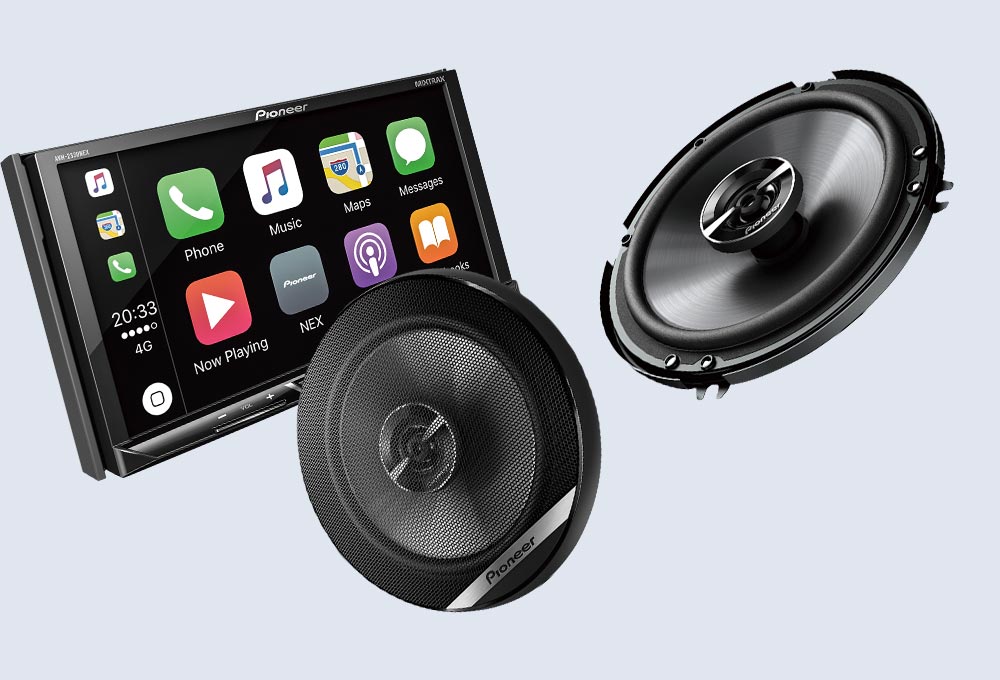
Credit: www.bestbuy.com
Steps In A Typical Car Speaker Installation
Knowing the installation process helps you understand what you’re paying for. Here’s what happens during a typical upgrade:
- Remove door panels or speaker covers
- Disconnect old speakers from wiring
- Install mounting brackets or adapters (if needed)
- Connect new speakers using proper harnesses
- Secure speakers in place and test for sound quality
- Reassemble door panels
- Test entire system for any issues
Practical tip: If you hear rattling after install, ask the shop to check for loose panels or add sound deadening material.
Common Mistakes To Avoid
Beginners often make these errors when upgrading car speakers:
- Choosing the wrong size: Always check your car’s speaker size before buying.
- Ignoring power ratings: Match speakers to your head unit or amplifier’s power output.
- Forgetting about installation costs: Don’t spend your whole budget on speakers—save some for labor and extras.
- Not testing before finishing: Always test new speakers before reinstalling panels.
Experience-based advice: Take photos during each step if you install yourself. It makes reassembly much easier.
Is Upgrading Car Speakers Worth The Cost?
Many drivers wonder if the investment is worth it. Here’s what you gain:
- Better sound clarity for music, podcasts, and calls
- More bass and volume without distortion
- Higher resale value for your car (if done professionally)
Example: Even a $200 upgrade can make a factory stereo sound like a high-end system. But, if your car is very old or you plan to sell it soon, consider if you’ll enjoy the improvement long enough to justify the cost.
Real-world Examples: What People Paid
Hearing what others paid can help you set realistic expectations. Here are a few real-world cases:
- Sarah, 2020 Honda Accord: Upgraded all four door speakers at Best Buy for $280 total (parts and labor included).
- Mike, 2017 Ford F-150: Added two front coaxial speakers and a subwoofer, installed by a local shop for $600 total.
- Linda, 2010 Mazda 3: Did a DIY rear speaker replacement for $60 (bought parts online, used YouTube guide).
Tip: Prices vary by city and car, so get 2-3 quotes before choosing.
Should You Upgrade More Than Just The Speakers?
Sometimes, just changing the speakers isn’t enough. Consider these upgrades for even better sound:
- New head unit: Adds features like Bluetooth, better EQ settings, and more power.
- Amplifier: Gives cleaner sound and more volume, especially for high-end speakers.
- Sound deadening: Reduces road noise for a quieter, clearer ride.
Example: Adding an amplifier can cost $100-$300 for parts plus $60-$200 for install—but can dramatically improve sound, especially at higher volumes.
How To Choose The Right Installer
Picking the right installer is as important as picking good speakers. Here’s how:
- Check for certifications: Look for MECP-certified shops (Mobile Electronics Certified Professional).
- Read reviews: Check Google, Yelp, or local forums.
- Ask about warranty: Good shops cover both parts and labor.
- Get a detailed quote: Make sure it lists all parts, labor, and extras.
Insight: Some installers will let you watch the process or explain what they’re doing—this is a good sign of honest service.

Credit: www.stereodepotsandiego.com
Frequently Asked Questions
How Long Does Car Speaker Installation Take?
Most basic installs (2-4 speakers) take 1 to 3 hours. Custom work or adding an amplifier can take a half day or longer. Schedule ahead if you need your car back quickly.
Can I Install Car Speakers Myself As A Beginner?
Yes, many beginners install basic speakers with online guides and videos. You’ll need basic tools (screwdrivers, panel remover, wire cutters). Take your time, label everything, and follow step-by-step instructions.
Do I Need An Amplifier For New Car Speakers?
Not always. Many aftermarket speakers work well with a factory or aftermarket head unit. But if you want louder volume or use component speakers/subwoofers, an amplifier is a smart upgrade.
Will New Speakers Drain My Car Battery?
No, speakers alone do not drain the battery. Problems only happen if you add large amplifiers and play music at high volume with the engine off. For most people, this is not an issue.
Where Can I Learn More About Car Audio Upgrades?
For more details, visit trusted resources like the Crutchfield Learning Center for step-by-step guides, tips, and product reviews.
Upgrading your car speakers is a smart way to enjoy every drive more. Whether you want a simple improvement or a full custom system, knowing what affects the cost helps you stay on budget and avoid surprises. With the right planning, you’ll get sound that makes every trip better.