How to Fix My Car Amplifier Stuck in Protection Mode Quickly
If you’re struggling with a car amplifier stuck in protection mode, you’re not alone. Many car owners face this issue, especially after upgrading their sound system or during hot weather. Protection mode is meant to keep your amplifier safe, but it can be frustrating when music stops and you don’t know what to do next. This guide will help you understand why it happens and show step-by-step how to fix it—even if you’re a beginner.
What Does Protection Mode Mean?
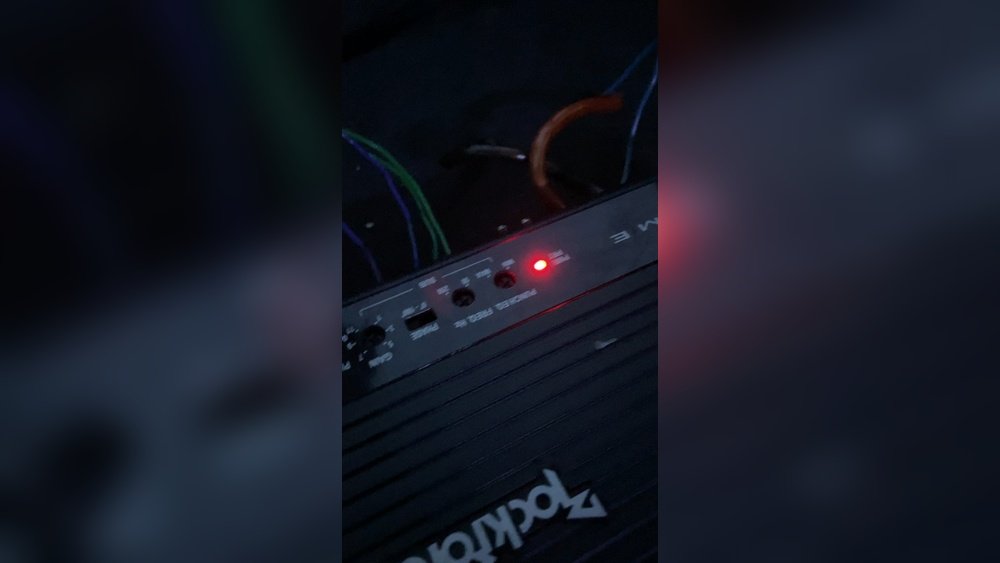
When your car amplifier goes into protection mode, it shuts itself off to prevent damage. This is a safety feature. The amplifier might show a blinking light, a red LED, or just stop working. Most common reasons are:
- Overheating
- Electrical faults
- Speaker wire problems
- Power supply issues
Protection mode is not a permanent failure. It usually means the amp detects something wrong and needs your attention. Sometimes, protection mode can also be triggered by sudden spikes in voltage or a temporary loss of power. This automatic shutdown helps keep your equipment safe and can save you from expensive repairs later.
Common Causes Of Amplifier Protection Mode
Understanding the cause is the first step to fixing your amp. Here are the main reasons:
- Overheating: If your amp gets too hot, it will shut down. Hot weather or poor ventilation increases the risk. Dust buildup or mounting the amp near heat sources also makes overheating more likely.
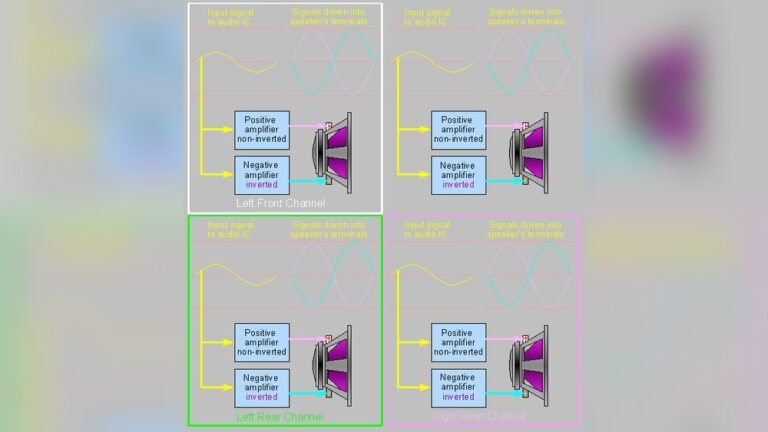
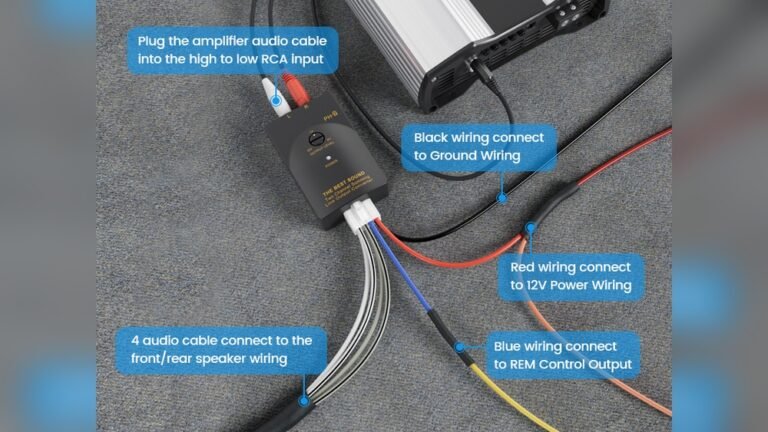
- Incorrect Wiring: Wrong connections or loose wires can trigger protection mode. Even a single wire that is not fully connected can cause problems.
- Speaker Impedance Issues: If speakers don’t match the amp’s requirements, it can overload. For example, using multiple speakers in parallel can lower the impedance below safe levels.
- Power Supply Problems: Weak battery or bad ground can cause voltage drops. Sometimes, power cables are too thin, causing resistance and less power reaching the amp.
- Short Circuits: Damaged wires or connectors can create shorts. Water or moisture inside connectors can also lead to short circuits.
- Blown Fuses: A blown fuse cuts power and triggers protection mode. It usually happens after a power surge or wiring mistake.
- Faulty Amp Components: Internal parts can fail over time. Capacitors, transistors, or resistors may wear out, especially in older amps.
| Cause | Typical Sign | Easy Fix? |
|---|---|---|
| Overheating | Hot amp, stops after long play | Yes (cool down) |
| Incorrect Wiring | No sound, blinking light | Yes (rewire) |
| Speaker Impedance | Low volume, amp shuts | Sometimes |
| Power Problems | Weak sound, amp off | Yes (check battery/ground) |
| Short Circuit | Fuse blows, no power | Yes (repair wires) |
| Blown Fuse | No power, amp off | Yes (replace fuse) |
| Faulty Components | Random shutdowns | No (needs repair) |

Credit: www.youtube.com
Step-by-step Guide: How To Fix Your Amplifier
Let’s walk through fixing the issue. These steps are beginner-friendly and safe.
1. Turn Off Everything
- Switch off your car and remove the key.
- Wait at least 5 minutes before touching wires.
- This pause lets the amp reset and avoids accidental shorts.
2. Inspect The Amplifier
- Check for blinking red lights or other indicators.
- Feel the amp. If it’s very hot, let it cool for 30 minutes.
- Look for dust or blockages around the amp. Remove anything that blocks airflow.
3. Check Wiring Connections
- Look at the wires going to the amp.
- Make sure all wires are tight and connected correctly.
- Examine for broken or burnt wires.
- Gently tug each wire to check if it’s secure. Sometimes, wires look connected but are loose inside the terminal.
Common beginner mistake: Ignoring loose wires. Always check each wire one by one.
4. Test Your Ground Connection
A bad ground is a top reason for protection mode.
- Find the amp’s ground wire (usually black).
- Make sure it’s connected to clean, bare metal.
- No paint or rust under the connection.
- Tighten the screw if needed.
- Clean the area with sandpaper if you see rust or paint.
A weak ground can cause the amp to switch on and off randomly, so don’t skip this step.
5. Inspect The Speaker Wires
- Disconnect speaker wires from the amp.
- Look for exposed copper or frayed wires.
- Reconnect only if wires are clean and undamaged.
- If you see green or white corrosion, clean it off before reconnecting.
Non-obvious tip: Sometimes speaker wires touch each other. This creates a short circuit. Keep wires apart.
Also, double-check that speaker wires do not touch the car body or metal parts. Even small contact can trigger protection mode.
6. Check Speaker Impedance
- Your amp needs speakers that match its impedance rating (often 2, 4, or 8 ohms).
- Find your speaker specs and compare to amp manual.
- Too low impedance can overload and trigger protection.
- If you use multiple speakers, check how wiring changes the total impedance.
| Speaker Impedance | Amplifier Supported | Safe? |
|---|---|---|
| 2 ohms | 2–4 ohms | Yes |
| 4 ohms | 4–8 ohms | Yes |
| 8 ohms | 8 ohms | Yes |
| 2 ohms | 8 ohms | No |
If you are unsure, use a multimeter to check speaker resistance directly.
7. Test Power Supply
- Measure voltage at the amp terminals with a multimeter.
- Should read between 12–14 volts (engine on).
- If voltage is low, check battery and alternator.
- Make sure power cables are thick enough for your amp’s needs (usually 8-gauge or thicker for big amps).
If you notice the amp turning off when you turn up the volume, this is a sign of weak power supply.
8. Replace The Fuse
- Find the fuse near the amp or battery.
- Remove and inspect for burn marks or breaks.
- Replace with the same rating if blown.
- If fuses keep blowing, check for short circuits in wiring.
Beginner warning: Never use a higher-rated fuse. It can damage your amp.
9. Remove Remote Wire (optional)
- Unplug the remote turn-on wire.
- Wait 5 minutes, then reconnect.
- Sometimes this resets the amp.
- Only do this if you’ve tried other steps and the amp still won’t reset.
10. Turn Everything On
- Start your car and switch on the radio.
- Watch the amp. If it powers up and plays music, the problem is fixed.
- If not, try to repeat steps or check for internal amp issues.
If your amp stays in protection mode, the issue may be internal.
When To Get Professional Help
You may need a technician if:
- All steps above fail
- The amp is old or damaged
- Visible burn marks or melted parts
- Amp goes in and out of protection randomly
Experienced tip: Sometimes, internal transistors or capacitors fail. These need expert repair. Don’t open the amp if you’re not trained.
Also, if you hear popping sounds or smell burning when the amp powers up, turn it off immediately and seek help.

Credit: www.reddit.com
Preventing Protection Mode In Future
You can reduce the risk by taking these steps:
- Install the amp in a well-ventilated place.
- Use correct gauge wires (thicker for more power).
- Match speakers to amp’s impedance.
- Regularly check connections for corrosion or looseness.
- Avoid playing music at maximum volume for long periods.
- Clean dust and debris from around the amp every few months.
| Prevention Step | Effect | Difficulty |
|---|---|---|
| Ventilation | Reduces overheating | Easy |
| Proper wiring | Prevents shorts | Medium |
| Correct speakers | Stops overload | Easy |
| Routine checks | Finds early issues | Easy |
| Fuse replacement | Prevents power loss | Easy |
If you live in a hot climate, consider adding a small fan or heat shield near the amp.
Real-life Example
Let’s look at a real situation:
- Mike installed a new subwoofer in his car.
- One week later, his amp went into protection mode.
- He checked and found the ground wire was loose.
- Tightening the ground fixed the issue.
- He also realized the speaker impedance was too low; he changed speakers for better match.
Many beginners miss the ground connection and speaker match. These two are the most common causes.
Another example: Sarah’s amp kept shutting off in summer. She moved it from under the seat to the trunk, where airflow was better. The problem stopped, showing placement really matters.

Credit: www.reddit.com
Data: How Often Does Protection Mode Happen?
According to car audio forums and industry data:
- About 30% of car audio failures are related to protection mode.
- Most cases are solved by fixing wiring or cooling the amp.
- Only 10% need professional repair.
- Problems are more common after DIY installations than factory setups.
These numbers show you can fix most problems yourself.
Non-obvious Insights
- Amp placement matters: If your amp is under a seat or near carpet, heat builds up quickly. Move it to a more open area for better airflow.
- Voltage drops at startup: When you start your car, voltage can drop. If your amp is sensitive, this triggers protection. Install a capacitor to stabilize voltage if you play music loud often.
- Wiring upgrades help: Upgrading your power and ground cables to thicker wires can reduce resistance and prevent voltage drops, especially after adding more speakers or bigger amps.
Frequently Asked Questions
Why Does My Car Amplifier Keep Going Into Protection Mode?
Your amp enters protection mode to avoid damage from overheating, wiring faults, or speaker mismatch. Regularly check wires and ensure proper ventilation to prevent this.
Can I Bypass Protection Mode?
No. Protection mode is built-in to prevent permanent damage. Instead, fix the underlying issue—such as cooling the amp or repairing wires—to restore function.
How Do I Know If My Amplifier Is Blown Or Just In Protection?
If your amp shows power lights but no sound and you’ve checked wiring and fuses, it’s likely protection mode. If there’s a burning smell or melted parts, it may be blown and needs professional repair.
Will Replacing The Fuse Fix Protection Mode?
Sometimes. If the fuse is blown, replacing it can restore power. But if the fuse keeps blowing, check for short circuits or incorrect wiring.
Is It Safe To Open My Amplifier For Repair?
No, unless you have experience. Opening the amp can void the warranty and expose you to electrical risks. Seek help from a certified technician for internal repairs.
Fixing a car amplifier stuck in protection mode isn’t as hard as it seems. With careful steps, most beginners can solve the issue at home. Start with wiring and connections, check the ground, and match your speakers. If problems persist, consult a professional. Keep your amp cool and your wires tidy to avoid future troubles. For extra guidance on car audio, visit Crutchfield’s troubleshooting guide—it’s a trusted source for car audio help. Remember, protection mode is your amp’s way of asking for attention, not a sign of permanent failure.