Can You Bridge a Head Unit? Expert Guide for Car Audio Lovers
Can You Bridge A Head Unit
Many car audio fans want louder, clearer sound without spending much money. If you’ve read about bridging amplifiers, you might wonder: “Can you bridge a head unit?” This guide explains what bridging means, how head units work, and whether bridging is possible or wise. You’ll find practical examples, simple explanations, and honest advice for beginners.
What Is Bridging In Car Audio?
Bridging is a way to combine two amplifier channels into one. This increases power output. For example, if an amp has two channels, bridging lets you use both to power one speaker or subwoofer. The main goal is higher wattage.
- Bridging is common with external amplifiers, not head units.
- It’s used to drive subwoofers or high-power speakers.
Simple Example
If each channel gives 50 watts, bridging two channels can deliver about 100 watts to a single speaker. This is not exactly double, but it’s close.
| Amplifier Channel | Watts per Channel | Bridged Output |
|---|---|---|
| Single Channel | 50W | N/A |
| Two Channels (Bridged) | 50W + 50W | ~100W |
How Does A Head Unit Work?
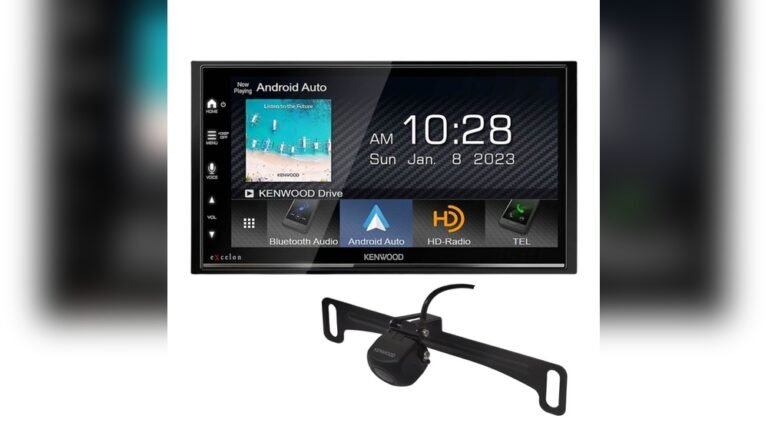
A head unit is the main control for your car audio system. It sends sound signals to speakers or amplifiers. Most modern head units:
- Have built-in amplifiers, but they are low power (usually 15-25 watts RMS per channel).
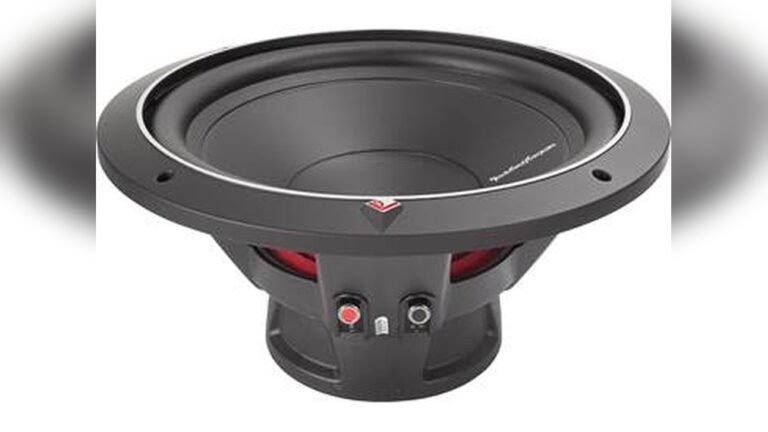
- Are designed to power standard speakers, not subwoofers.
- Include features like Bluetooth, radio, USB, and equalizers.
Head Unit Vs External Amplifier
| Device | Power Output (RMS) | Best Use |
|---|---|---|
| Head Unit | 15-25W per channel | Standard speakers |
| External Amplifier | 50-1000W per channel | Subwoofers, high-power speakers |
Can You Bridge A Head Unit?
Most head units do NOT support bridging. This is very important for beginners:
- Head units are not built for bridging.
- Their internal amplifiers are weak and not designed for high loads.
- Trying to bridge a head unit can damage it.
Why Bridging Is Not Possible
Head units use single-ended amplifier circuits. These cannot safely combine channels. Unlike external amplifiers, they lack the special design to handle bridging. Attempting to bridge a head unit:
- Can cause overheating.
- Can lead to blown internal components.
- Might void your warranty.
Practical Example
Suppose you have a head unit with 4 x 18W RMS output. If you try to bridge two channels, you won’t get 36W. Instead, you risk burning out the amplifier chips. Your speakers might sound distorted or stop working.
What Happens If You Try To Bridge A Head Unit?
Some beginners might try to wire speaker outputs together. This is a common mistake and can cause problems:
- Distortion: Sound quality drops.
- Protection Mode: The head unit shuts down to prevent damage.
- Permanent Damage: Internal circuits can fail.
Data: Head Unit Failure Rates
According to car audio forums and repair shops, over 70% of head unit failures are caused by improper wiring or overloading speaker outputs.
| Cause of Failure | Percentage |
|---|---|
| Improper Wiring | 45% |
| Overloading Outputs | 25% |
| Other Causes | 30% |
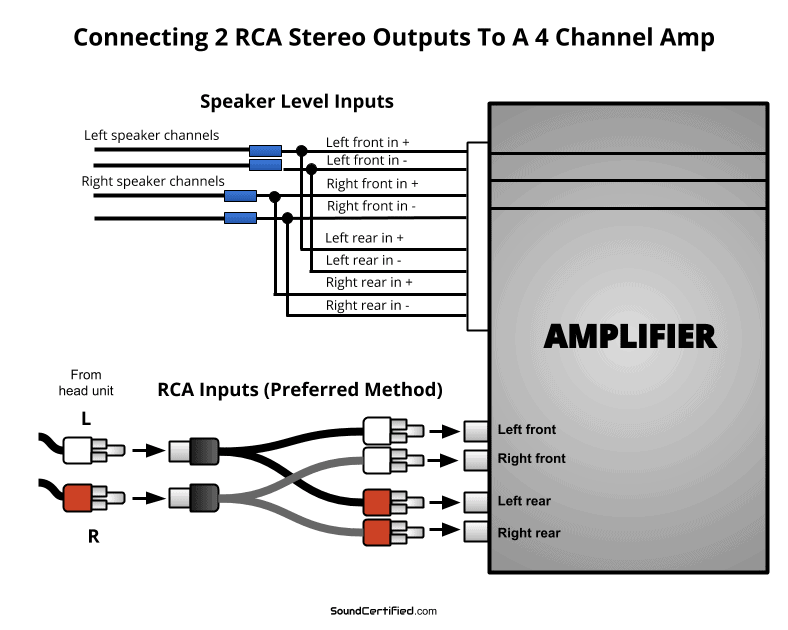
Credit: soundcertified.com
Better Ways To Get More Power
If you want louder sound or to power a subwoofer, bridging a head unit is not the answer. Try these safer, beginner-friendly methods:
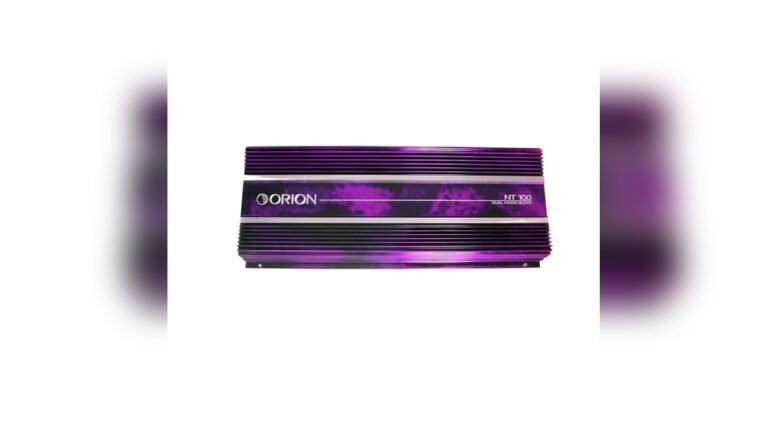
- Add an External Amplifier
- Use a 2- or 4-channel amp.
- Many amps are bridgeable and designed for high power.
- Connect the amp to your head unit’s RCA outputs.
- Upgrade Your Speakers
- Higher sensitivity speakers require less power.
- Look for speakers with sensitivity above 90 dB.
- Use Factory Speaker Wiring
- Keep speaker load between 4-8 ohms.
- Don’t wire speakers in parallel to lower impedance.
- Check Head Unit Settings
- Use built-in equalizer settings for best sound.
- Avoid maxing out volume—this stresses the head unit.
Example: Adding An Amplifier
Let’s say you have a Pioneer head unit with 4 x 22W RMS. You buy a 2-channel amp rated at 100W RMS per channel. By bridging the amp, you can get up to 200W RMS for a subwoofer. The head unit sends the signal, but the amp provides the power.
Common Mistakes Beginners Make
Many new car audio users believe bridging is easy. But with head units, mistakes can be costly:
- Mixing speaker wires: Connecting two positive wires together is not bridging.
- Ignoring ohms: Using speakers with low impedance (2 ohms) can fry a head unit.
- Skipping amp installation: Hoping a head unit can power a subwoofer is unrealistic.
Non-obvious Insight 1
Speaker impedance matters a lot. Head units are safe with 4-8 ohm speakers. Lower ohms mean more current. If you use 2-ohm speakers, the head unit may overheat or fail.
Non-obvious Insight 2
RCA pre-outs are a hidden feature. If your head unit has RCA outputs, you can add an amplifier easily. This is safer and gives more power than trying to bridge the built-in amp.
Technical Details: Why Bridging Head Units Fails
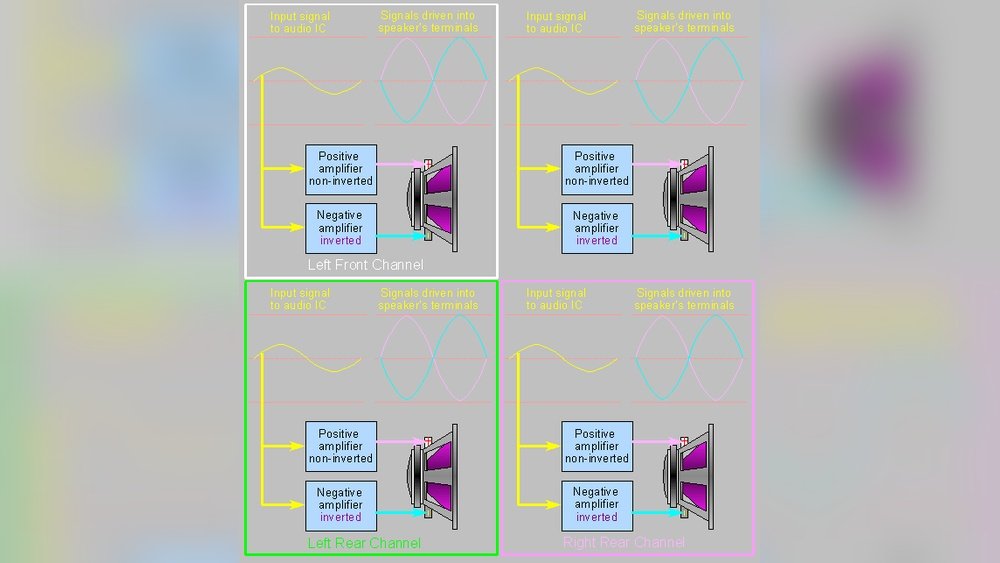
Understanding the technical side helps you avoid mistakes. Head units use single-ended outputs. Bridging needs push-pull (differential) outputs.
- Single-ended: Each channel shares a common ground.
- Push-pull: Each channel has separate grounds, allowing safe bridging.
If you connect two single-ended channels together:
- The ground paths can short out.
- This damages the output chips.
Most head units have IC (Integrated Circuit) amps. These chips are fragile compared to external amplifiers.
Safe Ways To Boost Car Audio
Instead of bridging, focus on these steps:
- Use a quality external amplifier.
- Upgrade to high-sensitivity speakers.
- Check for RCA pre-outs on your head unit.
- Keep speaker impedance at 4-8 ohms.
- Avoid wiring tricks—stick to manufacturer instructions.
Data: Power Output Comparison
Here’s a simple comparison of power outputs for head units versus external amplifiers:
| Device | Channels | Power Output (RMS) | Bridgeable |
|---|---|---|---|
| Head Unit | 4 | 18-25W | No |
| 2-Channel Amplifier | 2 | 50-150W | Yes |
| 4-Channel Amplifier | 4 | 40-100W | Yes |

Credit: stingerdrive.com
Real-life Example: Upgrading Your Car Audio
Let’s say you want better bass in your car. You buy a new head unit. It has 4 x 22W RMS output. You want to power a subwoofer.
- Bridging the head unit will not work.
- Instead, buy a 2-channel amplifier with 100W RMS per channel.
- Connect the amp to your head unit’s RCA outputs.
- Bridge the amp to get 200W RMS for your subwoofer.
This method is safe, reliable, and gives you real improvement.
Additional Tips For Beginners
If you’re starting with car audio, remember:
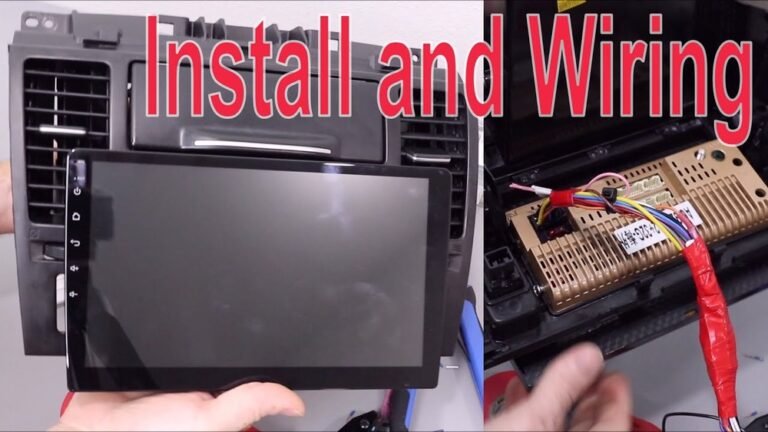
- Always read the head unit manual before wiring speakers.
- Never connect speaker wires together unless the device is designed for bridging.
- Use external amps for subwoofers and high-power speakers.
- Don’t push your head unit to max volume—this causes distortion.
- If unsure, ask a professional installer.
Common Myths
- “Bridging speaker wires doubles power.” This is false for head units.
- “Any amp can be bridged.” Only amps with proper design can be safely bridged.
- “Head units can power subwoofers.” Head units lack the needed power.

Credit: soundcertified.com
Frequently Asked Questions
Can I Bridge A Head Unit To Power A Subwoofer?
No, you cannot bridge a head unit. The built-in amplifier is not designed for bridging. If you want to power a subwoofer, use an external amplifier connected to the head unit’s RCA outputs.
What Happens If I Try To Bridge Speaker Wires On A Head Unit?
If you connect speaker wires together, you risk damaging the head unit. This can lead to distortion, shutdowns, or permanent failure. Always follow the wiring instructions in the manual.
Are There Head Units Designed For Bridging?
Standard head units do not support bridging. Only some external amplifiers can be bridged. If you need more power, buy a head unit with RCA pre-outs and add a bridgeable amplifier.
How Can I Increase Volume Without Bridging?
You can upgrade your speakers to high-sensitivity models. Also, use an external amplifier for more power. Adjust the head unit’s equalizer for best sound quality.
Is It Safe To Use Low-impedance Speakers With A Head Unit?
No, most head units are designed for 4-8 ohm speakers. Using 2-ohm speakers can overload the amplifier and cause damage. Always check speaker specs before installing.
Final Thoughts
Bridging a head unit is not possible or safe. The built-in amplifier cannot handle the extra load. If you need more power or want to run a subwoofer, use an external amplifier. Upgrade your speakers for better sound. Always follow wiring instructions and avoid shortcuts. Understanding these basics will help you build a reliable, great-sounding car audio system. For more technical details on amplifier bridging, visit Wikipedia.