
The Power of Velcro for Subwoofer Placement And Stability Explained
The right placement and stability of a subwoofer can make a big difference in your sound system. Many people struggle with subwoofers moving, vibrating, or not sounding their best. One small tool can help a lot: Velcro. This simple material has more power in home audio than most beginners realize. Let’s look at why Velcro is useful, how to use it, and what to expect when using Velcro for subwoofer placement and stability.
Why Subwoofer Placement And Stability Matter
Subwoofers are made to handle deep, low bass. But these sounds can also shake the subwoofer itself. If a subwoofer is not stable, several problems can happen:
- Sound distortion: The subwoofer might move, causing unclear or weak bass.
- Rattling noises: Unstable subwoofers can vibrate against the floor or furniture.
- Safety: A sliding subwoofer can damage wires or even fall over.
For the best sound, a subwoofer needs to stay in one spot and not move during loud music or movies. Beginners often ignore this, focusing only on the model or power of their subwoofer.
What Is Velcro And How Does It Work?
Velcro is a brand name for a type of hook-and-loop fastener. It has two parts:
- Hook side: Feels rough, with many tiny hooks.
- Loop side: Soft, with many small loops.
When pressed together, the hooks catch the loops and hold tight. When pulled apart, they come off easily. Velcro is strong, reusable, and works on many surfaces.
Why Velcro Is A Good Fit For Subwoofers
- Easy to use: Simple to cut and stick in place.
- Reusable: Can move your subwoofer and restick if needed.
- No tools needed: No screws or nails.
- Protects surfaces: No damage to floors or furniture.
How Velcro Improves Subwoofer Placement
Velcro can help solve several common subwoofer problems:
1. Prevents Movement
When you play loud bass, the subwoofer can “walk” or slide across the floor due to vibrations. With Velcro, you anchor the subwoofer to the floor or platform, reducing movement.
2. Keeps The “sweet Spot”
The best sound comes when the subwoofer is in the right spot. Velcro helps you keep it there, so you don’t lose the best bass.
3. Reduces Rattles
Vibrations can cause rattling if the subwoofer is not stable. Velcro acts as a cushion, absorbing some vibration and reducing extra noise.
4. Makes Setup Flexible
Velcro is not permanent. You can move your subwoofer, try different spots, and restick easily if you want to change your setup.
Types Of Velcro And Which To Use
Not all Velcro is the same. For subwoofers, you need the right type for your floor and subwoofer.
| Type of Velcro | Best For | Strength | Reusable? |
|---|---|---|---|
| Adhesive Velcro Strips | Hard floors, flat surfaces | High | Yes |
| Velcro Dots | Small subwoofers | Medium | Yes |
| Velcro Tape (Sew On) | Carpeting, fabric surfaces | Low | Yes |
| Heavy Duty Velcro | Large/heavy subwoofers | Very High | Yes |
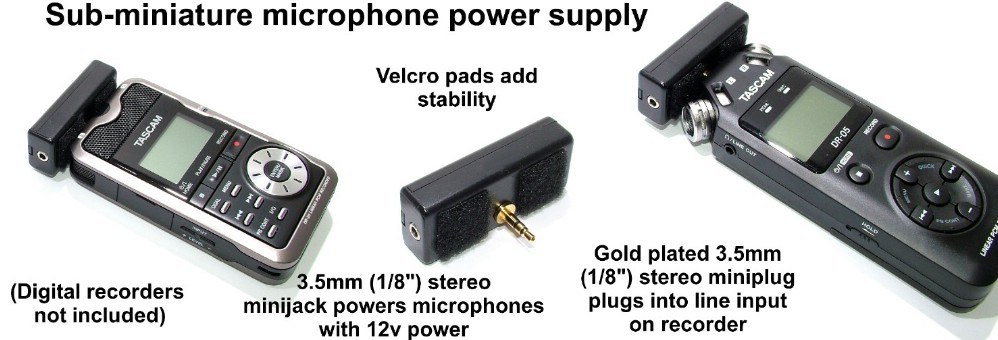
Tip: For most home subwoofers (20-50 lbs), adhesive Velcro strips or heavy-duty Velcro work best.
Credit: soundprofessionals.com
Step-by-step: How To Use Velcro For Subwoofer Placement
- Clean the surfaces. Wipe dust and dirt from the subwoofer’s base and the floor.
- Cut Velcro to size. Cut strips or dots that match the subwoofer’s feet or corners.
- Stick one side to the floor. Press firmly for good contact.
- Stick the other side to the subwoofer. Align with the floor strips.
- Join both sides. Place the subwoofer carefully, pressing down to lock the Velcro.
- Test for movement. Push gently to check stability.
Practical Example
Let’s say you have a 35-pound subwoofer on a hardwood floor. You buy heavy-duty Velcro strips (2 inches wide). You cut four pieces, each 3 inches long, and stick one under each foot of the subwoofer and the matching piece on the floor.
After pressing the subwoofer into place, you’ll notice it no longer slides, even during strong bass.
Does Velcro Hurt Sound Quality?
Many beginners worry that putting Velcro under the subwoofer will change the sound. In most cases, the effect is positive or neutral:
- Less unwanted vibration: Velcro cushions some shaking, so you hear cleaner bass.
- Stable bass direction: A subwoofer that stays put gives a more reliable sound.
- No real loss: Velcro is thin and does not block sound waves.
However, if you use very thick Velcro, it could lift the subwoofer too high, changing how the sound spreads. Use thin, strong Velcro for best results.

Credit: www.amazon.com
Velcro Vs. Other Subwoofer Stability Solutions
You have other options to keep your subwoofer stable. Here’s how Velcro compares:
| Method | Cost | Reusable? | Surface Damage | Ease of Use |
|---|---|---|---|---|
| Velcro Strips | Low | Yes | No | Very Easy |
| Rubber Feet/Pads | Low | Yes | No | Easy |
| Double-Sided Tape | Low | No | Possible | Easy |
| Mounting Brackets | Medium | No | Yes | Hard |
| Carpet Spikes | Medium | No | Yes | Medium |
Velcro is one of the easiest, cheapest, and safest ways for beginners to secure a subwoofer, especially if you want to avoid damaging floors.
Common Beginner Mistakes With Velcro
Many first-timers make simple mistakes when using Velcro for subwoofers:
- Using weak Velcro: Lightweight Velcro can peel off under vibration. Always use heavy-duty for large subs.
- Not cleaning surfaces: Dust or grease stops Velcro from sticking well.
- Wrong placement: Putting Velcro only in the center, instead of at the feet or corners.
- Too much Velcro: Using extra-thick strips can lift the subwoofer too high, affecting sound.
- Not checking after a few days: Adhesive strength can change with time or heat. Check after 48 hours.
Expert Tip: Press and hold the Velcro for at least 10 seconds when sticking. This helps the glue “grab” better.
Practical Insights: What Beginners Often Miss
1. Velcro Helps With Cable Management
When your subwoofer does not slide, your speaker wires and power cords stay safe and untangled. This reduces the risk of damaged cables and makes your setup look cleaner.
2. Useful For Temporary Or Rented Spaces
If you rent your home, you may not want to drill or use screws. Velcro is easy to remove without marks, making it renter-friendly.
3. Works For Car Subwoofers Too
Velcro can keep subwoofers in place in car trunks or under seats. Just make sure to use automotive-grade Velcro for best results.
4. It’s Not A Fix For Bad Placement
Velcro helps stability, but you still need to put your subwoofer in the best spot for sound. Do a “subwoofer crawl” (move your sub around the room while playing bass) to find the best sound, then secure it with Velcro.
Real-world Data: How Much Force Can Velcro Hold?
Velcro is stronger than most people think. Standard heavy-duty Velcro can hold about 10 pounds per 2-inch strip in shear (pulling sideways), and even more if you use longer strips or more pieces.
For example:
- A 40-pound subwoofer on four 3-inch strips (one under each foot) can be held firmly, even during loud bass.
- Some users report their Velcroed subwoofers staying put with 120 dB bass (very loud, movie-theater level).
Warning: If your subwoofer is over 60 pounds, use extra strips and check regularly.
Credit: soundprofessionals.com
When Velcro Might Not Be Enough
While Velcro is great for most people, there are a few cases where you might need more:
- Very heavy subwoofers (over 80 lbs)
- Uneven floors
- Very high humidity (can weaken adhesive)
- Outdoor setups
For these, consider mixing Velcro with other methods like rubber pads or brackets.
Cleaning And Maintaining Velcro
To keep Velcro working well:
- Vacuum the hook and loop sides every few months.
- Check for dust or hair buildup.
- Replace strips if they lose grip.
A little care goes a long way, and Velcro can last for years if maintained.
Real-world Example: Home Theater Setup
Imagine you set up a home theater in your apartment. The subwoofer shakes the floor, and you worry about noise for your downstairs neighbor. You use heavy-duty Velcro to anchor the sub. The subwoofer stays in place, the bass feels tighter, and you hear fewer rattles. Later, when you move, you simply peel up the Velcro—no damage, no mess.
This is why Velcro is popular in home theater forums and among DIY audio fans. It’s affordable, simple, and works well.
Frequently Asked Questions
What Type Of Velcro Should I Use For A Heavy Subwoofer?
For heavy subwoofers (over 40 lbs), use heavy-duty adhesive Velcro strips at least 2 inches wide. Place strips under each foot or corner. This gives strong hold and good stability.
Will Velcro Damage My Floor Or Carpet?
Velcro is safe for most surfaces. On hard floors, use adhesive Velcro and remove slowly to avoid marks. On carpet, Velcro hooks grip well without glue. Always test on a small area first.
Can I Move My Subwoofer After Using Velcro?
Yes, you can. Velcro is designed to open and close many times. Just pull the subwoofer up gently, move it, and press down again.
Does Velcro Reduce Subwoofer Sound Quality?
No, Velcro does not block bass or reduce sound quality. It can even improve it by reducing unwanted movement and rattling. Just avoid very thick Velcro, which can lift the subwoofer too high.
Where Can I Learn More About Velcro’s Holding Power?
You can read more about Velcro’s science and strength on the Wikipedia Velcro page.
The right tools can make your audio setup easier, and Velcro is one of those tools. Small, simple, and powerful—Velcro helps your subwoofer deliver clear, strong bass without the hassle. Try it, and enjoy the difference in your home theater or music system.