
What Size Subwoofer for My Car: Ultimate Guide to Perfect Bass
Choosing the right subwoofer size for your car can completely change how you experience music on the road. If you love deep bass, a strong beat, or just want clearer sound, picking the right subwoofer is important. But with so many sizes and options, it can be confusing—especially if you’re new to car audio systems. This guide will help you understand what size subwoofer fits your needs, car space, and budget.
Why Subwoofer Size Matters
The size of your subwoofer affects more than just volume. It also impacts sound quality, bass depth, and how much space you need in your car. Here’s why size is so important:
- Bigger subwoofers usually produce deeper, louder bass.
- Smaller subwoofers fit easily in tight spaces and offer faster response for certain music styles.
- The subwoofer’s size must match both your car’s space and your music taste.
Many beginners think a bigger subwoofer is always better. In reality, the best size depends on your car, your goals, and your setup.
Common Car Subwoofer Sizes
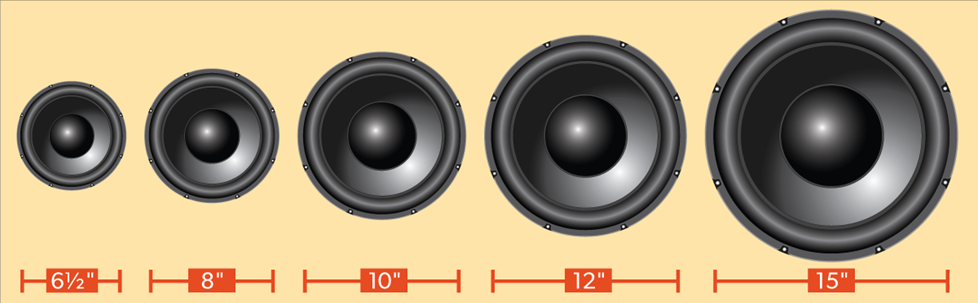
Most car subwoofers come in these main sizes:
- 8-inch
- 10-inch
- 12-inch
- 15-inch
Each size has its own strengths and weaknesses. Let’s look at how they compare.
| Subwoofer Size | Bass Depth | Car Space Needed | Best For |
|---|---|---|---|
| 8-inch | Light to moderate | Small cars, limited space | Quick beats, pop, rock |
| 10-inch | Moderate to strong | Most cars | All-around use, balanced sound |
| 12-inch | Deep and powerful | Medium to large cars | Bass-heavy music, hip-hop |
| 15-inch | Very deep, booming | Large vehicles only | Extreme bass lovers, competitions |
Credit: www.crutchfield.com
Understanding Subwoofer Sizes
8-inch Subwoofers
- Great for compact cars or when space is very limited.
- Provide tight, fast bass—good for rock, pop, and country.
- Usually need less power, so they’re easier on your car’s electrical system.
- Not ideal if you want chest-thumping bass.
Example: Many small hatchbacks use 8-inch subwoofers because they save trunk space and improve sound quality without overwhelming bass.
10-inch Subwoofers
- Offer a balance between size, bass, and space needs.
- Work well in most sedans, SUVs, and trucks.
- Handle a wide range of music styles—pop, EDM, hip-hop, even classical.
- Still compact enough for most cars, but give a noticeable bass boost.
Example: If you enjoy different music types but don’t want your whole trunk filled, a 10-inch subwoofer is a smart choice.
12-inch Subwoofers
- The most popular size for car audio enthusiasts.
- Provide deeper, richer bass—great for hip-hop, EDM, and R&B.
- Need more space and power, but deliver impressive sound.
- Ideal if you want to really feel the music.
Example: Many people with midsize sedans choose 12-inch subs because they fit well and offer strong performance for most music.
15-inch Subwoofers
- Deliver extremely deep bass—you’ll hear and feel every beat.
- Require a lot of space—best for SUVs, vans, and large trunks.
- Need powerful amplifiers and a strong battery.
- Usually chosen by people who compete in sound contests or want maximum bass.
Example: Someone with a large SUV and a passion for bass-heavy music might choose a 15-inch subwoofer for the ultimate experience.
Factors To Consider When Choosing Subwoofer Size
Picking a subwoofer is not just about size. Here are other things you should think about:
1. Car Space And Placement
- Measure your trunk or cargo area before buying.
- Remember, subwoofers need an enclosure (box), which takes extra space.
- Some cars have built-in spaces for subwoofers—check your vehicle’s manual.
Tip: Fold down your rear seats and measure the available space. This prevents buying a subwoofer too big for your car.
2. Music Preferences
- Hip-hop/EDM: Go for 12-inch or 15-inch for deep, strong bass.
- Rock/Pop: 8-inch or 10-inch gives fast, tight bass.
- Classical/Jazz: Smaller subs can offer clear sound without overpowering other instruments.
3. Power And Amplifier Needs
Bigger subwoofers often need more power. Make sure your amplifier can support your subwoofer.
- 8-inch: 150–300 watts RMS
- 10-inch: 200–500 watts RMS
- 12-inch: 300–750 watts RMS
- 15-inch: 500–1000+ watts RMS
RMS means “continuous power,” not the maximum burst. Always match your subwoofer’s RMS to the amp’s RMS output.
4. Enclosure Type
The subwoofer’s box or enclosure affects sound. Three main types:
- Sealed: Tight, accurate bass. Needs more power.
- Ported (vented): Louder, deeper bass. Box is larger.
- Bandpass: Very loud but less accurate. Big and heavy.
Example: For small cars, sealed boxes are common because they’re smaller. For loud bass, ported boxes are popular.
5. Budget
Subwoofers come in all price ranges. Remember to include:
- The subwoofer itself
- An enclosure (if not included)
- An amplifier
- Installation costs
Beginner Insight: Many first-time buyers forget to budget for the enclosure and amp—these can cost as much as the subwoofer.
Matching Subwoofer Size To Your Car Type
Let’s see how different cars match with subwoofer sizes.
| Car Type | Recommended Sub Size | Why This Size? |
|---|---|---|
| Compact car (hatchback, coupe) | 8″ or 10″ | Fits small trunks, less power needed |
| Sedan | 10″ or 12″ | Balanced bass, fits most trunks |
| SUV/Crossover | 12″ or 15″ | More space for larger subs, deeper bass |
| Truck (with crew cab) | 10″ or 12″ | Fits behind seats or under bench |
| Van | 12″ or 15″ | Plenty of space, loud bass possible |
Non-Obvious Insight: The shape of your car’s cabin affects bass. In hatchbacks and SUVs, bass often feels stronger because sound waves bounce around the open space.
How Many Subwoofers Do You Need?
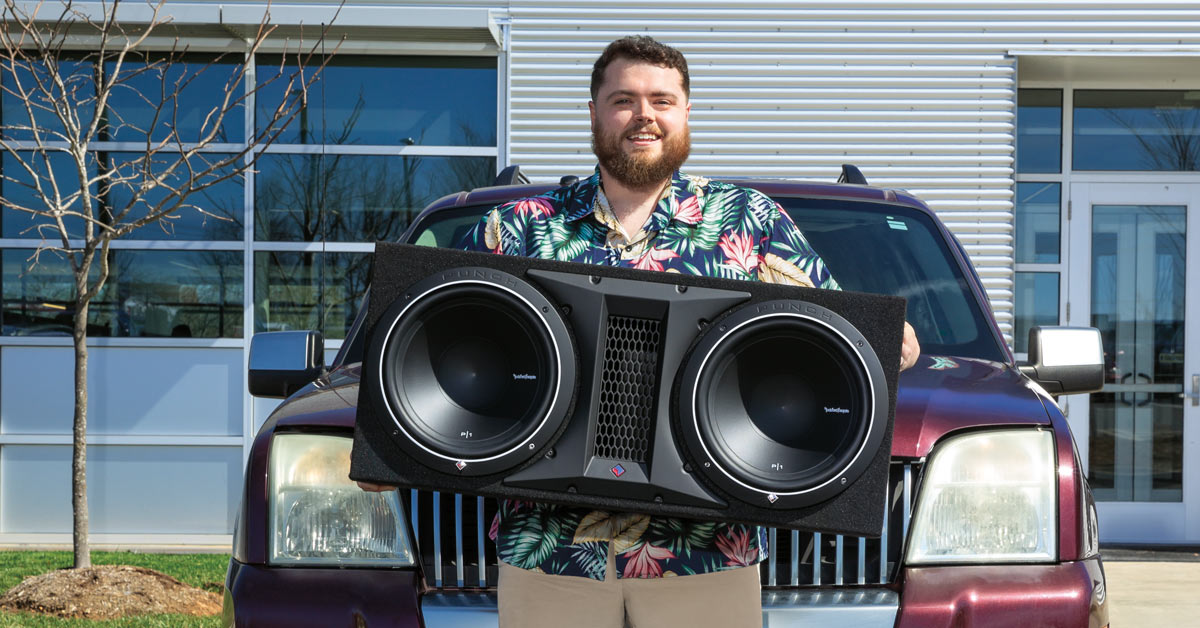
Most beginners start with one subwoofer. This is enough for clear, strong bass in most cars. More than one subwoofer can:
- Increase volume and bass impact
- Even out bass across your car
- Require more space, money, and power
Unless you want to compete or build a show car, one good subwoofer is usually plenty.
Credit: www.crutchfield.com
Mistakes To Avoid When Choosing Subwoofer Size
It’s easy to make mistakes when picking a subwoofer. Here are common ones:
- Ignoring available space: Always measure first.
- Chasing only big bass: Bigger isn’t always better. Too much bass can ruin sound quality.
- Forgetting amplifier power: An underpowered subwoofer won’t perform well.
- Not matching the enclosure: Wrong box type can hurt performance.
- Skipping installation details: Poor wiring or placement can cause rattles and poor sound.
Example Setups For Different Needs
Here are real-world examples to help you decide:
Commuter With Small Car
- Car: Honda Fit
- Subwoofer: 8-inch, sealed box
- Amplifier: 200-watt RMS
- Result: Clean, quick bass for pop and rock. Still plenty of trunk space.
Music Lover With Sedan
- Car: Toyota Camry
- Subwoofer: 12-inch, ported box
- Amplifier: 500-watt RMS
- Result: Deep, strong bass for hip-hop and EDM. Trunk still functional.
Bass Enthusiast With Suv
- Car: Ford Explorer
- Subwoofer: 15-inch, ported box
- Amplifier: 1000-watt RMS
- Result: Extreme bass—great for showing off, but takes up lots of cargo space.
Installation And Practical Tips
- Always use quality wiring kits. Cheap wires cause problems.
- Secure your subwoofer box so it doesn’t slide around.
- Seal all connections to stop air leaks (better sound).
- Set your amplifier’s gain properly—too high can damage your subwoofer.
- Test the system before final installation.
Beginner Insight: A poor install can ruin even the best subwoofer. If you’re unsure, get professional help.
When To Upgrade Or Change Your Subwoofer Size
You might want to upgrade if:
- Your current setup isn’t loud or deep enough.
- You switch cars and have more or less space.
- You change your favorite music style.
- You want a cleaner install or more trunk room.
Upgrading is easier if you choose a common size and box type from the start.

Credit: audiointensity.com
Should You Use A Preloaded Subwoofer Box?
Some brands sell subwoofers already installed in a box (preloaded or powered subwoofers).
Advantages:
- Easy to install—just connect power and speaker wires.
- Designed for best performance.
- Saves time for beginners.
Disadvantages:
- Less flexible—hard to upgrade just one part.
- May cost more for same performance.
Environmental Factors: Weather And Materials
- Extreme heat can damage subwoofer materials over time.
- Moisture in trunk or under seats can cause rust or short circuits.
- Choose subwoofers with polypropylene cones or rubber surrounds for better durability.
Tip: If you live in a hot or humid area, check your subwoofer’s material ratings.
Where To Learn More
If you want to dive deeper, the Subwoofer Wikipedia page explains more about how subwoofers work and their history.
Frequently Asked Questions
What Is The Best Subwoofer Size For A Small Car?
For most small cars, an 8-inch or 10-inch subwoofer is best. These sizes fit easily, don’t need much power, and still give clear, punchy bass. You’ll get a big improvement over factory speakers without losing valuable space.
Does A Bigger Subwoofer Always Mean Better Sound?
Not always. Bigger subwoofers can make deeper bass, but they need more power and space. If not installed or powered correctly, they can actually sound worse than a well-set-up smaller subwoofer.
How Much Power Do I Need For My Subwoofer?
Match your amplifier’s RMS power to your subwoofer’s RMS rating. For example, a 12-inch subwoofer with a 400-watt RMS rating should have an amplifier that can provide 400 watts RMS. Too little power means weak bass; too much can damage the subwoofer.
Can I Install A Subwoofer Myself?
Yes, many people do. Basic tools and a wiring kit are enough for most installs. However, if you’re new to car audio, consider professional installation to avoid wiring mistakes or poor sound.
What’s Better: One Big Subwoofer Or Two Small Ones?
It depends on your goals. One large subwoofer often makes deeper bass, while two smaller subwoofers can give more even sound across your car. For most people, one quality subwoofer is enough.
Choosing the right subwoofer size is about balance—space, power, music style, and budget. Take time to measure, plan, and choose what fits your needs. With the right setup, your car’s sound will be better than ever, making every drive more enjoyable.