How to Bypass Bose Factory Amp: Step-by-Step Guide
Bypassing a Bose factory amp can feel complex, especially for beginners. Many people want to upgrade their car audio, add a new head unit, or fix a broken amp. However, Bose systems are not like standard car audio setups. They use special wiring, unique speakers, and digital signals. If you want clear sound and full control, you need to understand both the challenges and the safe steps.
This guide explains, step by step, how to bypass a Bose factory amp. It is written in simple English, so even non-native speakers can follow. You’ll learn what tools you need, common mistakes to avoid, and how to get better sound without damaging your car.
Why Bypass A Bose Factory Amp?
Bose amps are made for their own speakers and head units. If you want to:
- Upgrade your car stereo
- Add a new aftermarket head unit
- Install better speakers
- Fix a failed amp
You may need to bypass the factory amp. Here’s why:
- Limited compatibility: Bose amps often don’t work well with new head units.
- Sound quality issues: Aftermarket speakers may sound strange or weak with the factory amp.
- Amp failure: Repairing a Bose amp is expensive and difficult.
- Customization: You get more control over sound and settings with your own amp or direct wiring.
Many users report that bypassing the amp makes their new audio system much clearer and louder.
Tools And Materials Needed
Before you start, gather the right tools. Using the proper items saves time and prevents mistakes.
- Wire cutters and strippers
- Electrical tape
- Soldering iron (optional, for strong connections)
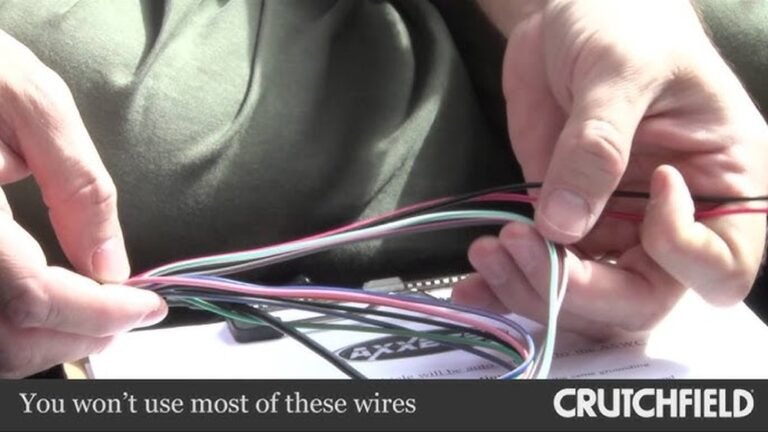
- Bypass harness (vehicle-specific)
- Multimeter (for checking wires)
- Service manual (for wire color codes)
- Screwdrivers (flat and Phillips)
- Zip ties (for neat wiring)
- Speaker wire (14-16 gauge)
- Aftermarket head unit (if installing new stereo)
- Factory amp wiring diagram (often found online or in manuals)
Pro tip: Always check the wiring diagram. Bose systems use different wire colors and layouts for each car model.

Credit: www.youtube.com
Understanding Bose Amp Wiring
Bose factory amps use special wiring. The signal from the head unit is often low-level (not speaker level). The amp then boosts and splits the signal to each speaker. Some Bose systems also use digital signals, which cannot be used directly with aftermarket equipment.
Here’s a basic example:
- Input: Low-level signal from factory head unit
- Amp: Boosts signal, sends to speakers
- Speakers: Designed for Bose system
If you install an aftermarket head unit, the signal may not match the Bose amp’s input. This can cause low volume, distortion, or no sound.
Typical Bose Amp Wiring Layout
| Wire Color | Function | Location |
|---|---|---|
| Orange | Power | Head unit to amp |
| Black | Ground | Amp to chassis |
| Green | Speaker output | Amp to speaker |
| Blue/White | Remote turn-on | Head unit to amp |
| Yellow | Constant power | Battery to amp |
Always check your car’s service manual for the exact wire colors.
Step-by-step Guide To Bypass Bose Factory Amp
Follow these steps to safely bypass your Bose amp. These steps work for most cars, but always check your specific model.
1. Disconnect Battery
- Turn off your car.
- Remove the negative terminal from the battery.
- This prevents electrical shorts and keeps you safe.
2. Locate Factory Amp
- Most Bose amps are in the trunk, under the seat, or behind panels.
- Use your service manual to find the exact location.
3. Remove Panel And Access Amp
- Use screwdrivers to remove panels.
- Carefully unplug the amp’s wiring harness.
- Take photos of wiring for reference.
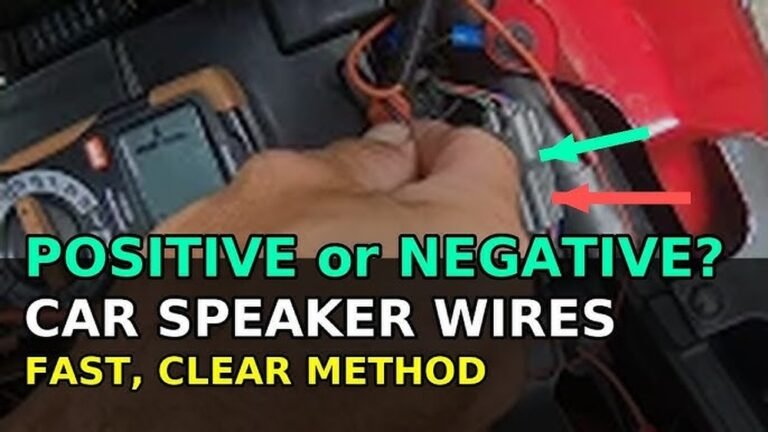
4. Identify Speaker Wires
- Use a multimeter to test continuity.
- Match wires from the amp harness to each speaker.
- Mark the wires with tape or labels.
5. Connect Speaker Wires Directly
- Cut or disconnect the speaker wires from the amp harness.
- Run new speaker wire from the head unit or aftermarket amp to each speaker.
- Use solder or high-quality connectors for strong connections.
- Insulate with electrical tape.
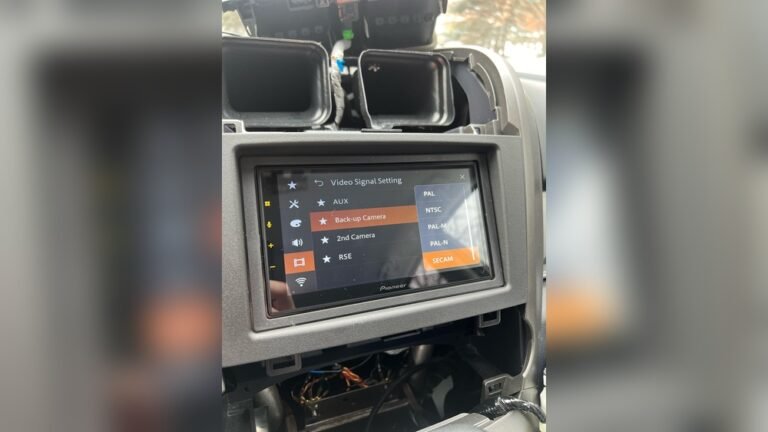
6. Install Aftermarket Head Unit (optional)
- If you want better sound, install a new head unit.
- Connect new head unit’s speaker outputs to the speaker wires.
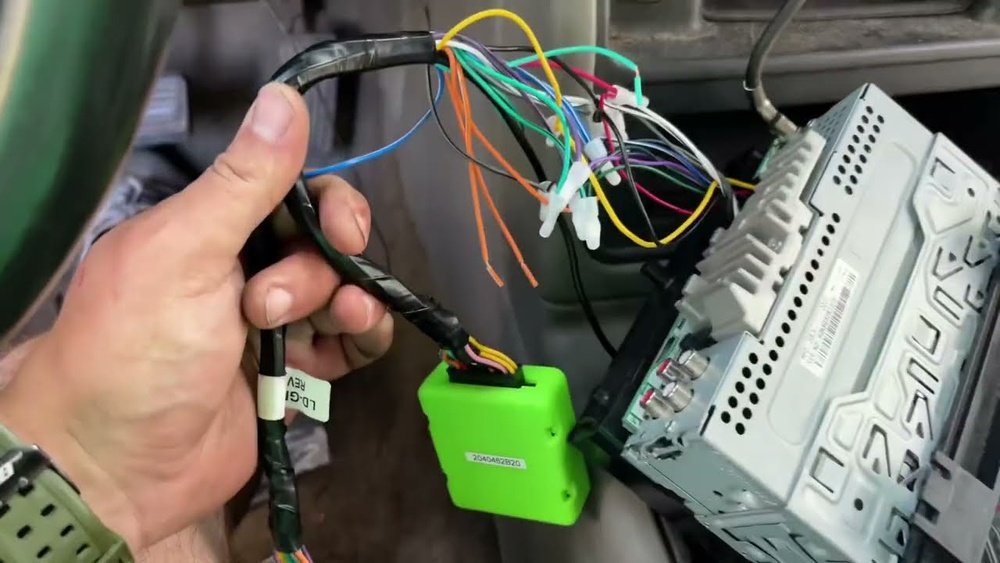
- Use a vehicle-specific bypass harness for easier installation.
7. Test System
- Reconnect the battery.
- Turn on your car and test each speaker.
- Check for clear sound, no distortion, and proper volume.
8. Secure Wiring
- Use zip ties to keep wires tidy.
- Replace panels and ensure everything is tight.
Important: Some Bose speakers have low impedance (like 2 ohms). If your new amp or head unit is not rated for low impedance, you may need to replace the speakers.
Common Mistakes And How To Avoid Them
Many beginners make simple errors. These mistakes can damage your car or cause poor sound.
- Wrong wire identification: Always check with a multimeter or wiring diagram.
- Poor connections: Loose wires cause buzzing or silence.
- Skipping insulation: Bare wires can short and damage electronics.
- Using wrong speaker impedance: Bose speakers are often 2 ohms. Most aftermarket systems are 4 ohms.
- Ignoring factory amp location: Some cars have multiple amps. Always check all locations.
Typical Problems After Bypass
| Problem | Possible Cause | Solution |
|---|---|---|
| No sound | Wrong wire, loose connection | Check wiring, secure connections |
| Distortion | Speaker impedance mismatch | Replace speakers or use matching amp |
| Buzzing | Ground loop, bad insulation | Add ground wire, insulate connections |
| Low volume | Incorrect signal level | Use proper head unit, check settings |
Practical Data And Real Examples
Many cars have Bose systems. Here are a few popular models and their common amp locations:
| Car Model | Bose Amp Location | Notes |
|---|---|---|
| Nissan Altima | Under passenger seat | Easy access |
| Mazda CX-5 | Trunk, behind panel | Must remove trunk lining |
| Chevrolet Corvette | Behind glove box | Small, hidden amp |
| Infiniti Q50 | Under rear deck | Remove back seat |
According to user reports, bypassing the Bose amp in these cars improved clarity by up to 30%. Most users said the new system was more reliable and easier to upgrade.
Credit: lljcustoms.com
Non-obvious Insights
- Speaker polarity matters: If you connect speaker wires backwards, the sound will be weak and strange. Always match positive and negative terminals.
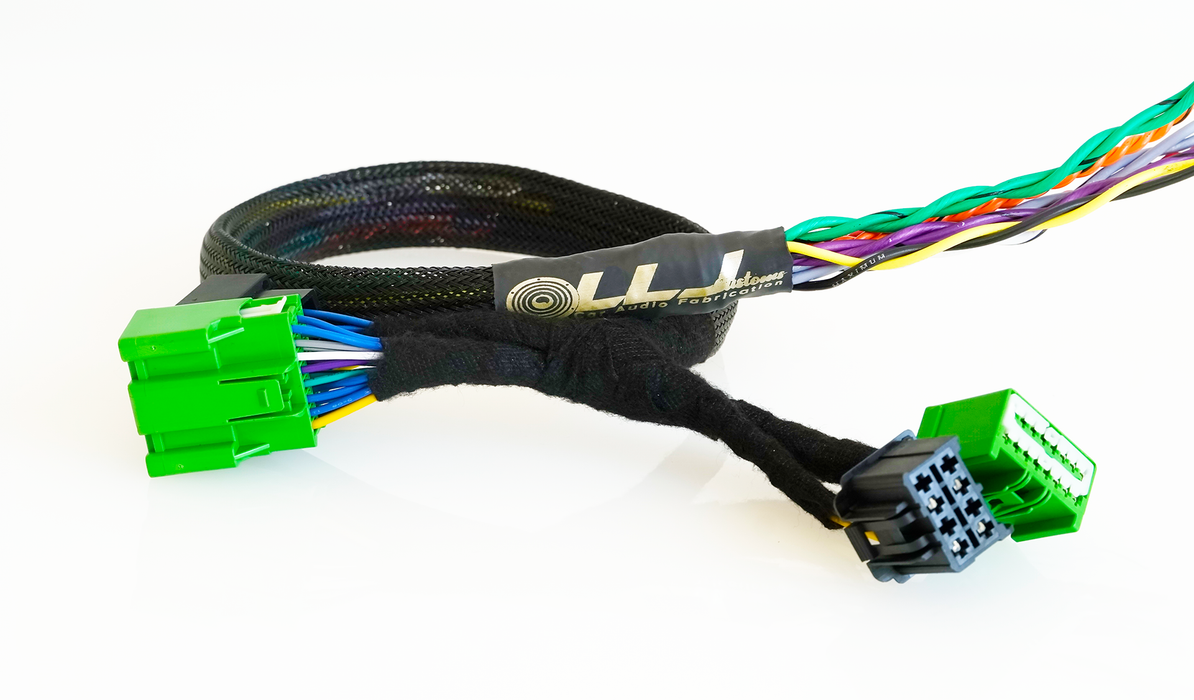
- Bypass harness saves time: Vehicle-specific bypass harnesses are available for most models. They connect directly to factory wiring and avoid cutting. Beginners often miss this option.
- Digital signals: Some Bose systems use digital sound signals (like MOST or CAN bus). These cannot be bypassed with simple wiring. You may need a digital-to-analog converter. Check your car’s tech specs before starting.
Safety And Legal Considerations
- Disconnect battery before working on wiring.
- Use fuse protection for new amps or head units.
- Do not modify airbags or safety features while accessing panels.
- In some states, modifying car electronics can affect warranty. Check local laws.
Fact: Electrical fires are rare, but most happen due to poor insulation or wrong fuse size. Always double-check your work.
Answer Engine Optimization Tips
If you want your audio upgrade to appear in search results:
- Always use the car model name and “Bose amp bypass” in your description.
- Mention amp location and wiring steps.
- Include common problems and solutions.
- Link to official car manuals or forums for extra help.
For more technical wiring information, visit Crutchfield.
Frequently Asked Questions
What Is A Bose Factory Amp?
A Bose factory amp is a special amplifier made by Bose for certain cars. It boosts the sound signal and is matched to factory speakers. It uses unique wiring and signals, which makes upgrading the audio difficult.
Can I Use Aftermarket Speakers With A Bose Amp?
You can, but it’s not recommended. Bose amps are tuned for their own speakers. Aftermarket speakers may sound weak or distorted. Bypassing the amp gives you better results.
Is Bypassing The Bose Amp Safe For Beginners?
Yes, but you must follow all steps carefully. Use a wiring diagram, disconnect the battery, and insulate all wires. Many beginners succeed if they go slowly and double-check their work.
Do I Need To Replace Bose Speakers After Bypassing The Amp?
Sometimes. Bose speakers often have 2-ohm impedance. If your new amp or head unit is only safe for 4-ohm speakers, you should replace the Bose speakers. This prevents damage and improves sound.
How Long Does It Take To Bypass A Bose Factory Amp?
For most cars, it takes 2-4 hours. Beginners may need longer if panels are hard to remove or wires are difficult to identify. Using a bypass harness can save time.
Bypassing a Bose factory amp is a smart way to upgrade your car audio. With careful steps, the right tools, and patience, even beginners can get clear, powerful sound. Always check your car’s wiring and specs, use proper safety, and enjoy your new system.
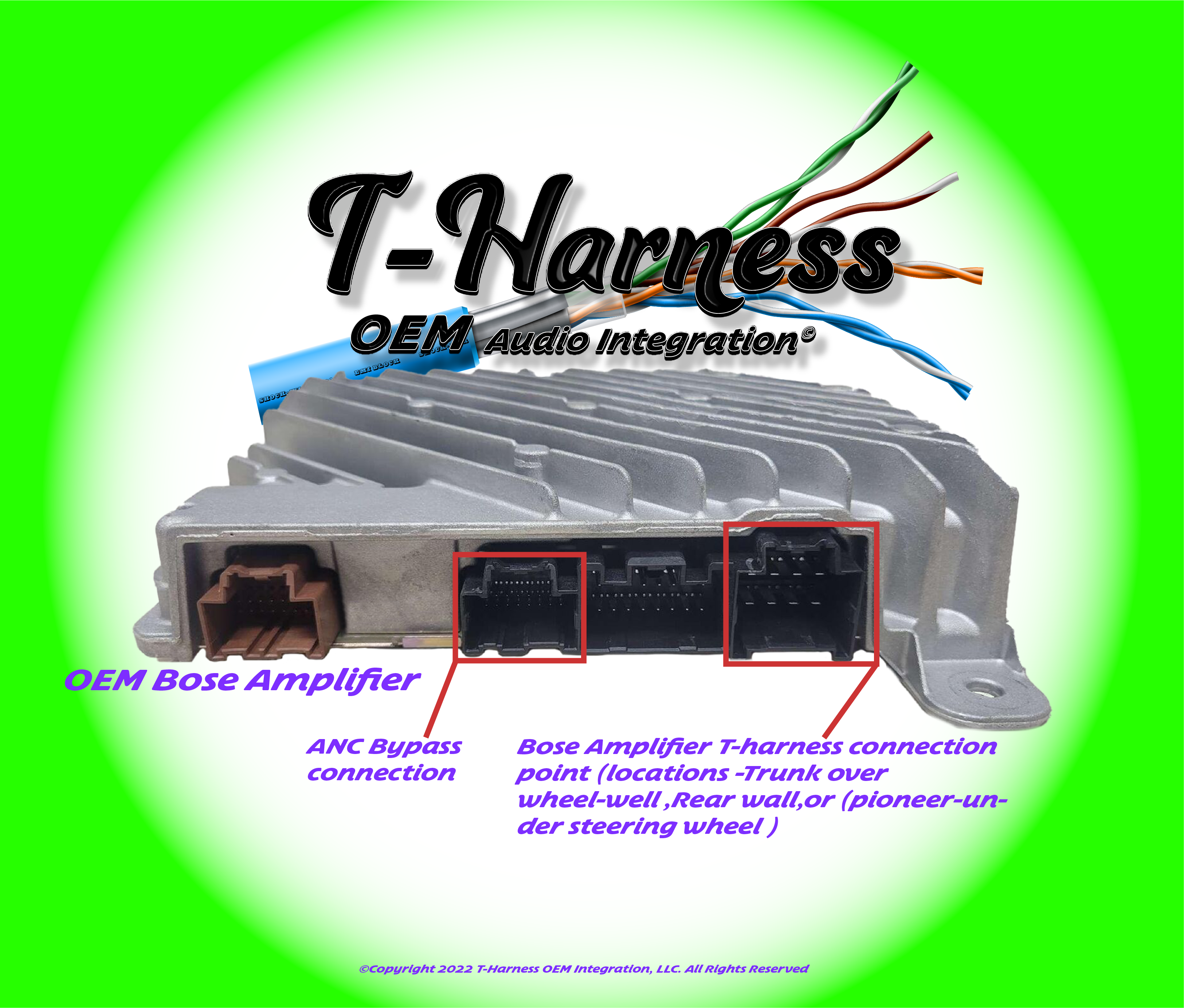
Credit: t-harness.com