
Does Radio Use Gas? Uncovering the Truth Behind the Myth
Have you ever wondered if playing the radio in your car actually uses gas? It’s a question many drivers ask, especially when trying to save fuel or understand how their car’s systems work.
You might think the radio runs solely on battery power or electricity, but there’s more to the story. Knowing how your radio affects fuel consumption can help you make smarter choices behind the wheel. Keep reading to find out exactly how your car’s radio uses gas—directly or indirectly—and what that means for your fuel efficiency.

Credit: www.hobbyprosdepot.com
Radio Power Sources
Radios need power to work. The source of this power varies by the type of radio. Some run on batteries, others use renewable energy, and some don’t need batteries at all. Understanding these power sources helps explain if radios use gas or other fuels.
Battery-powered Radios
Most portable radios use batteries. They are easy to replace and widely available. Batteries provide steady power until they run out. These radios do not use gas or any fuel. Battery-powered radios work well indoors and outdoors. They are common for emergency kits and camping.
Solar And Hand-crank Options
Solar radios use sunlight to create electricity. They have small solar panels that charge internal batteries. Hand-crank radios let you generate power by turning a crank. Both types do not need gas or external electricity. They are great for areas without power or during blackouts. These radios are eco-friendly and reliable.
Batteryless Radio Models
Some radios work without batteries or fuel. These radios use energy from radio waves or mechanical parts. They convert signals into sound directly. Batteryless radios are simple and last a long time. They never need charging or refilling. This type is useful for basic listening with no power source available.

Credit: www.motorbiscuit.com
Car Radio Energy Use
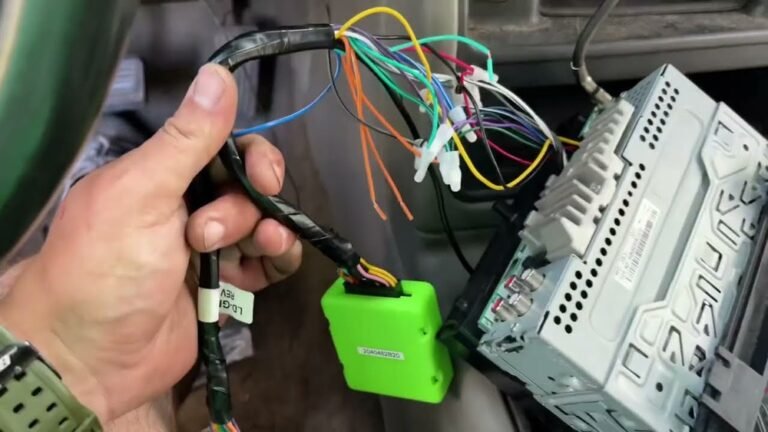
Car radios use electrical power supplied by the vehicle’s battery. This power comes indirectly from gasoline in cars with combustion engines. The engine runs an alternator that charges the battery and powers the radio. Understanding this process helps clarify how radios impact fuel consumption.
Alternator’s Role
The alternator converts engine power into electricity. It charges the battery and powers the radio. When the radio draws power, the alternator works slightly harder. This extra work causes the engine to burn a tiny bit more gas. The effect on fuel use is very small and often unnoticeable.
Indirect Gas Consumption
The radio itself does not burn gasoline. Instead, it uses electricity created by the alternator. Since the alternator depends on the engine, the radio’s energy use leads to indirect gas consumption. Standard car radios use very little power, so the gas used is minimal. High-power stereo systems can increase this usage slightly.
Battery Impact When Engine Off
If the engine is off, the radio runs on the car battery alone. This does not use any gas. Running the radio for a long time with the engine off can drain the battery. Once drained, the car might not start without a recharge. The battery does not get power from gas while the engine is off.
Fuel Impact Of Car Radios
High-power audio systems can change how much energy your car uses. These systems include parts like amplifiers and subwoofers. They make sound louder and clearer. Because of this, they need more electricity than regular radios. This extra demand affects the car’s electrical system and fuel use.
Amplifiers And Subwoofers
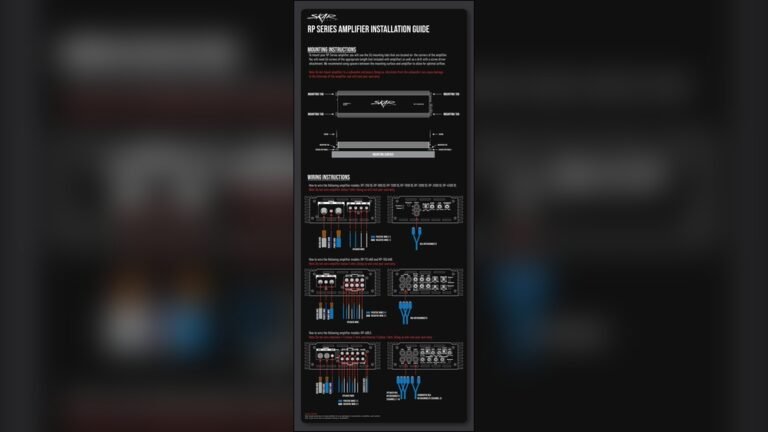
Amplifiers boost the audio signal to increase volume. Subwoofers produce deep bass sounds. Both parts require more power than a standard radio. They pull significant electrical current from the battery and alternator. This extra power use can cause the engine to work harder.
Increased Electrical Load
High-power audio systems increase the electrical load on the car. The alternator must generate more electricity to keep the battery charged. This causes the engine to burn more fuel. The additional load is small but noticeable with very powerful systems. The engine’s fuel consumption rises slightly to meet the power demand.
Potential Gas Consumption Rise
Because the alternator uses engine power, more fuel is consumed. The increase in gas use is usually minor with normal radio use. It becomes more clear when using large amplifiers and multiple subwoofers. The engine runs a bit harder, which burns more gas. This means that high-power audio systems can indirectly cause a rise in fuel consumption.

Credit: www.ebay.com
Frequently Asked Questions
Can I Go 20 Miles On Empty?
Yes, you can drive about 20 miles on empty, but it risks damaging your fuel pump and leaves little room for error.
Can A Radio Work Without A Battery?
A radio usually needs a battery or power source to work. Some radios use solar or hand-crank energy instead.
How Quickly Will A Car Radio Drain The Battery?
A car radio drains the battery slowly, lasting several hours with the engine off. High-power systems drain faster.
Can You Use Radio Without Electricity?
Yes, you can use radios without electricity by using solar-powered, hand-crank, or battery-free models that generate their own power.
Conclusion
Radios do not use gas directly. They rely on electrical power from the car’s battery. The engine runs the alternator, which recharges the battery using fuel. This means the radio causes a tiny, almost unnoticeable increase in gas use. Standard radios have very low power needs.
Only big, powerful sound systems might affect fuel more. When the engine is off, the radio runs solely on battery power. Overall, radios have a minimal impact on gas consumption in vehicles.