What is a Line Output Converter: Your Complete Guide Explained
A car audio upgrade can transform your driving experience. But sometimes, the factory radio doesn’t have the right connections for new amplifiers or subwoofers. This is where a Line Output Converter (LOC) becomes important. Beginners often get confused by technical terms, but understanding what a line output converter does will help you make better choices for your sound system.
What Is A Line Output Converter?
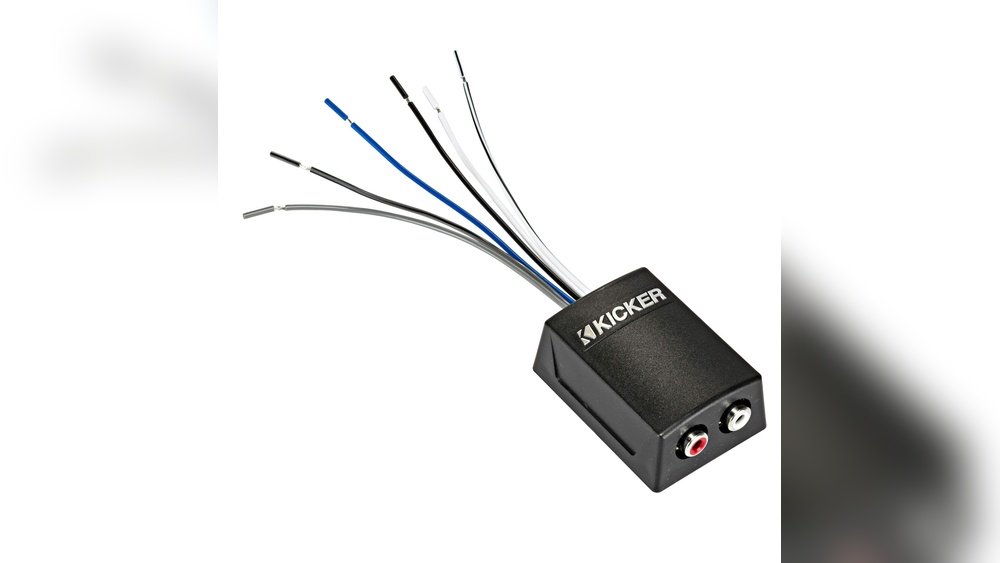
A Line Output Converter is a small electronic device that changes speaker-level audio signals into line-level signals. This matters because most aftermarket amplifiers need a line-level signal, which is lower in voltage and less powerful than speaker-level output from factory radios.
Here’s how it works:
- Speaker-level signals come directly from the radio and are strong enough to drive speakers.
- Line-level signals are weaker and used by amplifiers for clean audio processing.
The LOC connects to the speaker wires of your original car stereo, then converts the signal so you can connect it to an amplifier with RCA cables.
Why does this matter?
- Factory radios rarely have RCA outputs.
- Amplifiers need RCA (line-level) inputs for best sound quality.
- LOC bridges the gap, letting you add powerful amps and subwoofers to any car audio system.
How Does A Line Output Converter Work?
The basic job of a LOC is to lower the voltage of the signal. Factory radios send out signals at about 10 to 30 volts. Amplifiers expect signals around 0. 5 to 2 volts. If you connect them directly, you risk distortion, damage, or poor sound.
Here’s a simple breakdown:
- The LOC takes the high-voltage signal from speaker wires.
- It uses internal resistors and transformers to reduce voltage.
- The output is a clean, low-voltage signal ready for the amplifier.
Most LOCs have adjustment knobs so you can fine-tune the signal strength. This helps avoid distortion and ensures balanced audio.
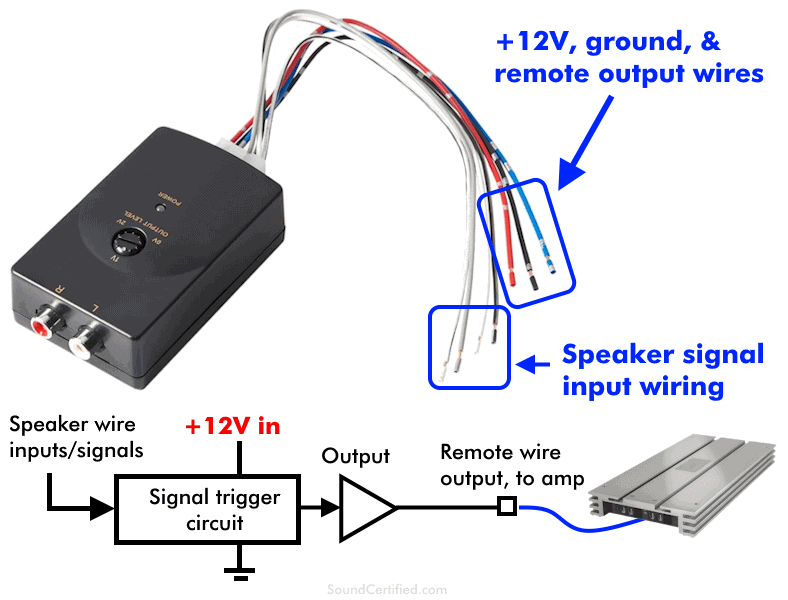
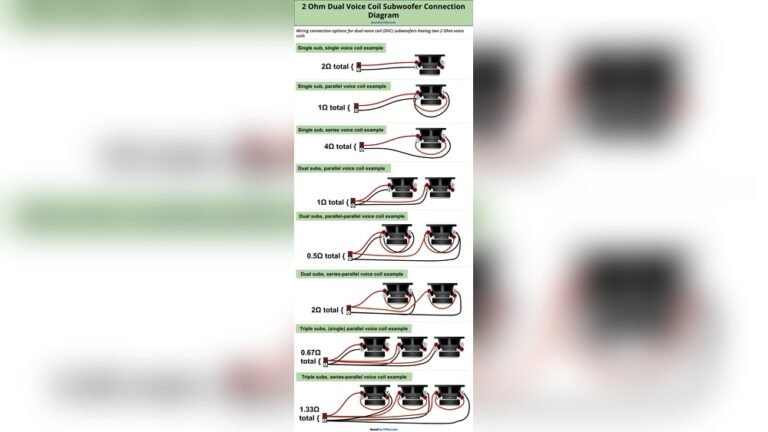
Credit: soundcertified.com
Types Of Line Output Converters
Not all LOCs are the same. There are two main types:
- Passive LOCs
- No power needed.
- Simple design: Just resistors and transformers.
- Good for basic setups.
- Active LOCs
- Requires power (usually 12V from the car).
- Includes extra features like remote turn-on, bass restoration, and improved signal clarity.
- Best for advanced systems or when you want more control.
Here is a comparison of passive vs. active LOCs:
| Type | Power Required | Features | Best For |
|---|---|---|---|
| Passive | No | Basic signal conversion | Simple upgrades |
| Active | Yes | Remote turn-on, bass restore, higher clarity | Advanced systems |
Why Use A Line Output Converter?
If you have a factory radio with no RCA outputs, a LOC is usually the only way to add an amplifier. It’s safe, reliable, and keeps your audio system sounding clean.
Here are some common reasons to use a LOC:
- Upgrade your factory audio without replacing the head unit.
- Add a subwoofer for deeper bass.
- Improve sound quality by using better amplifiers and speakers.
Many beginners think they must replace the radio to get better sound. This is not true. A LOC lets you keep your original controls, steering wheel functions, and sometimes even navigation.
Key Features To Look For In A Line Output Converter
When choosing a LOC, pay attention to these features:
- Adjustable gain controls: Lets you match signal levels for best sound.
- Remote turn-on output: Automatically turns on your amplifier when the radio powers up.
- Multiple channels: Supports front, rear, or even subwoofer outputs.
- Noise isolation: Prevents buzzing or humming in your speakers.
- Build quality: Reliable connectors and sturdy design.
Beginners often overlook noise isolation and remote turn-on outputs. These features make installation easier and help avoid common problems.
Typical Installation Process
Installing a line output converter is not hard, but you need to follow steps carefully. Here’s a basic guide for beginners:
- Locate speaker wires behind your car radio.
- Connect LOC inputs to these wires (usually by splicing or using adapters).
- Connect RCA outputs from LOC to amplifier.
- Adjust gain settings for clean, balanced sound.
- Secure all wiring and test the audio system.
Most LOCs come with detailed instructions. Take your time, double-check connections, and avoid rushing.
Common Mistakes During Installation
Many new users make these errors:
- Mixing up wire colors: Always check your car’s wiring diagram.
- Skipping ground connection: Some LOCs need grounding for best performance.
- Over-adjusting gain: Too high can cause distortion; too low will make the sound weak.
- Ignoring noise issues: If you hear buzzing, check all grounds and use noise filters.
Real-world Example: Adding A Subwoofer To A Factory Stereo
Let’s say you want to add a powerful subwoofer, but your car has a factory stereo with no RCA outputs. Here’s how a LOC helps:
- Find the speaker wires powering your rear speakers.
- Connect these wires to the LOC’s input.
- Run RCA cables from the LOC to your subwoofer amplifier.
- Use the remote turn-on feature (if available) to turn on the amp automatically.
- Adjust the LOC gain so the bass is deep but not distorted.
This method saves you money and keeps your car’s original dashboard and controls untouched.
Benefits Of Using A Line Output Converter
A LOC is not just a workaround. It offers clear benefits:
- Affordable: LOCs cost much less than new radios.
- Easy to install: No need for complex rewiring.
- Keeps factory features: Maintains steering wheel controls, safety settings, and original look.
- Flexible: Lets you upgrade part of your system step by step.
Drawbacks And Limitations
LOCs are useful, but they have some downsides:
- Sound quality depends on original radio: If your factory radio is low quality, a LOC can’t fix poor audio.
- Extra wiring: More connections mean more chances for mistakes.
- May need troubleshooting: Some cars have tricky wiring that needs careful attention.
Still, for most users, these issues are minor compared to the benefits.
How To Choose The Right Line Output Converter
Choosing the best LOC for your system is important. Here are some tips:
- Check how many channels you need. Two-channel is enough for subwoofers; four-channel is better for full-range setups.
- Look for adjustable gain controls. This helps set the right signal level.
- Consider noise isolation features for cleaner sound.
- If you want easy amp control, get a model with remote turn-on output.
Compare a few popular LOC models by features:
| Model | Channels | Gain Control | Remote Turn-On | Noise Isolation |
|---|---|---|---|---|
| PAC LP7-2 | 2 | Yes | Yes | Yes |
| Scosche LOC2SL | 2 | Yes | No | No |
| Audiocontrol LC2i | 2 | Yes | Yes | Yes |
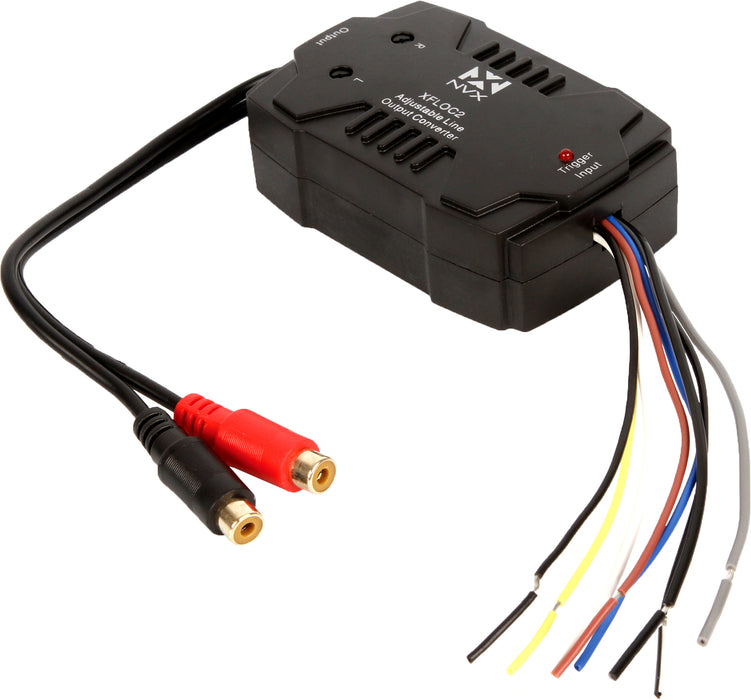
Credit: nvx.com
Line Output Converter Vs. Other Audio Solutions
Sometimes beginners confuse LOCs with other devices. Here’s how a LOC compares to other options:
| Device | Main Function | Best Use | Cost |
|---|---|---|---|
| Line Output Converter | Converts speaker-level to line-level | Adding amps to factory radios | Low |
| Factory Integration Amp | Directly connects to factory radio | Full system upgrades | Medium |
| New Aftermarket Radio | Full replacement | Advanced upgrades | High |
A LOC is often the simplest and cheapest way to upgrade your audio.
Practical Tips For Getting The Best Results
- Always use quality RCA cables for best signal transfer.
- Take time to adjust gain controls to avoid distortion.
- If you hear buzzing, check all ground connections.
- Hide wires neatly to avoid damage and keep your car looking clean.
- Test your system with different music types to make sure the sound is balanced.
Beginners often forget to test the system after installation. Play music at different volumes and settings to check for issues.
Where To Learn More
For deeper technical details or advanced setups, check trusted sources like Wikipedia. You can find wiring diagrams, installation guides, and community forums with helpful advice.
Frequently Asked Questions
What Is The Main Purpose Of A Line Output Converter?
The main purpose is to convert speaker-level signals from a factory radio into line-level signals that can be used by aftermarket amplifiers. This allows you to upgrade your car audio system without replacing the original radio.
Can I Install A Line Output Converter Myself?
Yes, most LOCs are designed for DIY installation. You need basic tools and some knowledge of car wiring. Always follow the instructions, check wire colors, and take your time.
Will Using A Loc Affect My Car’s Warranty?
Usually, adding a LOC does not void your warranty if you do not cut or damage factory wires. Some cars may have special warranty rules, so check with your dealer before making changes.
What Is The Difference Between Speaker-level And Line-level Signals?
Speaker-level signals are high voltage and used to power speakers directly. Line-level signals are lower voltage, used for input to amplifiers and other audio devices. LOCs convert speaker-level to line-level.
Do I Need A Loc If My Radio Has Rca Outputs?
No, you only need a LOC if your radio does not have RCA outputs. If your radio already has them, you can connect your amplifier directly.
A line output converter makes audio upgrades possible for almost any car. With the right tools and knowledge, you can enjoy better sound without losing your factory features. Understanding these basics helps you avoid mistakes and get the best results from your upgrade.

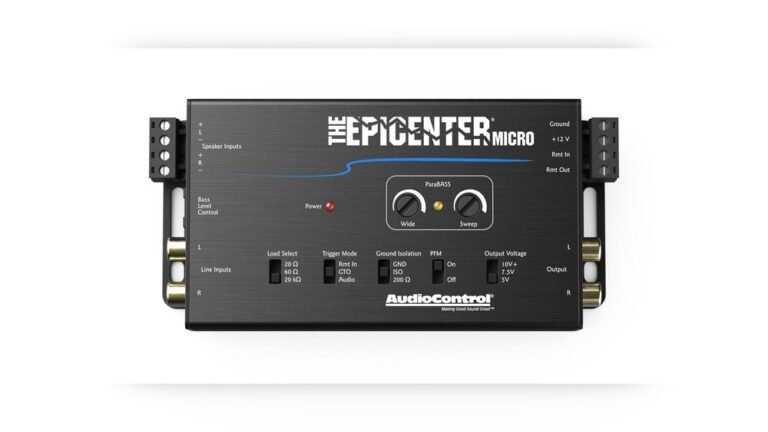
Credit: audiocontrol.com