Factory Amplifier Location: Find Your Car’s Hidden Audio Booster
Factory Amplifier Location: Beginner-friendly Guide
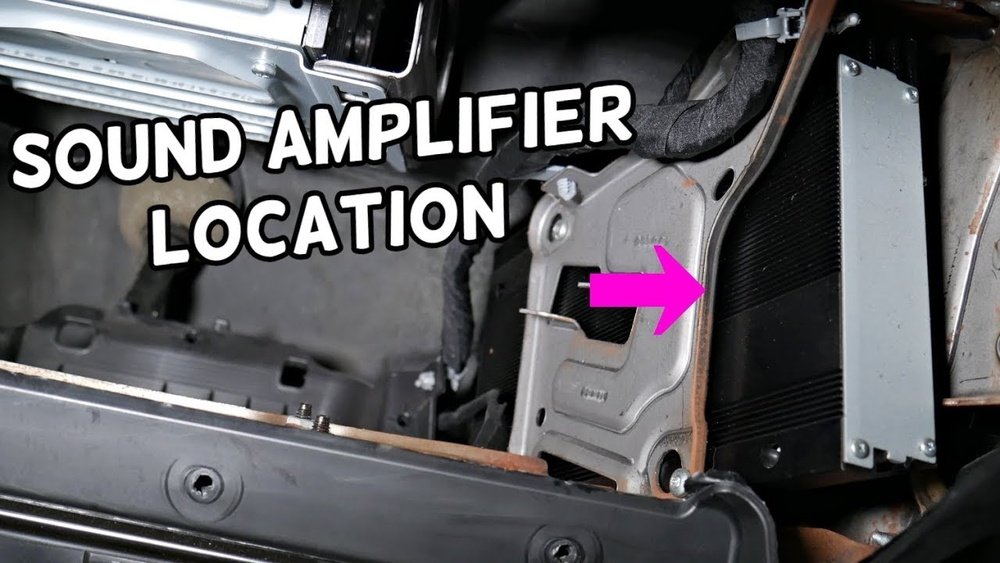
Understanding where your car’s factory amplifier is located can save you time, money, and trouble. Many drivers want to upgrade their sound system, fix audio issues, or simply learn more about their vehicle’s features. But finding the amplifier is often confusing, especially for beginners. This guide explains everything you need to know about factory amplifier locations, with clear examples, practical data, and step-by-step advice.
What Is A Factory Amplifier?
A factory amplifier is an electronic device installed by the manufacturer to boost the audio signals sent to your car’s speakers. It makes the sound louder and clearer, especially in vehicles with premium audio systems. Not every car has one, but many modern models do.
- Purpose: Makes music and radio sound better.
- Location: Hidden in different parts of the car, depending on brand and model.
- Common in: Luxury cars, SUVs, trucks, and some mid-range vehicles.
Knowing if your car has a factory amp—and where it’s located—is important before you upgrade speakers or install a new head unit.
Why Is Factory Amplifier Location Important?
- Easier Upgrades: You need to connect or bypass the amp when changing speakers or stereos.
- Troubleshooting: Audio problems can come from a faulty amp or wiring.
- Saving Money: Locating the amp avoids unnecessary labor costs at repair shops.
- Resale Value: Proper upgrades can increase car value.
Many beginners overlook these points. For example, if you replace your radio but don’t connect the amp, you may lose sound to some speakers.
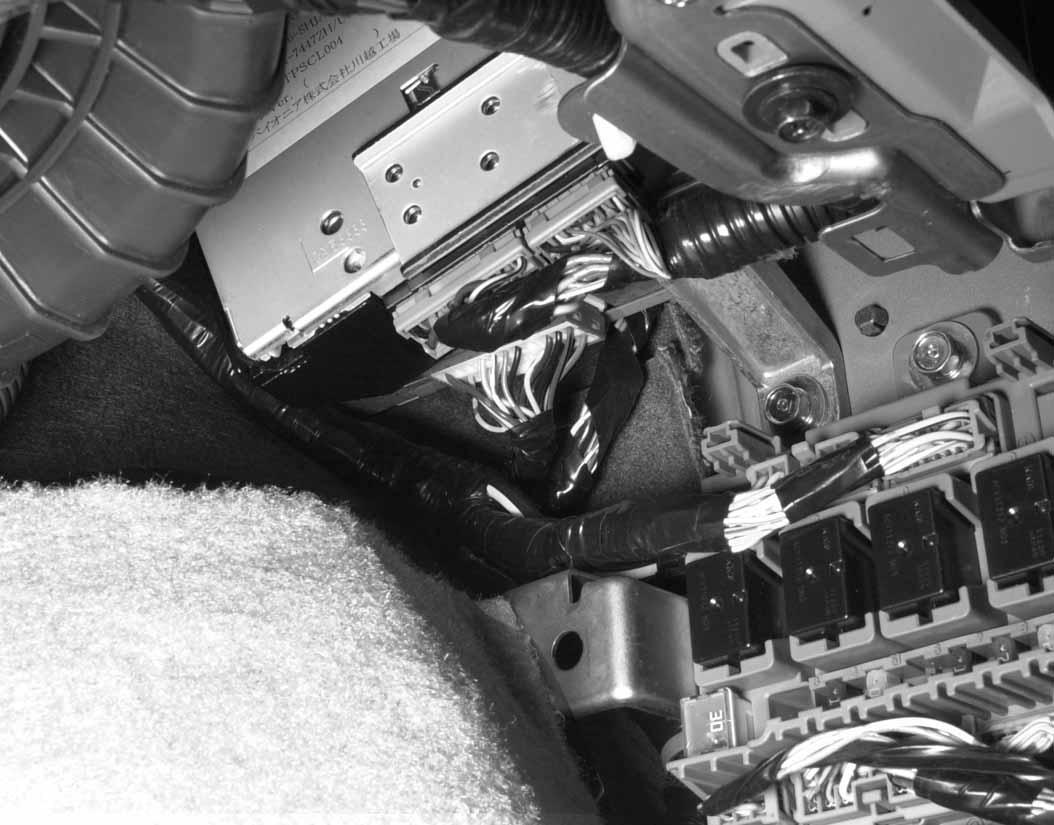
Credit: mobilemaxcaraudio.com
Common Factory Amplifier Locations
Factory amplifiers are not always in the same place. The location depends on your car’s make, model, and year. Here are the most frequent locations:
- Under the front passenger seat
- Behind the glove box
- In the trunk (near spare tire or side panels)
- Behind dashboard panels
- Under rear seats
- Side panels in the cargo area (SUVs)
- Inside the center console
Example: Ford F-150
- Most F-150 models with premium sound have the amp behind the rear seat.
- In older F-150s, the amp is sometimes under the passenger seat.
Example: Toyota Camry
- Camry models with JBL audio usually place the amp under the rear seat or behind the glove box.
Example: Chevrolet Tahoe
- Tahoe’s factory amp is typically in the trunk, close to the right rear quarter panel.
How To Find Your Factory Amplifier
Finding the amp is easier with a step-by-step approach. Here’s what you can do:
- Check your owner’s manual
- Look for audio system diagrams or amp location.
- Search online forums
- Other owners often share locations for your specific car.
- Look for branded speakers
- Brands like Bose, JBL, or Harman Kardon signal a factory amp.
- Inspect common areas
- Start with the locations listed above.
- Ask your dealership
- Service advisors can often point out the exact spot.
Practical Tip
Use a flashlight and small mirror to check under seats and inside panels. If you see thick wires leading to a metal box, that’s often the amp.
Factory Amplifier Location By Brand
Some brands place their amps in predictable spots. Here’s a comparison table for popular brands:
| Brand | Typical Location | Premium Audio Option |
|---|---|---|
| Ford | Behind rear seat, under passenger seat | B&O, Sony |
| Toyota | Under rear seat, behind glove box | JBL |
| Chevrolet | Trunk, right rear panel | Bose |
| Honda | Under front seat, trunk | Premium Sound |
| BMW | Trunk, under floor | Harman Kardon |
| Mercedes | Trunk, under passenger seat | Burmester |
This table helps you guess the amp’s location based on your car’s brand and audio system.
Signs Your Car Has A Factory Amplifier
Many beginners miss these clues:
- Premium audio branding: If you see Bose, JBL, or similar logos, there’s likely an amp.
- Multiple speakers: More than six speakers usually means an amp is installed.
- Extra wiring: If you notice thick bundles of wires under seats or in the trunk, it’s often for the amp.
- Owner’s manual mentions “amplifier”: Some manuals list it in the audio section.
Upgrading Or Bypassing A Factory Amplifier
If you want to improve your car’s sound system, the amp’s location matters. Here’s what to keep in mind:
- Upgrading speakers: If you add new speakers, check if they need more power than the factory amp provides.
- Installing new head unit: Many aftermarket radios require you to bypass the factory amp for full sound.
- Bypassing the amp: This means connecting speaker wires directly to the new head unit, which needs careful wiring.
Common Mistakes
- Not locating the amp before upgrade: This leads to lost sound or poor audio quality.
- Wrong wiring: Connecting wires incorrectly can damage the amp or speakers.
- Ignoring system compatibility: Some amps only work with certain radios or speakers.
Data: Factory Amplifier Location Vs. Aftermarket Upgrades
Let’s compare how factory amp location affects upgrades:
| Location | Upgrade Difficulty | Common Issues |
|---|---|---|
| Under seat | Easy to access | Wire tangles, space limitations |
| Trunk | Moderate access | Long wire runs, limited space |
| Behind dashboard | Difficult access | Panel removal, risk of damage |
| Rear seat | Moderate access | Seat removal, hidden wires |
Beginners often underestimate how location affects upgrade difficulty. The easiest amps to reach are under seats; dashboard amps require professional help.
Credit: www.odyclub.com
Real-life Example: Upgrading A Factory Amplifier
Let’s look at a real example for clarity.
John owns a 2018 Honda Accord with a factory amp under the passenger seat.
- He wanted to upgrade to a high-end head unit.
- He checked the owner’s manual to confirm the amp’s location.
- He disconnected the battery, removed the seat, and found the amp.
- He used a wiring harness to connect the new head unit, making sure the amp received the correct signal.
John avoided the common mistake of not finding the amp first. His new system sounded great without losing speaker power.
Expert Tips For Beginners
- Always disconnect the battery before working with car electronics.
- Use a wiring diagram for your car; these are available online or at dealerships.
- Label wires before disconnecting anything.
- Take photos of the setup before starting. It helps you reconnect parts correctly.
- If unsure, seek professional help. Mistakes can damage your audio system.
Factory Amplifier Location Myths
There are some common misconceptions:
- Myth: All cars have a factory amp.
- Fact: Many entry-level cars don’t have one.
- Myth: The amp is always in the trunk.
- Fact: It can be under seats, behind panels, or elsewhere.
- Myth: Only luxury cars have amps.
- Fact: Mid-range and some economy cars have amps, especially with upgraded audio.
Safety And Maintenance
When locating or upgrading your factory amp:
- Avoid short circuits: Always disconnect the battery.
- Handle panels gently: Don’t force parts when removing seats or panels.
- Check for moisture: Amps in the trunk or under seats can be damaged by water leaks.
Factory Amplifier Vs. Aftermarket Amplifier
Many beginners wonder if they should keep the factory amp or upgrade. Here’s a comparison:
| Feature | Factory Amplifier | Aftermarket Amplifier |
|---|---|---|
| Power Output | Low to moderate | High |
| Compatibility | Matched to factory system | Flexible with many speakers |
| Location | Hidden, fixed | Custom, flexible |
| Upgrade Difficulty | Harder to access | Easy to install (if chosen well) |
Factory amps are designed for the original system. Upgrading to aftermarket amps provides more power, but needs careful planning.
How To Check If Your Amp Is Working
If your audio isn’t working well:
- No sound from some speakers: Could be a faulty amp or wiring.
- Distorted sound: Amp may be failing.
- Owner’s manual troubleshooting: Follow factory steps.
If you’re unsure, ask a professional. Often, a simple check can solve audio issues.
Where To Find More Information
For detailed diagrams, wiring info, and amp locations for your specific car, check reputable sources like Crutchfield. They offer expert advice and guides for many vehicles.
Frequently Asked Questions
Where Is The Factory Amplifier In My Car?
The factory amplifier is usually under a seat, in the trunk, or behind dashboard panels. The exact location depends on your car’s make and model. Checking your owner’s manual is the quickest way to find it.
How Can I Tell If My Car Has A Factory Amp?
Look for premium audio branding (Bose, JBL, etc.), more than six speakers, and extra wiring under seats or in the trunk. Your owner’s manual may also mention the amplifier.
Is It Hard To Upgrade Or Bypass A Factory Amplifier?
It depends on the amp’s location. If it’s under a seat or in the trunk, upgrades are easier. Dashboard amps require removing panels and are best handled by professionals.
Can I Damage My Car If I Disconnect The Factory Amp?
Yes. If you don’t disconnect the battery first or reconnect wires incorrectly, you can cause electrical problems. Always follow safety steps and consult wiring diagrams.
Are Factory Amplifiers Better Than Aftermarket Ones?
Factory amps are designed for your car’s system. Aftermarket amps usually offer more power and flexibility, but need careful installation to avoid issues.
Finding the factory amplifier is a smart first step for any car audio upgrade. With the right information and care, you can improve your sound system safely and get the best results.

Credit: www.youtube.com