Do I Need an Antenna Adapter for My Aftermarket Stereo?
Buying an aftermarket stereo is an exciting upgrade for your car. You get better sound, more features, and sometimes a whole new look. But when you install a new stereo, you often face a small but important question: Do I need an antenna adapter? Many beginners are confused by this detail, but getting it right means you enjoy clear radio and avoid installation problems. Let’s explore what antenna adapters are, why you might need one, and how to make the best choice.
What Is An Antenna Adapter?
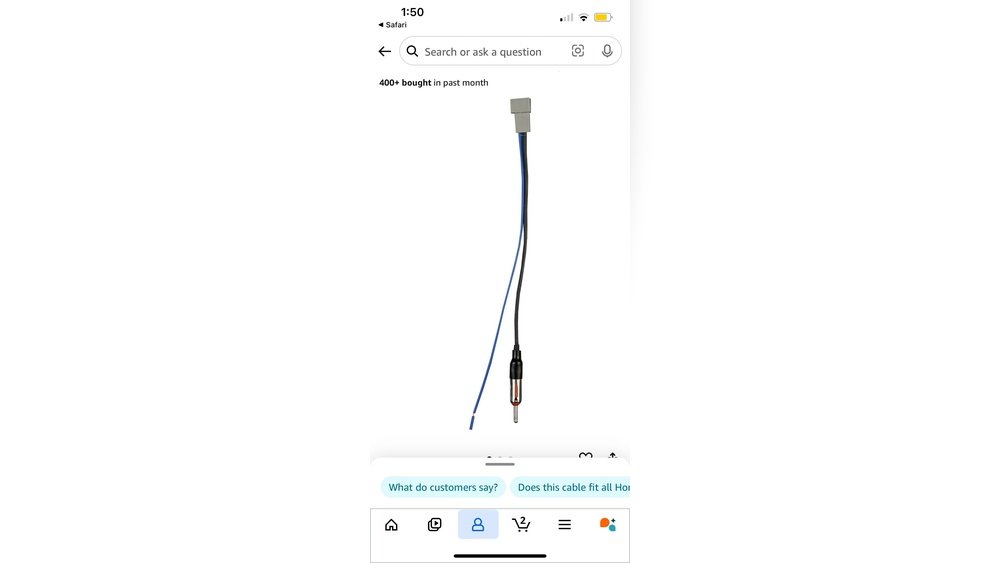
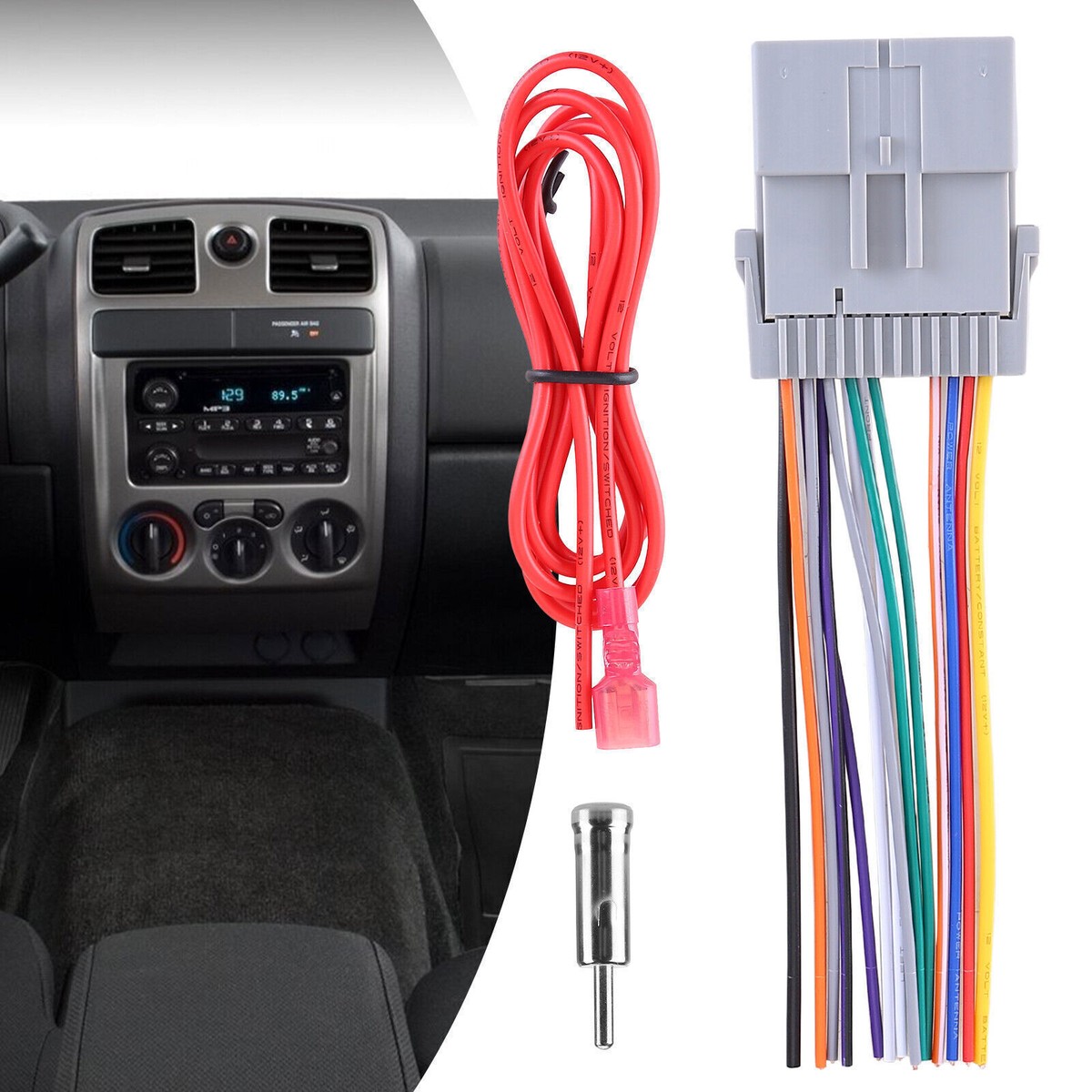
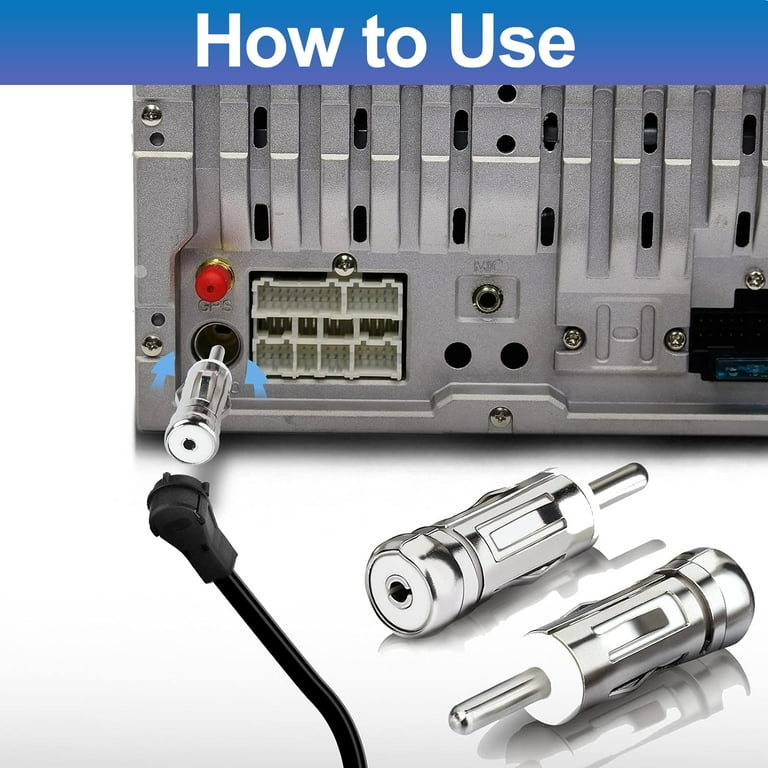
An antenna adapter is a simple device that connects your car’s antenna cable to your new stereo. It’s usually a small wire or plug, but it has a big job. Most original car stereos use one type of connector, while aftermarket stereos often use another. The adapter lets two different parts work together.
For example:
- Your car might have a proprietary connector (unique to your car brand).
- Your new stereo may use a standard Motorola plug.
Without an adapter, the radio won’t pick up stations clearly, or it won’t work at all.
Why Do Aftermarket Stereos Need Antenna Adapters?
Many car owners think a new stereo will fit their car perfectly. But car manufacturers use different antenna plugs and wiring. Aftermarket stereos are designed for general use, so they often require a universal connector. This mismatch means you need an adapter.
Here’s why:
- Different shapes and sizes: Car brands (like Honda, Toyota, BMW) use their own plugs.
- Signal compatibility: The wire inside the plug might carry the signal differently.
- Installation ease: Using the right adapter avoids cutting wires or damaging your car’s system.
Even two cars from the same brand but different years might need different adapters. It’s not just about the plug — sometimes the wiring changes too.
Signs You Need An Antenna Adapter
Not sure if you need an adapter? Look for these signs:
- Plug does not fit: Your car’s antenna cable and the new stereo don’t connect.
- Poor radio reception: FM/AM stations sound weak or fuzzy after installation.
- Loose connection: The plug feels unstable or keeps falling out.
- Installer recommendation: Professional installers often mention adapters for specific models.
If any of these happen, using the right adapter solves the problem.
Common Antenna Plug Types
Cars and stereos use several plug types. Knowing them helps you choose the right adapter. Here are the most common:
| Plug Type | Used By | Features |
|---|---|---|
| Motorola | Aftermarket stereos, older cars | Standard size, easy to connect |
| OEM Proprietary | Ford, VW, GM, Toyota | Unique shape, needs adapter |
| Fakra | BMW, Mercedes, Audi | Color-coded, secure fit |
| DIN | European cars | Small, single pin |
Before you buy an adapter, check your car manual or remove the stereo to see the plug.

Credit: genomicgastronomy.com
How To Identify The Right Antenna Adapter
Choosing the correct adapter is important. Here’s a simple process:
- Check your car’s make and model.
- Write down the year, brand, and model.
- Look at your antenna plug.
- Remove the old stereo and see the shape and size.
- Match with aftermarket stereo plug.
- Compare the stereo’s antenna port with your car’s plug.
- Search for adapter models.
- Use your car’s info and stereo brand to find compatible adapters online or at stores.
Example: If you have a 2015 Toyota Corolla and buy a Pioneer stereo, you’ll need an adapter from Toyota’s proprietary plug to a Motorola plug.
Practical Data: Adapter Compatibility
Some car brands almost always need an adapter. Here’s data based on popular models:
| Car Brand | Typical Adapter Needed? | Aftermarket Compatibility |
|---|---|---|
| Honda | Yes | Motorola |
| Ford | Yes | OEM to Motorola |
| Toyota | Yes | Proprietary to Motorola |
| BMW | Yes | Fakra to Motorola |
| Chevrolet | Sometimes | OEM to DIN/Motorola |
| Hyundai | No | Motorola direct |
This shows most popular brands need an adapter, especially European and Japanese cars.
How To Install An Antenna Adapter
Installing an adapter is usually simple, even for beginners. Follow these steps:
- Turn off your car and disconnect the battery. Safety first.
- Remove the old stereo. Use proper tools to avoid damage.
- Locate the antenna cable. It’s usually a thick wire with a plug.
- Attach the adapter to the car’s antenna plug.
- Connect the other end to your new stereo.
- Test radio reception. Turn on the stereo and try FM/AM stations.
- Secure all connections. Make sure nothing is loose.
Most adapters are “plug-and-play. ” You don’t need to cut or solder wires.
Non-obvious Insights Beginners Miss
Many new installers overlook these details:
- Amplified antennas: Some cars use powered antennas (with a small box). You may need a special adapter with a power wire. If you ignore this, the radio may have weak reception.
- Double adapters: Rarely, some cars need two adapters. For example, a European car with a unique plug and an amplified antenna.
- Hidden antenna location: Some modern cars have antennas in the windshield or rear window, not a visible mast. You may need to find the antenna wire behind the dash.
Knowing these points avoids surprises during installation.
Mistakes To Avoid
- Buying the wrong adapter: Always match your car and stereo. Generic adapters often don’t fit.
- Skipping the adapter: If you force the plug or skip the adapter, you risk damaging the stereo or losing radio quality.
- Ignoring powered antennas: Not connecting the power wire means poor FM signal.
Always double-check before buying or installing.
Adapter Cost And Where To Buy
Antenna adapters are affordable. Most cost between $5 and $25. The price depends on complexity — powered adapters or rare models cost more.
You can buy them at:
- Car audio shops
- Online stores (Amazon, Crutchfield, Best Buy)
- Electronics retailers
Look for adapters from trusted brands like Metra, Scosche, and PAC.
Real-world Example: Toyota Camry
Let’s look at a practical example. You own a 2016 Toyota Camry and want to install a Sony aftermarket stereo.
- The car uses a Toyota-specific antenna plug.
- The Sony stereo uses a Motorola plug.
- Solution: Buy a Toyota-to-Motorola antenna adapter ($10–$15).
- Installation: Plug the adapter into the car’s antenna cable, then connect to the Sony stereo.
Radio reception will be clear, and installation is quick.
Comparing Aftermarket Stereo Installation With And Without Adapter
Here’s a comparison to help you see the difference:
| With Adapter | Without Adapter |
|---|---|
| Easy, secure connection | Loose, unstable plug |
| Clear FM/AM reception | Weak or no radio signal |
| No wire cutting | Risk of damaging wires |
| Professional installation | DIY fixes, poor results |
| Quick install | Time-consuming troubleshooting |
Using the adapter is always the safer choice.
Credit: www.ebay.com
Seo Friendly: Answer Engine Optimized Guidance
If you’re searching “Do I need an antenna adapter for my aftermarket stereo?” the simple answer is: Most cars need one. Always check your car’s antenna plug and compare it with the stereo. If they don’t match, you need an adapter. The adapter is cheap, easy to install, and ensures your radio works perfectly.
Where To Find Reliable Information
For detailed compatibility, visit manufacturer sites or trusted car audio retailers. They provide lists and guides for each car model. One useful resource is Crutchfield, which offers detailed fit guides.
Frequently Asked Questions
What Does An Antenna Adapter Do?
An antenna adapter connects your car’s antenna cable to your aftermarket stereo. It lets the radio receive signals clearly by matching different plug types.
How Can I Check If My Car Needs An Antenna Adapter?
Remove your old stereo and look at the antenna plug. If the plug shape doesn’t match your new stereo’s port, you need an adapter. Most online guides have compatibility charts.
Are Antenna Adapters Universal?
No. There are many types. Some fit only certain brands or models. Always check your car’s year, make, and model to buy the right one.
What Happens If I Don’t Use An Antenna Adapter?
If you skip the adapter, your radio may not work, or reception will be poor. Forcing a wrong plug can damage the stereo or antenna cable.
Do Antenna Adapters Affect Radio Quality?
A good adapter gives clear FM/AM signals. Bad or incorrect adapters may cause static or weak reception. Choose quality adapters for best results.
Upgrading your car stereo is a smart move, but don’t overlook the antenna adapter. It’s a small part with a big impact. By checking your car’s plug and stereo type, you avoid mistakes and enjoy perfect radio. Whether you install yourself or ask a pro, always use the right adapter for the best sound and easiest setup.
Credit: www.walmart.com