Dust Cap Vs Bullet Midrange Speaker: Which Delivers Better Sound?
If you are starting to learn about speakers, you may see the words dust cap and bullet midrange. These are not just design choices—they change how a speaker sounds and performs. Many beginners wonder which is better for their needs. This article explains everything you need to know to make the right choice, using clear, simple words and practical examples.
What Is A Dust Cap Midrange Speaker?
A dust cap is a small dome in the center of a speaker cone. Its main job is to protect the voice coil inside the speaker from dust and dirt. Dust cap midrange speakers are popular in home audio, car speakers, and studio monitors.
- Shape: Usually round and soft (made from paper, cloth, or plastic)
- Purpose: Keeps dust out and helps control the speaker’s sound
- Common uses: Home stereo, car audio, musical instruments
Main Features Of Dust Cap Speakers
- Protects the voice coil: The dust cap blocks dirt, improving speaker life.
- Influences sound: It affects the midrange frequencies, giving a smoother, warmer sound.
- Lightweight: Most dust caps are light, so they don’t add much weight.
Practical Example
Imagine a basic 6.5-inch dust cap speaker in your car. It produces clear vocals and soft music, perfect for everyday listening. You can hear instruments naturally without harshness.
What Is A Bullet Midrange Speaker?
A bullet midrange speaker has a metal bullet-shaped piece (often aluminum or titanium) in the center instead of a soft dust cap. The bullet acts as a phase plug, which helps sound waves spread out better.
- Shape: Pointy and hard, like a bullet
- Purpose: Improves sound direction and clarity, especially at high volumes
- Common uses: Professional audio, DJ systems, concerts
Main Features Of Bullet Midrange Speakers
- Phase plug: The bullet phase plug helps control how sound leaves the speaker.
- Better clarity: You get sharper, louder mids, with less distortion.
- Handles more power: Bullet midranges are built for strong, powerful sound.
Practical Example
Picture a 6.5-inch bullet midrange speaker at a concert. It gives high energy, clear vocals, and instruments that cut through loud music. Perfect for outdoor events or big spaces.

Credit: www.amazon.com
Dust Cap Vs Bullet Midrange: Direct Comparison
To help you understand the differences, here is a comparison of both types:
| Feature | Dust Cap | Bullet Midrange |
|---|---|---|
| Center Design | Soft dome | Metal bullet |
| Sound Quality | Warm, smooth | Crisp, loud |
| Best For | Home, car, studio | Concerts, DJ, outdoor |
| Power Handling | Low-medium | High |
| Durability | Good (less impact-resistant) | Excellent (hard bullet) |
| Price Range | $20–$150 | $40–$300 |
This table helps you see how each speaker works in real-world situations.
How Dust Cap And Bullet Midrange Affect Sound
Both designs change the way speakers sound. Here’s how:
- Dust cap: Makes the speaker sound softer and more natural. Good for vocals and acoustic music.
- Bullet midrange: Makes the sound sharper, more focused, and louder. Best for electronic music, rock, or live performances.
Frequency Response
Frequency response is how well a speaker plays sounds from low to high pitch. Bullet midranges often have a higher peak in the middle frequencies, while dust cap speakers have a smoother curve.
| Speaker Type | Typical Frequency Range (Hz) | Response Shape |
|---|---|---|
| Dust Cap | 200–5,000 | Smooth |
| Bullet Midrange | 200–7,000 | Peaked |
- Dust cap speakers are great if you want balanced sound.
- Bullet midrange speakers are better if you want strong mids that stand out.
Which Speaker Is Best For Your Needs?
Choosing the right speaker depends on how you use it. Ask yourself:
- Do you listen to music at home or in the car? Dust cap is usually better.
- Are you a DJ or do you play music outdoors? Bullet midrange is often best.
Use Cases
- Home Audio:
- Dust cap gives soft, detailed sound
- Less harsh, easy for long listening
- Live Events:
- Bullet midrange cuts through noise
- Handles loud music without distortion
- Car Audio:
- Dust cap for daily use
- Bullet for car competitions or high-volume setups
Key Factors
- Volume: Bullet midranges stay clear at higher volumes.
- Music Type: Dust cap is good for jazz, classical, pop. Bullet midrange is good for hip-hop, electronic, rock.
- Budget: Dust cap is cheaper for beginners. Bullet midrange costs more but gives extra power.
Technical Differences Explained Simply
Understanding technical terms can help you make a smart choice.
Dust Cap
- Material: Usually paper, cloth, or plastic.
- Role: Blocks dust and smooths sound waves.
- Shape: Dome, blends into cone.
Bullet Phase Plug
- Material: Aluminum, titanium, sometimes steel.
- Role: Guides sound waves, reduces distortion.
- Shape: Pointed bullet, stands out.
Power Ratings
Power handling means how much energy a speaker can take before it distorts.
| Speaker Type | Typical RMS Power (Watts) | Peak Power (Watts) |
|---|---|---|
| Dust Cap | 30–100 | 60–200 |
| Bullet Midrange | 60–150 | 120–300 |
Bullet midrange speakers can handle more power, so they work better in loud settings.
Advantages And Disadvantages
Each speaker has strengths and weaknesses.
Dust Cap Advantages
- Smooth sound: Easy on the ears
- Affordable: Good for beginners
- Easy to install: Fits most systems
Dust Cap Disadvantages
- Lower power: May distort at high volumes
- Less durable: Can be damaged by heavy use
Bullet Midrange Advantages
- High clarity: Sounds sharp and strong
- Handles loud music: No distortion at high power
- Durable: Metal bullet lasts longer
Bullet Midrange Disadvantages
- More expensive: Costs more than dust cap
- Harsh sound: Can be tiring for long listening
Common Beginner Mistakes
Beginners often make mistakes when choosing speakers. Here are a few to avoid:
- Buying for looks only: The design is important, but sound matters more.
- Ignoring power ratings: If you use a low-power amp with a bullet midrange, it won’t perform well.
- Not matching music style: Choose a speaker that fits your favorite music.
- Overestimating needs: Don’t buy a bullet midrange if you only use it at home.
Real-world Examples
Let’s look at two popular speakers:
- JBL GTO629 (Dust Cap):
- 6.5-inch, 60W RMS, smooth mids
- Great for home and car audio
- PRV Audio 6MR500-NDY (Bullet Midrange):
- 6.5-inch, 250W RMS, sharp mids
- Used in car competitions, DJ setups
These examples show how each type fits different needs.
How To Choose The Right Speaker
When shopping for midrange speakers, remember these steps:
- Check your audio setup: What amp and other speakers do you have?
- Think about where you use it: Home, car, outdoor, or stage?
- Set a budget: Dust cap is cheaper, bullet midrange is pricier.
- Read reviews: Look for feedback from people with similar needs.
Non-obvious Insights
- Speaker placement matters: Even the best bullet midrange can sound poor if placed wrongly. Always follow placement guides.
- Mixing speaker types: You can use both dust cap and bullet midrange in the same system for a balanced sound.

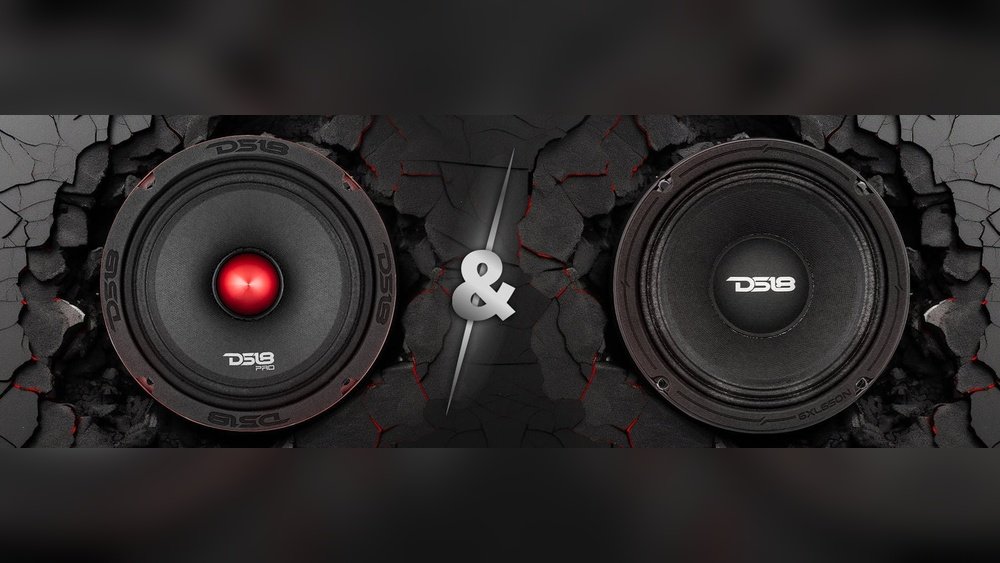
Credit: ds18.com
Expert Tip: Testing Before You Buy
If possible, test both types in a store. Listen to your favorite songs and see which sounds best to you. Trust your ears. No chart or review can replace real listening.
Maintenance And Longevity
- Dust cap speakers need to be kept clean but can wear out faster in rough environments.
- Bullet midrange speakers last longer, especially if exposed to heavy use or dust.
Keep speakers dry and avoid touching the center cap or bullet.
Advanced Considerations
- Impedance: Match the speaker’s ohms to your amp.
- Crossover settings: Bullet midrange may need special crossover settings to avoid damage.
- Mounting: Bullet midranges are heavier and need stronger mounts.
For more technical details, you can check the Loudspeaker Wikipedia page.
Frequently Asked Questions
What Is The Main Difference Between Dust Cap And Bullet Midrange Speakers?
The dust cap is a soft dome that covers the speaker’s center, while the bullet is a hard, pointed phase plug. Dust caps make the sound smoother, bullets make it clearer and louder.
Which Speaker Is Better For Home Audio?
Dust cap speakers are usually better for home audio. They give a warm, natural sound and are comfortable for long listening sessions.
Can Bullet Midrange Speakers Be Used In Cars?
Yes, but only for high-power setups. Bullet midrange speakers work well in car audio competitions or if you want very loud, clear mids.
Are Dust Cap Speakers Easier To Install?
Dust cap speakers are lighter and fit most standard mounts. Bullet midranges may need special mounting due to their shape and weight.
How Do I Know Which Speaker Fits My Music Style?
If you like soft or acoustic music, dust cap is best. For strong vocals or electronic music, bullet midrange is better. Always try to listen before buying.
Choosing between dust cap and bullet midrange speakers can feel complicated. But with these simple explanations and practical data, you can now decide confidently. Remember: match the speaker to your needs, music style, and budget. Test if possible, and don’t be afraid to mix types for the best sound.

Credit: ds18.com