How to Secure Subwoofer in Trunk: Ultimate Guide for Safe Setup
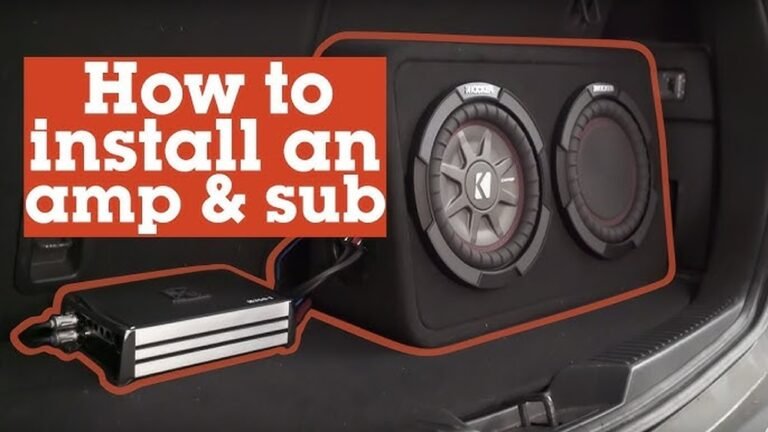
Securing a subwoofer in your car’s trunk is about more than just preventing rattles. It keeps your audio equipment safe, improves sound quality, and reduces the risk of damage during sudden stops or turns. Many beginners think just placing the subwoofer is enough, but loose subwoofers can shift, break, or even cause injury.
This guide gives clear, step-by-step advice to help you secure your subwoofer correctly, improve your sound, and protect your investment. With easy instructions, real-world examples, and practical tips, you’ll learn how to secure your subwoofer in the trunk like a pro—even if you’re new to car audio.
Why Securing Your Subwoofer Matters
A subwoofer produces deep bass sounds, which often vibrate and move the box. If it’s not secured, several problems can occur:
- Safety Risks: In a crash or sudden stop, a loose subwoofer can become a dangerous projectile.
- Sound Quality: Unsecured subwoofers can cause rattling, buzzing, and uneven bass.
- Equipment Damage: Movement can damage wires, boxes, and the subwoofer itself.
- Legal Issues: Some states require items in the trunk to be secured for safety.
Studies from the National Highway Traffic Safety Administration show that unsecured cargo causes thousands of injuries each year. Even a small, 20-pound subwoofer can become deadly at high speeds.
Choosing The Right Subwoofer Box
Before securing, choose a box that fits your trunk and your needs. There are three common types:
| Box Type | Size Range | Bass Quality | Best For |
|---|---|---|---|
| Sealed | Small to Medium | Tight, precise | Clean bass, less boom |
| Ported | Medium to Large | Loud, deep | Heavy bass, party music |
| Bandpass | Large | Very loud | Extreme bass, competition |
Pick a box that fits snugly in your trunk without blocking access to your spare tire or emergency kit. Measure your trunk space before buying. For example, a sealed box with a 12-inch subwoofer usually fits most midsize cars.

Credit: forums.tdiclub.com
Tools And Materials You Need
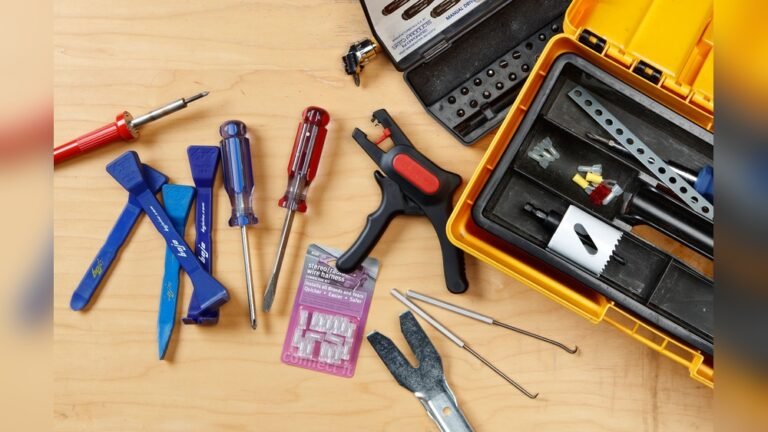
Securing a subwoofer doesn’t require expensive tools. You’ll need:
- Drill with bits (for wood and metal)
- Screws (1.5–2 inches, preferably wood screws)
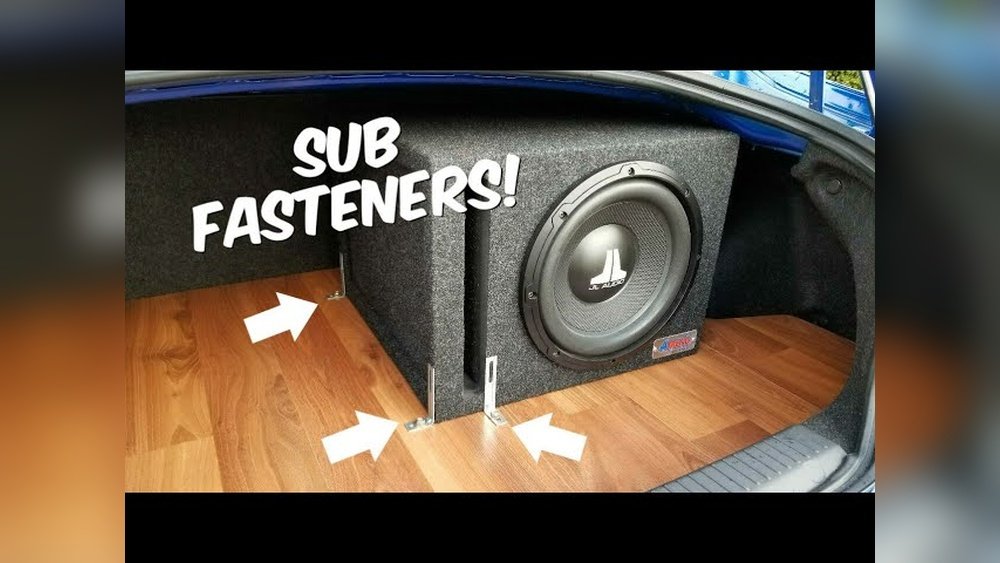
- L-brackets (sturdy metal)
- Velcro strips (heavy-duty)
- Ratchet straps or bungee cords
- Rubber mats (optional, for vibration control)
- Measuring tape
- Marker or pencil
For beginners, using Velcro strips or rubber mats is easiest. Advanced users prefer brackets and screws for maximum security.
Step-by-step: Securing Your Subwoofer
1. Clean And Prepare The Trunk
Remove all loose items and vacuum the area. This prevents dirt from interfering with mounting and keeps the installation tidy.
2. Position The Subwoofer Box
- Place the box where it won’t block access to your spare tire.
- Make sure it’s at least 2 inches away from trunk sides to avoid vibration damage.
- If possible, position the box against the back seat for extra support.
3. Choose Your Securing Method
There are several ways to secure your subwoofer:
| Method | Strength | Difficulty | Best For |
|---|---|---|---|
| L-Brackets | Very high | Moderate | Permanent installs |
| Velcro Strips | Medium | Easy | Temporary or light boxes |
| Ratchet Straps | High | Easy | Heavy boxes |
| Rubber Mats | Low | Very easy | Small boxes, vibration control |
L-Brackets are the most secure, but require drilling. Velcro strips are fast but less strong. Ratchet straps work well for larger boxes and are easy to adjust.
4. Install L-brackets (most Secure)
If you want a permanent, strong hold:
- Place L-brackets at the corners of the subwoofer box.
- Mark the screw holes with a pencil.
- Drill pilot holes in the box and trunk floor (usually metal or carpeted wood).
- Use 1.5–2 inch screws to attach the brackets to the box and floor.
- Check for tightness. The box should not move if you push it.
Example: A 40-pound ported box needs at least two L-brackets on each side.
5. Use Velcro Strips (quick And Easy)
For lighter subwoofers or temporary setups:
- Clean both the box and trunk surface.
- Apply heavy-duty Velcro strips to the bottom of the box.
- Press the box firmly onto the trunk floor.
- Test by gently shaking the box.
Velcro is best for sealed boxes under 25 pounds.
6. Attach Ratchet Straps Or Bungee Cords
For large boxes or uneven trunk floors:
- Place the box in position.
- Loop ratchet straps or bungee cords around the box and anchor to trunk tie-downs.
- Tighten until the box does not move.
- Avoid over-tightening, which can damage the box.
This method is useful if you often remove your subwoofer for access.
7. Add Rubber Mats For Extra Grip
Rubber mats reduce movement and vibration:
- Place a rubber mat under the box before securing.
- This helps absorb bass vibrations and prevents sliding.
Rubber mats are especially useful for hatchbacks and SUVs.
Checking Your Work
After securing, check:
- Push the box in all directions. It should not move more than half an inch.
- Play music at high volume. Listen for new rattles or buzzes.
- Inspect wires. Make sure they’re not pinched or stretched.
- Check regularly—especially after long drives or bumpy roads.
Non-obvious insight: Many beginners forget to check after driving. Vibrations can loosen screws or straps, so inspect your setup monthly.
Improving Sound Quality
Securing your subwoofer does more than prevent movement. It also boosts your sound.
- Tightly mounted boxes transmit bass better.
- Rubber mats reduce unwanted resonance.
- Avoid placing the box too close to trunk walls, which can muffle bass.
Example: A sealed box secured with L-brackets and a rubber mat produces cleaner bass than a loose box, even with the same subwoofer.

Credit: www.youtube.com
Common Mistakes Beginners Make
- Using only carpet or nothing at all: The box slides easily.
- Blocking trunk access: Prevents you from reaching emergency gear.
- Pinching wires: Can cause shorts or damage.
- Over-tightening straps: Damages the box or trunk lining.
- Skipping monthly checks: Leads to loose or unsafe setups.
Many beginners also forget to consider the weight of the box. Heavier boxes require stronger securing methods.
Safety Tips
- Always disconnect the subwoofer’s power before working.
- Wear gloves when drilling or handling sharp brackets.
- Do not drill into fuel lines or wiring under the trunk.
- Use only sturdy brackets and straps designed for car use.
- If unsure, ask a professional or visit forums like Crutchfield for safe practices.
Cost Comparison: Diy Vs Professional Installation
Many people wonder if they should secure their subwoofer themselves or pay for professional installation. Here’s a simple cost breakdown:
| Method | Materials Cost | Labor Cost | Total |
|---|---|---|---|
| DIY | $20–$50 | $0 | $20–$50 |
| Professional | $20–$50 | $50–$150 | $70–$200 |
DIY is cheaper and not difficult with the right tools. Professional installation is better for custom setups or if you’re uncomfortable with drilling.
Practical Examples
- Example 1: A beginner with a 12-inch sealed box uses Velcro strips and a rubber mat. The box stays in place, and sound improves.
- Example 2: An SUV owner with a heavy ported box uses two L-brackets and ratchet straps. The box is secure even during hard turns.
- Example 3: A college student needs quick access to the spare tire, so uses bungee cords for easy removal. Checks monthly for tightness.
These examples show that you can secure your subwoofer easily, no matter your experience or car type.
Maintenance Tips
- Check screws, brackets, and straps monthly.
- Clean the trunk and box to prevent dust buildup.
- Listen for rattles after long trips.
- Replace worn Velcro or straps every 1–2 years.
- Keep installation instructions handy.
Non-obvious insight: Dust and debris can reduce Velcro grip, so regular cleaning is essential.
Frequently Asked Questions
How Can I Secure My Subwoofer Without Drilling?
Use Velcro strips, rubber mats, or ratchet straps. These methods require no holes and work well for lighter boxes.
Will Securing My Subwoofer Improve Bass Quality?
Yes. A stable box reduces unwanted vibrations, producing cleaner, tighter bass.
What Should I Do If My Subwoofer Keeps Sliding?
Try adding a rubber mat under the box or use stronger securing methods like L-brackets or ratchet straps.
Is Professional Installation Necessary?
Not always. Most beginners can secure a subwoofer with basic tools. But for custom setups, large boxes, or if you’re unsure, professional help is safer.
How Often Should I Check My Subwoofer Setup?
Check monthly, especially after long drives or rough roads. Look for loose screws, straps, and listen for new rattles.
Securing your subwoofer in the trunk is a simple, smart step for any car audio fan. With the right tools and methods, you’ll enjoy better sound, safety, and peace of mind. Whether you use brackets, Velcro, or straps, regular checks and careful placement make all the difference.
Don’t let a loose subwoofer spoil your music—or your safety. Take action today, and drive with confidence.

Credit: www.reddit.com