Exploring High Sensitivity Subwoofer for Car Stereo Enthusiasts
Exploring High Sensitivity Subwoofer For Car Stereo Enthusiasts
Many car stereo lovers want deep bass and clear sound. But not every subwoofer can deliver high-quality bass without needing lots of power. That’s where high sensitivity subwoofers come in. These special speakers produce more sound from less power, making them a smart choice for both beginners and experienced audio fans. If you’re curious about getting louder, richer bass in your car without changing your whole stereo system, this guide will help you understand how high sensitivity subwoofers work and why they matter.
What Is Subwoofer Sensitivity?
Sensitivity is a key term in car audio. It tells you how well a subwoofer turns power into sound. Usually, sensitivity is measured in decibels (dB). The number shows how loud the speaker will play with a given amount of power (usually 1 watt).
- A higher sensitivity (like 92 dB) means the speaker is louder.
- A lower sensitivity (like 85 dB) means it needs more power to reach the same loudness.
Example:
A subwoofer with 92 dB sensitivity will sound much louder than one with 85 dB if both get 1 watt of power.
Why Does This Matter?
- You can get good bass without buying a huge amplifier.
- Your car battery lasts longer because your stereo uses less power.
- The music stays clear even at high volumes.
Many beginners miss how important sensitivity is. They focus only on the wattage (power rating), but a sensitive subwoofer can sound better with less power.
Benefits Of High Sensitivity Subwoofers
High sensitivity subwoofers are not just louder. They offer real advantages, especially for car stereo fans who don’t want to upgrade their whole system.
1. Efficient Power Use
You can use a smaller amplifier or even your factory stereo. This saves money and makes installation easier.
2. Louder Bass
Even with low-power setups, you get strong bass. Perfect for cars where space and power are limited.
3. Better Sound Quality
High sensitivity means less distortion at high volumes. Your music stays crisp and clear.
4. Less Heat And Wear
Lower power use means less heat. Your equipment lasts longer.
5. Easy Upgrades
If you want more bass, swapping your old subwoofer for a high sensitivity model is a simple way to improve sound.
How To Choose A High Sensitivity Subwoofer
Picking the right subwoofer can be confusing. Here’s what you should look for:
- Sensitivity Rating
Look for a number above 90 dB. This means the speaker is efficient.
- Size
Common sizes are 8”, 10”, and 12”. Bigger sizes can deliver deeper bass, but may need more space.
- Power Handling
Check the RMS power. High sensitivity subwoofers don’t need big numbers, but make sure it matches your amplifier.
- Impedance
Most car subwoofers are 4 ohms or 2 ohms. Match this with your amp for best results.
- Build Quality
Look for sturdy materials like rubber surrounds and strong cones. This keeps the sound clean.
Common Mistakes:
- Focusing only on wattage, not sensitivity.
- Ignoring the box type (sealed or ported) which affects bass response.
- Forgetting to check your amp’s compatibility with the subwoofer.
Comparing High Sensitivity Subwoofers
Here’s a comparison of three popular models for car stereo beginners:
| Model | Sensitivity (dB) | Size (inches) | RMS Power (W) | Impedance | Price Range |
|---|---|---|---|---|---|
| Pioneer TS-A250D4 | 92 | 10 | 300 | 4 Ohms | $80-$120 |
| JL Audio 10W0v3-4 | 86 | 10 | 300 | 4 Ohms | $170-$220 |
| Rockford Fosgate R2D4-12 | 91 | 12 | 250 | 4 Ohms | $100-$150 |
Notice how Pioneer and Rockford Fosgate have higher sensitivity. They need less power to play loud, which is good for factory systems.
Installation Tips For Beginners
Installing a high sensitivity subwoofer isn’t hard, but there are some key steps to follow:
- Check Your Wiring
Make sure wires are thick enough to handle the power.
- Choose the Right Box
A sealed box gives tight bass. A ported box gives louder, boomier bass. Pick based on your taste.
- Connect Properly
Follow the instructions for wiring. Wrong connections can damage the speaker.
- Tune Your System
Use your stereo’s settings to adjust bass. Start low, then increase to avoid distortion.
- Test for Air Leaks
Air leaks in the box will reduce bass. Seal any gaps before finishing.
Beginner Insight:
Many people forget to check the amp’s gain setting. Too much gain can cause distortion and even damage your subwoofer. Always start low and adjust slowly.
Real-world Example: Factory Stereo Upgrade
Let’s say you have a standard car stereo with no extra amplifier. You want more bass but don’t want to spend much. You pick a high sensitivity subwoofer (like the Pioneer TS-A250D4, 92 dB).
- You connect it to your factory stereo (which puts out about 20 watts per channel).
- The high sensitivity subwoofer produces strong bass even with low power.
- Your battery and alternator are not overloaded.
- The sound is much better, and you didn’t have to buy a new amp.
This is a common situation for many beginners. Choosing a high sensitivity subwoofer lets you enjoy better sound without a big investment.
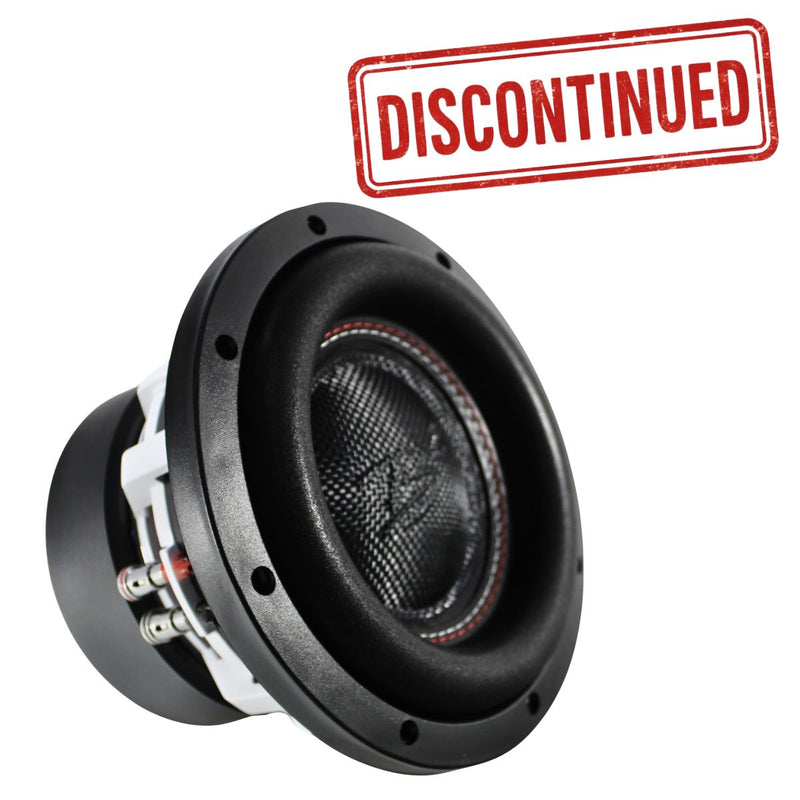
Credit: www.b2audiousa.com
Sensitivity Vs Power: Which Matters More?
Many people think more watts means better sound. But sensitivity can be even more important. Here’s a quick comparison:
| Subwoofer A | Subwoofer B |
|---|---|
| 90 dB sensitivity, 200W RMS | 86 dB sensitivity, 300W RMS |
| Needs less power | Needs more power |
| Louder with same wattage | Quieter unless more wattage |
Insight:
If you have a limited amp, high sensitivity makes a big difference. With only 100W, Subwoofer A will sound louder than Subwoofer B, even though B can handle more power.
Sealed Vs Ported Boxes For High Sensitivity Subs
The box type affects how your subwoofer sounds. Here’s a simple breakdown:
- Sealed Box:
Tighter, more accurate bass. Good for music lovers who want detail.
- Ported Box:
Louder, deeper bass. Perfect for those who like booming sound.
| Box Type | Bass Response | Volume | Size Needed |
|---|---|---|---|
| Sealed | Accurate | Lower | Smaller |
| Ported | Boomy | Higher | Bigger |
Tip:
High sensitivity subwoofers often work well in both box types. Choose based on your favorite music style.
Practical Data: Sensitivity And Output
To show the real impact, here’s how sensitivity affects sound output:
- For every 3 dB increase in sensitivity, the subwoofer will be twice as loud with the same power.
- If your subwoofer has 93 dB sensitivity and you use 100 watts, it will play much louder than a 87 dB model with the same 100 watts.
Example Calculation:
If a subwoofer has 87 dB sensitivity and you want it to play as loud as a 93 dB model, you’d need to double the power three times (from 100W to 800W). That’s expensive and can strain your car’s electrical system.
What Makes A Subwoofer Sensitive?
Several factors affect sensitivity:
- Cone Material:
Lightweight cones move more easily, making them louder.
- Voice Coil Design:
Efficient coils turn power into sound better.
- Box Design:
Boxes tuned for efficiency boost sensitivity.
Non-obvious Insight:
Some brands use special cone shapes or materials to increase sensitivity. It’s not just about the rating—it’s also about smart design.

Credit: audiointensity.com
Are High Sensitivity Subwoofers Right For You?
If you:
- Don’t want to upgrade your amplifier
- Want easy installation
- Like listening to music loudly
- Have a factory stereo
Then high sensitivity subwoofers are a great choice. They fit almost any car and work well with basic systems.
But:
If you’re building a competition system with huge amps, sensitivity matters less. You can use lower sensitivity subs since you have more power available.
Where To Find More Information
Want to learn more about subwoofer sensitivity and car audio science? Check out Wikipedia’s subwoofer page for detailed explanations.

Credit: www.amazon.com
Frequently Asked Questions
What Does Sensitivity Mean For A Subwoofer?
Sensitivity shows how loud a subwoofer will play with a certain amount of power. Higher sensitivity means more sound from less power, so your bass is stronger without needing a big amplifier.
Does A High Sensitivity Subwoofer Need A Special Amp?
No. High sensitivity subwoofers work well with basic or factory amplifiers. You don’t need to buy special equipment unless you want even more bass.
Can I Use A High Sensitivity Subwoofer With My Stock Car Stereo?
Yes. That’s one of the best uses for high sensitivity subs. They get loud and sound good even with limited power, making them perfect for factory systems.
How Do I Know If A Subwoofer Is High Sensitivity?
Check the sensitivity rating. If it’s above 90 dB, it’s considered high sensitivity. Always compare this number when shopping.
Will A High Sensitivity Subwoofer Last Longer?
Usually, yes. Because it uses less power and generates less heat, it’s less likely to wear out quickly. But quality materials and proper installation also matter.
Car stereo beginners often overlook the value of high sensitivity subwoofers. With the right model, you can enjoy powerful bass and clear sound without complex upgrades. Focus on sensitivity ratings, choose the right box, and tune your system for the best experience.
High sensitivity subwoofers make upgrading easy and enjoyable—so you can enjoy your music just the way you like it.