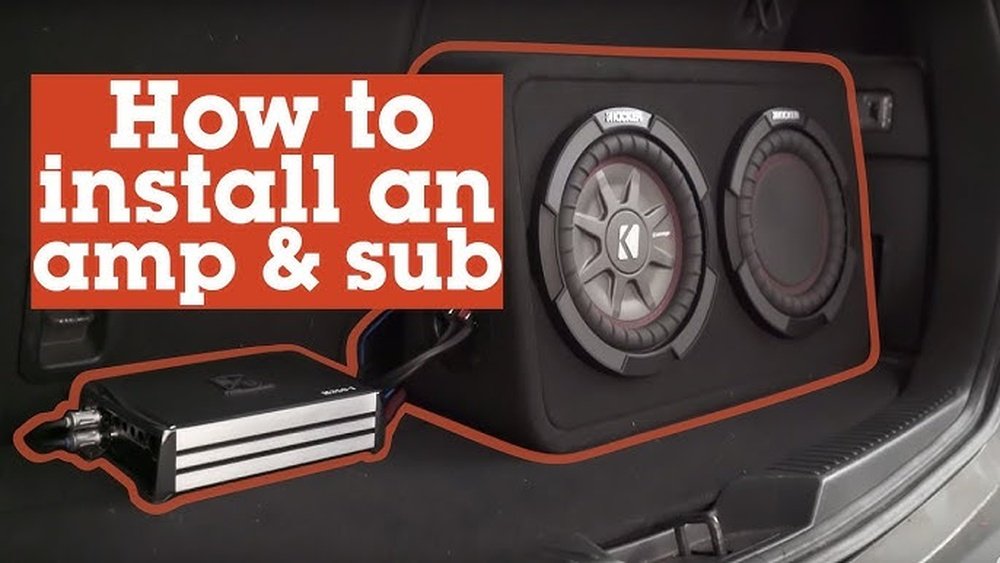
Can You Add a Powered Sub Woofer in Your Car With an Amp?
Can You Add a Powered Sub Woofer in Your Car If It Has a Amp in It
Many car owners want better bass in their vehicle. Sometimes, you already have an amplifier installed, but you wonder: “Can I add a powered subwoofer if my car already has an amp?” The answer is yes, but there are important things you need to know. This guide will help you understand how to add a powered subwoofer, what you should check before installation, and how to make your system work perfectly for strong, clean bass.
What Is A Powered Subwoofer?
A powered subwoofer is a speaker with a built-in amplifier. This means it does not need a separate amp to get power for bass sounds. Powered subs are popular in cars because:
- They are easy to install.
- They take less space.
- You do not need to match the sub to an external amp.
Most powered subs are designed for simple connection, often with plug-and-play cables. You can find models from brands like Pioneer, JL Audio, and Rockford Fosgate. Typical sizes are 8–12 inches, and power ranges from 100–300 watts RMS.
What Is A Car Amplifier?
A car amplifier is a device that boosts the audio signal sent to speakers. It makes the music louder and clearer. If you have an amp in your car, it is usually connected to the main speakers or a passive subwoofer (a subwoofer without its own amp).
Amplifiers come in different types:
- Mono amps: Best for subwoofers.
- Multi-channel amps: For multiple speakers.
- Factory amps: Installed by car makers.
- Aftermarket amps: Added by owners.
Many cars today have a factory amp, but the sound quality might not be strong enough for deep bass.
Can You Add A Powered Subwoofer If You Already Have An Amp?
Yes, you can add a powered subwoofer even if your car has an amp. The key is to connect the powered sub correctly so it works with your existing audio system. Your amp and powered subwoofer are separate devices. The powered sub has its own built-in amp, so it does not need the car’s amp to drive it.
Key points:
- The car’s amp handles the main speakers.
- The powered sub handles only the bass.
- No need to connect the powered sub directly to the car’s amp.
This setup is common and works well for most modern cars.
How To Add A Powered Subwoofer: Step-by-step
Adding a powered subwoofer is not very hard. Here’s how you do it:
- Choose the Right Subwoofer
- Check your car’s space. Under-seat models save room.
- Look for RMS power that fits your taste (100–300 watts is enough for most people).
- Make sure the input type matches your car stereo (RCA or speaker-level).
- Connect Signal Wires
- Powered subs need an audio signal from your stereo.
- If your stereo has RCA outputs: Connect RCA cables from the stereo to the sub.
- If your stereo does not have RCA outputs: Use speaker-level inputs, which connect to speaker wires.
- Connect Power and Ground
- Run a power wire from the battery to the sub.
- Connect a ground wire to metal in the car.
- Use a fuse for safety.
- Remote Turn-On Wire
- This wire tells the sub when to turn on.
- Connect it to the stereo’s remote output or use a circuit that senses audio.
- Tune the Subwoofer
- Adjust the gain and crossover settings.
- Test the sound with music you like.
Example:
If your car has a factory amp for the speakers, you can use speaker-level inputs on the powered sub. This means you tap into the speaker wires and connect them to the sub’s input.
Comparing Powered Subwoofer Vs Passive Subwoofer
Many people wonder if they should add a powered sub or a passive sub with an external amp. Here’s a simple comparison:
| Feature | Powered Subwoofer | Passive Subwoofer |
|---|---|---|
| Amplifier Included | Yes | No |
| Installation Ease | Simple | Complex |
| Space Required | Compact | Larger |
| Power Handling | Limited | High |
| Cost | Lower | Higher |
For most beginners, a powered subwoofer is easier and more practical.
Common Mistakes Beginners Make
When adding a powered subwoofer, beginners sometimes miss key steps. Here are mistakes to avoid:
- Wrong input selection: Using RCA when only speaker-level is available.
- No fuse on power wire: This is unsafe and can cause fire.
- Poor ground connection: Leads to buzzing or weak bass.
- Overloading electrical system: Using a subwoofer that is too powerful for your battery.
Tip:
Check your car’s electrical system before picking a sub. Most cars can handle a 100–300 watt powered sub easily.
Practical Example: Adding A Powered Sub To A Factory Amp System
Suppose you have a Toyota Camry with a factory amp. You want to add a powered subwoofer. Here’s what you do:
- Find the speaker wires coming from the amp.
- Use a line-out converter if your powered sub needs RCA input.
- Connect the speaker wires to the converter, then connect the RCA cables to the powered sub.
- Run the power wire from the battery, add a fuse, and ground the sub.
- Set the remote turn-on wire. Some subs sense signal and turn on automatically.
- Tune the subwoofer.
Data:
Most factory amps in popular cars like Honda Accord, Toyota Camry, and Ford Focus output 15–30 watts RMS per channel. A powered subwoofer boosts bass without changing your main amp.
Does Adding A Powered Subwoofer Affect Existing Speakers?
A powered subwoofer does not take power from your main speakers. It uses its own amp. You get more bass without losing clarity in the rest of your music. This is why powered subs are ideal for cars with a factory amp.
Key benefits:
- No extra strain on the car’s amp.
- Main speakers handle mids and highs.
- Subwoofer handles lows.
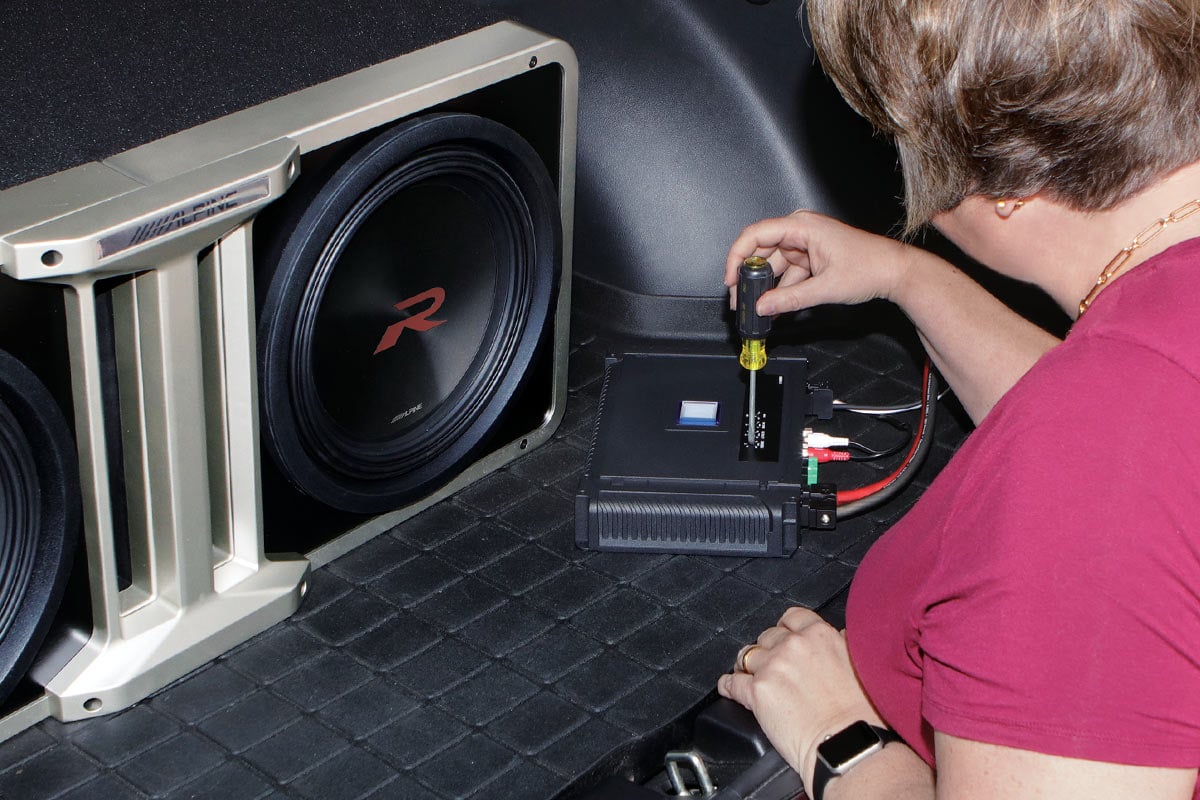
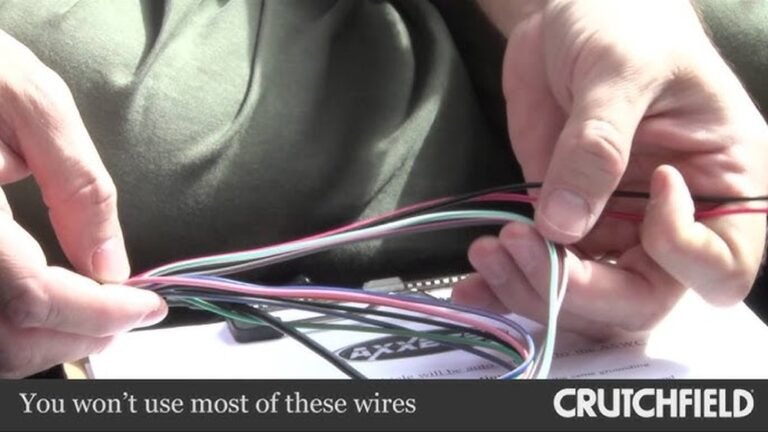
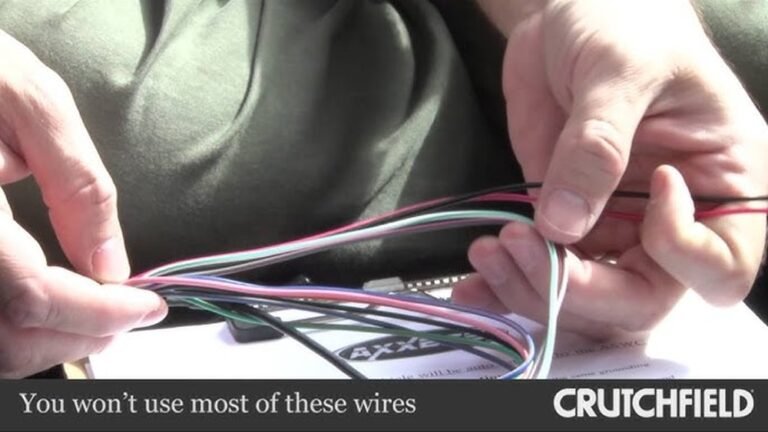
Credit: www.crutchfield.com
Wiring Powered Subwoofers: What Beginners Need To Know
Wiring can be confusing for first-timers. Here are things you must understand:
- Power wire gauge: Use at least 12-gauge wire for up to 300 watts.
- Fuse rating: Match the fuse to the subwoofer’s amp rating.
- Ground location: Bolt to bare metal near the sub.
Example wiring diagram:
| Component | Connection Type | Wire Gauge |
|---|---|---|
| Battery | Power to Sub | 12-14 gauge |
| Chassis | Ground to Sub | 12-14 gauge |
| Stereo | RCA or Speaker-level | 18-20 gauge |
Non-obvious tip:
Some powered subs have automatic turn-on features. This saves wiring time and avoids mistakes with the remote wire.
Is Your Car’s Electrical System Ready?
Car batteries can handle small powered subs easily. But if you want a larger sub (over 400 watts), check your alternator and battery health.
Stats:
- Most car batteries supply 40–60 amps.
- A powered subwoofer with 200 watts RMS draws about 17 amps at full power.
Tip:
If you notice lights dimming, your electrical system may need an upgrade.
Choosing The Best Powered Subwoofer For Your Car
When picking a powered subwoofer, consider these factors:
- Size: 8–12 inches fits most cars.
- RMS power: 100–300 watts is good for most listeners.
- Inputs: Make sure it supports your stereo’s outputs.
- Brand reputation: Choose trusted brands for reliability.
Popular models:
- Pioneer TS-WX130DA (compact, easy install)
- Rockford Fosgate P300-12 (strong bass, 12-inch)
- JBL BassPro SL (under-seat, slim design)
Non-obvious insight:
Some powered subs come with remote bass controls. This lets you adjust bass level while driving.
How Adding A Powered Subwoofer Changes Your Listening Experience
A powered subwoofer gives you stronger bass, more punch, and richer sound. It makes music more enjoyable, especially for hip hop, rock, and electronic genres. You notice the difference even in small cars.
User Example:
Joe installed a 200-watt powered sub in his Honda Civic. He noticed deeper bass and clearer sound from his main speakers. He did not need to upgrade his factory amp.

Credit: www.reddit.com
Cost Breakdown: Powered Subwoofer Installation
Installing a powered subwoofer is affordable compared to full custom systems.
| Item | Average Cost |
|---|---|
| Powered Subwoofer | $100–$350 |
| Wiring Kit | $20–$50 |
| Installation (DIY) | Free |
| Installation (Shop) | $80–$150 |
Tip:
DIY installation is possible with basic tools. Many powered subs come with clear instructions.
Is It Safe To Add A Powered Subwoofer?
Yes, adding a powered subwoofer is safe if you follow basic steps:
- Use a fuse on the power wire.
- Ground the sub properly.
- Do not overload the battery.
If you are unsure, ask a professional installer.

Credit: www.reddit.com
Where To Find More Information
For detailed wiring guides and subwoofer reviews, visit Crutchfield. This site offers free diagrams and advice for car audio beginners.
Frequently Asked Questions
Can I Add A Powered Subwoofer To A Car With A Factory Amp?
Yes, you can. Use speaker-level inputs or a line-out converter to connect the powered subwoofer. The sub’s built-in amp handles the bass, and your factory amp continues to drive the main speakers.
Do I Need To Upgrade My Battery When Adding A Powered Subwoofer?
For most powered subs up to 300 watts RMS, your battery is enough. If you add a large subwoofer (over 400 watts), check your battery and alternator health.
Will Adding A Powered Subwoofer Affect My Car’s Warranty?
Usually no, but check your car’s warranty terms. If you use professional installation and do not damage original wiring, most manufacturers accept audio upgrades.
Is It Better To Use Rca Or Speaker-level Inputs?
RCA inputs give cleaner audio signals, but many factory stereos only have speaker-level outputs. Use what matches your stereo. If needed, install a line-out converter.
Can I Install A Powered Subwoofer Myself?
Yes, many powered subs are designed for DIY installation. Follow the instructions, use a fuse, and ground the unit well. If you are not comfortable with wiring, ask an installer.
Adding a powered subwoofer is a smart way to improve your car’s sound without changing your whole system. With the right knowledge and careful installation, you enjoy deeper bass and richer music every day.