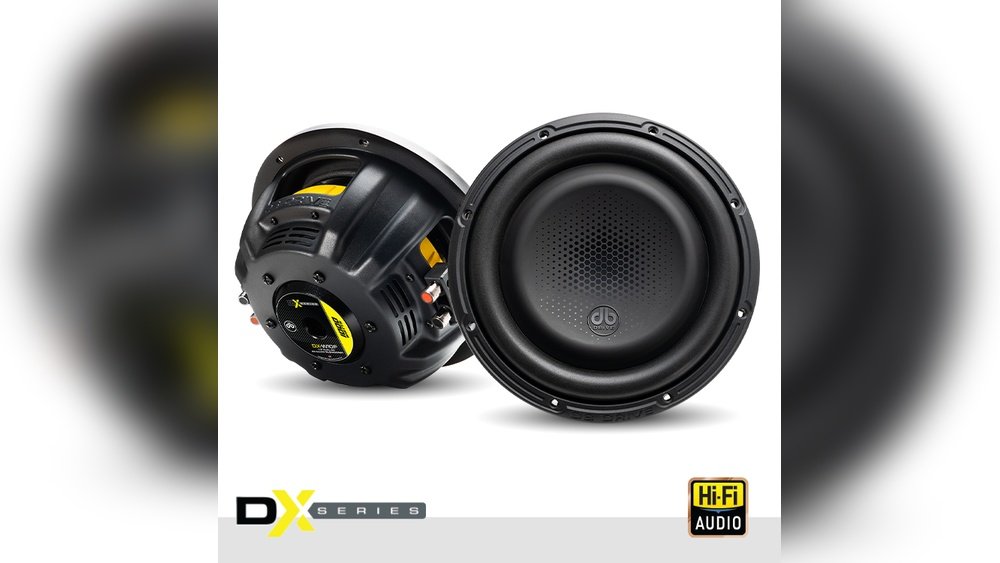
What are the Magnets Used in JL Subwoofers: A Complete Guide
What Are The Magnets Used In Jl Subwoofers
If you love powerful bass, you’ve probably heard of JL subwoofers. They’re famous for deep, clear sound in cars and home audio. But what makes them so good? One important part is the magnet inside the subwoofer. The magnet is like the heart of the speaker. It helps turn electric signals into sound you can feel.
Many people want to know: What type of magnets does JL use? Why do these magnets matter for sound quality? If you’re a beginner, terms like “ferrite” or “neodymium” may sound confusing. This article breaks down everything in simple language. We’ll look at the types of magnets, why JL uses certain kinds, and how these choices affect your listening experience. You’ll also see some tables and practical data to make things clear.
The Role Of Magnets In Subwoofers
Every subwoofer needs a magnet. The magnet works with a coil of wire called the voice coil. Here’s what happens:
- The speaker gets an electric signal from your music.
- This signal flows into the voice coil.
- The coil turns the electricity into a magnetic field.
- The field pushes and pulls against the subwoofer’s main magnet.
- This movement makes the subwoofer cone move, creating sound waves.
The strength and type of magnet decide how well this process works. If the magnet is weak, the bass will be soft and muddy. If it’s strong and high-quality, the bass is punchy, accurate, and deep.
Non-obvious insight: A stronger magnet doesn’t always mean “better.” It needs to match the coil and design. Too strong, and the speaker can sound harsh or distort.
Types Of Magnets Used In Audio Speakers
There are a few main types of magnets used in speakers and subwoofers:
- Ferrite Magnets
- Neodymium Magnets
- Alnico Magnets
Most modern subwoofers, including JL’s, use either ferrite or neodymium. Alnico is rare today because it’s expensive and not as strong.
Ferrite Magnets
- Made from iron oxide and ceramic.
- Heavy and low cost.
- Very stable over time.
- Used in most car and home subwoofers.
Neodymium Magnets
- Made from rare earth materials.
- Much stronger than ferrite (about 10x).
- Lightweight and compact.
- More expensive.
- Often used in high-end or compact speakers.
Alnico Magnets
- Made from aluminum, nickel, cobalt, and iron.
- Were common in old speakers.
- Smooth sound, but not as strong or stable.
- Rarely used in subwoofers today.
Example: If you pick up a home subwoofer and it feels heavy, it likely has a ferrite magnet. If it’s small and light but still powerful, it may use neodymium.
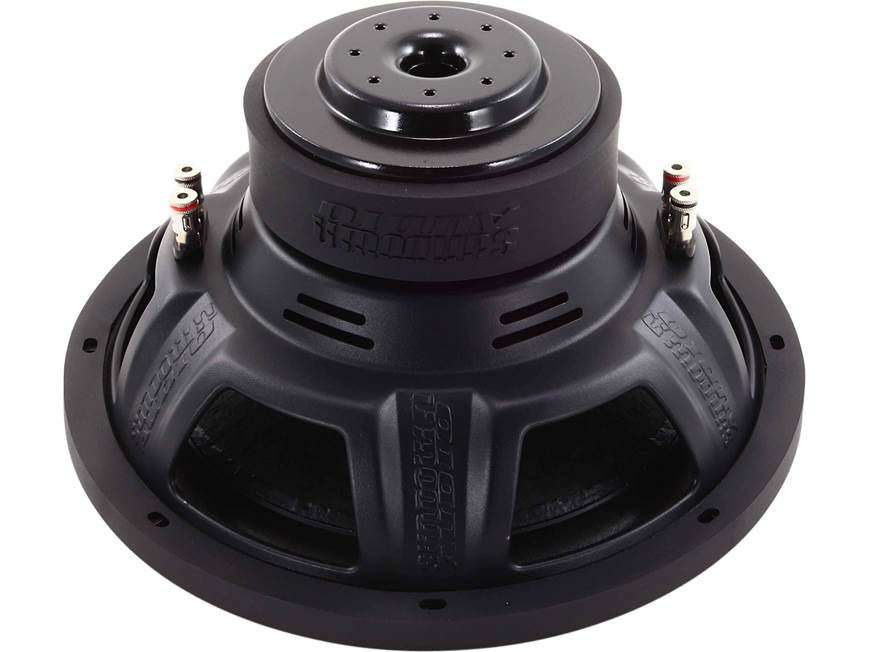
Credit: www.crutchfield.com
Magnets In Jl Subwoofers: What Do They Use?
JL Audio is famous for its W-Series and TW-Series subwoofers. These include popular models like the W3v3, W6v3, W7AE, and the slim TW3.
So, What Magnets Do These Jl Subwoofers Use?
Mainstream Jl Subwoofers (w-series)
- W0, W1, W3, W6, W7: These lines mostly use ferrite magnets.
- The ferrite magnets are large and heavy, giving strong magnetic power.
- These models are known for deep, accurate bass.
Why ferrite?
- Cost-effective for powerful designs.
- Heat-resistant and stable, even in loud, long sessions.
Slim Jl Subwoofers (tw-series)
- TW1, TW3: These use neodymium magnets.
- Neodymium is lighter and smaller, perfect for thin subwoofers.
- These subs fit in tight spaces (like under seats) but still deliver deep bass.
Why neodymium?
- Saves space and weight.
- Allows for modern, compact enclosure designs.
Quick Comparison
Here’s a simple table to show which magnet types JL uses in their main subwoofer lines:
| JL Series | Magnet Type | Main Feature |
|---|---|---|
| W0, W1, W3, W6, W7 | Ferrite | Traditional, deep bass, robust |
| TW1, TW3 | Neodymium | Compact, lightweight, space-saving |
Non-obvious insight: Many people think neodymium is always better. In reality, JL uses ferrite in their best subwoofers (W7) because it handles heat well and is very reliable for large, powerful subs.
Ferrite Magnets: The Workhorse In Jl Subwoofers
Most JL subwoofers use ferrite magnets. Here’s why:
- Cost vs. Power: Ferrite is cheap to make but delivers strong magnetic fields.
- Heat Handling: Ferrite resists demagnetization from heat, which is important for long bass sessions.
- Weight: They are heavy, but in car audio, this isn’t a big problem.
Practical Example
- The JL Audio 12W7AE uses a giant ferrite magnet. The subwoofer weighs over 40 pounds, with the magnet making up a big chunk of that.
- Why so big? The large magnet gives extra force to move the cone, which creates deep, hard-hitting bass.
Comparison: Ferrite Vs. Neodymium
Here’s a quick look at the main differences:
| Feature | Ferrite | Neodymium |
|---|---|---|
| Strength | Medium-High | Very High |
| Weight | Heavy | Light |
| Cost | Low | High |
| Size | Large | Small |
| Heat Resistance | Excellent | Good |
Key takeaway: Ferrite magnets are perfect for big, powerful subs where size and weight don’t matter much. Neodymium is chosen when space and weight are critical.
Neodymium Magnets: For Jl’s Space-saving Subs
JL’s TW-Series subs use neodymium. These are often called “shallow mount” subs. Let’s look at why:
- Size: Neodymium magnets are strong enough to be small and thin.
- Weight: Much lighter than ferrite. Great for under-seat or hidden installations.
- Efficiency: Needs less material to get the same power.
Real-world Example
- The JL TW3 subwoofer is only about 3.25 inches deep. That’s less than half the depth of most regular subs.
- The neodymium magnet lets JL keep the sub thin without losing bass quality.
Practical tip: If you have a small car or want a stealthy install, a neodymium-based JL sub is a great choice.
How Magnet Choice Affects Sound And Performance
The magnet is not just about raw power. It changes the way your subwoofer sounds and works.
Sound Quality
- Ferrite: Offers classic, full bass with high durability. Perfect for those who want big, loud bass in cars or home systems.
- Neodymium: Lets you have bass in small spaces. The sound is still deep, but the sub may not handle as much power as a huge ferrite design.
Durability
- Ferrite lasts longer and handles heat better.
- Neodymium can lose some strength if it gets too hot, but modern designs protect against this.
Installation
- Ferrite subs need more space and strong mounting due to weight.
- Neodymium subs are easier to fit in tight spots.
Non-obvious insight: Some users try to “upgrade” their sub by swapping magnets. This rarely works well. Each subwoofer is tuned for a specific magnet type and size.
Why Jl Audio Chooses Specific Magnets
JL doesn’t just pick the strongest magnet. They match the magnet to the speaker’s purpose:
- Big, deep bass for home or trunk: Ferrite
- Hidden, slim installs in cars or boats: Neodymium
JL engineers test each design for years. This is why their subs are famous for both sound quality and reliability.
How To Identify Which Magnet Your Jl Subwoofer Uses
If you’re not sure what’s inside your JL sub, here’s how to tell:
- Check the model number: W0, W1, W3, W6, W7 = ferrite. TW1, TW3 = neodymium.
- Look at the size: Heavy and deep = ferrite. Thin and light = neodymium.
- Read the manual: JL lists the magnet type in product specs.
- Official JL website: Look for the “magnet structure” section.
Practical tip: Don’t open the sub to look at the magnet. You could damage it or void the warranty.
Does Magnet Size Really Matter For Bass?
Many people think “bigger is always better,” but this isn’t always true. The size and material of the magnet must fit the subwoofer’s design.
- Too small: Weak bass, poor control.
- Too big: Can cause distortion or stress on the cone and coil.
JL carefully balances magnet size, coil, and cone for the best sound.
Magnet Innovations In Jl Subwoofers
JL Audio is known for patenting unique subwoofer tech:
- Elevated Frame Cooling: Keeps the magnet and coil cool, so ferrite magnets can work at high volumes for hours.
- Floating Cone Attach Method: Helps the sub move smoothly, using the magnet’s power with less stress.
These innovations let JL use larger ferrite magnets without overheating or breaking parts. That’s why their W7 subs can play so loud and clear.

Credit: prvaudio.com
Common Myths About Subwoofer Magnets
Let’s clear up a few mistakes people often make:
- Myth: Neodymium is always better than ferrite.
- Truth: Neodymium is best for small, light subs. Ferrite is better for massive power.
- Myth: A bigger magnet means better bass.
- Truth: The whole design matters, not just the magnet.
- Myth: You can upgrade a sub by changing just the magnet.
- Truth: The coil, cone, and box are matched to the magnet. Swapping magnets usually lowers quality.
Key Takeaways For Buyers
If you want a JL subwoofer, here’s how the magnet affects your choice:
- For the deepest, strongest bass (car trunk or home): Choose a ferrite-based W-Series.
- For the smallest space (under seat, behind seat): Pick a neodymium-based TW-Series.
- Don’t focus only on magnet type—look at power rating, enclosure, and your space.
- Always buy from trusted sellers to avoid fakes with cheap magnets.
For more technical details on speaker magnets, you can check this Wikipedia article on loudspeakers.

Credit: www.amazon.com
Frequently Asked Questions
What Is The Main Magnet Type In Jl W3 And W7 Subwoofers?
The W3 and W7 use ferrite magnets. These are large and heavy, perfect for producing deep and strong bass in bigger enclosures.
Why Do Slim Jl Subwoofers Use Neodymium Magnets?
Neodymium magnets are much smaller and lighter than ferrite. They let JL make slim subwoofers like the TW1 and TW3, which fit in tight spots without losing bass quality.
Is Neodymium Always Better Than Ferrite For Subwoofers?
No. Neodymium is only better when you need a small, light subwoofer. Ferrite is more reliable for big, powerful bass.
Can You Upgrade Your Jl Subwoofer By Changing The Magnet?
No. Each JL subwoofer is designed for a specific magnet. Swapping magnets will likely hurt performance and could damage the speaker.
How Can I Tell What Magnet My Jl Subwoofer Uses?
Check the model number. W0, W1, W3, W6, W7 use ferrite. TW1, TW3 use neodymium. You can also find this info in the user manual or on the JL Audio website.
When you understand the magnets inside JL subwoofers, you can choose the right model for your sound system. Both ferrite and neodymium have special advantages. JL matches the magnet to each sub’s purpose, so you get reliable, powerful bass—no matter your space or budget.