How to Jump Car With Jump Box: Step-by-Step Guide for Beginners
If your car won’t start and you’re stuck with a dead battery, a jump box can be a lifesaver. This portable device gives your battery the boost it needs—no other car required. Many beginners worry about using a jump box, but with the right steps, it’s simple and safe. In this guide, you’ll learn exactly how to jump a car with a jump box, including tips, safety advice, and common mistakes to avoid. By the end, you’ll feel confident handling this emergency on your own.
What Is A Jump Box?
A jump box (also called a jump starter or battery booster) is a portable battery pack designed to start your car when the battery is dead. It usually comes with jumper cables, a power indicator, and sometimes USB charging ports. Unlike traditional jumper cables, you don’t need another vehicle.
Jump boxes are especially popular because:
- They work for most cars, trucks, and SUVs.
- They’re easy to use—just connect and start.
- Many models are compact and lightweight.
Example Data
According to AAA, a car battery lasts about 3–5 years. Dead batteries are the number one reason for roadside assistance calls. Having a jump box can save you time and money.
How Does A Jump Box Work?
A jump box stores electrical energy in its battery. When you connect it to your car battery, it sends a strong burst of power to help start your engine. Most jump boxes deliver 400–2000 amps, which is enough for almost any car.
Here’s how the jump box process works:
- The jump box is fully charged before use.
- Cables connect to your battery terminals (positive and negative).
- Power flows from the jump box to the car battery.
- You start the car—if successful, the engine runs and the alternator recharges the battery.
Real-life Example
If your car battery has 10 volts (instead of the normal 12. 6 volts), a jump box can provide the extra energy needed to get the starter motor moving.

Credit: www.youtube.com
Choosing The Right Jump Box
Not all jump boxes are equal. Choosing the right model matters for safety and performance.
| Feature | Jump Box | Traditional Jumper Cables |
|---|---|---|
| Portability | Compact, easy to carry | Bulky, needs another car |
| Ease of Use | Quick setup | Requires two cars |
| Safety | Lower risk of sparks | Risky if cables are crossed |
| Price | $50–$200 | $20–$50 |
Key Factors To Consider
- Battery capacity: Higher amp rating means more power.
- Compatibility: Check if it matches your car’s engine size (e.g., 4-cylinder, V6, V8).
- Safety features: Look for reverse polarity protection and overcharge protection.
- Extra functions: Some jump boxes include air compressors or USB charging.
Common Buyer Mistakes
- Buying a jump box too small for their car. If you have a truck or SUV, choose a model with at least 1000 peak amps.
- Forgetting to charge the jump box regularly. A dead jump box won’t help!
Step-by-step: How To Jump A Car With A Jump Box
Jumping your car with a jump box is easy if you follow these steps. Make sure you’re in a safe location—never attempt this on a busy road if you can avoid it.
1. Prepare Your Jump Box
- Ensure your jump box is fully charged. Most models have a light or indicator for battery level.
- Read the manufacturer’s instructions for your specific model.
2. Locate Your Car Battery
- Open your car hood.
- Find the battery terminals: Positive (+) is usually red; Negative (–) is usually black.
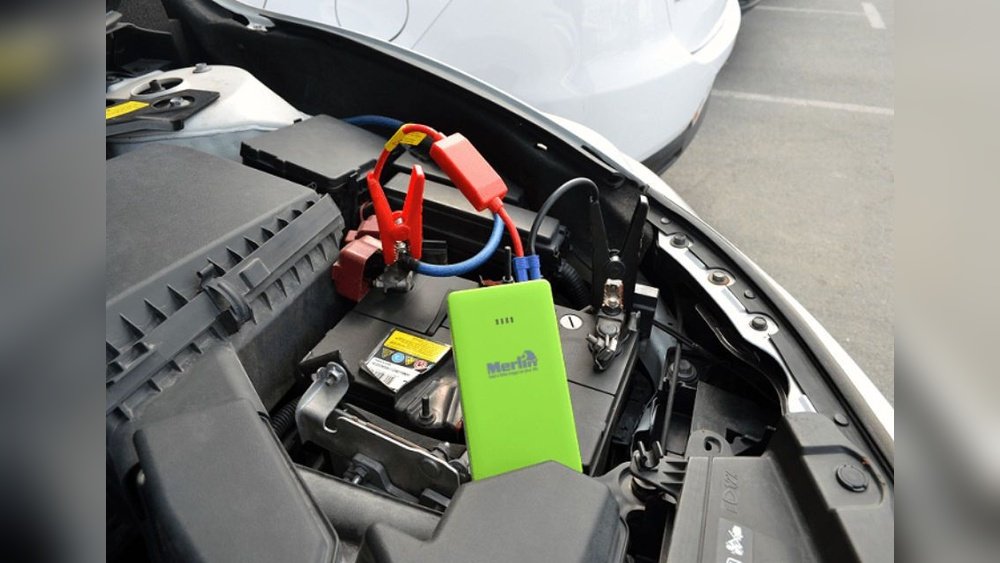
3. Connect The Jump Box Cables
- Attach the red clamp to the positive terminal.
- Attach the black clamp to the negative terminal or a metal part of the car frame (if recommended).
- Make sure clamps are tight and not touching each other.
4. Power On The Jump Box
- Turn on the jump box. Some models have a power button, others start automatically.
- Check indicator lights to confirm the jump box is ready.
5. Start The Car
- Try to start your car. If it doesn’t start after 2–3 tries, wait a minute and try again.
- Once started, let the engine run for at least 10 minutes to recharge the battery.
6. Disconnect Safely
- Turn off the jump box.
- Remove the black clamp first, then the red clamp.
- Store your jump box and cables properly.
Example Scenario
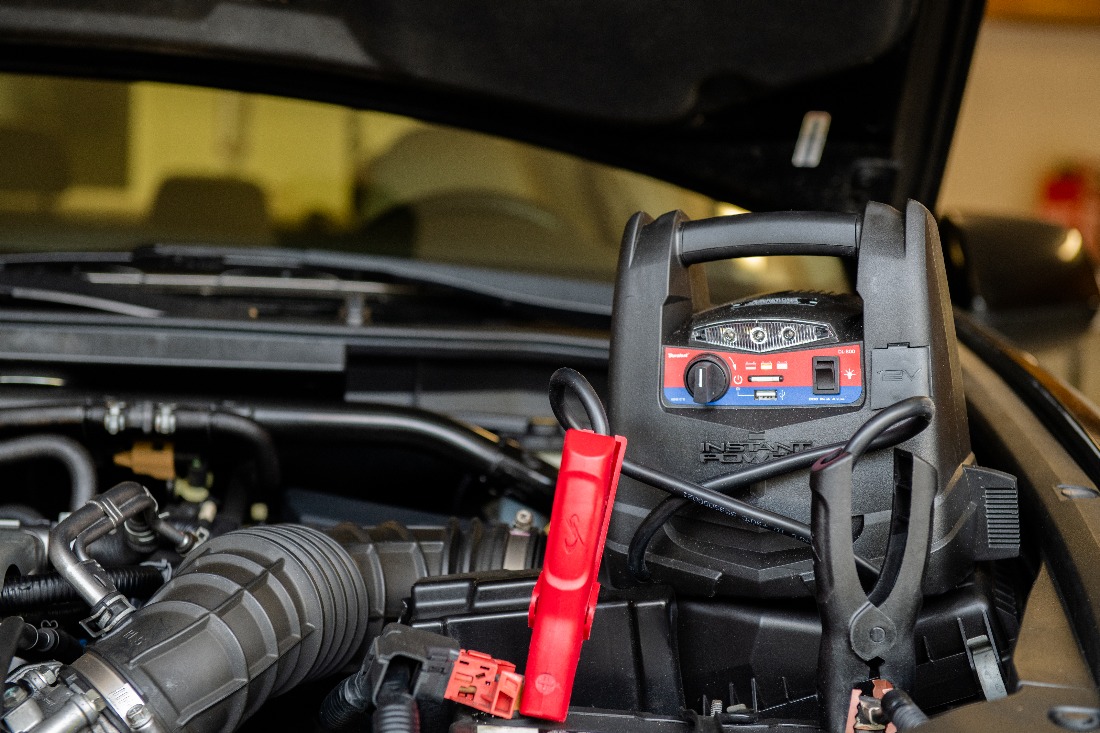
Suppose your car has a 3. 0-liter V6 engine. You use a jump box with 1200 peak amps. The car starts after two tries. You leave the engine running for 15 minutes. The battery is now strong enough for your next drive.
Credit: www.autozone.com
Safety Tips For Using A Jump Box
Safety is important when dealing with batteries. Follow these tips:
- Wear gloves and eye protection.
- Check for damaged cables or clamps.
- Never touch both clamps together.
- Avoid using the jump box near flammable materials.
- Keep children and pets away from the area.
Non-obvious Insights
- If your battery is leaking or swollen, do not attempt to jump it. Call roadside assistance instead.
- Many jump boxes have built-in protection, but always check for reverse polarity warning—connecting clamps incorrectly can cause sparks or damage.
Troubleshooting: What If Your Car Won’t Start?
Sometimes, a jump box won’t solve the problem. Here’s what you can do:
- Check connections: Make sure clamps are secure and clean.
- Wait a few minutes: Some batteries need time to recover.
- Try again: If the jump box is still fully charged, attempt another start.
If your car still doesn’t start:
- The battery may be completely dead and needs replacement.
- The starter or alternator could be faulty.
- There may be an electrical issue.
Data Example
According to Car and Driver, about 40% of battery jump failures are due to poor clamp connections. Cleaning the battery terminals can help.
Tips For Maintaining Your Jump Box
To get the most from your jump box, regular maintenance is key.
- Charge your jump box every 3–6 months, even if you don’t use it.
- Store it in a cool, dry place.
- Inspect cables and clamps for wear.
- Keep it in your car—especially in winter, when batteries fail more often.
Real-world Insight
Many people forget to recharge their jump box after one use. It’s smart to set a reminder in your phone or calendar.
Comparing Jump Boxes: Popular Models
Here’s a look at three popular jump boxes for beginners:
| Model | Peak Amps | Extras | Price |
|---|---|---|---|
| NOCO Boost Plus GB40 | 1000 | USB Charging | $99 |
| Stanley J7CS | 700 | Air Compressor | $79 |
| Clore Automotive Jump-N-Carry JNC660 | 1700 | Heavy Duty | $139 |
For most cars, a 1000–1200 amp jump box is enough. If you drive a truck or SUV, choose a model with higher amps.
:max_bytes(150000):strip_icc()/howtoconnectajumpbox-5b4a54c0c9e77c001a913ad7.jpg)
Credit: www.lifewire.com
Common Mistakes Beginners Make
Jump boxes are easy, but beginners often make these mistakes:
- Not charging the jump box before use.
- Placing clamps on the wrong terminals.
- Trying to jump a battery that’s leaking or damaged.
- Using a jump box with low amps for a large vehicle.
- Not letting the car run after jumping.
Practical Advice
Always double-check the instructions and take your time. Rushing can lead to mistakes.
Extra Features To Look For
Many jump boxes come with extra features that can help in emergencies:
- Flashlight: Useful for night or low-light situations.
- Air compressor: For flat tires.
- USB ports: Charge your phone or small devices.
- Digital display: Shows battery status and voltage.
These extras can make a big difference, especially if you travel often.
How To Know If Your Battery Needs Replacement
Jumping your car works only if the battery is still healthy. Here’s how to tell if your battery needs to be replaced:
- The car requires frequent jumps.
- Battery won’t hold a charge after jumping.
- You notice corrosion or swelling.
- Battery is older than 4–5 years.
If you see these signs, replace your battery soon. Driving with a weak battery can damage other parts of your car.
What If You’re Alone On The Road?
A jump box is perfect for solo drivers. It doesn’t matter if you’re alone—no need for help from another car.
- Keep your jump box in the trunk or glove compartment.
- Practice using it before you need it.
- In emergencies, call roadside assistance if the jump box fails.
Real-life Success Story
Maria, a college student, kept a jump box in her car after her battery failed twice. When her car wouldn’t start in a parking lot, she used her jump box and was driving again in less than five minutes. She later recommended the device to friends, saving them time and stress.
Frequently Asked Questions
What Is The Difference Between A Jump Box And Jumper Cables?
A jump box is a portable battery pack that starts your car without another vehicle. Jumper cables need a second car for power. Jump boxes are safer and easier for beginners.
How Long Does It Take To Jump Start A Car With A Jump Box?
Most cars start within 1–2 minutes of connecting a jump box. If your battery is very weak, it may take a few tries. Always let the engine run for 10–15 minutes after jumping.
Can I Use A Jump Box On Any Type Of Car?
Most jump boxes work for cars, SUVs, and trucks. Check the amp rating and make sure it matches your vehicle’s needs. Some models are not suitable for large diesel engines.
How Often Should I Charge My Jump Box?
Charge your jump box every 3–6 months, or after every use. Some models have a self-discharge rate, so regular charging is important to keep it ready.
Is It Safe To Keep A Jump Box In My Car Year-round?
Yes, but avoid extreme heat or cold. Keep your jump box in the trunk or glove compartment. Inspect it regularly for damage.
Jump boxes make car emergencies less stressful. By following the right steps and maintaining your device, you can solve a dead battery problem quickly and safely. If you want more detailed technical info, check out Wikipedia’s jump start article for deeper research. With a jump box ready, you’re prepared for unexpected breakdowns—and you won’t need to wait for help.