How Do You Bridge a 2 Channel Amp: Easy Steps for Maximum Power
How Do You Bridge A 2 Channel Amp
Many music lovers want louder, clearer sound in their cars or homes. One popular way to get more power from your amplifier is bridging a 2 channel amp. Bridging lets you combine two channels into one, so you can drive a single speaker with more wattage. For beginners, this process may seem confusing. But with simple steps, clear data, and practical tips, anyone can learn how to bridge a 2 channel amp safely and effectively.
What Is Bridging A 2 Channel Amp?
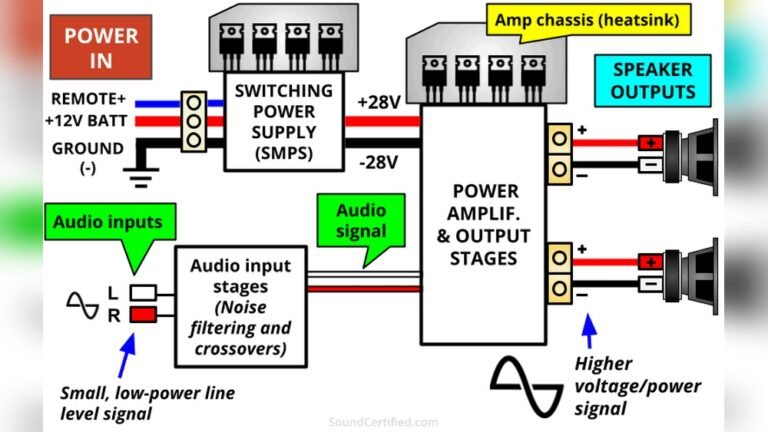
Bridging means connecting two amplifier channels together to make one channel with higher output. This is often used to power a subwoofer or a bigger speaker that needs more energy.
- Amplifier channels: Each channel sends sound to a speaker. A 2 channel amp usually powers two speakers.
- Bridged mode: Combines both channels, sending all power to one speaker.
Bridging is possible because most modern amplifiers are designed for this feature. It increases wattage, but it also changes how the amp handles resistance (ohms) and wiring. Beginners need to understand both the benefits and risks before trying it.
Why Bridge An Amp? The Main Benefits
Bridging is popular for several reasons:
- More power: Doubles or nearly doubles the wattage sent to a speaker.
- Better bass: Ideal for subwoofers, which require strong power for deep sounds.
- Flexibility: Lets you use a 2 channel amp in different ways, such as powering a single high-powered speaker.
Example: If your 2 channel amp produces 50 watts per channel (at 4 ohms), bridging can provide up to 100 watts (at 4 ohms) to one speaker. But exact output depends on the amp’s design and the speaker’s resistance.
When Should You Bridge A 2 Channel Amp?
Bridging isn’t always the best choice. It’s most useful when:
- You have a subwoofer that needs extra power.
- Only one speaker needs to be driven by the amp.
- The amp is designed to handle bridging (check the manual).
Avoid bridging if:
- You want to power two speakers separately.
- Your amplifier does not support bridging.
- Your speaker’s resistance is too low for the amp in bridged mode.
Key Terms And Concepts Explained
Understanding these simple terms helps beginners avoid mistakes:
- Watts: The power sent to speakers.
- Ohms: The resistance of the speaker. Lower ohms require more power.
- Mono: One channel audio (bridged mode).
- Stereo: Two channels audio (normal mode).
Bridging changes the amp’s output from stereo to mono. It also halves the minimum safe speaker resistance. For example, if the amp is safe at 4 ohms per channel, it may only be safe at 8 ohms in bridged mode.
Safety Precautions Before Bridging
Bridging is safe if you follow these steps:
- Read the manual: Not all amps can be bridged. Find instructions and diagrams in your amp’s user guide.
- Check speaker resistance: Use speakers with the correct ohms. Too low resistance can damage the amp.
- Turn off power: Never wire an amp while it’s on.
- Use correct wiring: Proper wire gauge and quality matter for safe operation.
Most mistakes happen when users ignore these basics. For example, connecting a 2 ohm speaker to a bridged amp designed for 4 ohms can cause overheating or failure.
Tools And Materials Needed
You don’t need many tools to bridge a 2 channel amp:
- Speaker wire (quality, right gauge)
- Screwdriver
- Wire stripper
- Electrical tape
- Multimeter (optional, for checking voltage and resistance)
Using thicker wire (14-16 gauge) is best for higher power and longer runs.
Step-by-step Guide: How To Bridge A 2 Channel Amp
Follow these steps for safe and effective bridging:
- Turn off the amp and disconnect power
- Remove all power sources before wiring.
- Read the amp’s manual
- Find the bridging diagram or instructions.
- Identify the terminals
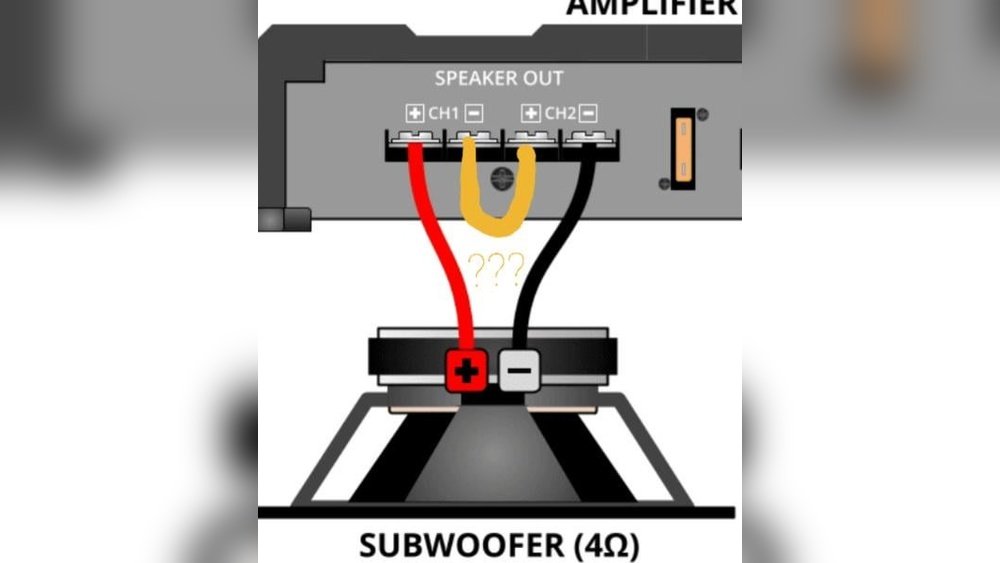
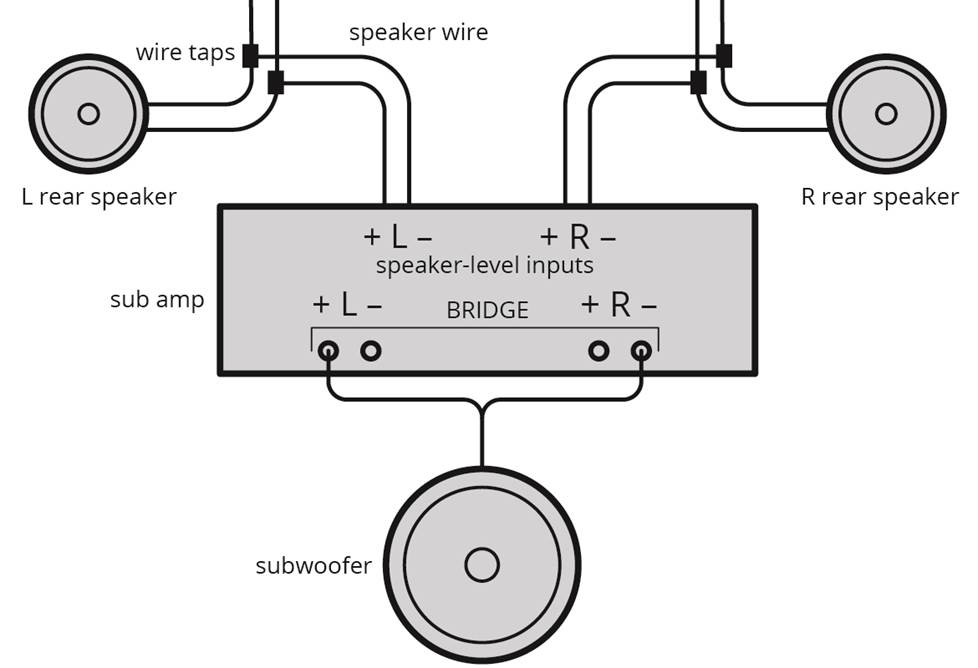
- Most 2 channel amps have four terminals: Left +, Left –, Right +, Right –.
- Prepare the speaker wire
- Strip the ends so they fit securely into terminals.
- Connect wires for bridging
- Usually, you use the Left + and Right – terminals (but check manual).
- Connect the speaker’s positive wire to the amp’s Left + terminal.
- Connect the speaker’s negative wire to the amp’s Right – terminal.
- Double-check connections
- Make sure wires are tight and there are no loose strands.
- Reconnect power and test
- Turn on the amp and play music at low volume first.
- Check for clear sound and no distortion.
Example Wiring Setup
If you have a Rockford Fosgate R250X2 amp (common 2 channel amp):
- Left + terminal: Connect speaker positive.
- Right – terminal: Connect speaker negative.
- Do not use Left – or Right + for the bridged speaker.
Always verify with your specific amp’s manual. Manufacturers sometimes use different terminals.
Common Mistakes And How To Avoid Them
Beginners often make these errors:
- Using the wrong speaker: Too low resistance (ohms) damages the amp.
- Incorrect wiring: Not following the correct terminal layout.
- Skipping the manual: Not all amps can be bridged; some need special wiring.
- Ignoring power ratings: Overdriving the amp or speaker causes distortion or failure.
You can avoid problems by following instructions and checking every step.

Credit: www.wikihow.com
How Bridging Changes Power Output
Bridging a 2 channel amp increases wattage, but not always double. The actual power depends on the amp’s specs and speaker resistance.
Here’s a comparison of typical power ratings:
| Mode | Channel Power (4 ohms) | Bridged Power (4 ohms) |
|---|---|---|
| Stereo | 50W x 2 | N/A |
| Bridged | N/A | 100W x 1 |
The bridged mode sends more wattage to one speaker. But the amp’s minimum resistance often doubles in bridged mode. For example:
- Stereo (per channel): Safe at 4 ohms
- Bridged: Safe at 8 ohms
Always check your amp’s specs.
Amp And Speaker Compatibility
Matching the amp and speaker is key. If the speaker’s resistance is too low, the amp can overheat or shut down.
Here’s a practical comparison:
| Speaker Resistance | Stereo Mode | Bridged Mode |
|---|---|---|
| 2 ohms | Safe | Unsafe |
| 4 ohms | Safe | Check manual |
| 8 ohms | Safe | Safe |
If you want to bridge, use an 8 ohm speaker for most amps. Some amps can handle 4 ohms in bridged mode, but always verify.
Practical Example: Bridging In A Car Audio System
Let’s say you want louder bass in your car. You have a 2 channel amp and a single subwoofer. Bridging the amp is a good solution.
Steps:
- Check your amp’s manual for bridging instructions.
- Make sure the subwoofer is 8 ohms (or whatever your amp supports).
- Wire the speaker as described above.
- Test the system at low volume.
- Increase volume slowly, listen for distortion.
Many car owners report clearer, deeper bass after bridging. But if you hear distortion, check wiring and resistance.
Two Non-obvious Insights Beginners Miss
- Bridging changes the amp’s minimum safe resistance. If your amp is safe at 4 ohms per channel, it may only be safe at 8 ohms bridged. Always check the manual, not just the amp’s top label.
- Some amps use special bridging switches or settings. It’s not always just wiring. Some models require pressing a button or changing a switch. Beginners often miss this and get poor sound or no output.
Real-world Data: Bridged Amp Output
Car audio forums and manufacturer specs show real numbers. For example:
- A Kenwood KAC-5206 amp gives 50W x 2 at 4 ohms, but 125W x 1 bridged at 4 ohms.
- Most amps are not stable below 4 ohms in bridged mode. Running a 2 ohm speaker can cause shutdown.
Bridging is ideal for subwoofers needing 100W+ power. But always match amp and speaker specs.
Tips For Long-term Reliability
To keep your bridged amp working well:
- Use quality speaker wire and connectors.
- Avoid running the amp hot for long periods.
- Make sure all connections are tight and secure.
- Use the correct fuse for the amp’s power rating.
Many users report amps overheating when the wrong speaker resistance is used. This can shorten the amp’s life.
Comparing Bridging Vs. Buying A Mono Amp
Some people ask if bridging a 2 channel amp is better than buying a mono amp.
| Feature | Bridged 2 Channel Amp | Mono Amp |
|---|---|---|
| Flexibility | Can revert to stereo | Only mono |
| Power Output | Usually less than mono | Usually higher |
| Cost | Lower (reuse existing amp) | Higher (new purchase) |
| Ease of Setup | Wiring needed | Simple |
Bridging is a cost-effective option if you already have a 2 channel amp. Mono amps give more power and are easier to set up for subwoofers.
Troubleshooting Bridged Amp Problems
If you hear distortion, no sound, or the amp shuts down, try these steps:
- Double-check wiring and terminals.
- Make sure the speaker resistance is correct.
- Check for loose or frayed wires.
- Try a lower volume and see if the problem goes away.
- If the amp overheats, check airflow and cooling.
If problems persist, consult the amp’s manual or ask a professional.
Credit: www.crutchfield.com
Where To Learn More
For extra details about amplifier bridging, safe wiring, and audio system design, visit Wikipedia Audio Power Amplifier.
Frequently Asked Questions
How Do I Know If My Amp Can Be Bridged?
Check your amplifier’s manual. Most modern amps have bridging instructions or diagrams. If the manual says the amp is bridgeable, follow the steps given. If not, do not try to bridge.
What Terminals Do I Use To Bridge A 2 Channel Amp?
Typically, you use the Left + and Right – terminals. The speaker’s positive wire goes to Left +, and the negative wire goes to Right –. Always check your specific amp’s manual.
Is It Safe To Bridge Any Speaker?
No. Only use speakers with the right resistance (ohms). Most amps need 8 ohm speakers in bridged mode. Using lower resistance can damage the amp.
Can Bridging Damage My Amplifier?
Yes, if done incorrectly. Using the wrong speaker resistance, wrong wiring, or ignoring the manual can cause overheating or failure.
Is Bridging The Best Option For Subwoofers?
Bridging is a good solution if you have a 2 channel amp and a single subwoofer. But a mono amp may give more power and easier setup for bigger subwoofers.
Bridging a 2 channel amp lets you get more power for a single speaker, with clear steps and simple wiring. With careful planning, correct wiring, and matching speaker resistance, beginners can enjoy louder, cleaner sound. Always follow safety tips and check your amp’s manual before starting.
For many music fans, bridging is an affordable way to upgrade their audio system without buying new equipment.
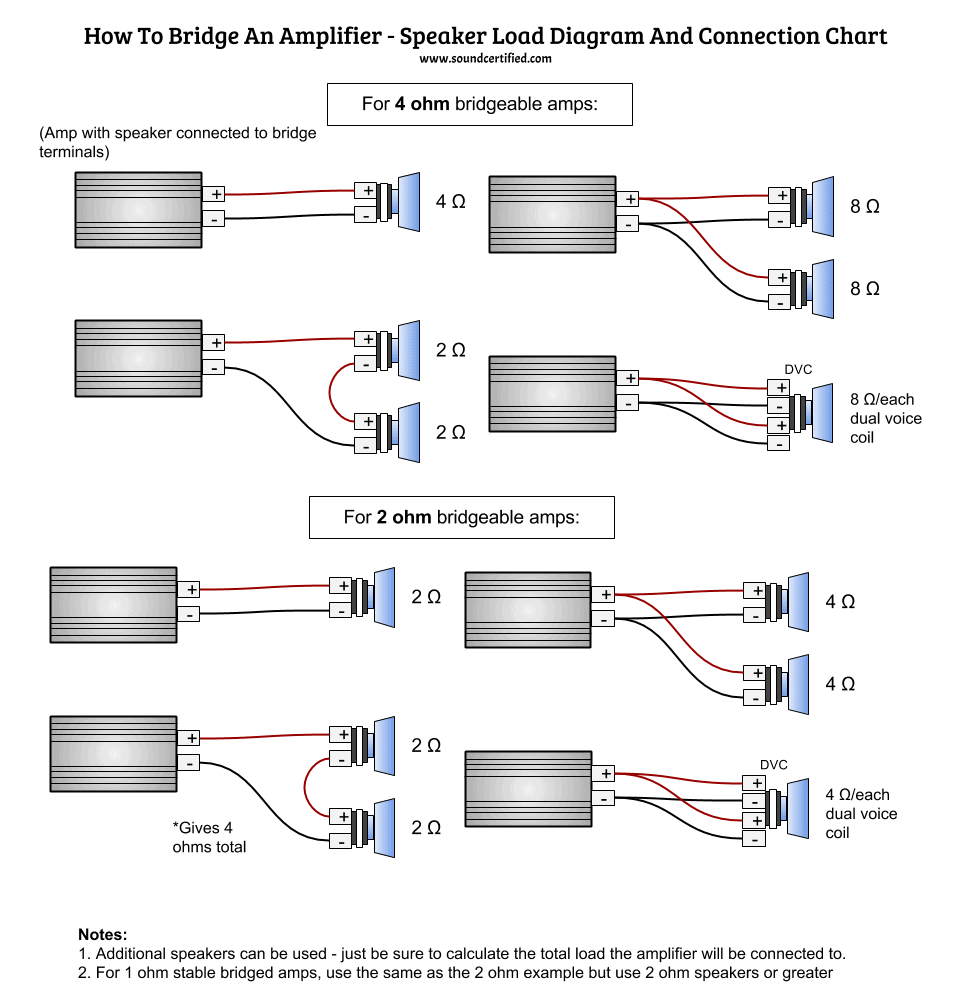
Credit: soundcertified.com