Why Does My Radio Turn on But No Sound: Quick Fixes Revealed
You’ve just turned on your radio, expecting to enjoy your favorite tunes or catch up on the latest news, but there’s nothing—no sound at all. It’s frustrating, isn’t it?
Your radio lights up, shows it’s powered, but the silence is deafening. Before you start thinking it’s time for a costly replacement, there are simple reasons why this might be happening—and easy fixes you can try yourself. You’ll discover the common causes behind your radio turning on but producing no sound, and practical steps to get your music back playing loud and clear.
Stick with us—you’ll be enjoying your favorite station again in no time.
Credit: help.retromanufacturing.com
Common Causes
A radio that powers on but produces no sound can be frustrating. Several common issues cause this problem. Identifying these helps fix the radio quickly. Some problems are simple, while others need professional help.
Blown Fuses
A blown fuse often stops sound output. Fuses protect the radio from electrical overload. Check the fuse box for any blown fuses related to the radio or amplifier. Replace any damaged fuses with the correct type and rating.
Faulty Amplifier
The amplifier boosts sound signals to speakers. A faulty amplifier can cause no sound despite power. Factory amplifiers may fail over time. Testing or replacing the amplifier may restore sound. Some cars have amplifiers hidden in the trunk or under seats.
Loose Wiring
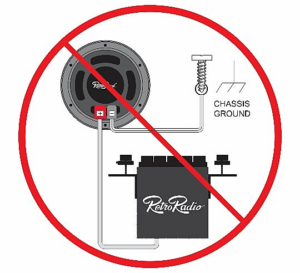
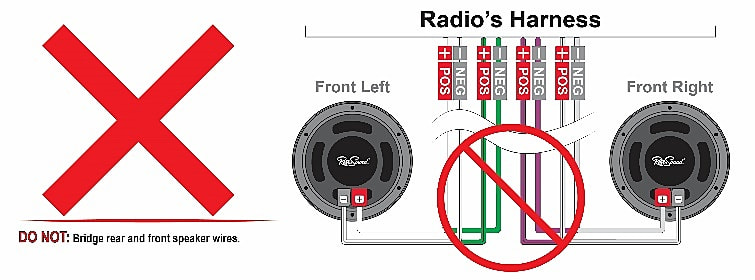
Loose or disconnected wires block sound signals. Wiring behind the head unit can loosen from vibrations or installation errors. Speaker wires and connectors should be secure. Inspect and reconnect any loose wires for proper sound flow.
Muted Or Incorrect Source
Sometimes the radio is muted or set to the wrong source. Check if the mute function is active. Confirm the radio is on the correct input, like FM, AM, Aux, or Bluetooth. Switching sources may bring back the sound.
Head Unit Issues
The head unit controls all radio functions. Internal failures can stop sound output. The built-in amplifier or other components may malfunction. Resetting the head unit or seeking repair might be necessary. In some cases, replacement is the only option.
Credit: help.retromanufacturing.com
Basic Checks
Basic checks help identify simple reasons for no sound in your radio. These steps save time and prevent unnecessary repairs. Start with easy fixes before moving to complex ones. Most sound issues come from settings or connections.
Check Volume And Mute
Verify the volume level on your radio. It may be turned down too low or muted. Look for a mute button and press it to toggle sound on or off. Sometimes, volume controls get accidentally adjusted without notice. Adjust the volume up slowly to test if sound returns.
Switch Audio Sources
Change the audio source to check if sound works on different modes. Switch between radio, CD player, Bluetooth, or Aux input. The current source might not be playing sound due to signal or connection issues. Testing other sources helps find if the problem is with one input only.
Inspect Fuse Box
Look at the car’s fuse box for any blown fuses linked to the radio. A blown fuse cuts power to the speakers or amplifier. Fuses are small and often labeled for easy identification. Replace any damaged fuse with one of the same rating to restore sound.
Examine Wiring Connections
Check all wiring behind the radio unit for loose or disconnected cables. Speaker wires may have come loose or been damaged. Inspect connectors for corrosion or wear. Secure any loose wires and clean dirty contacts to ensure good electrical flow. Proper wiring is essential for sound output.
Amplifier Troubleshooting
Amplifier issues often cause a radio to turn on but produce no sound. The amplifier boosts audio signals so speakers can play sound clearly. A faulty or powerless amplifier stops sound output. Troubleshooting the amplifier can help find the problem quickly.
Locate Factory Amplifier
Most cars have a factory amplifier hidden in the trunk, under a seat, or behind panels. Check your car manual for the exact location. Identifying the amplifier is the first step to inspect its condition and connections.
Test Amplifier Power
Use a multimeter to check if the amplifier gets power. Test the fuse near the amplifier for damage or a blown fuse. Make sure the wiring harness is firmly connected and has no corrosion or breaks.
Replace Or Repair Amplifier
If the amplifier has no power or shows visible damage, it might need replacement. Some amplifiers can be repaired by a professional if the issue is minor. Replacing a faulty amplifier often restores sound to your radio system.
Testing Tools
Testing tools help find why your radio turns on but has no sound. These tools check electrical parts and wiring. They show if power reaches speakers and other components.
Using simple tools can save time and money. They help spot problems early. Two common tools are a multimeter and a speaker wire voltage tester.
Using A Multimeter
A multimeter measures voltage, resistance, and current. It shows if power flows through wires correctly. Set it to voltage mode to test speaker wires.
Touch the probes to the speaker wire ends while the radio plays sound. The multimeter should show voltage changes with music. No voltage means a wiring or amplifier issue.
This tool also tests fuses and connections inside the radio. A broken fuse or loose wire can cause no sound. Testing these parts narrows down the cause quickly.
Speaker Wire Voltage Test
Check the speaker wires for power with a voltage tester. It is easy to use and safe for beginners. Connect the tester to each wire while the radio is on.
If the tester lights up or beeps, power is reaching the speakers. No signal means a wiring break or bad connection. This test helps find where sound stops.
Test all speaker wires, as one bad wire can stop sound from all speakers. Fixing or replacing bad wires can restore audio output fast.
Reset And Power Issues
Reset and power issues often cause a radio to turn on without sound. These problems affect the radio’s ability to send audio signals to the speakers. Simple fixes like resetting the radio or checking power sources can restore sound quickly.
Power interruptions or incorrect settings often block audio output. Identifying these issues early saves time and money. Below are key steps to diagnose and fix reset and power-related problems.
Factory Reset Radio
Performing a factory reset clears all custom settings. This returns the radio to its original state. Resetting removes any software glitches or incorrect configurations. Most radios have a reset button or a menu option for this. Hold the reset button for a few seconds or follow the on-screen instructions. After reset, test if the sound returns. Remember to reconfigure your preferred settings afterward.
Check Accessory Power
Accessory power supplies electricity to the radio when the car is on. Check if the radio’s accessory power is working properly. Use a test light or multimeter to measure power at the radio’s wiring harness. If no power is detected, the problem may lie in the ignition switch or wiring. Also, verify if other accessories powered by the same circuit work. Lack of accessory power often causes the radio to turn on but not play sound.
Inspect Radio Fuse On Unit
Many radios have a fuse located on or near the unit. This fuse protects the radio from power surges. Inspect the fuse for any signs of damage or burning. Replace the fuse with one of the same rating if it is blown. A blown fuse cuts power to the radio’s amplifier, causing no sound output. Always disconnect the battery before checking or replacing the fuse to avoid electrical shock.
When To Seek Professional Help
Knowing when to seek professional help is crucial for fixing your radio’s sound issues. Some problems are simple, but others need expert tools and skills. Avoid guessing or forcing repairs that may cause more damage.
Professionals have the knowledge to diagnose complex problems quickly. They can handle delicate electronic parts safely. Seeking help early can save time and money in the long run.
Persistent Sound Problems
Sound problems that do not go away after basic checks need expert attention. Issues like intermittent sound or distorted audio often point to internal faults. A professional can test your system with special equipment to find hidden defects.
Trying to fix persistent issues yourself might worsen the problem. Experts know how to repair or replace faulty parts without harming other components.
Head Unit Replacement
The head unit is the brain of your radio system. If it fails, the radio may power on but produce no sound. Professionals can confirm if the head unit is faulty.
Replacing a head unit requires careful removal and installation. Experts ensure the new unit fits properly and connects correctly with your car’s wiring. This avoids future problems and keeps your system running smoothly.
Advanced Wiring Repairs
Wiring problems often cause sound issues that simple checks miss. Loose, broken, or corroded wires need detailed inspection and repair. Professionals use tools to trace wiring faults inside walls and panels.
Incorrect wiring repairs can lead to shorts or system failure. Experts have the skills to fix wiring safely and restore sound. They also check related components like speakers and amplifiers for damage.

Credit: www.youtube.com
Frequently Asked Questions
How To Tell If A Radio Fuse Is Blown?
Check the fuse for a broken metal strip or discoloration. Use a multimeter to test for continuity. Replace if blown.
How To Reset Car Audio System?
To reset a car audio system, press and hold the power button or reset button for 10 seconds. Alternatively, disconnect the car battery for a few minutes, then reconnect it. Check your car’s manual for specific reset instructions. This restores factory settings and clears minor glitches.
Why Will My Radio Turn On But Not Play Music?
Your radio may turn on but not play music due to a blown fuse, muted volume, wrong source, faulty amplifier, or loose wiring. Check settings, inspect fuses, test connections, and reset the unit to fix common issues.
Why Is There No Sound Coming From My Speakers In My Car?
No sound from car speakers often results from a blown fuse, muted audio, wrong source, loose wiring, or a faulty amplifier or head unit. Check settings, inspect fuses, and ensure all connections are secure to fix the issue quickly.
Conclusion
A radio that powers on but has no sound can be frustrating. Check simple settings like volume and source first. Look for blown fuses or loose wires next. Inspect the amplifier and connections carefully. Resetting the radio might also help.
Testing with a multimeter can identify electrical issues. Understanding these steps saves time and money. Fixing the problem is usually straightforward with patience. Don’t ignore small details; they often hold the key. Keep these tips in mind to enjoy clear sound again.