Car Audio Voltage Regulator: Boost Sound Quality and Performance
Car Audio Voltage Regulator: Beginner’s Guide With Practical Data
Music in your car can turn a boring drive into something you enjoy. But if your car audio system sounds weak, distorted, or sometimes fails, voltage issues may be the cause. A car audio voltage regulator is a solution many beginners overlook, but it’s vital for clean and powerful sound. This guide explains what it is, why it matters, how it works, and how to choose the right one for your system. You’ll also see real examples, useful comparison tables, and answers to common questions.
What Is A Car Audio Voltage Regulator?
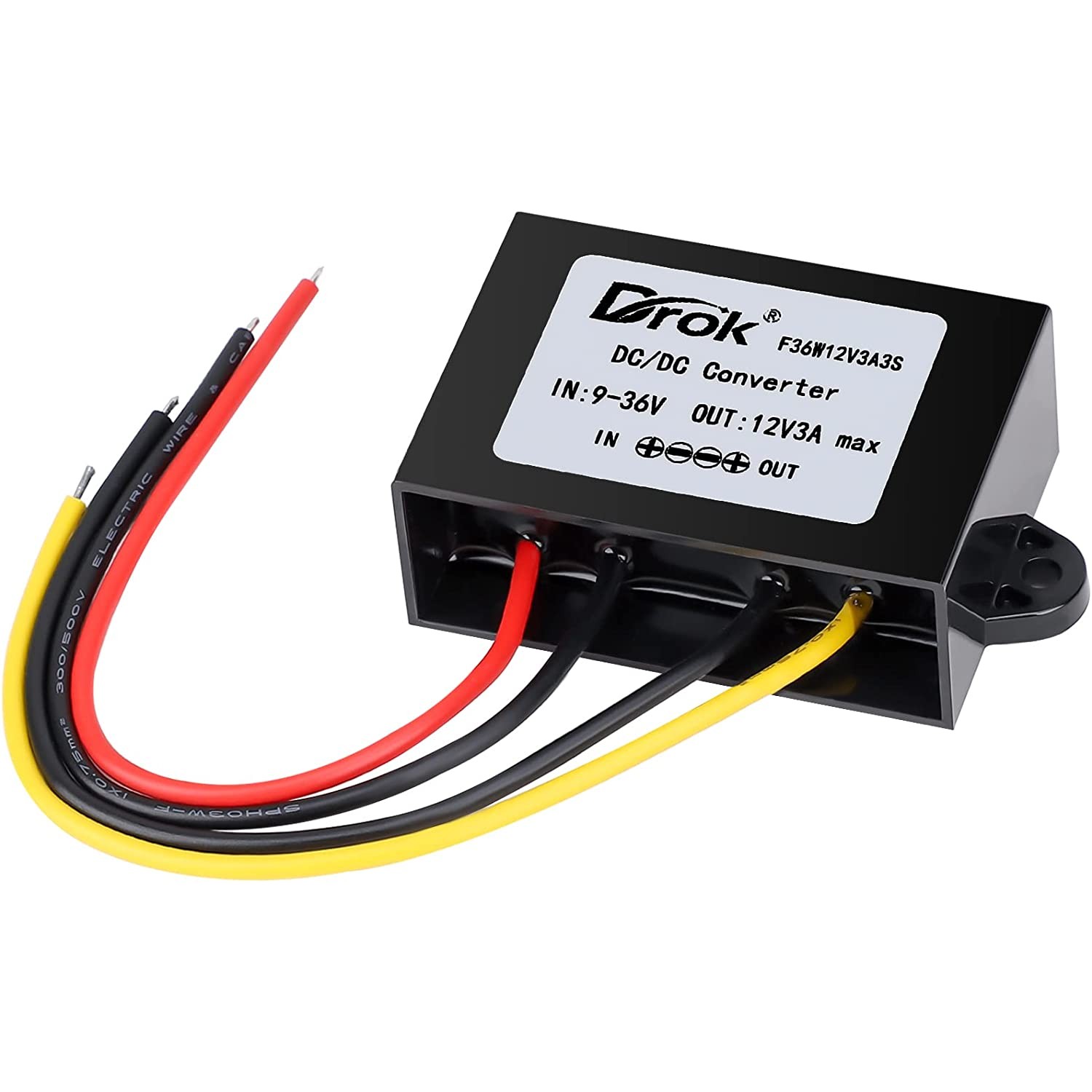
A car audio voltage regulator is a small electronic device that controls the electricity sent to your audio system. It keeps the voltage steady, so your speakers and amplifiers get the right amount of power.
- Purpose: Prevents voltage spikes and drops that can damage equipment.
- Location: Usually installed between your car battery and audio system.
- Function: Smooths out the voltage, protecting sensitive audio gear.
For example, if your battery sends too much power, the regulator lowers it. If the power drops, the regulator boosts it.
Why Voltage Regulation Matters For Car Audio
Many beginners think a powerful amplifier is all they need. But without stable voltage, even the best amp can struggle. Here’s why:
- Protects Equipment: Voltage spikes can burn out speakers and amps.
- Improves Sound Quality: Stable power means less distortion and noise.
- Prevents System Failure: Stops shutdowns during loud music or heavy bass.
- Extends Lifespan: Reduces wear on audio components.
A common mistake is ignoring voltage regulation. People spend money on upgrades but forget about power stability.
How Does A Car Audio Voltage Regulator Work?
A regulator constantly checks the electrical flow from your battery. If it senses a change, it adjusts the voltage to keep things steady.
- Automatic Adjustment: Uses sensors and circuits to react in real-time.
- Direct Supply: Delivers consistent voltage to the audio system.
- Bypass Feature: Some models allow manual control for advanced users.
For example, if your battery voltage drops from 14V to 11V during heavy bass, the regulator can supply the needed 14V to your amp.
Real-world Example
Let’s say you have a 1200W amplifier in your car. During loud music, it draws more power, and your battery voltage can dip. Without a regulator, your amp may distort or shut down. With a regulator, your system gets steady power and plays clean sound.
Types Of Car Audio Voltage Regulators
Not all regulators are the same. Here are the main types:
- Linear Regulators
- Simple design.
- Good for small systems.
- Less efficient for high-power setups.
- Switching Regulators
- More complex.
- Handle larger loads.
- Higher efficiency.
- Adjustable Regulators
- Let you set voltage manually.
- Useful for advanced installations.
Here’s a comparison for quick reference:
| Type | Efficiency | Max Power Supported | Best Use |
|---|---|---|---|
| Linear | Low | 300W | Small audio setups |
| Switching | High | 2000W+ | Large sound systems |
| Adjustable | Medium | Varies | Custom installations |
Key Features To Look For
Choosing the right voltage regulator is important. Here are the main features you should check:
- Voltage Range: Make sure it matches your system (usually 12V to 14.4V).
- Current Capacity: Must support the total amperage your audio system draws.
- Thermal Protection: Prevents overheating.
- Short Circuit Protection: Guards against electrical faults.
- Size and Mounting: Needs to fit your car and be easy to install.
Don’t focus only on price. A cheap regulator may not protect your system properly.
Example: Matching Regulator To Audio System
If your amp draws 40A at peak, pick a regulator rated at least 50A. That gives you a safety margin.
Common Problems Without A Voltage Regulator
Many beginners experience issues because they don’t use a voltage regulator:
- Distorted Sound: Unstable voltage makes speakers crackle or hum.
- Amp Shutdown: Sudden power drops cause amps to turn off.
- Damaged Equipment: Voltage spikes can burn out circuits.
- Battery Drain: Audio gear struggles, draining the battery faster.
One non-obvious insight: Even if your car’s alternator is strong, voltage drops can still happen during heavy bass or loud music.

Credit: store.soundsolutionsaudio.com
Installation: Beginner Tips And Steps
Installing a voltage regulator isn’t hard, but you need to follow steps carefully.
- Find the Right Spot: Close to your battery or main power wire.
- Disconnect Battery: Always remove the negative cable first.
- Connect Input Wires: From battery to regulator.
- Connect Output Wires: From regulator to audio system.
- Secure Mounting: Use brackets or screws.
- Check Connections: Tighten and test for loose wires.
- Reconnect Battery: Power up and test your audio.
Common Mistakes:
- Using thin wires (causes overheating).
- Ignoring grounding (leads to noise).
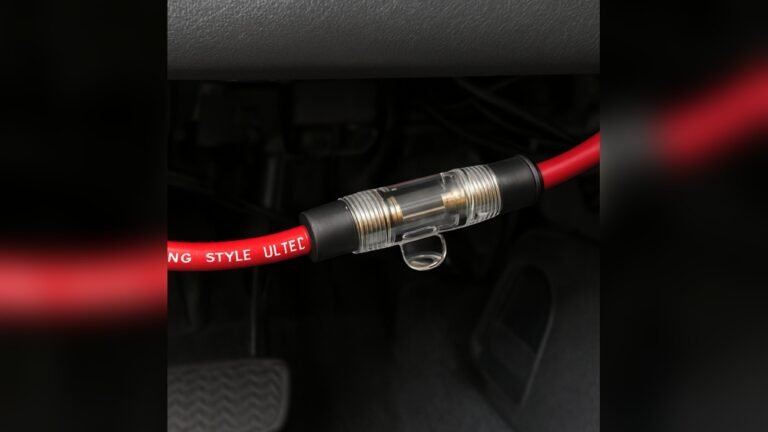
- Skipping fuse installation (risk of fire).
Here’s a quick wiring comparison:
| Wire Size | Max Current Supported | Best For |
|---|---|---|
| 8 AWG | 40A | Small systems |
| 4 AWG | 60A | Medium setups |
| 0 AWG | 150A+ | Large amps |
Practical Data: Voltage And Audio Performance
Let’s look at how voltage affects audio output:
| Voltage | Amplifier Power Output | Sound Quality |
|---|---|---|
| 11V | 70% rated | Poor, distorted |
| 12V | 85% rated | Fair |
| 14.4V | 100% rated | Clean, strong |
- A drop from 14.4V to 11V can reduce amp power by 30%.
- Regulator keeps voltage stable, so you get full volume and clarity.

Credit: www.aliexpress.com
How To Choose The Right Regulator
Many products are available, but choosing the right one depends on your system:
- Calculate Power Needs: Add up the wattage and amperage of all audio gear.
- Check Compatibility: Make sure the regulator supports your voltage.
- Look for Quality Brands: Avoid no-name brands with poor reviews.
- Read Customer Feedback: Learn from other users’ experience.
Beginner tip: Always buy a regulator with more capacity than your system needs. This prevents problems during peak music sessions.
Advanced Insights: What Beginners Often Miss
- Voltage Drop During Bass Hits: Even if your car runs fine, deep bass notes can drop voltage suddenly. Regulators fix this instantly.
- Alternator Limits: Your alternator may not supply enough power for big audio setups. A regulator helps fill the gap, especially if you add extra batteries.
- Noise Issues: Without proper grounding and a regulator, you may hear engine whine or static. Regulators reduce this problem.
Credit: www.droking.com
Maintenance And Troubleshooting
A voltage regulator needs little care, but check it every few months:
- Inspect Wiring: Look for damage or loose connections.
- Check Fuses: Replace if blown.
- Monitor Performance: If audio sounds weak, test voltage with a multimeter.
If you hear distortion or your amp shuts down, check regulator output. It should be steady, around 14. 4V.
Real Brands And Where To Buy
Some well-known brands for car audio voltage regulators:
- Stinger
- Rockford Fosgate
- XS Power
- AudioControl
You can find these at car audio stores, online shops, or directly from manufacturers. For more technical details, visit the Wikipedia Voltage Regulator page.
Frequently Asked Questions
What Happens If I Don’t Use A Voltage Regulator?
Without a voltage regulator, your audio system can suffer from voltage drops, distortion, and equipment failure. Your amplifier may shut down during loud music, and speakers can get damaged over time.
Can I Install A Voltage Regulator Myself?
Yes, most regulators are beginner-friendly to install. You need basic tools, some wiring knowledge, and follow safety steps. Always disconnect the battery first and use proper wire sizes.
Do I Need A Regulator For Factory Audio Systems?
Factory systems usually work fine without a regulator. But if you upgrade to aftermarket amps or subwoofers, a regulator helps maintain performance and protects your gear.
Will A Regulator Fix Noise Problems?
It can help, but noise issues often come from bad grounding or wiring. Regulators reduce electrical interference, but you should also check your installation for loose wires or poor connections.
What Size Voltage Regulator Should I Buy?
Choose a regulator with a higher amperage rating than your audio system needs. If your amp draws 40A, buy a regulator rated for at least 50A for safety and reliability.
A car audio voltage regulator is a smart investment for anyone who wants clear, powerful music in their car. It protects your equipment, boosts sound quality, and prevents common problems. If you plan to upgrade your audio, start with stable power.
You’ll notice the difference every time you drive.