How to Bypass Protection Mode on Amp: Expert Troubleshooting Tips
When your car or home amplifier suddenly stops working and a red or orange light appears, you might be dealing with protection mode. This safety feature keeps the amp from damage, but it can be frustrating if you don’t know what to do next. Many beginners think bypassing protection mode is as easy as pressing a button. In reality, it’s about finding the root cause, fixing it, and only then restoring normal operation. This guide will show you, step by step, how to deal with protection mode, how to safely bypass it, and what to avoid. You’ll also find clear examples, practical troubleshooting tips, and answers to common questions.
What Is Protection Mode On An Amp?
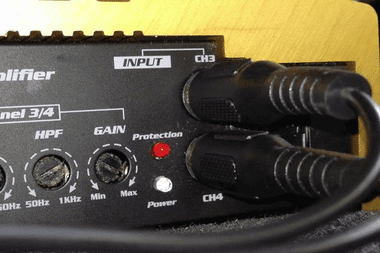
Protection mode is a built-in safety system in many amplifiers. When the amp detects a problem—such as overheating, short circuits, or incorrect wiring—it automatically shuts down or limits power to prevent permanent damage. You’ll often see a “protect” light or a blinking LED.
Common Reasons For Protection Mode
- Overheating: The amp gets too hot, often from poor ventilation.
- Short circuit: Speaker wires touch or internal components fail.
- Incorrect speaker load: Impedance mismatch or too many speakers.
- Power issues: Voltage drops, blown fuses, or poor ground connections.
Key insight: Most protection mode triggers are not random. They signal a real problem with your setup. Ignoring them can lead to a dead amp.
How To Identify Why Your Amp Is In Protection Mode
Before you can bypass protection mode, you must find out what triggered it. Skipping this step is the most common mistake beginners make.
Step-by-step Troubleshooting
- Check the Protection Light
- Solid red or orange usually means a serious problem.
- Flashing may indicate a wiring or speaker issue.
- Turn Off and Disconnect Everything
- Unplug power and speaker wires.
- Wait a few minutes to let the amp reset.
- Inspect All Wiring
- Look for frayed, pinched, or exposed wires.
- Make sure no wires are touching each other or the amp’s chassis.
- Test With No Load
- Power on the amp with no speakers or inputs attached.
- If protection mode disappears, the problem is likely with wiring or speakers.
- Test the Speakers
- Use a multimeter to check speaker impedance.
- Most car amps work with 4-ohm speakers; home amps often use 8-ohms.
- Check Power and Ground
- Weak battery, loose ground, or blown fuse can trigger protection.
Pro tip: Write down each test result. This helps you track which step solved the issue.
Can You Bypass Protection Mode Directly?
Many beginners search for a “bypass switch” or a secret reset. The truth: Most amps do not have a bypass button for protection mode. The protection circuit is there to prevent damage, not just to annoy users.
Why Direct Bypass Is Risky
- Forcing the amp out of protection mode can destroy internal parts.
- You might void the warranty.
- There’s a real fire risk if a short circuit is present.
Only attempt a bypass after you’re 100% sure the root cause is fixed.
Safe Ways To “bypass” Protection Mode
Bypassing really means “solving the problem so the amp leaves protection mode safely. ” Here’s how to do it step-by-step.
1. Let The Amp Cool Down
If your amp is hot to touch, turn it off and let it cool for 15–30 minutes. Overheating is a common trigger, especially in cars with poor airflow.
2. Check And Fix Wiring
Reattach all wires, making sure:
- No bare wires touch metal.
- Speaker polarity (+ and –) is correct.
- All terminals are tight.
3. Inspect The Speakers
Damaged speakers can send the amp into protection mode.
- Replace any blown or shorted speakers.
- Test with another working speaker to confirm.
4. Verify Power Supply
Check for:
- Proper voltage (12–14V for car amps, 110–120V for home amps).
- Good ground connection.
- Fuse in good condition.
5. Reset The Amp
Some amps have a reset button or require a power cycle.
- Disconnect all power for 30 seconds.
- Reconnect and power on.
6. Test With One Speaker
Reconnect one speaker at a time. If the amp enters protection mode again, the last speaker or wire connected is likely the problem.
7. Check For Internal Damage
If all else fails, the amp may have blown internal parts (like output transistors or capacitors). This requires repair by a professional.
Real-world example: A user finds their amp in protection mode after adding a second subwoofer. Testing each speaker alone, they discover one sub has a shorted coil causing the issue.
Credit: how-to-bypass-protection-mode-on-amp.weebly.com
Common Mistakes When Bypassing Protection Mode
Many beginners make the same errors when trying to fix protection mode. Avoid these to save time and money.
- Ignoring overheating: Placing the amp in a tight spot without airflow.
- Forcing power: Using a larger fuse to “fix” blown fuses—this can fry the amp.
- Skipping steps: Not disconnecting all speakers before testing.
- Using wrong speakers: Connecting too many speakers or using incorrect impedance.
- Not checking grounds: Poor ground is a top cause of protection mode in cars.
Non-obvious insight: Sometimes, a minor installation error—like a single loose wire—can trigger protection mode, even if everything else seems fine.
Data Table: Common Triggers And Fixes
Here’s a quick reference for the most frequent causes and solutions.
| Trigger | Symptom | Fix |
|---|---|---|
| Overheating | Hot amp, protect light on | Cool down, improve ventilation |
| Shorted speaker | No sound, protect mode | Replace/fix speaker |
| Bad ground | Random shutdowns | Clean/tighten ground wire |
| Wrong impedance | Protect light, low volume | Use correct speakers |
| Blown fuse | No power | Replace with same type/rating |

Credit: www.youtube.com
How To Prevent Protection Mode
After fixing the issue, you want to stop it from happening again. Prevention is easier than repair.
Tips For Car Amps
- Install the amp in a ventilated location.
- Use the right gauge power and ground wires.
- Double-check all connections during installation.
- Do not overload the amp with too many speakers.
Tips For Home Amps
- Keep the amp away from heat sources.
- Use surge protectors.
- Regularly dust and clean the amp.
- Match speakers to amp’s rated impedance.
Practical insight: Many protection mode cases are caused by installation errors. Spending 10 minutes to double-check wiring can save hours of frustration later.
Data Table: Speaker Load And Amp Protection
Using the wrong speakers can trigger protection mode. Here’s how speaker impedance matches with amps.
| Amp Type | Min Speaker Impedance | Typical Speakers | Protection Mode Risk |
|---|---|---|---|
| Car Amp | 2 Ohms | 2–4 Ohm | High if below 2 Ohm |
| Home Amp | 6 Ohms | 6–8 Ohm | High if below 6 Ohm |
| Professional PA Amp | 4 Ohms | 4–8 Ohm | Medium if below 4 Ohm |
Example: Step-by-step Bypass On A Car Amp
Let’s walk through a real-world scenario.
- Amp enters protection mode after a loud song.
- User checks the amp—it’s hot. Waits 20 minutes to cool.
- Checks wiring—finds a speaker wire touching the car chassis.
- Repairs wire, reconnects everything.
- Turns on amp—protection mode is gone.
- Plays music at low volume first, then slowly increases.
This shows how simple troubleshooting and patience can resolve most protection issues.
Data Table: Quick Troubleshooting Reference
Save this for fast checks.
| Test | Pass Result | Fail Result | Next Step |
|---|---|---|---|
| Power On, No Load | No protect mode | Protect light on | Internal amp issue |
| Speaker Test | Normal sound | Protect mode | Check speaker wiring |
| Voltage Test | 12–14V (car)/110–120V (home) | Low/unstable voltage | Check battery/fuse/ground |

Credit: www.reddit.com
When To Call A Professional
Sometimes, the amp stays in protection mode even after you check all wiring, speakers, and power. This usually means:
- Blown internal components.
- Failed protection circuitry.
- Water or physical damage.
Don’t try to open or repair the amp if you lack experience. You can cause more damage or hurt yourself. Professional repair shops have the tools to diagnose and fix complex problems.
For more technical details about amplifier protection circuits, see this Wikipedia article.
Frequently Asked Questions
Why Does My Amp Keep Going Into Protection Mode?
Protection mode is triggered by problems like overheating, short circuits, bad wiring, or mismatched speakers. The amp’s safety circuit detects the issue and shuts down to prevent damage. Fixing the root cause is the only lasting solution.
Can I Bypass Protection Mode With A Special Button?
No, most amps do not have a bypass button. Protection mode is automatic for safety. The only way to exit protection mode is to fix the problem that caused it.
Is It Safe To Use A Bigger Fuse To Stop Protection Mode?
No, using a bigger fuse can destroy your amp and create a fire risk. Always use the fuse size recommended by the manufacturer.
What Should I Do If My Amp Stays In Protection Mode With No Speakers Connected?
If your amp is still in protection mode with everything disconnected, there is likely an internal fault. This needs professional repair.
How Can I Prevent Protection Mode In The Future?
- Install the amp with good ventilation.
- Use proper wiring and ground.
- Match speakers to the amp’s rated impedance.
- Check all connections regularly.
Understanding protection mode is important for anyone using an amplifier. While the urge to bypass it quickly is strong, real solutions come from careful troubleshooting. By following the steps above, you can get your amp working again safely and avoid future problems.