Car Stereo With Built in Amplifier: Boost Your Audio Experience
Car Stereo With Built In Amplifier: The Beginner’s Guide
Driving is more fun when your favorite songs play loud and clear. But many cars have weak sound systems. If you want better music in your car, you have likely heard about a car stereo with built in amplifier. This type of stereo is a smart upgrade for anyone who wants better sound without making the installation complicated. But what does it really mean, and why is it popular? Let’s break it down in simple terms.
What Is A Car Stereo With Built In Amplifier?
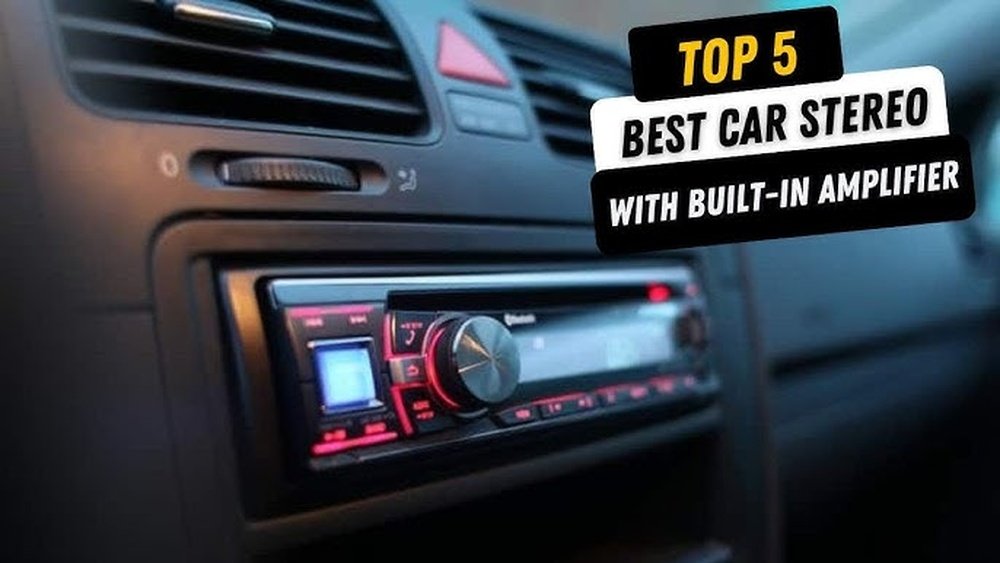
A car stereo with built in amplifier is a head unit that combines two devices in one:
- The stereo (the part you see and control)
- The amplifier (the part that makes music louder and clearer)
Usually, the amplifier is inside the stereo’s body. This means you don’t need a separate amp under the seat or in the trunk. You get more power for your speakers, but the system stays simple and neat.
Example: Most factory stereos put out about 15-18 watts RMS per channel. But a built-in amplifier stereo can give you 40-50 watts RMS per channel — more than double the power.
Why Choose A Built In Amplifier Stereo?
Many drivers and music lovers prefer this kind of stereo. Here are the main reasons:
- Simple Installation: No extra wiring or mounting is needed for a separate amp.
- Saves Space: All components are in one unit, keeping your car tidy.
- Better Sound Quality: More power means clearer sound, especially at higher volumes.
- Cost-Effective: You save money by not buying a separate amplifier and fewer installation hours.
- Modern Features: Many include Bluetooth, USB, and smartphone support.
Non-obvious insight: Some built-in amp stereos can power upgraded aftermarket speakers, not just factory ones.
How Does It Work?
Inside the stereo, the built-in amplifier takes the low-power audio signal and increases its strength. This makes the sound:
- Louder: You can hear your music over road noise.
- Cleaner: Less distortion at high volume.
- Balanced: Even small speakers sound better.
Practical Example: If you swap a factory stereo for a built-in amp model, you’ll notice bass is deeper and vocals are sharper—even with the same speakers.
Types Of Built In Amplifier Stereos
There are two main types:
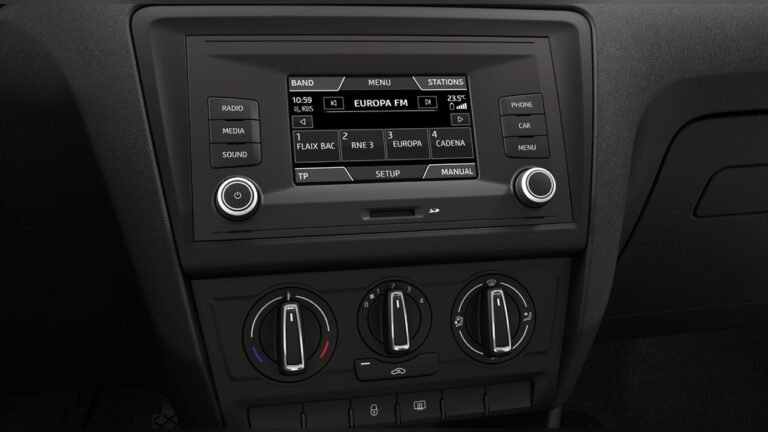
- Single DIN: Slim and rectangular (about 2 inches tall). Fits most cars with a standard slot.
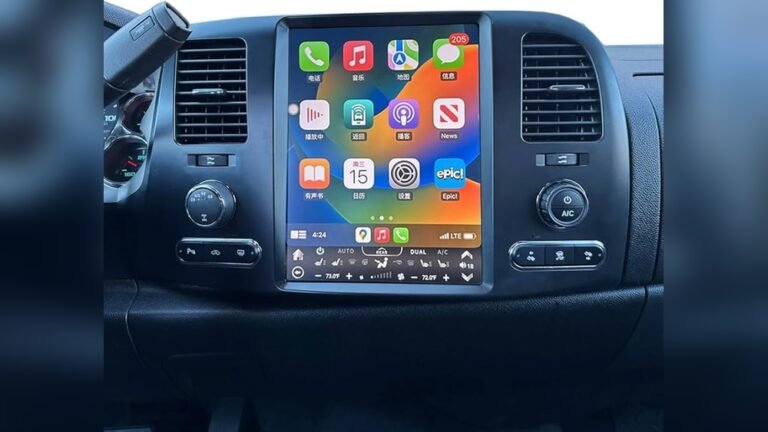
- Double DIN: Twice as tall (about 4 inches). Usually has a bigger display—good for touchscreens and backup cameras.
Some models focus on sound, others on features like navigation. Choose what fits your dash and your needs.

Credit: www.youtube.com
Key Features To Look For
Not all built-in amp stereos are the same. Here’s what matters most:
- Power Output: Look for RMS power (not “peak power”). 40-50 watts RMS per channel is good.
- Number of Channels: Most offer 4 channels (front left, right, rear left, right).
- High-Voltage Pre-Outs: If you add an external amp later, these help keep signal quality high.
- Equalizer (EQ): Lets you adjust bass, treble, and other frequencies.
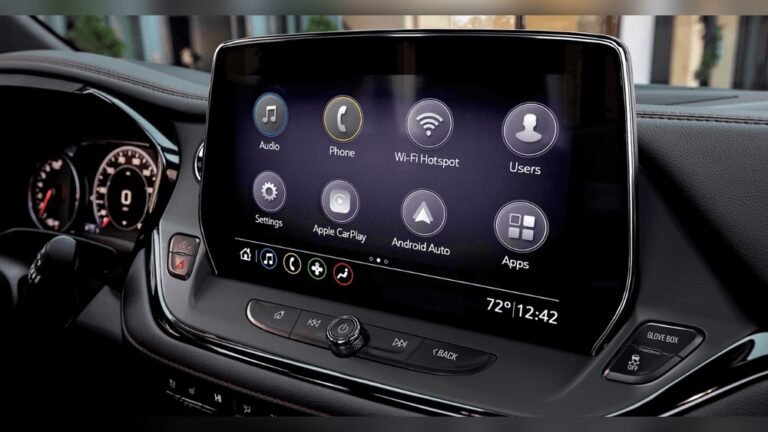
- Connectivity: Bluetooth, USB, AUX, and smartphone integration (Apple CarPlay, Android Auto).
- Expandability: Some units support adding a subwoofer or external amplifier.
Non-obvious insight: Pay attention to cooling. Built-in amps can get hot—good models have heat management to prevent damage.
Comparison: Built In Amplifier Vs. Separate Amplifier
Here’s a quick look at the main differences:
| Feature | Built-in Amplifier Stereo | Separate Amplifier |
|---|---|---|
| Installation | Easy, single unit | Requires more wiring, space |
| Sound Power | Good for most users | Best for high-power speakers/subs |
| Cost | Lower overall | More expensive (amp + install) |
| Space Needed | Dashboard only | Dash + trunk/under seat |
| Upgrade Options | Limited | Highly flexible |
Bottom line: For most people, a built-in amp stereo is powerful and easy. If you want competition-level bass, consider a separate amplifier.

Credit: www.amazon.com
Who Should Get A Car Stereo With Built In Amplifier?
This option is great for:
- Beginners who want better sound without technical hassle
- Drivers who don’t want to lose trunk or under-seat space
- Anyone on a budget looking for an upgrade
- People who mostly use factory or mild aftermarket speakers
If you want a big sound system with subwoofers and custom setups, you might need more power than a built-in amp offers.
Popular Brands And Models
Some well-known brands make high-quality built-in amp stereos:
- Pioneer (e.g., Pioneer DEH-X8800BHS)
- Kenwood (e.g., Kenwood Excelon KDC-X704)
- Sony (e.g., Sony MEX-XB100BT)
- JVC (e.g., JVC KD-X370BTS)
- Alpine (e.g., Alpine CDE-172BT)
These models offer between 40-100 watts RMS per channel. Some even have extra features like hands-free calling and app support.
Installation: What Beginners Should Know
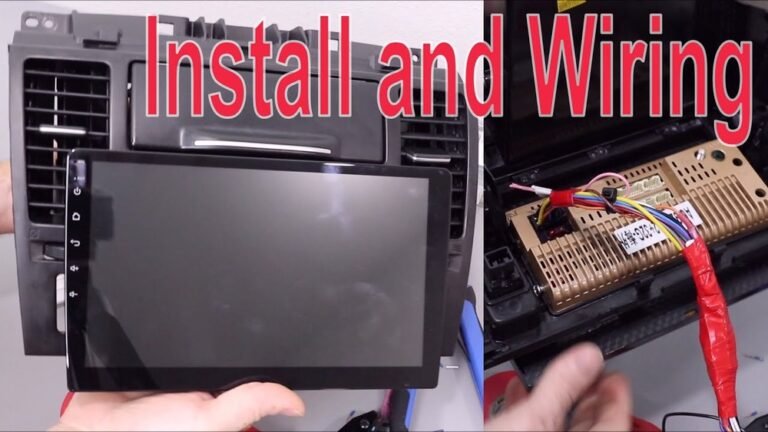
Most built-in amp stereos are designed for DIY installation, but some steps need careful attention:
- Check Fitment: Make sure the stereo matches your car’s dash (Single or Double DIN).
- Wiring Harness: Use a harness adapter for your car model. This avoids cutting factory wires.
- Speaker Wiring: The built-in amp needs good connections to your speakers for best sound.
- Antenna Adapter: Some cars need a special plug for the radio antenna.
- Secure Mounting: Use the supplied brackets to prevent rattles.
Common Mistake: Beginners often forget to disconnect the car battery before installation. Always do this to avoid short circuits.
Sound Quality: What To Expect
Upgrading to a built-in amp stereo delivers real improvements:
- Louder volume: You’ll hear music clearly, even with windows down.
- Cleaner sound: Highs and lows are more defined.
- Less distortion: Especially when you turn up the volume.
Example: If your speakers are rated for 50 watts RMS, pairing them with a 45-watt RMS built-in amp stereo lets you use their full potential.
But remember, very old or low-quality speakers may still limit the sound quality.
Real-world Performance: Data And Examples
To help you understand the difference, here’s a sample comparison:
| Stereo Type | Average RMS Power (per channel) | Max Loudness (dB) | Clarity at High Volume |
|---|---|---|---|
| Factory Stereo | 15 watts | 90 dB | Distorts easily |
| Built-in Amp Stereo | 45 watts | 100 dB | Stays clear |
| Stereo + External Amp | 100+ watts | 110 dB | Best clarity |
Key takeaway: For everyday driving, a built-in amp stereo gives you plenty of power and clarity without the extra cost or effort.
How To Choose The Right Model
When picking a car stereo with a built-in amp, consider these steps:
- Check Your Speaker Ratings: Match the stereo’s RMS power to your speaker’s RMS.
- Decide on Features: Touchscreen, Bluetooth, navigation, etc.
- Read Reviews: Look for comments about sound quality and reliability.
- Budget: Good built-in amp stereos range from $100 to $350.
Pro tip: Buy from a trusted retailer that allows returns. Some dashboards need special kits for installation.
Common Mistakes To Avoid
Even beginners can get great results by avoiding these pitfalls:
- Ignoring RMS Power: Don’t choose by “peak power”—it’s not real-world volume.
- Overpowering Speakers: Too much amp power can damage small speakers.
- Skipping Heat Management: If your stereo gets hot, it may shut down or distort sound.
- Not Securing Wiring: Loose wires can lead to poor sound or electrical problems.
- Forgetting Software Updates: Some models let you update for bug fixes and new features.
When You Might Need More Than A Built In Amp
While built-in amps are great for most users, you may need a separate amplifier if:
- You want to install a large subwoofer
- Your speakers need more than 50 watts RMS
- You want to power more than four speakers
- You are building a competition-level audio system
For most drivers, though, the built-in amp offers the best balance of sound quality, simplicity, and price.
Maintenance And Troubleshooting
These stereos require little maintenance, but here are some tips:
- Keep Vents Clear: Don’t block the stereo’s airflow.
- Check Connections: If sound cuts out, check the wiring first.
- Use Quality Files: High-quality MP3s or streaming sound better than low-bitrate music.
- Firmware Updates: If available, keep your stereo software updated for best performance.
If you hear distortion, check your speaker settings and make sure you are not pushing the volume too high for your system.
Environmental And Power Use Considerations
Most built-in amp stereos are energy efficient. They do not drain the battery quickly unless played at maximum volume for long periods with the engine off.
A key benefit: you keep your car’s interior cleaner and more organized, with less wiring and fewer bulky components.
The Future Of Car Stereos With Built In Amplifiers
Technology is improving quickly. Newer models offer:
- Wireless Apple CarPlay and Android Auto
- Voice control
- Adaptive sound settings
- Advanced heat management
Companies continue to make built-in amps more powerful and efficient. This means, for most car owners, the need for a separate amplifier is going down unless you are an audiophile or need extreme bass.
For more on the latest car audio trends and technology, check out this comprehensive guide.
Frequently Asked Questions
What Is The Difference Between Rms And Peak Power?
RMS power is the real, continuous power your stereo can deliver. Peak power is the maximum it can handle for a short time. Always choose a stereo based on RMS, not peak power, for realistic performance.
Can I Add A Subwoofer To A Stereo With A Built-in Amplifier?
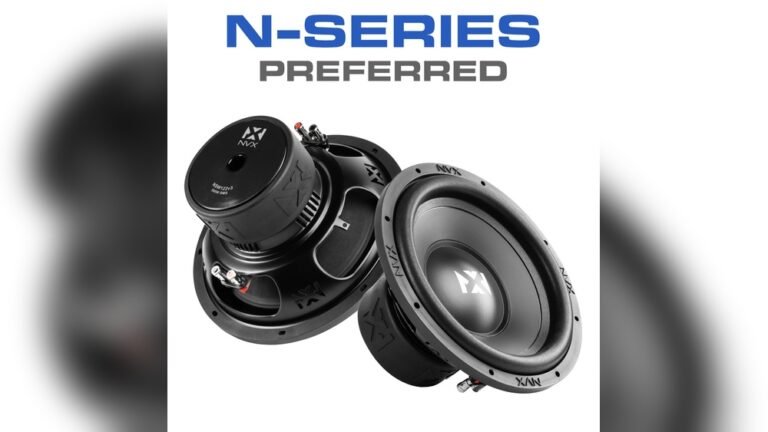
Yes, many built-in amp stereos have a dedicated subwoofer pre-out. This lets you add a powered subwoofer for extra bass. For very large subwoofers, a separate amplifier may be better.
Will A Built-in Amp Stereo Work With Factory Speakers?
In most cases, yes. Upgrading to a built-in amp stereo can improve the sound of factory speakers. If your speakers are old or damaged, you’ll get even better results by upgrading them too.
Do I Need Special Wiring For A Built-in Amplifier Stereo?
Usually, no. Most built-in amp stereos use the same wiring as regular units. However, using a wiring harness adapter makes installation easier and avoids cutting factory wires.
Is A Built-in Amplifier Stereo Better Than A Factory System?
For most cars, yes. Factory systems are built for cost, not performance. A built-in amp stereo gives you more power, better sound, and more features in a similar space.
Upgrading to a car stereo with built in amplifier is one of the best ways to improve your driving experience without a complicated installation. With more power, better sound, and modern features, it’s a smart choice for anyone who loves music on the road. Pick the right model, follow basic installation tips, and enjoy a new level of sound in your car.

Credit: www.atotodirect.com