Truck Amp Rack Ideas: Maximize Space and Boost Audio Quality
If you love music in your truck, you know how important your sound system is. A great amp rack makes your truck audio experience much better. But building or choosing the right amp rack can be confusing, especially if you’re new to car audio. There are so many options, ideas, and mistakes you can make.
This guide will show you practical and creative truck amp rack ideas. You’ll learn what works, what to avoid, and how to plan the perfect amp rack for your truck. Whether you want a simple setup or a custom showpiece, you’ll find the answers here.
Why Truck Amp Racks Matter
An amp rack is the place where you mount your amplifier in your truck. It’s not just about looks. A good amp rack will:
- Protect your amp from damage, dirt, and moisture
- Keep wiring neat and safe
- Save space in your truck
- Improve cooling so your amp doesn’t overheat
- Make upgrades easier later
A poor amp rack can cause overheating, wire mess, or even amp failure. That’s why planning your amp rack is important—even for a simple sound system.
Common Types Of Truck Amp Racks
There’s no one-size-fits-all design. Trucks come in many shapes and sizes, and so do amp racks. Here are the most popular types:
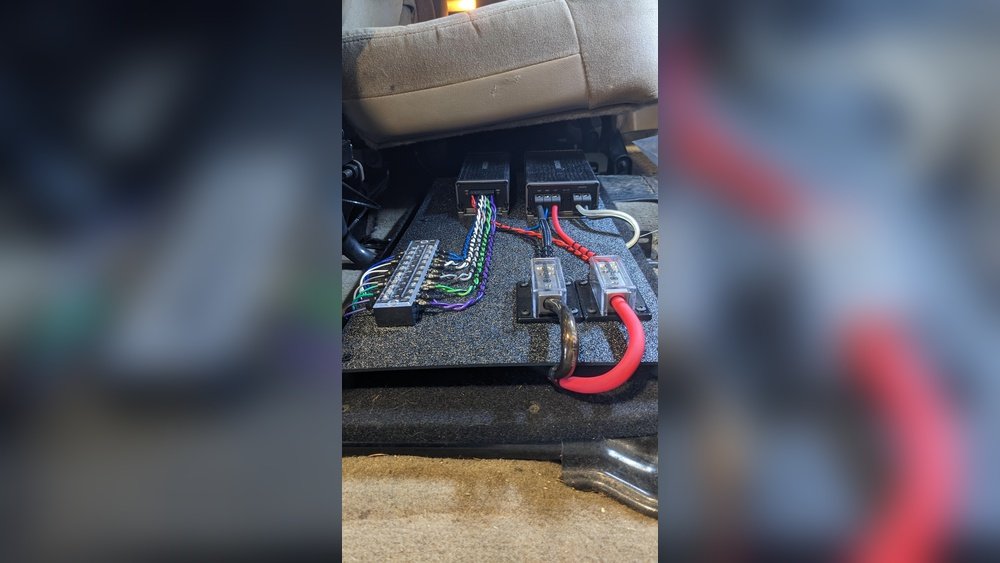
Under-seat Amp Racks
Many truck owners put their amp under a seat. This keeps it out of sight and saves space.
Pros:
- Hidden from view
- Uses space you rarely use
- Short wire runs to speakers
Cons:
- Can get hot with poor airflow
- Hard to access for adjustments
Tip: Use a cooling fan or space the amp off the carpet to help with heat.
Behind-the-seat Racks
If your truck has a back bench or extra cab, behind-the-seat racks are common.
Pros:
- Easy access for wiring and adjustments
- Good airflow if installed correctly
- Keeps the floor clear
Cons:
- May reduce seat movement
- Visible to thieves if you don’t cover it
Example: Many full-size pickups like the Ford F-150 or Chevy Silverado have enough space behind the rear seats for a strong, secure rack.
Custom Enclosure Racks
Some people build the amp rack into a custom subwoofer box or side panel.
Pros:
- Looks professional and clean
- Can match your truck’s interior style
- Maximum use of space
Cons:
- Takes time and skill to build
- Harder to move or change later
Data: Custom racks can cost from $100 (DIY materials) to over $1,000 (professional shop).
Bed-mounted Racks
For trucks with toolboxes or covered beds, you can mount amps in the bed.
Pros:
- Keeps cab clutter-free
- Great for show trucks or work trucks
- Easy to add more amps later
Cons:
- Needs waterproofing
- Longer wire runs (can lose power if wires are too thin)
Practical Tip: Use marine-grade amps if you mount equipment in the bed.

Credit: www.youtube.com
Key Things To Consider Before Building
Before you choose a design, answer these questions:
- How many amps? More amps need more space and cooling.
- What space is available? Measure carefully before buying materials.
- How will you access your amp? Can you reach the settings without removing the seat or panel?
- Is cooling enough? Amps need airflow, especially in closed spaces.
- Will you upgrade later? Leave space for future amps or bigger wiring.
Many beginners forget to plan for upgrades. It’s cheaper and easier to leave extra room now than to rebuild later.
Materials For Building An Amp Rack
What you use to build your amp rack matters for strength, weight, and safety.
Common Materials
- Plywood: Cheap, strong, easy to cut. Use 3/4″ thick for heavy amps.
- MDF (Medium Density Fiberboard): Great for custom boxes, smooth for carpet or paint.
- ABS Plastic: Lightweight and water-resistant, but more expensive.
- Metal: Use aluminum for strength and cooling. Steel is heavy but strong.
Important: Never use particle board—it absorbs moisture and falls apart.
Hardware
- Wood screws or bolts for mounting to the truck
- Velcro straps for easy removal
- Rubber grommets for wire holes (protects wires from cuts)
- Fans or vents for cooling

Credit: www.reddit.com
Simple Diy Truck Amp Rack Example
Here’s a basic step-by-step for a beginner-friendly under-seat amp rack:
- Measure the space under your seat. Allow at least 1 inch of air gap above the amp.
- Cut a piece of 3/4″ plywood to size.
- Cover the wood with trunk carpet or paint for a clean look.
- Mount the amp using screws or bolts. Leave room for wires.
- Drill holes for wire entry—use rubber grommets.
- Test fit the rack under the seat before wiring everything.
- Secure the rack to the floor using self-tapping screws or L-brackets.
Bonus Tip: Add a small computer fan (12V) if the space is tight. Connect the fan to your amp’s remote turn-on wire, so it runs only when the music is on.
Example: Comparison Of Amp Rack Locations
Here’s how common truck amp rack locations compare for space, cost, and difficulty:
| Location | Space Used | Cost | Install Difficulty | Cooling |
|---|---|---|---|---|
| Under Seat | Low | Low | Easy | Poor-Fair |
| Behind Seat | Medium | Medium | Medium | Good |
| Custom Enclosure | Variable | High | Hard | Excellent |
| Truck Bed | High | Medium-High | Medium | Excellent |
Smart Wiring And Safety Tips
Wiring is as important as the amp rack itself. Bad wiring can cause fires or damage your amp.
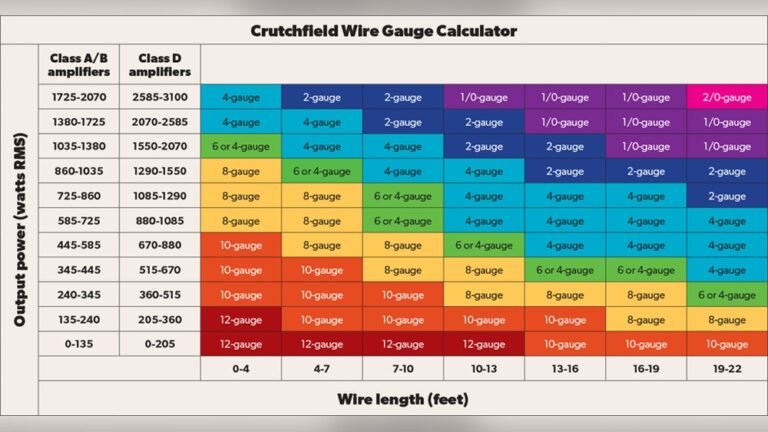
- Use thick power wire (at least 8-gauge for small amps, 4-gauge or thicker for big amps)
- Fuse the power wire within 18 inches of the battery
- Keep RCA and power wires apart to avoid noise
- Secure all wires to the rack with zip ties or clips
- Leave slack at connection points for vibration
Beginner Mistake: Many forget to sand off paint where the amp’s ground wire bolts to the truck. Always make sure the ground is metal-to-metal.
Creative Amp Rack Ideas For Trucks
Want your amp rack to stand out? Here are some creative ideas:
- LED lighting: Add LED strips under or around the amp for a custom glow.
- Acrylic panels: Use clear or colored acrylic to show off your wiring.
- Logo engraving: CNC cut your truck’s logo or your name into the rack.
- Quick-release mounts: Use fasteners so you can remove the amp in seconds.
- Hidden compartments: Build the amp rack inside a toolbox or fake floor.
Real-world example: Show trucks at events like SEMA often use lit acrylic amp racks with color-changing LEDs and laser-cut graphics. You don’t need to go that wild, but a simple LED strip can make your rack look special at night.
Common Beginner Mistakes To Avoid
If you’re new to amp racks, avoid these errors:
- Overheating amps: Too little airflow is the #1 beginner mistake. Always allow ventilation.
- Loose mounting: Never just lay the amp on carpet. It can slide, vibrate, and damage wires.
- Too-short wires: Leave enough length for service or upgrades.
- Skipping fuses: Every power wire needs a fuse—no exceptions.
- Blocking seat movement: Always test the seat’s full range before final install.
Many beginners also forget to plan for future upgrades. It’s smart to run thicker wires and leave extra space, even if you only use one amp now.
Budgeting For Your Amp Rack
How much should you expect to spend? Here’s a general price guide:
| Type | Materials Cost | Labor Cost (DIY) | Labor Cost (Shop) |
|---|---|---|---|
| Basic Under-Seat | $15–$40 | 2–3 hours | $80–$150 |
| Behind-Seat | $25–$60 | 3–5 hours | $120–$200 |
| Custom Enclosure | $50–$200 | 8+ hours | $250–$700 |
| Bed-Mounted | $40–$120 | 4–6 hours | $150–$400 |
Cost-saving tip: Many local car audio shops offer free advice if you buy your amp from them. Also, check out forums like DIY Mobile Audio for more ideas.

Credit: www.reddit.com
Choosing Between Prefab And Custom Amp Racks
You can buy ready-made amp racks or build your own. Which is better for you?
Prefab (pre-made) Amp Racks
- Fast to install
- Guaranteed fit for popular trucks
- Limited style options
Custom Amp Racks
- Fits your exact needs
- Personal style
- Takes more time and skill
Insider insight: If you want a simple setup, prefab racks are fine. But for more than one amp or a unique look, custom is best.
How To Make Your Amp Rack Last
A good amp rack should last as long as your truck. Here’s how to keep it in top shape:
- Check screws and mounts every few months
- Clean dust and dirt off the amp with a soft brush
- Inspect wires for wear or loose connections
- Re-carpet or repaint if needed
If you plan to sell your truck, a neat amp rack can even add value.
Frequently Asked Questions
What Is The Best Place To Mount An Amp In A Truck?
The best place depends on your truck and needs. Under-seat works well for single amps and keeps things hidden. Behind the seat offers better airflow and easier access. For show trucks or large systems, custom enclosures or bed mounting are good choices.
How Do I Keep My Amp From Overheating?
- Leave at least 1 inch of space above and around the amp
- Use a small 12V fan if needed
- Avoid putting the amp near heat sources or in sealed boxes without vents
Can I Install An Amp Rack Myself?
Yes! Many beginners build their own amp racks with simple tools like a saw, drill, and screwdriver. Start with an under-seat rack if you’re new, and follow safety tips for wiring and mounting.
Do I Need Special Tools Or Materials?
Not always. For most racks, you need basic wood, screws, and carpet. If you want a custom look, you might need a jigsaw, router, or fiberglass kit. Always use safe, non-flammable materials.
Are There Ready-made Amp Racks For My Truck?
Many popular trucks have prefab amp racks available. Check brands like Metra, AudioControl, or look on car audio forums for recommendations. Custom racks are best if you have special needs or want a unique look.
A well-designed truck amp rack keeps your system safe, cool, and looking sharp. If you plan your install, use quality materials, and avoid common mistakes, your amp rack will serve you for years. With the right idea and a bit of effort, you can enjoy powerful sound and a clean setup every time you hit the road.