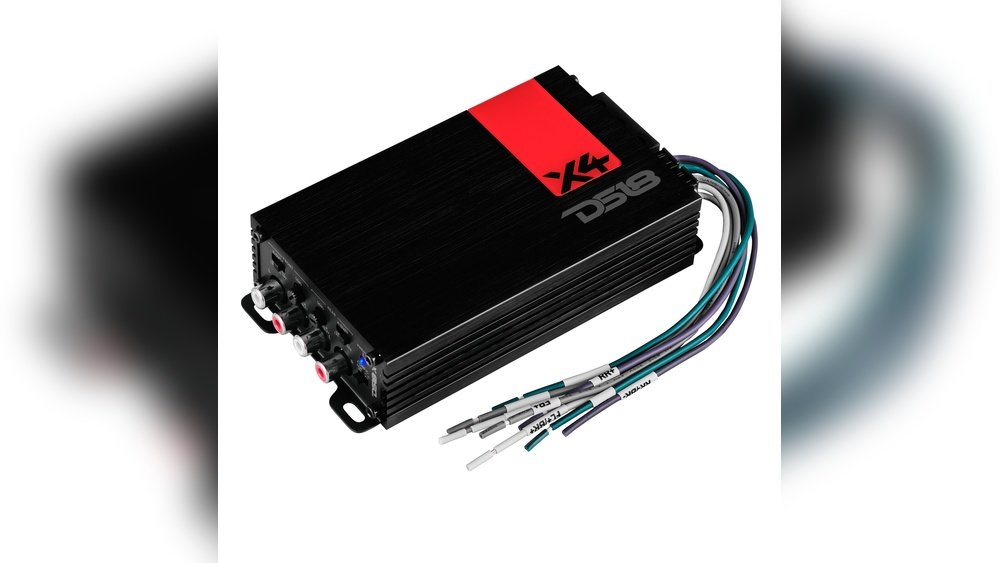
Mini 4 Channel Car Amplifier: Boost Your Car Audio Experience
A mini 4 channel car amplifier is a powerful tool for anyone who wants better sound in their vehicle. Many people feel their factory car stereo is too weak. Music can sound flat, and speakers might not reach their full potential. A mini 4 channel amplifier changes this experience. It makes audio louder, clearer, and more enjoyable, even in small cars with limited space.
This article explains what a mini 4 channel car amplifier is, how it works, and why it matters. You’ll learn about the four main types in detail, find practical data, and get expert tips. If you are new to car audio, don’t worry.
Everything is explained in clear, simple English. After reading, you’ll know how to choose the right amplifier and install it without common mistakes.
What Is A Mini 4 Channel Car Amplifier?
A mini 4 channel car amplifier is a compact device that boosts the power sent to your car’s speakers. “Mini” means the amplifier is small, so it fits into tight spaces. “4 channel” means it has four separate outputs. Each output, or channel, connects to one speaker. This setup is perfect for cars with four speakers—usually front left, front right, rear left, and rear right.
Why use one?
- Factory stereos send low power (often 10-20 watts per speaker).
- Good speakers need more power for strong sound and deep bass.
- An amplifier gives each speaker more clean power—usually 40-100 watts per channel.
Key benefits:
- Louder music without distortion.
- Better clarity, even at low volume.
- You can add a subwoofer later.
Typical uses:
- Upgrading factory audio.
- Powering aftermarket speakers.
- Creating a balanced front and rear sound.
How Does A 4 Channel Amplifier Work?
A 4 channel amplifier takes a weak audio signal and makes it strong enough to drive speakers. Each channel works independently. Here’s a simple step-by-step process:
- Audio Input: Signal comes from your car stereo (head unit) or an external audio source.
- Amplification: The amp increases the signal’s strength using internal electronics.
- Output: Stronger signals are sent to each of the four speakers.
- Controls: Most amps let you adjust gain (loudness), filters (bass/treble), and crossovers for better sound.
Example:
If your factory stereo sends 15 watts per channel and your new amp provides 60 watts per channel, that’s four times the power. This means music can be much louder and cleaner, especially when you turn up the volume.

Credit: www.down4soundshop.com
Common Features Of Mini 4 Channel Car Amplifiers
Not all amplifiers are the same. These are the most important features beginners should know:
- Size: Mini amps are smaller than standard models—often 6-8 inches long and 2-3 inches high.
- Power Output: Measured in watts per channel (RMS). More power means louder, clearer sound.
- Inputs: RCA (for aftermarket stereos) or high-level/speaker-level (for factory stereos).
- Adjustable Filters: High-pass and low-pass filters let you control which frequencies go to which speakers.
- Bridgeable Channels: You can combine two channels to power one stronger speaker, such as a subwoofer.
- Protection Circuits: Prevents overheating, overload, or short circuits.
- Signal-to-Noise Ratio: A higher number (e.g., 90dB+) means less background noise.
Did you know?
Many beginners forget to check input types. If your amp doesn’t match your stereo, you’ll need extra adapters.
The Four Main Types Of Mini 4 Channel Car Amplifiers
There are four main types based on their internal technology and use. Each type has strengths and weaknesses. Let’s break them down one by one.
1. Class Ab Mini 4 Channel Amplifier
Class AB amplifiers are very popular for car audio. They use analog circuits for smooth, warm sound.
Key strengths:
- Good sound quality—clean, natural audio.
- Low distortion, even at high volume.
- Handles both highs and lows well.
Weaknesses:
- Larger and heavier than other types.
- Produces more heat (less efficient).
Example:
A 50-watt RMS Class AB mini amp is perfect for basic upgrades. It fits under most car seats.
Practical tip:
Allow space for ventilation. Class AB amps can get hot, so don’t hide them in small, closed areas.
2. Class D Mini 4 Channel Amplifier
Class D amplifiers use digital technology for higher efficiency.
Key strengths:
- Smaller and lighter than Class AB.
- Runs cool—less heat, even at high power.
- Uses less battery power.
Weaknesses:
- May not sound as “warm” as Class AB.
- Can produce more distortion if poorly designed.
Example:
A Class D mini amp can fit in a glovebox and deliver 75 watts RMS per channel.
Data:
Class D amps are usually 80-90% efficient, compared to 50-60% for Class AB.
Beginner insight:
Class D is often the best choice for small cars or when space is very limited.
3. Bluetooth-enabled Mini 4 Channel Amplifier
This type of amplifier allows wireless music streaming from your smartphone or tablet.
Key strengths:
- No need for cables between your phone and stereo.
- Easy to play music from multiple devices.
- Great for modern vehicles or rentals.
Weaknesses:
- Slightly more expensive.
- Bluetooth audio can sometimes be lower quality than wired.
Example:
Connect your phone to the amp’s Bluetooth signal, then play Spotify or Apple Music directly.
Pro tip:
Some Bluetooth amps also have a microphone input for hands-free calls.
4. Marine-grade Mini 4 Channel Amplifier
Marine amplifiers are built to resist water, humidity, and dust. They are not just for boats—many car owners use them in off-road vehicles or convertibles.
Key strengths:
- Withstands moisture and extreme temperatures.
- Coated circuits prevent rust and short-circuits.
- Often more durable than standard amps.
Weaknesses:
- Usually cost more.
- May be larger due to protection layers.
Example:
If you live in a rainy area or drive with the windows down, a marine amp gives peace of mind.
Practical insight:
Always check the “IP rating” for water resistance. Higher numbers (like IP67) mean better protection.
Comparison: Class Ab Vs. Class D Mini 4 Channel Amplifiers
To help you compare the two most common types, here’s a side-by-side look:
| Feature | Class AB | Class D |
|---|---|---|
| Size | Medium | Smallest |
| Efficiency | 50-60% | 80-90% |
| Heat Output | More heat | Runs cool |
| Sound Quality | Very good | Good to very good |
| Price | Mid-range | Often higher |
How To Choose The Right Mini 4 Channel Car Amplifier
When buying a mini 4 channel amplifier, several factors matter. Here’s how to make a smart choice:
- Speaker Compatibility: Check your speakers’ power rating (RMS watts) and match the amp’s output. Too much or too little power can damage sound or hardware.
- Available Space: Measure where you want to install the amp. Mini amps fit under seats, inside gloveboxes, or in small trunk spaces.
- Stereo Connections: Make sure your amp has the right inputs for your head unit (RCA, high-level, Bluetooth).
- Efficiency: If your car battery is small or you often run accessories, choose a Class D amp for less power drain.
- Features: Look for adjustable filters, bridgeable channels, and protection circuits.
- Budget: Quality amps start around $60–$120 for basic models. High-end units can be $200+.
Beginner mistake:
Don’t buy the most powerful amp you can find. Too much power can blow factory speakers.

Credit: www.amazon.com
Installation Tips For Beginners
Installing a mini 4 channel car amplifier is easier than you think. Still, there are key steps and tips to follow:
- Read the Manual: Every amp is a bit different. Always follow the included instructions.
- Wiring Kit: Use a wiring kit with the correct gauge (thickness). Most mini amps need 8-gauge or 10-gauge wire.
- Fuse Holder: Place a fuse holder near the battery for safety.
- Speaker Wire: Use high-quality wire for the best sound.
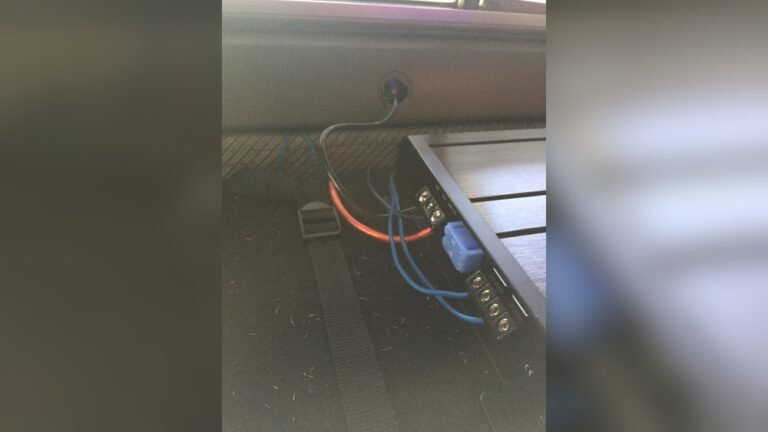
- Ground Connection: Attach the ground wire to bare metal, not to paint or plastic.
- Test Before Final Installation: Power up and test all channels before hiding wires.
Example:
A beginner often forgets to connect the remote turn-on wire. This wire tells the amp to turn on with the car stereo.
Real-world Application: Upgrading A Small Sedan
Let’s say you have a 2010 Toyota Corolla with basic factory audio. You want better sound but don’t want to lose trunk space. A mini 4 channel amp fits under the front seat. You connect all four speakers for balanced sound. After installation:
- Volume increases by 50% without distortion.
- Bass feels deeper, and vocals are clearer.
- You use only a small part of your trunk.
Data:
Many users report a 30-40% improvement in overall sound quality after upgrading to a mini amplifier.

Credit: us.amazon.com
Maintenance And Troubleshooting
A mini 4 channel amplifier needs little maintenance, but some problems can happen:
- Overheating: Make sure the amp has airflow. If it gets too hot, it may shut down.
- Noise or Hiss: Check ground wires and use shielded cables.
- No Sound: Double-check connections and fuses.
- Distortion: Adjust the gain; don’t set it too high.
Tip:
Clean amp terminals with a soft brush every few months to avoid corrosion.
Comparison: Bluetooth Vs. Wired Mini 4 Channel Amplifiers
Here’s a quick look at the differences between Bluetooth-enabled and standard wired models:
| Feature | Bluetooth | Wired Only |
|---|---|---|
| Music Source | Wireless (phone/tablet) | Wired (stereo) |
| Audio Quality | Good, sometimes less than wired | Best possible |
| Ease of Use | Very easy | Manual plug-in |
| Price | Higher | Lower |
| Extra Features | Hands-free calls, streaming | Basic music only |
Common Mistakes When Using Mini 4 Channel Amps
Many beginners make the same errors. Here are some to avoid:
- Wrong wire gauge: Thin wires can overheat and cause poor sound.
- Poor ground connection: Leads to noise and amp shutdown.
- Mismatched speakers: Using an amp that’s too powerful for factory speakers can damage them.
- No fuse protection: Always use a fuse to prevent fires.
Practical insight:
Test your system at low volume first, then increase slowly to avoid damage.
Where To Learn More
For more technical details, you can check guides on the Wikipedia Car Audio page.
Frequently Asked Questions
What Does “bridgeable” Mean In A 4 Channel Amplifier?
“Bridgeable” means you can combine two channels into one, making a more powerful output for a single speaker (like a subwoofer). This lets you power three speakers instead of four, or add a subwoofer for deep bass.
Can I Use A Mini 4 Channel Amplifier With Factory Speakers?
Yes, but check the power ratings. Most factory speakers handle 15-30 watts RMS. Set the amp’s gain low to avoid damaging the speakers.
Where Is The Best Place To Install A Mini Amplifier In My Car?
Popular spots are under the front seat, inside the glovebox, or in the trunk. Make sure there’s enough airflow to keep the amp cool.
How Do I Know If My Amplifier Is Powerful Enough?
Match the amp’s RMS power per channel to your speakers’ RMS rating. For example, if your speakers are rated for 50 watts RMS, get an amp that provides 40-60 watts RMS per channel.
Does A Mini 4 Channel Amp Drain My Car Battery?
Mini amps use little power when installed correctly. A Class D model is most efficient. If you leave the amp on while the car is off, it can drain the battery—always use the remote turn-on wire.
A mini 4 channel car amplifier is one of the best upgrades for better sound in your vehicle. With the right type and correct setup, you’ll enjoy louder, richer music every day. Remember these tips, compare your options, and choose an amp that fits your car and your needs.
This small device can make a big difference in your driving experience.