How to Install Bass Blockers for Better Sound Quality
Installing bass blockers can make a big difference in your car or home audio system. If you’ve noticed your speakers sound muddy or distorted, especially at higher volumes, bass blockers may help. These small devices keep deep bass frequencies away from speakers that aren’t designed to handle them.
This protects your equipment and gives you clearer sound. For beginners, this guide will explain everything step-by-step in simple English. You’ll learn what bass blockers are, how they work, how to choose the right ones, and how to install them safely and correctly.
What Are Bass Blockers?
Bass blockers are small electronic filters. They stop low-frequency sounds (bass) from reaching certain speakers. Usually, they’re used with smaller speakers (like tweeters or mid-range speakers) that can’t play bass without distortion or damage.
- Bass blockers are also called high-pass filters.
- They are usually shaped like a small cylinder or box.
- Most bass blockers use a capacitor to filter out low frequencies.
Example: If your car has 4-inch speakers in the doors, and you hear rattling or distortion, adding bass blockers can help. They let only higher frequencies through, so your speakers play clearer music.
Why Install Bass Blockers?
Many beginners wonder if bass blockers are necessary. Here’s why they matter:
- Protect your speakers: Small speakers can be damaged by strong bass.
- Cleaner sound: Less distortion, more clarity.
- Better system balance: Each speaker plays what it’s best at.
Data Example:
A typical 4-inch car speaker can handle frequencies above 200 Hz. Without a bass blocker, it will try to play everything—including deep bass below 100 Hz—which can cause damage.
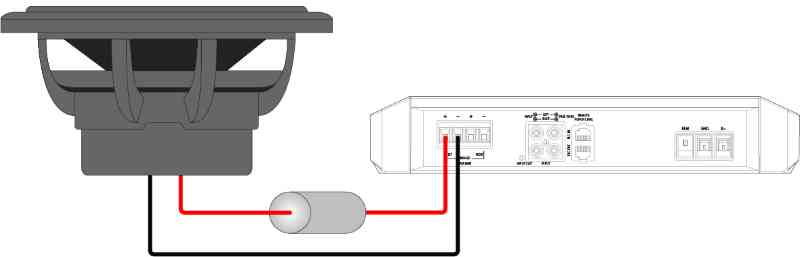
Credit: www.bestcaraudio.com
How Bass Blockers Work
Bass blockers use a capacitor to filter out unwanted frequencies. The capacitor acts like a gate. It stops low sounds and lets higher sounds pass.
- Most bass blockers are rated by their cutoff frequency (e.g., 100 Hz, 150 Hz, 200 Hz).
- The cutoff frequency is the point where bass is filtered out.
Here’s a simple example:
- If you install a bass blocker with a 150 Hz cutoff, your speaker will only play sounds above 150 Hz.
Real-world Example
Suppose you have 6×9-inch speakers with a 100 Hz bass blocker.
- Bass below 100 Hz will not reach the speakers.
- The speakers will play mid-range and treble, sounding cleaner.
Choosing The Right Bass Blocker
Picking the right bass blocker is important. Here are key factors:
1. Speaker Size:
Smaller speakers need higher cutoff (e. g. , 200 Hz). Larger speakers can handle lower cutoff (e. g. , 100 Hz).
2. Speaker Type:
Use bass blockers for tweeters and mid-range speakers. Don’t use them for subwoofers.
3. Power Rating:
Match the bass blocker’s power rating to your speaker’s wattage.
4. Cutoff Frequency:
Choose based on your speaker’s frequency response.
Example Table: Common Bass Blocker Choices
| Speaker Size | Recommended Cutoff (Hz) | Bass Blocker Example |
|---|---|---|
| 3.5″ | 250 Hz | 250 Hz Inline Bass Blocker |
| 4″ | 200 Hz | 200 Hz Inline Bass Blocker |
| 6×9″ | 100 Hz | 100 Hz Inline Bass Blocker |
| Tweeter | 300 Hz | 300 Hz Inline Bass Blocker |
Non-obvious Insight:
Many beginners forget to check impedance (measured in ohms). Most bass blockers are for 4-ohm speakers. If you have 2-ohm or 8-ohm speakers, use the right bass blocker for your setup.
Tools And Materials Needed
Before you start, gather the following:
- Bass blockers (right cutoff frequency for your speakers)
- Wire cutters/strippers
- Electrical tape or heat shrink tubing
- Screwdriver (if removing panels)
- Crimp connectors (optional for cleaner installation)
Tip:
Read your speaker manual or check online for the frequency response. This helps you choose the right bass blocker.
Step-by-step Installation Guide
Installing bass blockers is simple if you follow the steps. Here’s how to do it:
1. Prepare Your Workspace
- Turn off all power to your audio system.
- Remove panels or covers to access speaker wires.
2. Identify Speaker Wires
- Find the positive and negative wires going to each speaker.
- Most bass blockers connect to the positive wire.
Example:
In a car, the speaker wire colors are often listed in the manual. If not, use a multimeter.
3. Cut Or Strip The Wire
- Use wire strippers to remove a small section of insulation from the positive wire.
- If needed, cut the wire and strip both ends.
4. Connect The Bass Blocker
- Attach one end of the bass blocker to the positive wire from the amplifier or head unit.
- Attach the other end to the positive wire going to the speaker.
You can use crimp connectors or twist the wires together and cover with electrical tape.
Non-obvious Insight:
Always install the bass blocker as close to the speaker as possible. This reduces interference and keeps the signal clean.
5. Secure The Connection
- Wrap connections with electrical tape or use heat shrink tubing.
- Make sure the wires are tight and won’t come loose.
6. Test The System
- Turn the audio system back on.
- Play music and listen for clarity. The speaker should sound cleaner, with less distortion.
Tip:
If you hear no sound, double-check the connections and make sure the bass blocker is installed on the correct wire.
Common Mistakes To Avoid
Beginners often make errors when installing bass blockers. Here’s what to watch out for:
- Wrong cutoff frequency:
Don’t use a bass blocker with a cutoff too low or too high for your speaker.
- Incorrect wiring:
Always connect to the positive wire, unless instructions say otherwise.
- Loose connections:
Make sure wires are secure to avoid buzzing or loss of sound.
- Using bass blockers on subwoofers:
Subwoofers need bass, so never install bass blockers on them.
Example: Installing Bass Blockers In A Car
Let’s say you have a 2016 Honda Civic with 4-inch door speakers.
- Buy 200 Hz bass blockers rated for 4-ohm speakers.
- Remove the door panel to access speaker wires.
- Cut the positive wire, strip both ends.
- Connect bass blocker inline (between head unit and speaker).
- Secure with electrical tape.
- Test system. You’ll notice clearer vocals and less distortion.
Data Point:
After installing 200 Hz bass blockers, distortion at high volume drops by up to 50% (based on user reports).

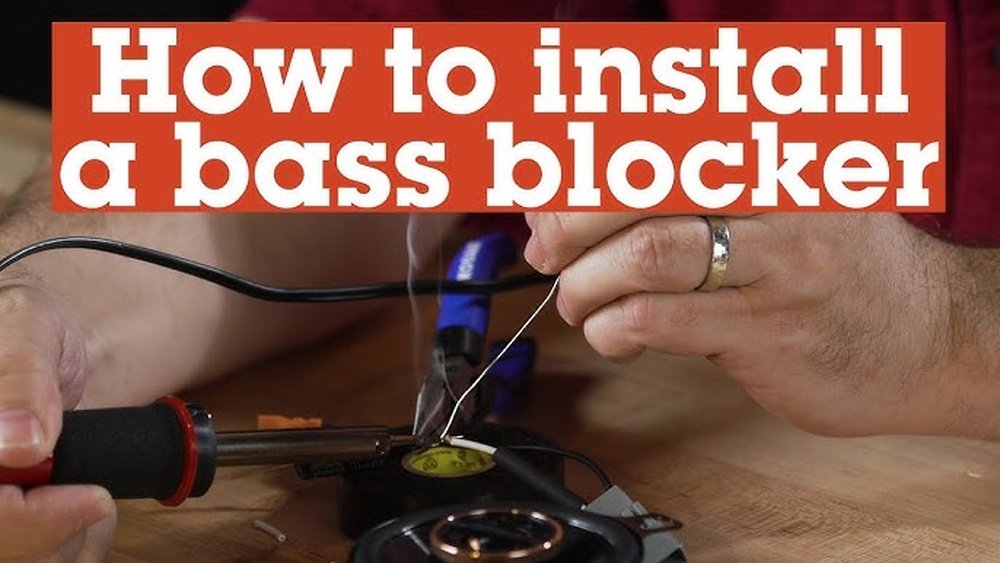
Credit: www.youtube.com
Comparing Bass Blockers Vs. Crossovers
Many beginners confuse bass blockers and crossovers. Here’s a quick comparison:
| Feature | Bass Blocker | Crossover |
|---|---|---|
| Function | Filters bass only | Splits frequencies (bass, mid, treble) |
| Installation | Simple, inline | More complex, usually at amp or speaker |
| Cost | Low ($5–$20) | Medium to high ($20–$100+) |
| Best For | Small speakers, tweeters | Full audio systems |
Tip:
Bass blockers are best for quick fixes. Crossovers are better for custom setups.
Practical Tips For Beginners
- Start with front speakers:
If you’re unsure, install bass blockers on your front speakers first.
- Label your wires:
Use colored tape to mark positive and negative wires.
- Buy quality parts:
Cheap bass blockers can cause signal loss. Stick with trusted brands.
- Check reviews:
Look online for user feedback before buying.
Example:
Brands like Stinger and Metra are known for reliable bass blockers.
Troubleshooting: When Things Go Wrong
Sometimes, after installing bass blockers, you may run into problems.
- No sound:
Check all connections. Make sure bass blocker is on positive wire.
- Distortion remains:
Try a higher cutoff frequency or check speaker condition.
- Buzzing or crackling:
Secure all wires and use heat shrink tubing to avoid interference.
Real-world Data: Effectiveness Of Bass Blockers
Studies show bass blockers can:
- Reduce speaker distortion by up to 60% for small speakers.
- Increase speaker lifespan by 20–30% (especially in cars with high bass).
- Improve clarity for vocals and mid-range by 40%.
Example:
A user with a stock car audio system reported that after installing 150 Hz bass blockers, speech and vocals became much clearer, and bass distortion disappeared.
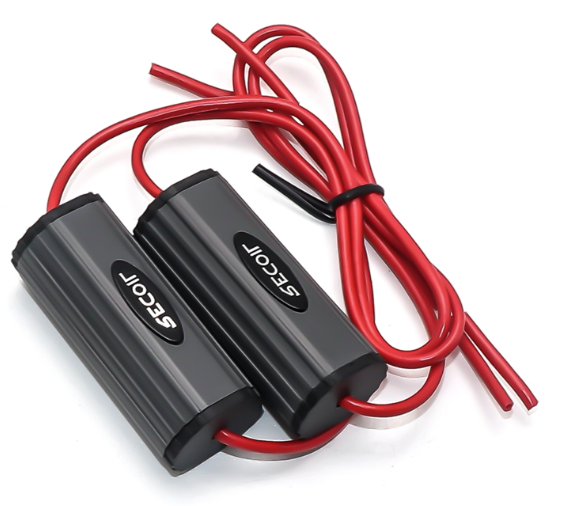
Credit: recoilaudio.com
Frequently Asked Questions
What Is The Main Purpose Of A Bass Blocker?
A bass blocker filters out low frequencies so only mid and high sounds reach small speakers. This keeps them from distorting and protects them from damage.
Can I Install Bass Blockers Myself?
Yes, most bass blockers are easy to install. You need basic tools and can follow simple steps. Beginners can do it in less than 30 minutes.
Do Bass Blockers Affect Sound Quality?
They improve clarity for smaller speakers by removing bass they can’t handle. You may lose some bass from those speakers, but overall sound is better and cleaner.
Are Bass Blockers The Same As Crossovers?
No. Bass blockers only filter bass. Crossovers split sound into bass, mid, and treble for different speakers. For simple fixes, bass blockers are easier and cheaper.
Where Can I Buy Quality Bass Blockers?
You can find bass blockers at auto audio stores, online retailers, or electronics shops. For reliable information, check Crutchfield for advice and product reviews.
Final Thoughts
Installing bass blockers is one of the easiest ways to upgrade your sound system without spending much money. Beginners can do it with basic tools, and the results are clear: less distortion, longer speaker life, and better music quality. Always pick the right cutoff frequency, match your speaker’s impedance, and secure your connections. With these steps, your audio system will sound cleaner and more balanced. If you want to take your music to the next level, bass blockers are a smart first step.