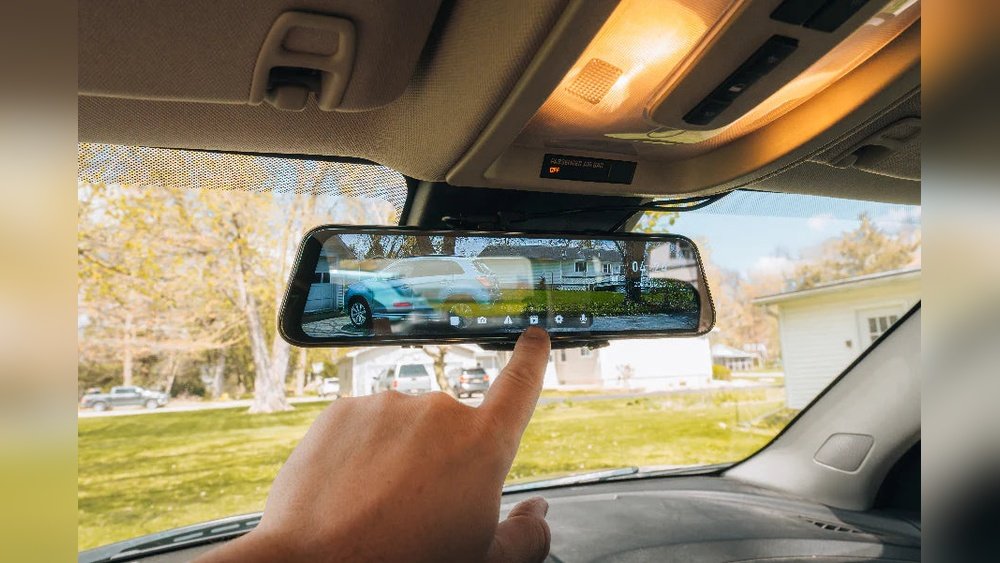
How Do Dash Cams Work: Everything You Need to Know
How Do Dash Cams Work
People often see small cameras stuck to car windshields and wonder, “How do dash cams work? ” Dash cams, or dashboard cameras, are simple but powerful devices that record what happens on the road. These cameras are becoming popular for drivers who want proof in accidents, or who simply want to feel safer while driving.
This guide will break down how dash cams operate, what to look for when buying one, and the key features that make them useful.
What Is A Dash Cam?
A dash cam is a small video camera designed to record everything that happens in front of (and sometimes behind) your car. It’s usually mounted on the windshield or dashboard. Most dash cams start recording as soon as you start your car, and stop when the car is turned off.
Common uses for dash cams include:
- Recording accidents for insurance claims
- Capturing road trips and scenery
- Monitoring parked vehicles for theft or damage
How Dash Cams Record Video
Dash cams use a combination of camera lens, image sensor, and memory card to capture and store video footage.
Here’s how the process works:
- The camera lens focuses light onto the image sensor.
- The image sensor converts light into a digital video signal.
- The video is saved on a memory card (usually microSD).
Most dash cams record in short clips, usually 1-5 minutes long, to make files easy to manage. When the memory card is full, the camera uses loop recording to overwrite the oldest files with new footage.
Example: Video Quality Comparison
Not all dash cams record at the same quality. Here’s a simple comparison:
| Resolution | Details Captured | Storage Needed (1 Hour) |
|---|---|---|
| 720p (HD) | Basic (license plates may be blurry) | ~1 GB |
| 1080p (Full HD) | Good (license plates usually clear) | ~2 GB |
| 4K (Ultra HD) | Excellent (very clear details) | ~6 GB |
Higher resolution means sharper video, but it also fills up your memory card faster. Most drivers find 1080p is the best balance.
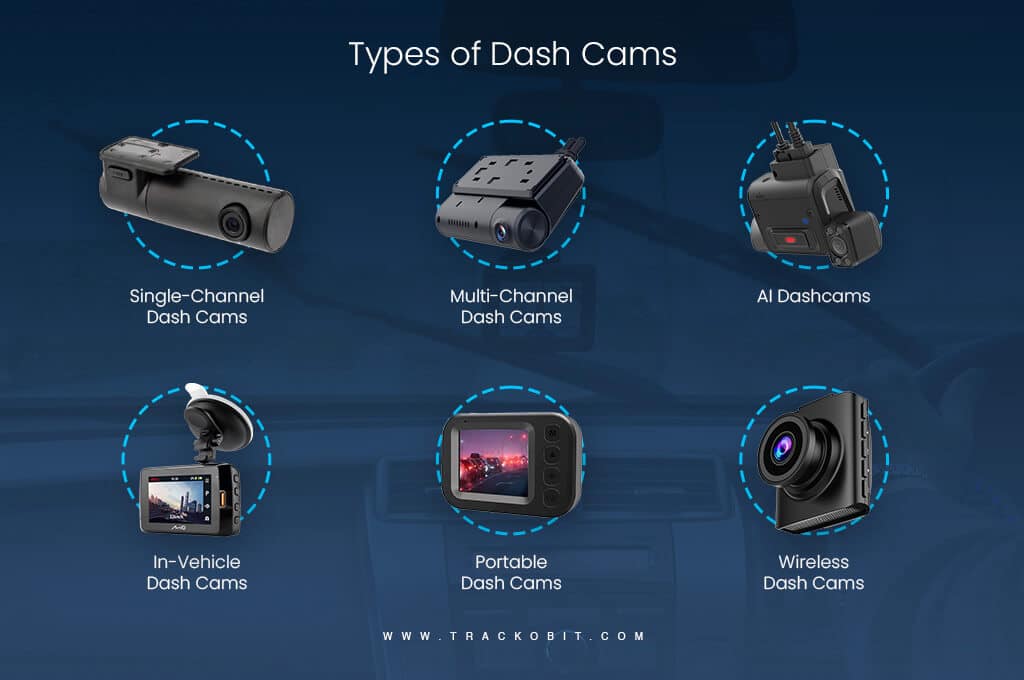
Credit: trackobit.com
Key Features Of Modern Dash Cams
Dash cams have improved a lot over the past few years. Today’s models offer more than just basic video recording.
Common Features
- G-Sensor: Detects sudden movements (like a crash) and saves the current video file, so it won’t be overwritten.
- Parking Mode: Records video or takes pictures when motion or impact is detected while your car is parked.
- GPS Logging: Records your speed and location along with video. Useful for insurance or legal cases.
- Dual Cameras: Some models record both the road and inside the car, or the rear view.
- Wi-Fi Connectivity: Allows you to view or download footage directly to your smartphone.
Data Example: Feature Comparison
Here’s a quick comparison of three popular dash cam features:
| Feature | Benefit | Drawback |
|---|---|---|
| G-Sensor | Protects important video | Can trigger on potholes |
| Parking Mode | Monitors car when parked | May need hardwiring |
| GPS Logging | Shows speed/location | May raise privacy concerns |
How Dash Cams Get Power
Dash cams need constant power to record. Most get power from your car’s 12V socket (the cigarette lighter port). Some models can be hardwired to the car’s fuse box for parking mode. A few have a built-in battery, but these usually only last a few minutes.
Hardwiring kits help the dash cam run when the engine is off, but should be installed by a professional to avoid battery drain.
Practical Uses And Real-world Examples
Dash cams are helpful in many everyday situations. For example:
- Accident evidence: If another car causes a crash, your dash cam footage can show exactly what happened.
- Insurance claims: Some insurers offer discounts if you have a dash cam.
- Protection from scams: In some countries, people fake accidents to get money. Dash cams can help prove your innocence.
- Recording road trips: Many people use dash cams to capture scenic drives or wildlife.
According to the UK’s RAC, nearly 1 in 4 drivers uses a dash cam, and dash cam footage has helped resolve thousands of insurance claims.
What To Consider When Buying A Dash Cam
Choosing the right dash cam can be confusing for beginners. Focus on these points:
- Video quality: At least 1080p for clear images.
- Night vision: Good image quality in low light.
- Storage capacity: 32GB cards are common, but 64GB or more is better for long trips.
- Reliability: Look for brands with good reviews.
- Ease of use: Simple controls and easy file access.
- Extra features: Decide if you need GPS, Wi-Fi, or dual cameras.
Example: Beginner Mistakes
Many new buyers make these mistakes:
- Buying low-resolution models to save money, then finding the footage is too blurry.
- Forgetting to check if the dash cam supports large memory cards.
- Ignoring battery or parking mode needs—then missing key moments when parked.
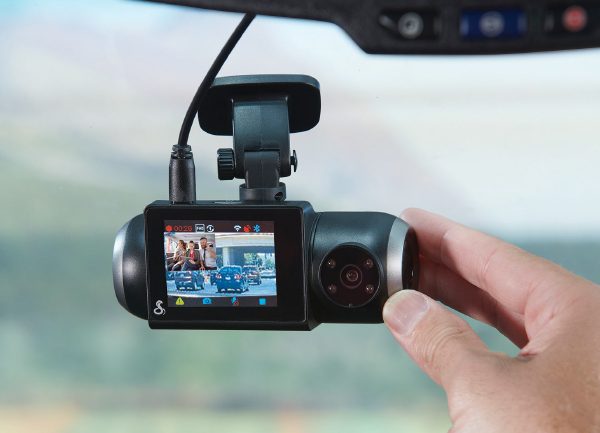
Credit: www.cobra.com
How To Set Up A Dash Cam
Setting up a dash cam is easy, but these steps help avoid problems:
- Choose a spot behind the rearview mirror, so it doesn’t block your view.
- Use the adhesive mount or suction cup to attach the camera.
- Run the power cable neatly around the windshield and down to the 12V socket.
- Insert a formatted microSD card.
- Adjust the camera angle—make sure it shows enough of the road.
- Test recording and playback to confirm everything works.
Some dash cams have screens for easy setup. Others use an app on your phone.
Data Table: Front Vs. Dual Dash Cams
Here’s a quick look at the main differences:
| Type | Coverage | Best For |
|---|---|---|
| Front-only | Records road ahead | Basic evidence, most drivers |
| Dual (front & rear) | Records front and back | Rideshare drivers, extra security |
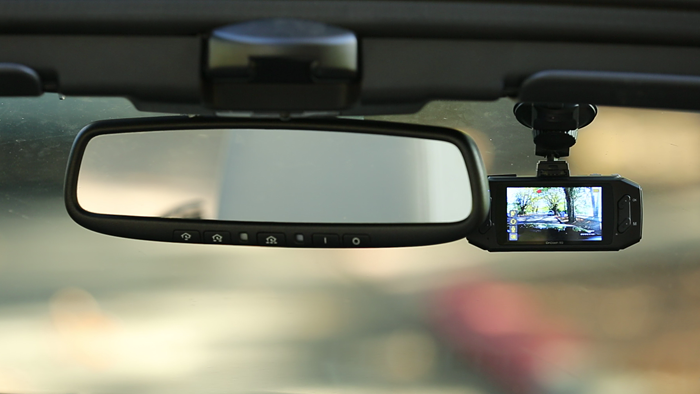
Credit: www.vortexradar.com
Frequently Asked Questions
What Happens When The Dash Cam Memory Card Is Full?
Most dash cams use loop recording. When the card is full, the oldest footage is deleted and replaced with new video. Important clips (like those triggered by the G-Sensor) are usually locked and not overwritten.
Can Dash Cams Record At Night?
Yes. Many dash cams have night vision or wide dynamic range (WDR) to improve video in low light. However, the quality depends on the camera’s sensor and lens.
Are Dash Cams Legal To Use?
Dash cams are legal in most countries, but some places have privacy laws about recording audio or video in public. Always check your local laws before using one. The Wikipedia Dashcam page explains legal issues in detail.
Do Dash Cams Record Sound?
Many dash cams have a built-in microphone and record audio by default. You can usually turn this feature off in the settings if you prefer.
How Long Does A Dash Cam Last?
A good dash cam can last 3–5 years or more. Memory cards wear out faster, so it’s smart to replace your card every year or two for best reliability.
Dash cams are simple tools that offer powerful protection and peace of mind for drivers. With the right features and a little setup, they can save you time, money, and stress on the road.