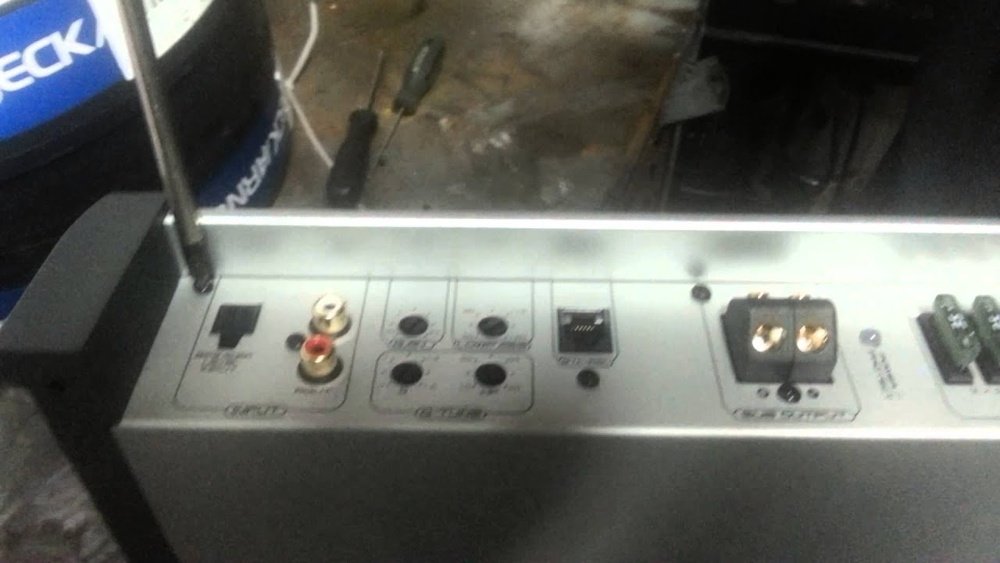
How Can You Tell If Your Amp Is Blown? Key Signs to Watch
How Can You Tell If Your Amp Is Blown
A good amplifier makes music sound clear and powerful. But when your amp is not working right, the sound can become weak or noisy. Many beginners wonder, “How can I tell if my amp is blown? ” In this guide, you’ll learn how to spot signs of a blown amp, what causes it, and what to do next.
You’ll also see clear examples, practical data, and simple explanations to help you understand your amp’s health—even if you’re new to audio gear.
What Does “blown” Mean For An Amp?
When people say an amp is “blown,” they usually mean it’s damaged and not working well. The damage can be small or big—sometimes the amp won’t turn on at all, other times it makes strange sounds. The most common reasons are:
- Overheating: Playing music too loud for too long.
- Short circuits: Wrong wiring or faulty cables.
- Physical damage: Dropping or hitting the amp.
- Electrical surges: Power spikes from outlets.
A “blown” amp might have damaged components inside, like transistors, capacitors, or the power supply. Sometimes only one part breaks, but it can affect the whole amp.
Common Symptoms Of A Blown Amp
You don’t need special tools to spot many signs of amp problems. Here are the most obvious symptoms beginners can check:
1. No Sound Output
- The most obvious sign is silence from your speakers.
- If your amp is on, but no music comes out, it may be blown.
- Try connecting different speakers to rule out speaker issues.
2. Distorted Or Fuzzy Sound
- Buzzing, crackling, or fuzzy audio is a warning sign.
- Music can sound weak, muffled, or “broken.”
- Distortion often gets worse as you turn up the volume.
3. Amp Won’t Turn On
- If the power light doesn’t come on, the amp may have a blown fuse or power supply.
- Double-check the outlet and power cable first.
4. Burning Smell Or Smoke
- Burning plastic or electrical smells are serious.
- If you see smoke, turn off and unplug the amp right away.
5. Lights Flicker Or Stay Off
- Most amps have indicator lights. If they flicker or stay off, there’s a problem.
- Sometimes lights work, but no sound comes out—this can still mean internal damage.
6. Amp Gets Hot Quickly
- If the amp is hot to touch after a few minutes, it may be overheating.
- Overheating can damage internal parts and lead to “blown” components.
7. Unusual Noises
- Listen for popping, clicking, or humming sounds.
- These can mean electrical problems inside the amp.
Credit: www.youtube.com
Practical Tests To Confirm Amp Problems
If you’re not sure, try these simple tests at home. They don’t need special tools or skills.
Swap Speakers And Cables
- Connect your amp to another speaker.
- Use a new cable if possible.
- If the problem stays, it’s likely the amp—not the speaker.
Test The Power Source
- Plug the amp into another power outlet.
- Check if the power light comes on.
- If not, the amp might have a blown fuse or power supply.
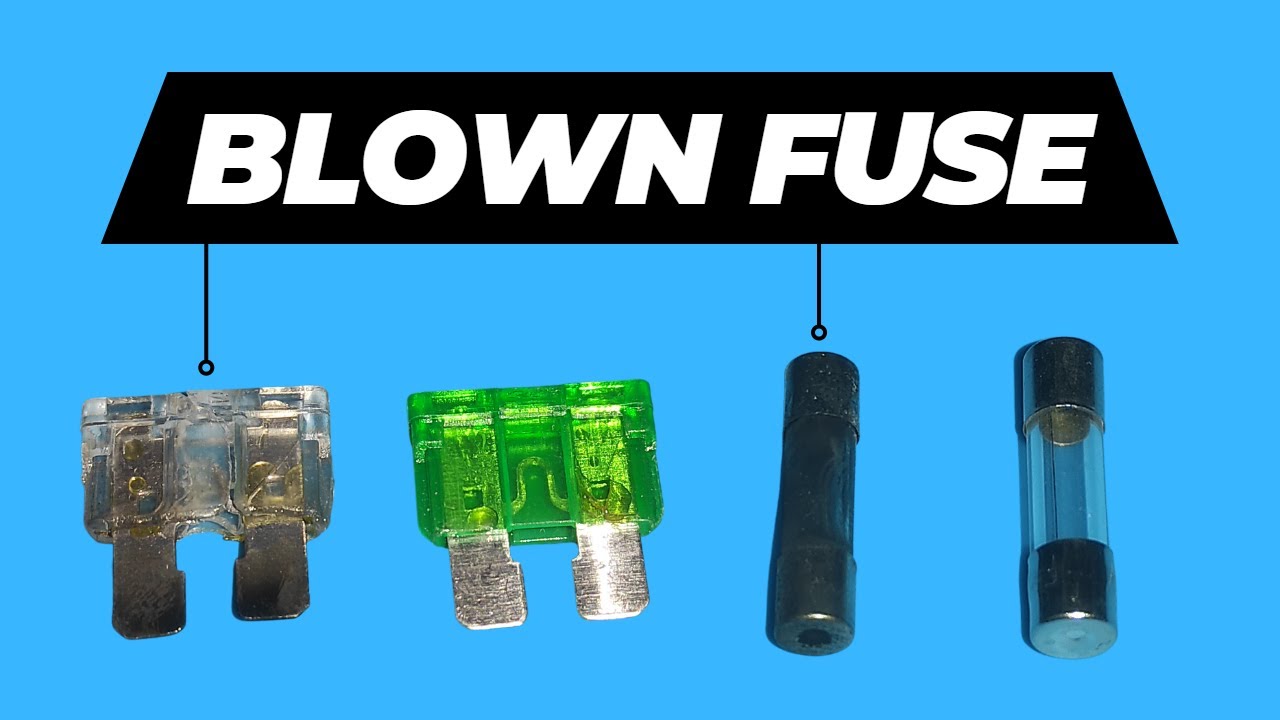
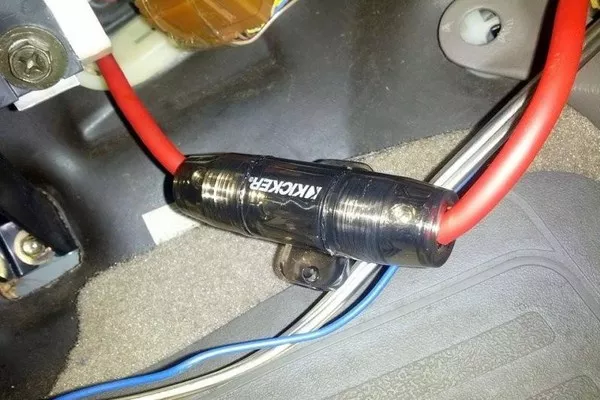
Check Fuses
- Most amps have a fuse inside or near the power socket.
- Turn off and unplug the amp before checking.
- If the fuse looks blackened or broken, replace it with the same type.
Listen At Low Volume
- Play music at a low volume.
- If you hear distortion or buzzing, the amp may have internal damage.
Visual Inspection
- Look for burned spots, melted parts, or loose wires.
- A burnt smell is a strong clue.
Common Causes Of Amp Failure
Understanding why amps fail helps you avoid future problems. Here are main causes:
- Overloading: Playing at high volume stresses the amp.
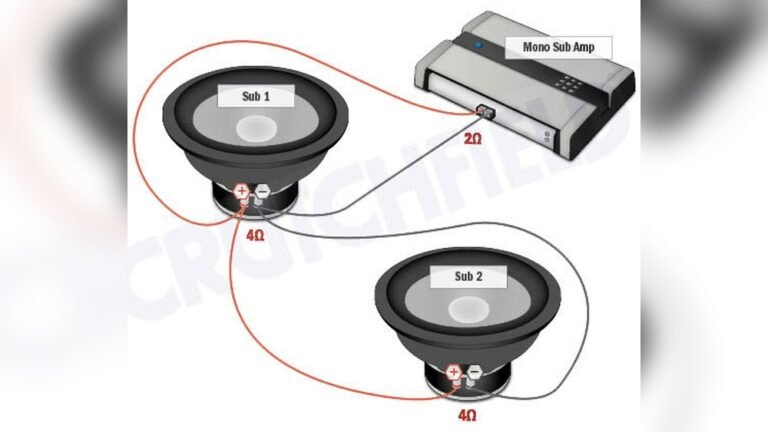
- Wrong wiring: Connecting speakers incorrectly can cause shorts.
- Bad power: Sudden power surges damage internal parts.
- Poor cooling: Blocked vents lead to overheating.
- Old age: Parts wear out over time, especially in cheap amps.
Example: Overloading
If your amp is rated for 100 watts but you use 200-watt speakers at full volume, the amp can overheat and fail.
| Cause | Impact | Common Symptom |
|---|---|---|
| Overloading | Internal parts overheat | Hot amp, no sound |
| Wrong wiring | Short circuit | Fuse blows, amp shuts off |
| Power surge | Damaged power supply | Amp won’t turn on |
| Poor cooling | Component failure | Burning smell, noise |
How To Diagnose A Blown Amp (beginner-friendly Steps)
You don’t need to be an expert. Follow these steps:
- Check Power: Is the amp plugged in and switched on?
- Test Speakers: Try another speaker and cable.
- Inspect Fuses: Find and check the fuse. Replace if needed.
- Look for Lights: Are indicator lights working?
- Listen for Sound: Is there any output, even faint?
- Smell for Burning: Any unusual smells or smoke?
- Touch for Heat: Is the amp hotter than usual?
Example: Step-by-step Test
Suppose your amp won’t make sound. Here’s a beginner’s checklist:
- Check that the power cord is secure.
- Try another outlet.
- See if the power light turns on.
- Connect headphones directly to the amp (if possible).
- Swap speaker cables.
- If nothing works, check the fuse.
If the fuse blows again after replacement, the amp likely has deeper damage.
Data: Amp Failure Rates
Studies show that about 10-15% of consumer amps fail within the first 3 years, mostly due to overheating and power surges.
| Failure Cause | % of Cases | Prevention |
|---|---|---|
| Overheating | 45% | Keep vents clear, avoid long loud sessions |
| Power surge | 30% | Use surge protector |
| Bad wiring | 15% | Follow manufacturer wiring guide |
| Old parts | 10% | Regular maintenance |
Most problems can be avoided with proper care and good wiring.
What To Do If Your Amp Is Blown
If your amp shows signs of damage, follow these steps:
- Unplug immediately if you smell burning or see smoke.
- Check warranty: If the amp is new, contact the seller.
- Replace fuse: Use the same rating as the old one.
- Try basic fixes: Swap cables, speakers, outlets.
- Seek professional repair: If simple fixes fail, find a trusted technician.
Repair Vs Replacement
- If the amp is old or cheap, repair costs may be higher than buying new.
- For expensive amps, repairing is often worth it.
| Repair Option | Estimated Cost | When to Choose |
|---|---|---|
| Fuse Replacement | $5–$20 | Blown fuse, easy fix |
| Component Repair | $50–$200 | High-value amps |
| Full Replacement | $100–$1000+ | Old or low-cost amps |
Non-obvious Insights Beginners Miss
Many beginners overlook these points:
- Heat buildup: Even mild overheating damages amps over time. Keep vents clear and never block airflow.
- Silent failures: Sometimes, an amp seems to work but only at low volume. If distortion appears only at higher levels, internal parts may be failing. This is an early warning sign.

Credit: www.reddit.com
Practical Tips To Prevent Amp Damage
- Use a surge protector to prevent electrical spikes.
- Keep the amp in a cool, dry spot.
- Never cover vents—let air flow freely.
- Follow speaker wiring instructions carefully.
- Don’t play music at max volume for long periods.
- Regularly check cables for wear and tear.
These simple steps can extend your amp’s life and keep your sound clear.
When To Call A Technician
If basic checks don’t solve the problem, or you see signs like smoke or burning, it’s best to call a professional. DIY repairs can make things worse if you’re not sure what you’re doing.
A good technician can:
- Find hidden damage inside the amp.
- Replace broken parts safely.
- Test for safe operation.
Look for repair shops with good reviews and clear pricing. For more tips on finding reliable audio repair services, see Crutchfield.
Credit: philkotse.com
Frequently Asked Questions
How Do I Know If My Amp’s Fuse Is Blown?
Check the fuse near the power socket. If it looks blackened or broken, it’s blown. Replace with the same type and rating.
Can A Blown Amp Still Turn On?
Yes, sometimes lights work but there’s no sound. This means other internal parts may be damaged.
Is It Safe To Use A Blown Amp?
No. Using a damaged amp can cause further problems, damage your speakers, or create fire risk.
Can I Repair A Blown Amp Myself?
You can replace fuses or check cables. For deeper repairs, like fixing internal parts, it’s better to call a technician.
What Is The Most Common Reason Amps Get Blown?
Most amps fail from overheating—playing music too loud for too long or blocking airflow. Power surges are also common.
When your amp stops working, don’t panic. Use these beginner-friendly checks to find the problem. Most issues are easy to spot and fix, especially if you follow safe steps. With a bit of care and attention, your amp can last for many years and deliver clear sound for every music session.