Are 6.5 Subwoofers in Car Doors a Good Idea? Expert Insights
Are 6. 5 Subwoofers in Door of a Car a Good Idea?
Upgrading your car’s sound system can feel exciting—and confusing. Many car owners wonder if installing 6.5 subwoofers in their car doors is a good idea. Car audio forums often mention door subwoofers, but there are mixed opinions. If you’re a beginner or just want better bass, it’s important to know what’s possible, what’s practical, and what works best for your car.
This article explains the pros, cons, and important details about using 6. 5-inch subwoofers in car doors. We’ll cover sound quality, installation, safety, and how these subwoofers compare to other options. You’ll find clear answers, easy examples, and practical advice for making the right choice.
What Is A 6.5-inch Subwoofer?
A 6.5-inch subwoofer is a speaker designed to reproduce low-frequency sounds (bass). The “6.5-inch” refers to the diameter of the speaker cone.
- Size: Compact, fits many car doors
- Purpose: Produces deeper bass than regular speakers
- Power: Handles more power than standard door speakers
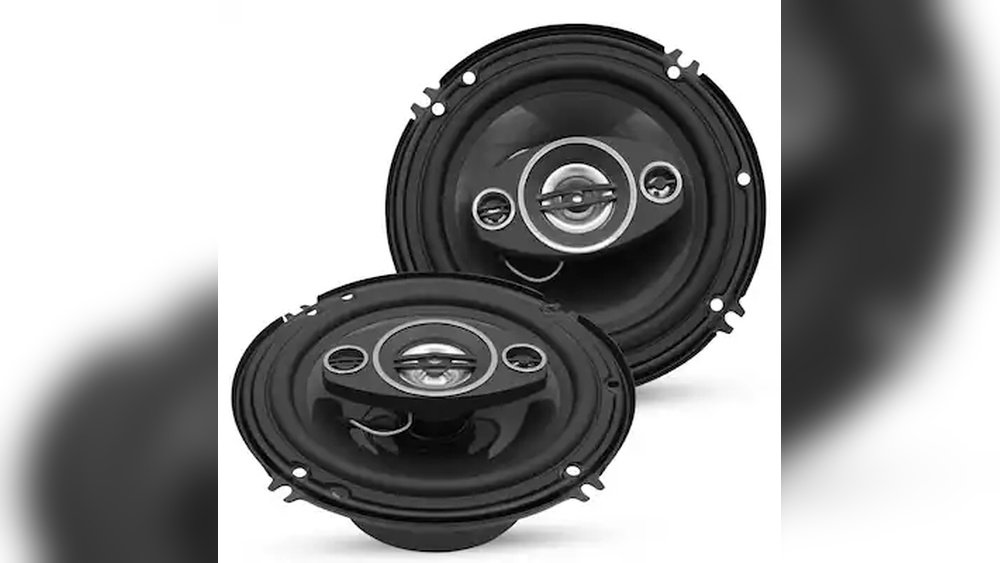
Most cars come with 6. 5-inch speakers in the doors, but these are usually full-range, not subwoofers. Subwoofers are built specifically for bass.
Key Features
- Frequency range: Usually covers 40–200 Hz
- Power handling: 50–200 watts RMS (average)
- Impedance: 2 or 4 ohms, matching most car amplifiers
Why Install Subwoofers In Car Doors?
Many car owners want more bass but don’t want to lose trunk space. Placing subwoofers in the doors seems like an easy solution. Here’s why people consider this:
- No trunk space needed: Bass upgrade without using the trunk
- Factory look: Speakers hidden in doors, not visible
- Simple wiring: Uses existing speaker locations
But is it really a good idea? Let’s look at the details.

Credit: www.walmart.com
1. Sound Quality And Bass Response
Sound quality is the main reason for upgrading to subwoofers. But bass response depends on speaker size, enclosure, and placement.
Bass Output Of 6.5-inch Subwoofers
- Limited deep bass: Small size = less bass compared to bigger subwoofers (like 10” or 12”)
- Mid-bass boost: Stronger in the 60–150 Hz range (punchy, not booming)
- Door limitations: Car doors act as “free air” enclosures, which can leak sound
Example
If you want to feel deep bass “thumps,” a 6. 5-inch subwoofer in the door may not satisfy you. For bass-heavy music (hip-hop, EDM), larger subwoofers in the trunk deliver more impact.
Practical Data
Here’s a comparison of bass output by subwoofer size:
| Subwoofer Size | Frequency Range (Hz) | Max SPL (dB) | Bass Depth |
|---|---|---|---|
| 6.5-inch | 40–200 | 85–90 | Moderate |
| 8-inch | 35–180 | 90–95 | Good |
| 10-inch | 30–150 | 95–100 | Strong |
Insight: 6.5-inch subwoofers can improve bass but won’t match the depth or power of larger models.
2. Installation Difficulty And Fit
Many people assume that fitting a 6. 5-inch subwoofer in a car door is easy. The truth is more complex.
Steps For Installation
- Check mounting depth: Subwoofers are deeper than regular speakers.
- Door modification: Some doors need cutting or extra brackets.
- Soundproofing: Doors vibrate; adding deadening material reduces rattles.
- Wiring upgrades: Subwoofers need thicker wires and sometimes a separate amplifier.
Common Problems
- Limited space: Some cars can’t fit deep subwoofers
- Window interference: Windows may hit the back of the speaker
- Water damage: Doors get wet inside, risking speaker damage
Example
A 2015 Honda Civic has 2. 5” (63mm) door depth. Many 6. 5” subwoofers need at least 3”–3. 5” depth. You may need to use spacers, which can cause the speaker grill to stick out.
Installation Comparison
| Option | Ease of Install | Time Needed | Extra Parts? |
|---|---|---|---|
| 6.5″ in door | Medium to Hard | 2–5 hours | Brackets, sound deadening |
| 10″ in trunk | Medium | 2–4 hours | Enclosure, wiring kit |
Tip: Always measure your door depth before buying a subwoofer.
Credit: www.bestbuy.com
3. Power Handling And Amplification
Subwoofers need more power than normal speakers. Most factory car stereos can’t supply enough wattage.
Power Needs
- RMS rating: Check both the subwoofer and amplifier RMS (Root Mean Square) power ratings.
- Amplifier required: Most 6.5” subwoofers need an external amp for best results.
Example Setup
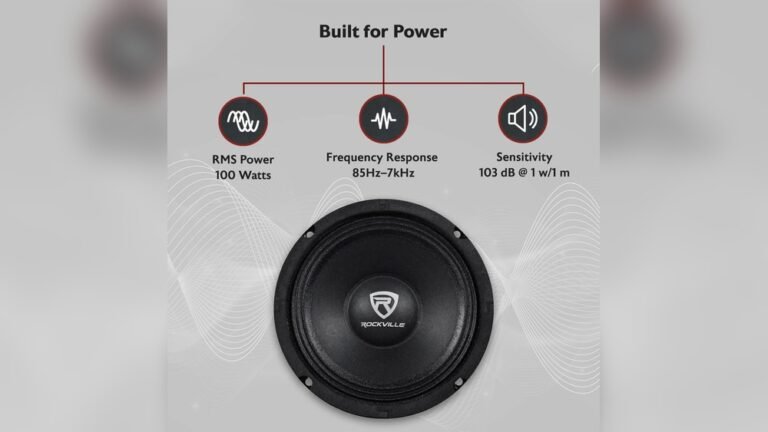
- Subwoofer RMS: 100 watts
- Factory stereo output: 20 watts
- Aftermarket amplifier: 100 watts RMS (matches subwoofer)
If you run a subwoofer directly from a factory stereo, you’ll get weak bass and possible distortion.
Wiring Considerations
- Thicker wires: Use 14–16 gauge speaker wire for subwoofers.
- Direct connection: Connect the amp directly to the battery (with a fuse).
Beginner Mistake: Skipping the amplifier or using thin factory wiring leads to poor sound and possible damage.
4. Door Panel Vibration And Rattles
Adding a subwoofer to a car door increases vibration. This can cause annoying rattles and decrease sound quality.
Why It Happens
- Low frequencies make large surfaces (like doors) move more.
- Loose parts inside the door start to buzz or rattle.
How To Fix
- Sound deadening material: Stick butyl mats (like Dynamat or Noico) inside the door.
- Foam gaskets: Seal the subwoofer edge for a tight fit.
- Check screws: Tighten all mounting hardware.
Practical Example
After installing a 6. 5-inch subwoofer, you notice rattling at high volume. Adding two sheets of sound deadening (about $25–$40) stops most noise and makes bass cleaner.
Non-obvious tip: Removing rattles is just as important as installing the subwoofer itself.
5. Car Door As An Enclosure
Subwoofers work best in a sealed or ported enclosure. Car doors are not designed for this purpose.
Enclosure Problems
- Leaky air: Most doors have holes for wires, water drainage, and handles.
- Poor bass control: Without a sealed box, bass can sound loose or weak.
Solutions
- Seal with foam tape: Block large leaks inside the door.
- Use foam baffles: Special foam sleeves can help, but may reduce bass volume.
- Custom enclosures: Advanced users build “pods” inside the door.
Example
A sealed 6. 5-inch subwoofer in a small enclosure can reach 40 Hz. In a leaky door, bass drops off at 60–70 Hz.
Data Comparison
| Mount Location | Bass Quality | Max Output | DIY Difficulty |
|---|---|---|---|
| Car door | Loose, less control | Moderate | High |
| Sealed box | Tight, punchy | High | Medium |
Insight: Many beginners expect “box-like” bass from door subwoofers, but the result is often weaker.
6. Cost And Value For Money
Cost is a big reason people choose 6. 5-inch subwoofers for their doors. But is it really cheaper or better value?
Cost Breakdown
- Subwoofer (each): $40–$120
- Amplifier: $70–$200
- Install accessories: $30–$60 (wires, deadening, spacers)
- Labor (if pro): $100–$300
A basic setup can cost $200–$400 if you do it yourself. Professional install is $300–$600.
Value Comparison
- 6.5-inch door sub: Saves trunk space, factory look, but moderate bass
- 8- or 10-inch trunk sub: More bass, more space used, higher cost
Example
For $350, you can install two 6. 5-inch subwoofers in the doors with an amp, or one good 10-inch subwoofer in a small trunk box. The trunk subwoofer will sound deeper and louder, but the door setup is more “stealthy.
”
Non-obvious Insight
Even if the upfront cost is lower, you may spend extra on sound deadening, custom brackets, or repairs if the doors rattle or the windows jam.
Practical Tips Before Deciding
If you’re a beginner, consider these points before installing 6.5-inch subwoofers in your car doors:
- Test first: Listen to similar setups in other cars if possible.
- Check car forums: Search for your car model and “6.5 subwoofer door” to see common problems.
- Start small: Upgrade the front speakers and add sound deadening before installing subwoofers.
- Plan for power: Budget for a good amplifier and wiring kit.
- Don’t skip deadening: This small step makes a big difference in bass quality.
When Are 6.5-inch Door Subwoofers A Good Idea?
These subwoofers work well if:
- You want better bass than factory speakers, but don’t need “window-shaking” sound
- You can’t give up trunk space
- You listen to music styles with punchy, not super deep, bass (rock, pop, jazz)
- You’re willing to spend time on proper installation
If you want heavy, deep bass for hip-hop or EDM, a larger subwoofer in a box is usually better.

Credit: orioncaraudio.com
Frequently Asked Questions
Is A 6.5-inch Subwoofer Enough For Good Bass In A Car?
A 6.5-inch subwoofer improves bass over factory speakers. But it won’t match the deep, powerful bass of larger subwoofers (like 10” or 12”). It works well for adding punch and filling out the sound, especially in small cars.
Can I Install A 6.5-inch Subwoofer In Any Car Door?
Not always. Some cars have shallow doors or window mechanisms that block deeper speakers. Always measure the available space and check your car’s manual or audio forums before buying.
Do I Need An Amplifier For Door Subwoofers?
Yes, almost always. Factory stereos don’t provide enough power for subwoofers. Using an external amplifier ensures you get clean, strong bass without distortion.
Will Door Subwoofers Damage My Car Or Windows?
If installed properly, no. But poor installation can cause rattles, window jams, or even water damage. Use sound deadening and seal the speakers well to avoid problems.
Are There Better Alternatives To Door Subwoofers?
Yes. Small subwoofer boxes (8–10 inch) in the trunk or under the seat often deliver deeper bass and are easier to install. Door subwoofers are best when trunk space is very limited.
For more details on car audio setups, visit the Car Audio Wikipedia page.
Upgrading car audio is about your goals, your car, and your budget. Take time to research, plan, and listen before making changes. With the right setup, you’ll enjoy every drive a lot more.