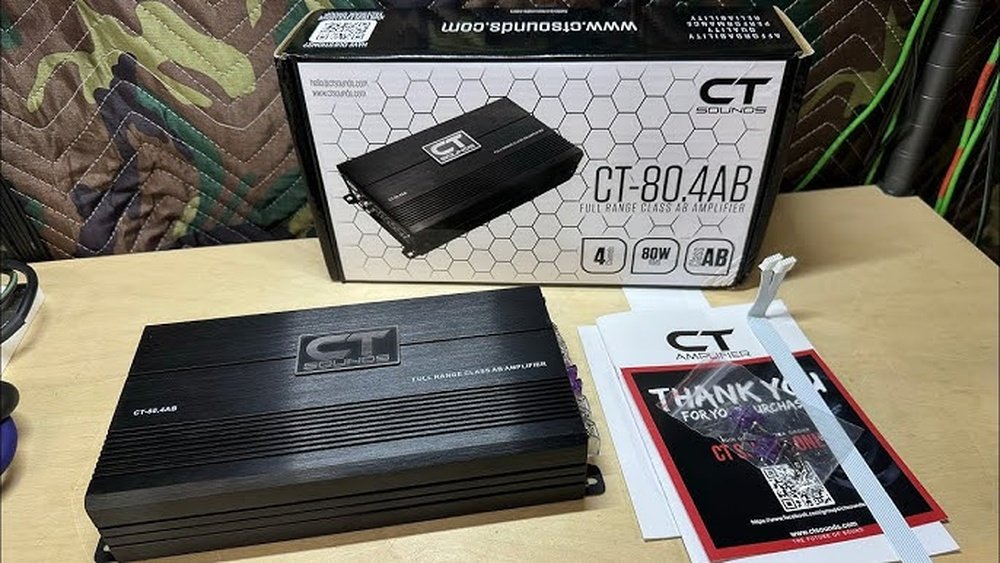
Ct Sounds Amp Dyno: Unleashing Peak Performance and Power
If you are new to car audio, you may have seen videos or posts about “amp dyno” tests for brands like CT Sounds. These tests show how much real power an amplifier makes. But the details can be confusing for beginners. This article explains what a CT Sounds amp dyno is, why it matters, and how to understand the results. You’ll learn about testing methods, see real-world numbers, and get practical advice for choosing the right amp. Every section is designed for clear, simple understanding—no jargon or fluff.
What Is An Amp Dyno Test?
An amp dyno test measures an amplifier’s true power output under controlled conditions. Think of it like a “lie detector” for car amps. Many brands advertise big numbers, but those can be exaggerated or measured under easy conditions. An amp dyno reveals the real watts your amp can deliver.
- Dyno stands for “dynamometer,” a device used to measure force, power, or speed.
- Car audio testers use special machines to load the amp and record its performance.
- The most common amp dyno machine is the SMD AD-1, designed by Steve Meade Designs.
Amp dyno tests are popular because they show whether an amp meets its advertised specs. CT Sounds, a well-known audio brand, is often tested this way.
Why Ct Sounds Amp Dyno Tests Matter
CT Sounds is respected for affordable and reliable amps. Many buyers want to know if their amp delivers the power claimed on the box. Dyno tests answer this question by showing:
- Certified power: Maximum clean power before distortion.
- Uncertified power: Maximum power before clipping (distortion).
- Dynamic power: Peak power for a short burst (like a drum hit).
For example, if a CT Sounds amp says “1000 watts RMS,” a dyno test shows how close it gets to that number in real-world use. This matters because:
- It helps you avoid weak amps that can’t drive your speakers.
- You can match the amp to your subwoofer or speakers safely.
- You avoid wasting money on overrated products.
How Amp Dyno Tests Are Performed
To understand CT Sounds amp dyno results, you need to know how tests work. Here’s a simple breakdown:
- Setup: The amp is connected to the dyno machine, power supply, and load resistors that mimic speaker resistance (ohms).
- Test Types:
- Certified: Tests clean power output at 1% distortion.
- Uncertified: Tests power until distortion (clipping) starts.
- Dynamic: Tests short bursts of peak power.
- Resistance Levels: Amps are tested at different ohm loads (1, 2, 4 ohms) to see how power changes.
Amps are usually tested with a stable power source, so results are consistent. The numbers you see are reliable, but real-world performance can vary based on your car’s electrical system.
Real Ct Sounds Amp Dyno Results
Let’s look at actual dyno numbers for popular CT Sounds models. These data are gathered from public test videos and forums.
| Model | Advertised RMS (1 Ohm) | Certified Dyno (1 Ohm) | Uncertified Dyno (1 Ohm) | Dynamic Dyno (1 Ohm) |
|---|---|---|---|---|
| CT Sounds CT-1500.1D | 1500W | 1480W | 1600W | 1700W |
| CT Sounds CT-700.1D | 700W | 690W | 770W | 820W |
| CT Sounds CT-140.4 | 140W x 4 | 135W x 4 | 150W x 4 | 160W x 4 |
Notice that dyno numbers are very close to rated specs. Sometimes they even exceed them in “uncertified” or “dynamic” modes. This shows CT Sounds amps are honestly rated, which is rare for budget brands.

Credit: www.amazon.com
Understanding Key Amp Dyno Terms
When reading amp dyno results, you’ll see some technical words. Here’s what they mean in plain English:
- RMS (Root Mean Square): The real, continuous power an amp delivers. Ignore “peak” or “max” ratings—they are often inflated.
- Certified Power: Clean power output. This is the safest number to use for matching amps to speakers.
- Uncertified Power: Power before distortion. Useful for users who like loud bass, but not recommended for daily listening.
- Dynamic Power: Short burst power. Good for music with heavy beats, but not for constant use.
Understanding these terms helps you avoid mistakes like overpowering speakers or buying amps that can’t handle your needs.
Comparing Ct Sounds To Other Brands
How does CT Sounds stack up against similar brands? Here’s a simple comparison based on dyno tests:
| Brand | Model | Advertised RMS | Certified Dyno | Price Range |
|---|---|---|---|---|
| CT Sounds | CT-1500.1D | 1500W | 1480W | $220-$250 |
| Skar Audio | SKv2-1500.1D | 1500W | 1400W | $230-$260 |
| Hifonics | BRX1516.1D | 1500W | 1200W | $180-$220 |
| Sundown Audio | SAZ-1500D | 1500W | 1550W | $350-$400 |
CT Sounds is competitive on price and delivers honest power. Some brands, like Sundown, might slightly exceed ratings but cost more. Others, like Hifonics, may fall short but are cheaper. Always check dyno data before buying.
Common Mistakes Beginners Make
Many beginners misunderstand amp ratings and dyno tests. Here are mistakes to avoid:
- Trusting “Peak” Power: Ignore peak or max watt numbers. Always look for RMS or certified dyno ratings.
- Ignoring Ohm Loads: Power output changes with speaker resistance (ohms). Match the amp’s ratings to your subwoofer’s ohm load.
- Skipping Electrical Upgrades: Your car’s battery and alternator affect amp performance. Weak electrical systems can limit real output.
- Not Reading Dyno Charts: Use dyno charts and tables to see real-world amp power, not just what’s printed on the box.
- Overpowering Speakers: Using an amp that’s too strong can damage speakers. Always match certified RMS power to your speakers’ ratings.
How To Choose The Right Ct Sounds Amp
Picking the best amp for your system is easier when you understand dyno numbers. Here’s a step-by-step guide:
- Find Your Speaker’s RMS Rating: Look for continuous power, not peak.
- Check Amp Dyno Results: Use certified power output for matching.
- Match Ohms: Make sure the amp’s power rating matches your speaker’s resistance (1, 2, or 4 ohms).
- Budget for Electrical Upgrades: If you want maximum power, consider a better battery or alternator.
- Consider Space and Cooling: Bigger amps need more space and better ventilation.
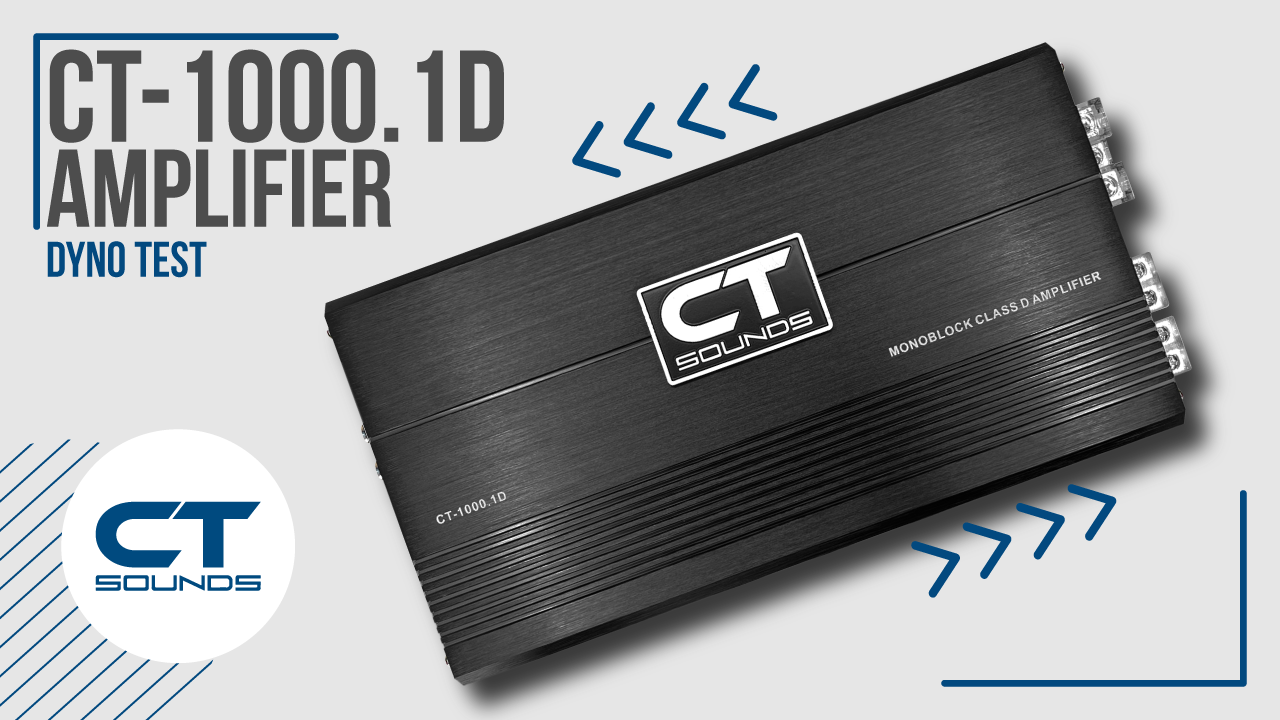
Example: If your subwoofer is rated at 1000W RMS at 2 ohms, pick a CT Sounds amp that delivers at least 950W certified at 2 ohms. Don’t choose based on max or dynamic power.
Credit: www.amazon.com
Practical Data: Amp Dyno Test Steps
Here’s a simple step-by-step outline of a real amp dyno test:
- Connect the amp to the dyno machine.
- Set power supply voltage (usually 14.4V for car audio).
- Select resistance (ohm load): 1, 2, or 4 ohms.
- Run certified test: Measure clean power output.
- Run uncertified test: Measure power at clipping.
- Run dynamic test: Measure short burst power.
- Record all numbers for comparison.
Knowing these steps helps you understand what dyno data means and why it’s important.
Non-obvious Insights For Beginners
- Electrical System Matters: Many beginners ignore their car’s battery and alternator. Even the best amp will underperform if your electrical system is weak. Upgrading to an AGM battery or high-output alternator can unlock more power.
- Temperature Impacts Power: Amps can lose power when hot. Dyno tests are often done at room temperature, but your amp may run hotter in your car. Good ventilation and proper mounting make a difference.
- Multiple Amps: If you plan to use more than one amp, make sure your electrical system can handle the total power draw. Otherwise, you may experience voltage drops and lower output.
Where To Find Reliable Amp Dyno Data
If you want to research CT Sounds amp dyno numbers, look for trusted sources:
- YouTube channels (like Steve Meade Designs) for real test videos
- Car audio forums for user reports
- Official manufacturer specs (but always compare with dyno tests)
For a deep technical explanation, see Wikipedia’s dynamometer page.
Key Tips For Best Amp Performance
- Use thick, high-quality power cables to avoid voltage loss.
- Mount your amp in a cool, ventilated spot.
- Set gain properly—too much gain causes distortion.
- Upgrade electrical system if you want full rated power.
- Check dyno numbers before buying, not just price or brand reputation.

Credit: www.youtube.com
Frequently Asked Questions
What Is The Most Important Amp Dyno Number To Look At?
The certified power rating is most important. It shows how much clean, distortion-free power the amp can deliver. Use this number when matching an amp to your speakers or subwoofers.
How Accurate Are Amp Dyno Tests?
Amp dyno tests are very accurate when done with proper equipment. Results can vary a bit based on test conditions and electrical supply, but they are much more reliable than printed specs. Always check multiple sources.
Can I Use An Amp That Makes More Power Than My Speakers?
Yes, but with caution. If the amp’s certified power is higher than your speaker’s RMS rating, keep the gain low and avoid playing at max volume. Too much power can damage speakers. Matching power is safest.
Why Do Some Amps Show Higher “dynamic” Power?
Dynamic power measures short bursts, like a drum hit in music. Amps can deliver more power for a split second, but not continuously. This is useful for music with heavy bass but should not be used for matching speakers.
Should I Upgrade My Car’s Electrical System For High-power Amps?
If your amp draws more than 1000W RMS, upgrading your battery and alternator is recommended. Weak electrical systems cause voltage drops and lower amp output. Upgrades help you get full power and avoid problems.
Final Thoughts
Understanding CT Sounds amp dyno results is key for building a reliable car audio system. Dyno tests reveal the real power amps can deliver—not just what’s advertised. CT Sounds amps are honestly rated, making them a smart choice for beginners and budget buyers. Always check certified power, match it to your speakers, and consider your electrical system. With these tips, you’ll avoid common mistakes and enjoy clear, powerful sound in your car. If you want to dive deeper, explore dyno videos and forums for even more real-world data.