How Much to Fix Speakers in Car: Cost Breakdown & Tips
If you’ve noticed your car speakers sound weak, distorted, or have stopped working, you’re not alone. Many drivers face speaker issues at some point, whether because of age, water damage, or simple wear and tear. But one big question always comes up: how much does it cost to fix speakers in a car? Understanding the costs, what affects them, and the repair process can help you make smart decisions—without spending more than you need.
What Causes Car Speakers To Fail?
Before talking about prices, it’s helpful to know what usually goes wrong with car speakers. Here are some common reasons speakers fail:
- Aging: Over time, materials inside speakers break down.
- Water damage: Rain leaks or humidity can corrode speaker parts.
- Blown speakers: Playing music too loud can damage speaker cones.
- Wiring issues: Loose or broken wires stop sound from reaching speakers.
- Faulty head unit: Sometimes, the problem is not the speaker but the stereo itself.
Knowing the cause helps you decide if a simple repair or a full replacement is needed.
Types Of Car Speaker Repairs
Not all problems need the same fix. Here are the main repair types and what each involves:
1. Speaker Cone Replacement
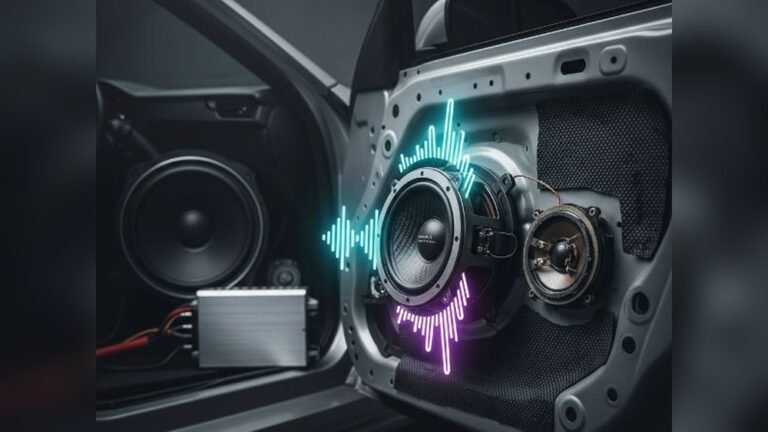
If the sound is distorted or weak, the speaker cone may be torn or damaged. Fixing it means:
- Removing the door panel or speaker cover
- Taking out the old cone
- Installing a new one
2. Wiring Repairs
If the sound cuts in and out, the problem might be in the wiring. This repair includes:
- Checking all wires for loose connections or damage
- Replacing or reconnecting bad wires
3. Speaker Replacement
When a speaker is badly damaged or old, full replacement is needed:
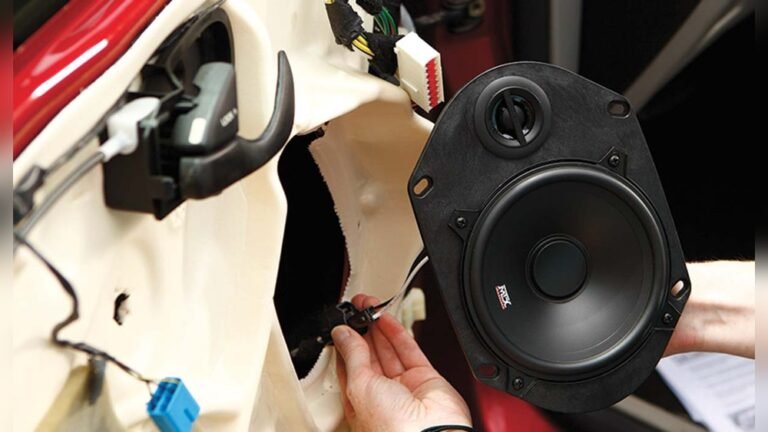
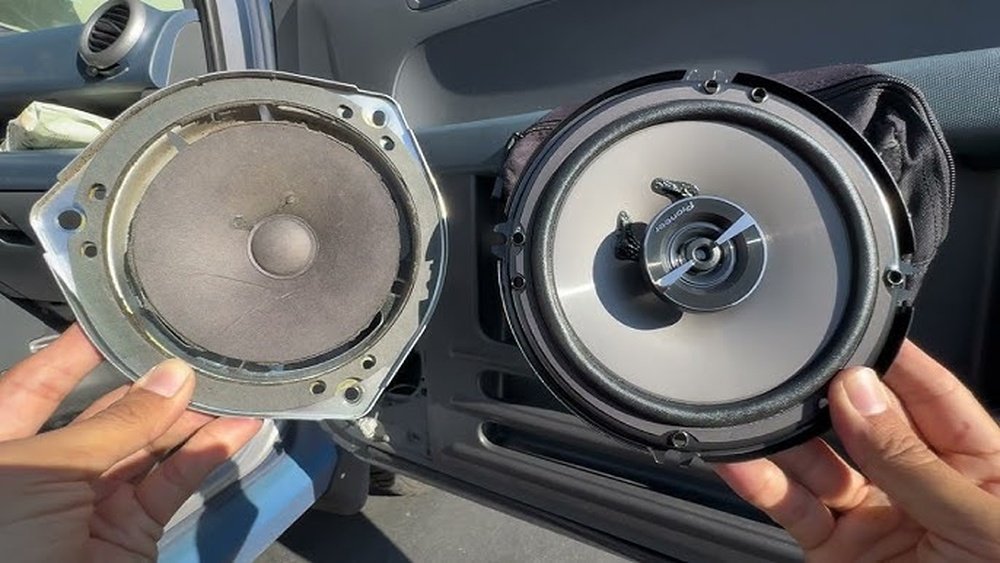
- Removing the old speaker
- Installing a new speaker of the same size or an upgraded one
4. Head Unit Troubleshooting
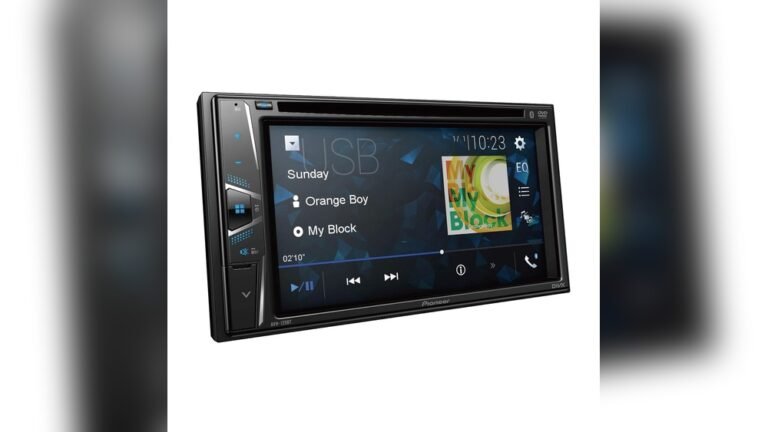
Sometimes, the stereo system (head unit) is the problem. In this case:
- Testing the head unit for output
- Repairing or replacing if needed
Credit: www2.parklanejewelry.com
Average Cost To Fix Car Speakers
How much you’ll spend depends on several things: the type of repair, your car’s make and model, and whether you do it yourself or hire a pro.
Here’s a simple comparison to give you an idea:
| Repair Type | DIY Cost (USD) | Professional Cost (USD) |
|---|---|---|
| Speaker Cone Repair | $10–$30 | $50–$100 |
| Wiring Fix | $5–$20 | $30–$80 |
| Full Speaker Replacement | $25–$200 (per speaker) | $70–$400 (per speaker) |
| Head Unit Repair/Replace | $50–$250 | $100–$600 |
These numbers can change based on your car’s brand, where you live, and the type of speakers you choose.
Factors That Affect Repair Costs
Let’s look at what makes the price go up or down:
- Car make and model: Luxury or imported cars often have more expensive speakers or complex systems.
- Speaker type: Standard factory speakers are cheaper to replace than premium or branded ones (like Bose or JBL).
- Labor costs: Shops in big cities usually charge more per hour.
- Number of speakers: Fixing all four speakers costs more than just one.
- DIY vs. professional: Doing it yourself saves money but needs tools and some skill.
Even your car’s age can play a role. Older cars may need extra work to fit new speakers or fix old wiring.
Diy Vs. Professional Repair: What’s Best?
You might wonder if you should fix your car speakers yourself or pay a pro. Here’s a quick guide:
Diy Repairs
Pros:
- Saves money on labor costs
- Flexible—work at your own pace
- Learn about your car’s audio system
Cons:
- Need basic tools and knowledge
- Risk of damaging interior panels or wires
- No warranty for mistakes
Professional Repairs
Pros:
- Experience and expertise
- Quicker, often same-day service
- Usually come with a warranty
Cons:
- Higher overall cost
- Need to schedule an appointment
For simple wiring or cone repairs, DIY is possible if you’re confident with tools. For full speaker replacement or head unit issues, a pro is safer, especially for modern cars with complex electronics.
Example: Real-world Repair Costs
Let’s see how much a typical driver might spend:
- Case 1: John’s 2012 Honda Civic has a blown front speaker. He buys a basic replacement online for $35 and installs it himself. Total cost: $35.
- Case 2: Sarah’s 2018 Ford Fusion has distorted sound in the rear speakers. She visits a shop, which charges $110 for each speaker (parts and labor). She replaces both. Total cost: $220.
- Case 3: Mike’s 2017 BMW 3 Series with Harman Kardon speakers needs a new front speaker. The shop quotes $370 for a branded replacement and labor. Total cost: $370.
This shows how costs can change depending on the car and the type of repair.
How To Diagnose Car Speaker Problems
Finding the real issue can save you money. Here’s how to check your car speakers:
- Listen for symptoms: Is the sound distorted, too quiet, or cutting out?
- Test with another audio source: Try a different song or radio station.
- Check balance and fade: Use your stereo settings to test each speaker.
- Inspect wires: Look for loose or corroded connections behind the speaker.
- Swap speakers: If possible, switch a working speaker to the bad location to see if the issue stays.
If you’re not sure, a local audio shop can do a diagnosis for $30–$60.
What Matters When Choosing New Car Speakers
If you decide to replace your speakers, picking the right ones is important. Here are key factors:
- Size: Make sure new speakers fit your car’s openings (usually 6.5″ for doors, 6″x9″ for rear).
- Power handling: Match the speaker’s wattage to your stereo’s output.
- Sensitivity: Higher sensitivity speakers need less power for the same volume.
- Build quality: Better materials last longer and sound clearer.
- Brand: Well-known brands cost more but often offer better sound and durability.
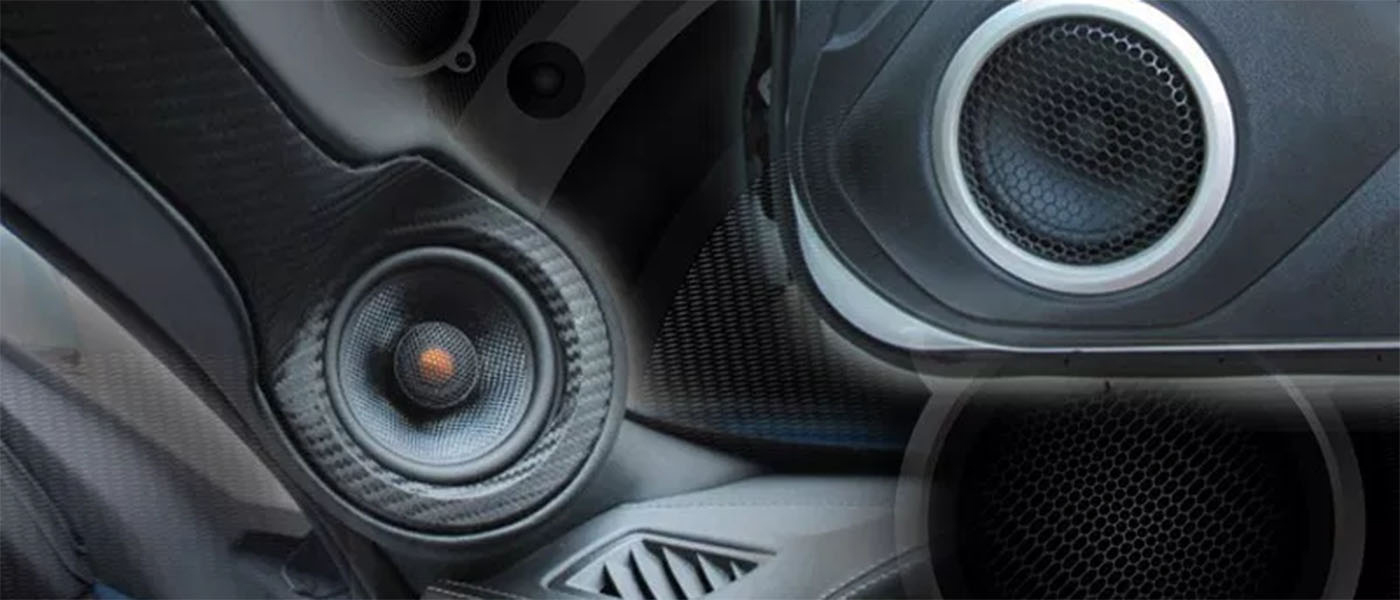
Here’s a comparison of common speaker types:
| Speaker Type | Average Cost (per speaker) | Sound Quality | Durability |
|---|---|---|---|
| Factory Standard | $25–$70 | Basic | Average |
| Aftermarket Entry-Level | $40–$120 | Improved | Good |
| Premium/Branded | $150–$400 | Excellent | Excellent |
Credit: audiovisionie.com
Common Mistakes When Fixing Car Speakers
Many beginners make small errors that can cause bigger problems. Watch out for:
- Forgetting to disconnect the battery: Always disconnect before working on electronics to avoid shocks or shorts.
- Using the wrong size: Speakers that don’t fit need extra work to install.
- Poor wiring connections: Loose wires cause sound to cut in and out.
- Not checking polarity: Mixing up positive and negative wires can reduce sound quality.
- Skipping sound tests: Always test before reassembling door panels.
Learning from these mistakes can save you time, money, and frustration.
How To Save Money On Car Speaker Repair
There are smart ways to keep costs low while still getting good sound:
- Buy parts online: Often cheaper than shop prices.
- Look for package deals: Some shops offer discounts for replacing multiple speakers.
- Check for warranties: New cars or premium speakers may be covered.
- Ask for labor-only service: Buy your own speakers and pay a shop just for installation.
- Compare shops: Get at least two quotes before choosing.
If you’re comfortable, try simple repairs yourself and save professional help for complex jobs.
When To Upgrade Instead Of Repair
Sometimes, fixing old speakers isn’t worth it. Upgrading makes sense when:
- The speakers are very old (over 8–10 years)
- You want better sound quality
- The cost of repair is close to the price of new speakers
- You plan to keep your car for several more years
A small upgrade can make daily driving much more enjoyable.
How Labor Costs Vary By Location
Repair prices can change a lot depending on where you live. In big cities, shops may charge $80–$120 per hour, while small towns might be as low as $40–$60 per hour. High-end repair shops or car dealerships also charge more.
Here’s a quick overview:
| Location | Average Labor Cost (per hour) |
|---|---|
| Urban/Metro Area | $80–$120 |
| Suburban | $60–$90 |
| Rural/Small Town | $40–$70 |
If you’re near several towns, calling around can help you find the best price.
Credit: www2.parklanejewelry.com
How Long Does Car Speaker Repair Take?
Simple repairs, like fixing a wire or swapping a speaker, can take 30–60 minutes per speaker. Complex jobs—like installing a whole new system or working on luxury cars—can take several hours. Shops usually finish basic jobs the same day if you book ahead.
Non-obvious Tips For Beginners
- Keep old speaker covers: They often fit better than new ones and keep your car looking original.
- Test sound balance after repair: Sometimes fixing one speaker makes you notice problems in another, so check all speakers after any work.
Where To Find Reliable Parts And Service
- Authorized dealers: For brand-specific speakers
- Car audio shops: For aftermarket upgrades
- Online retailers: Sites like Crutchfield or Amazon have good selections
- Local mechanics: For basic replacements
Always check reviews before buying or booking service. For more details on car audio systems, check the Wikipedia Car Audio page.
Frequently Asked Questions
How Do I Know If My Car Speaker Is Blown?
A blown speaker often sounds distorted, crackly, or very quiet. Sometimes you hear no sound at all. If you push gently on the speaker and hear a scraping noise, it’s likely blown.
Is It Cheaper To Repair Or Replace Car Speakers?
For very old or badly damaged speakers, replacement is often cheaper and gives better results. Small problems, like a torn cone or loose wire, can be repaired for less money.
Can I Replace Car Speakers Myself?
Yes, if you have some basic tools and feel comfortable removing door panels. Many people do simple replacements at home. Just be sure to disconnect the battery first.
How Long Do Car Speakers Usually Last?
Most factory speakers last 5–10 years. Aftermarket or premium speakers can last longer if you don’t play music too loud or let them get wet.
Does Insurance Cover Car Speaker Repairs?
Usually, standard car insurance does not cover speaker repairs unless it’s due to theft or major accident damage. Check your policy or ask your insurance agent for details.
Fixing car speakers doesn’t have to be expensive or stressful. By understanding repair types, costs, and common mistakes, you’ll be able to get your car sounding great again—within your budget and timeline. If you’re unsure, a quick check with a local audio expert can point you in the right direction.